Connecticut
Dense whitetail deer populations in New England hardwood forests, upland woodcock covers, and coastal waterfowl.
Public Lands to Hunt in Connecticut
Official Regulatory Authority
Connecticut Department of Energy and Environmental Protection (DEEP)
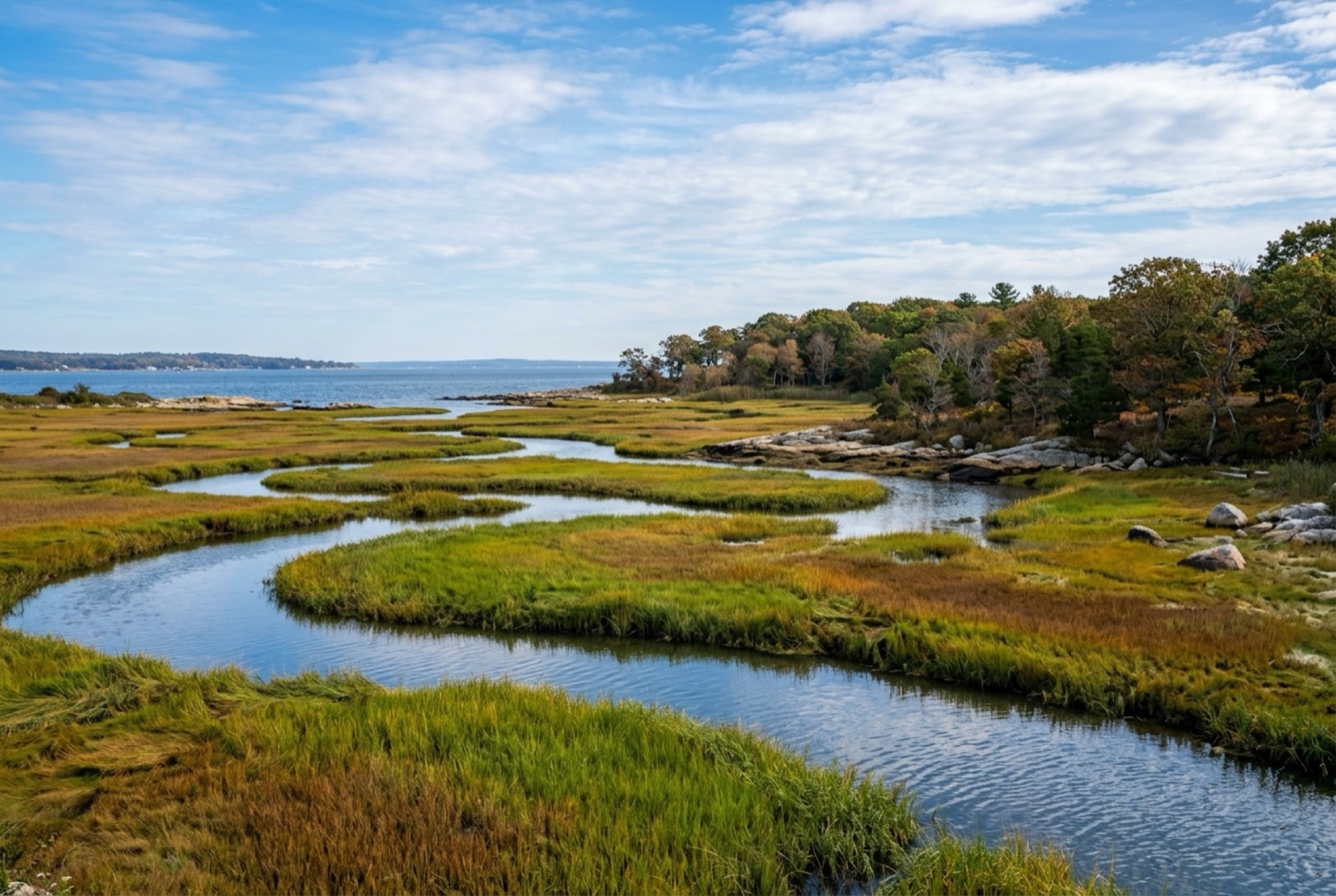
Barn Island Wildlife Management Area
Established in 1944 at the southeastern-most point of Connecticut in the town of Stonington. Encompasses 1,013 acres of Connecticut's most extensive and environmentally significant coastal WMA, preserving one of the state's largest un-fragmented coastal forests and an outstanding marsh system. Provides vital habitat for migratory waterfowl, with hunting permitted during spring turkey, small game, waterfowl, fall archery deer/turkey, fall shotgun deer/turkey, and muzzleloader deer seasons. Features a network of trails, a boat ramp, and parking at the south end of Palmer Neck Road.
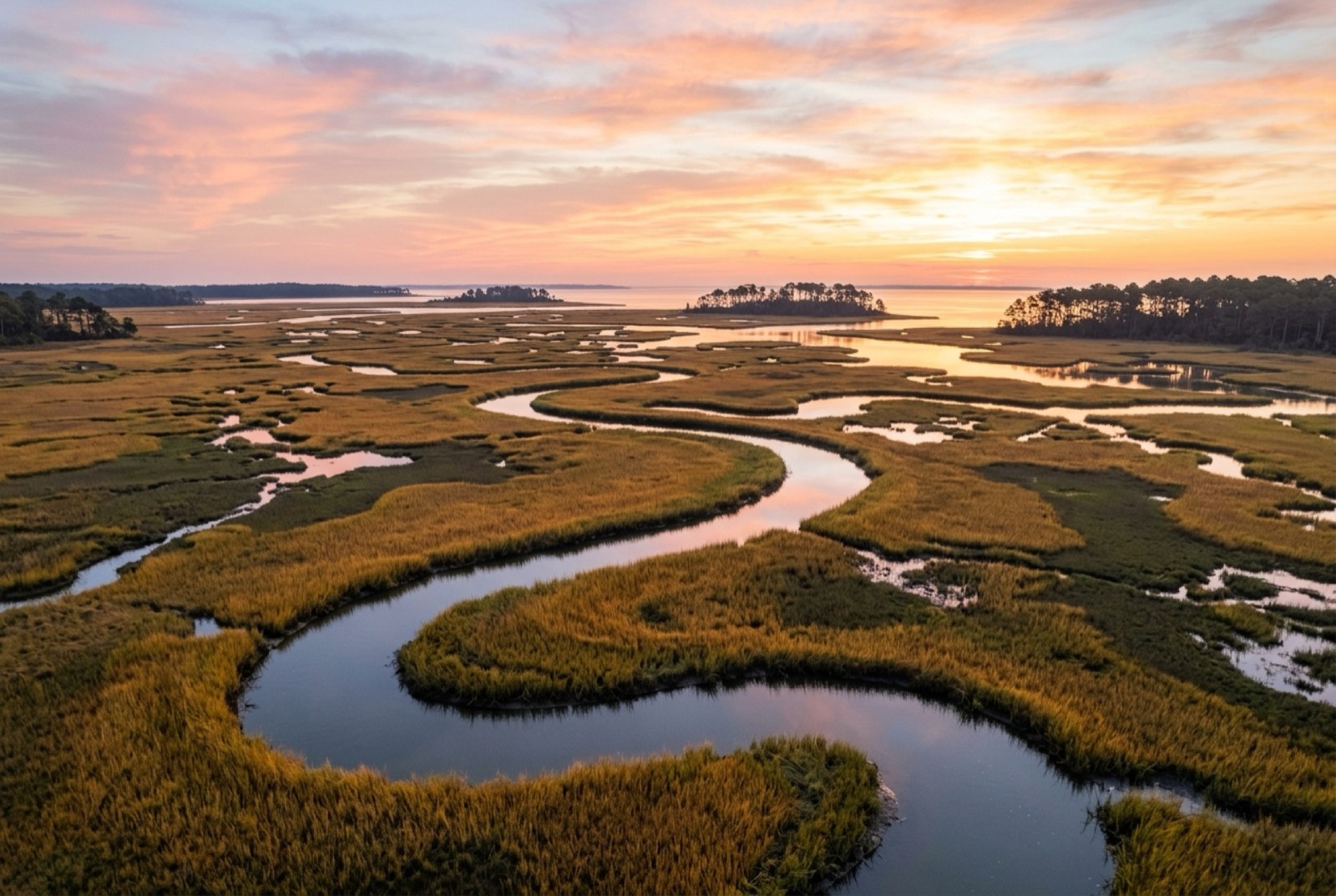
Charles E. Wheeler Wildlife Management Area
A 625-acre nature preserve and brackish tidal marsh in Devon, Milford, New Haven County, situated on the eastern Milford shore at the mouth of the Housatonic River bordered by Milford Point. Smooth cordgrass low marsh and salt meadow cordgrass high marsh make it one of Long Island Sound's most critical migratory bird stopovers. Waterfowl hunting is permitted during season with valid permits.
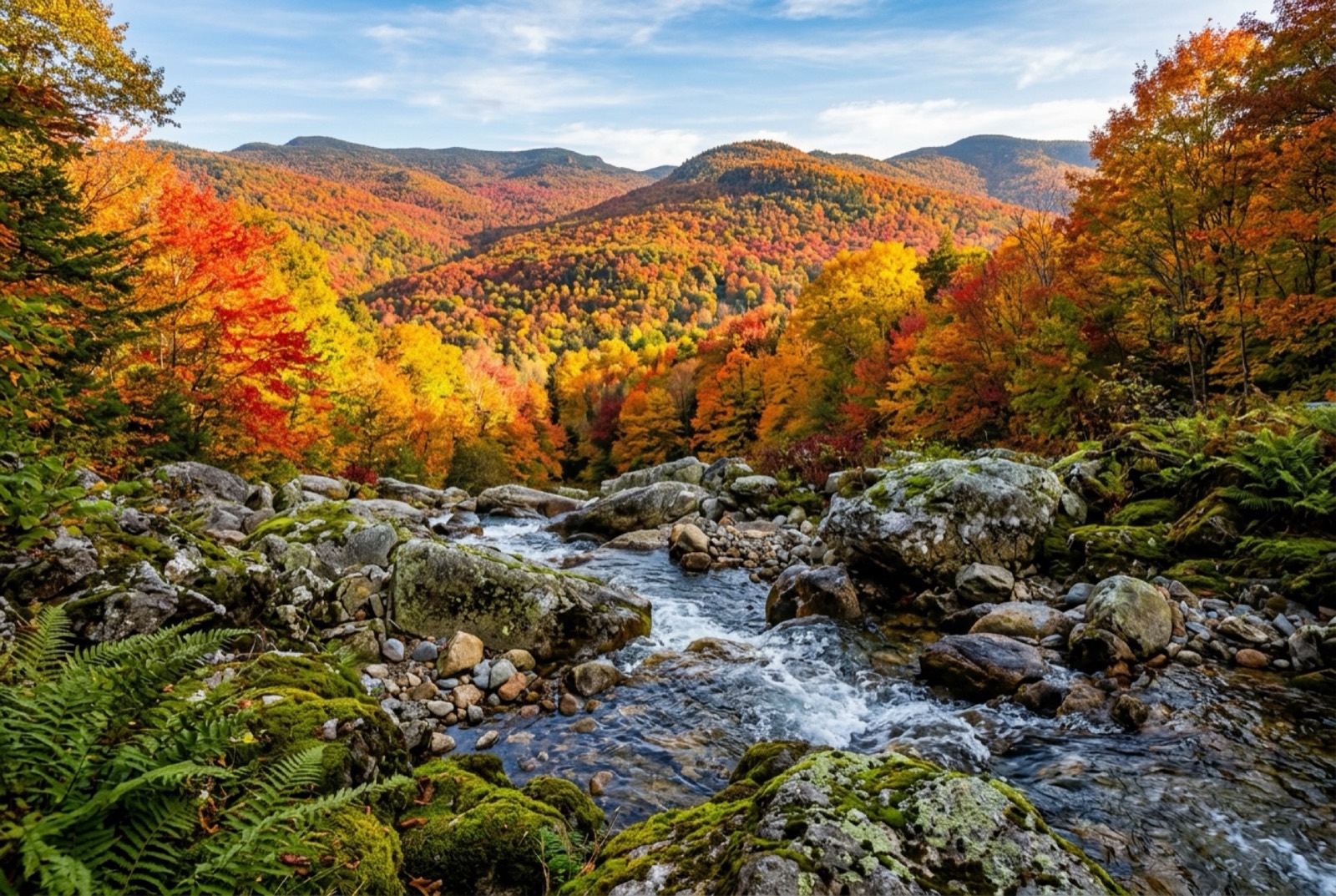
Sessions Woods Wildlife Management Area
A 771-acre state-owned reserve in Burlington maintained by CT DEEP focusing on conservation education and habitat demonstration along the Beaver Pond and Forest Meadow trails. Special permits are required for regulated archery deer hunting and waterfowl hunting. The area frequently hosts black bears and abundant wildlife.
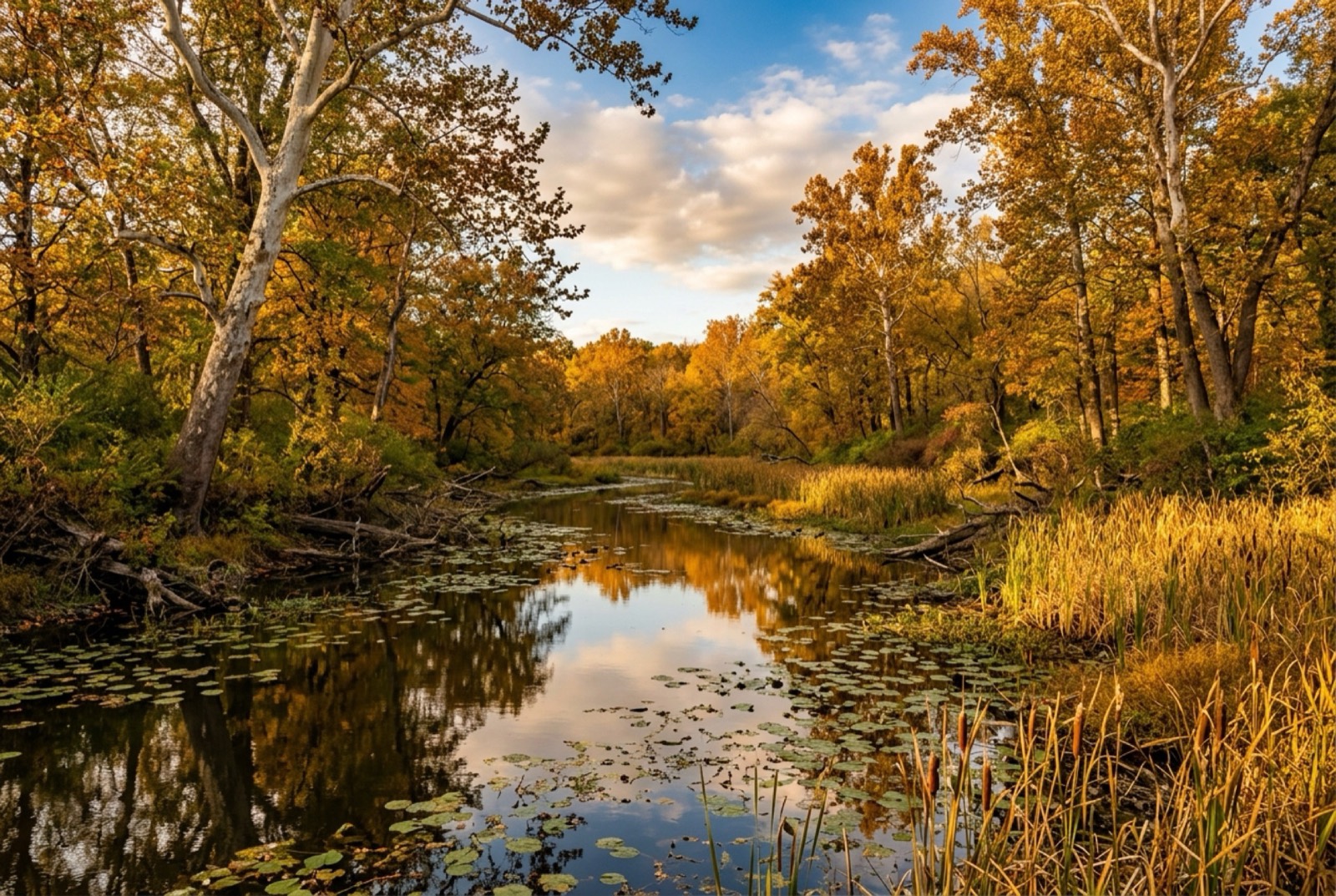
Nod Brook Wildlife Management Area
A 137-acre DEEP property along the Farmington River in Avon and Simsbury, purchased in 1975 under the Federal Aid in Wildlife Restoration Program as a premier dog training and field trial facility. Open to regulated small game, pheasant, and waterfowl hunting, as well as canoe/kayak river access. Hunters must wear fluorescent orange hats and jackets during fall/winter seasons, and dogs must wear orange vests.
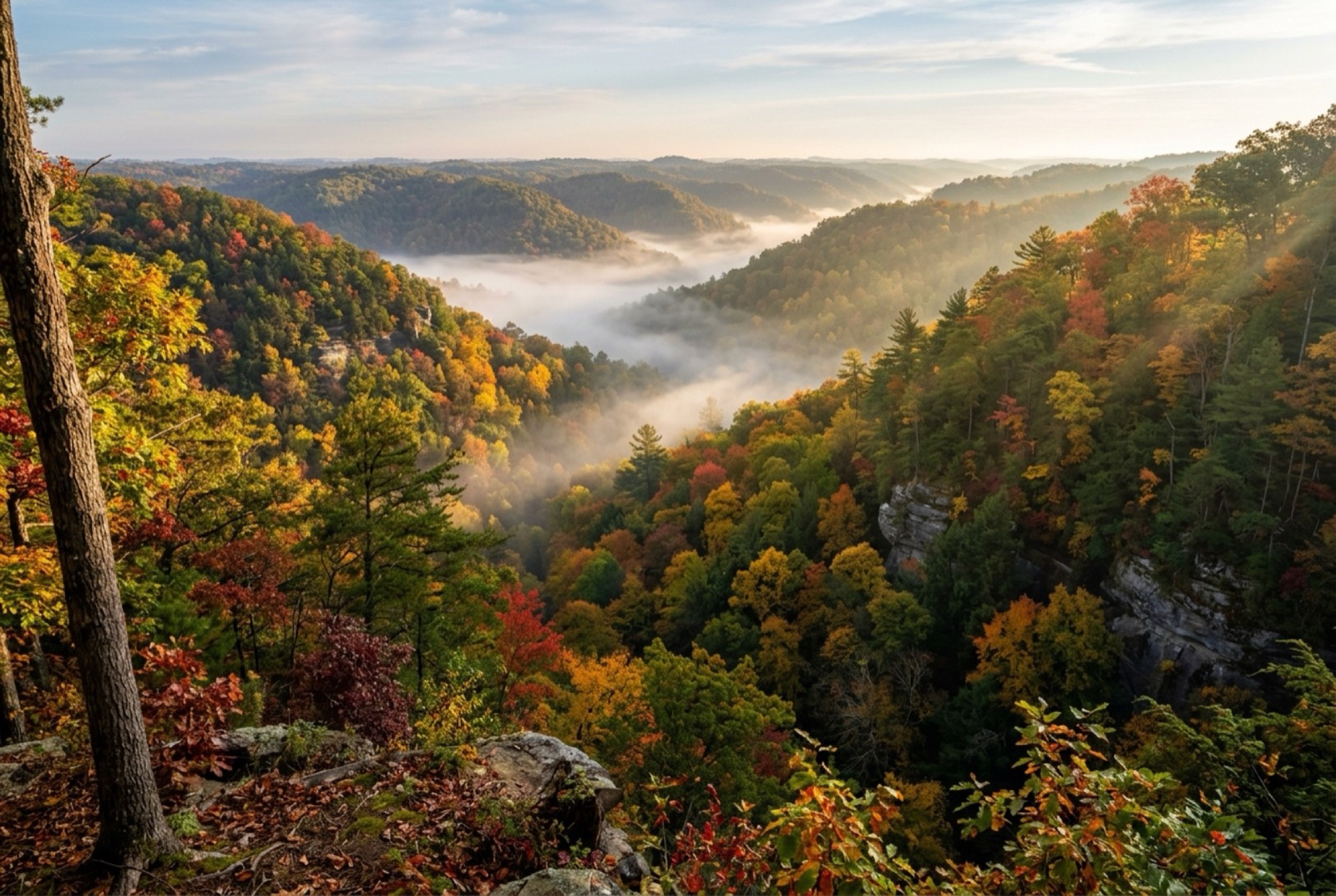
Belding & James V. Spignesi Jr. Wildlife Management Areas
Belding WMA (282 acres) in Vernon, bequeathed by Maxwell Belding in 1981, features meadows, shrublands, vernal pools, and Tankerhoosen River riparian corridors supporting over 200 species, woodcock courting grounds, and migratory birds. James V. Spignesi Jr. WMA (524 acres) in Hampton was named in memory of State Conservation Officer Jim Spignesi, dedicated exclusively to public hunting access with managed agricultural fields for pheasant and small game (fluorescent orange vests and hats mandatory).
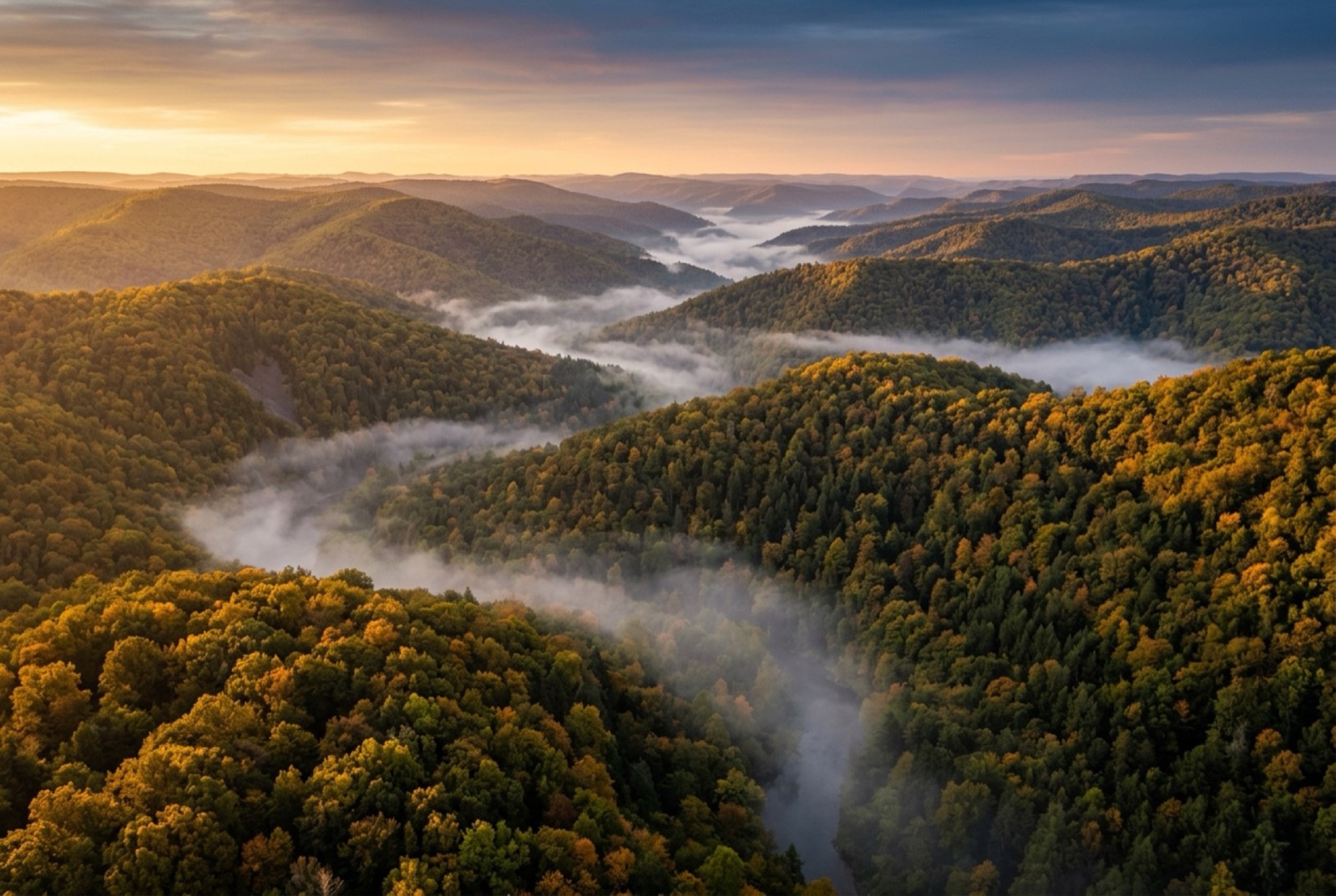
Pachaug & Cockaponset State Forests
Pachaug State Forest (27,000 acres) in New London County is Connecticut's largest state forest, featuring dense Atlantic white cedar swamps and oak-hemlock ridges. Cockaponset State Forest (24,000 acres) in Middlesex County provides vast contiguous public forest lands for whitetail deer archery and firearms hunting, spring turkey, and small game.