Connecticut
Dense whitetail deer populations in New England hardwood forests, upland woodcock covers, and coastal waterfowl.
Native Species in Connecticut
Official Regulatory Authority
Connecticut Department of Energy and Environmental Protection (DEEP)
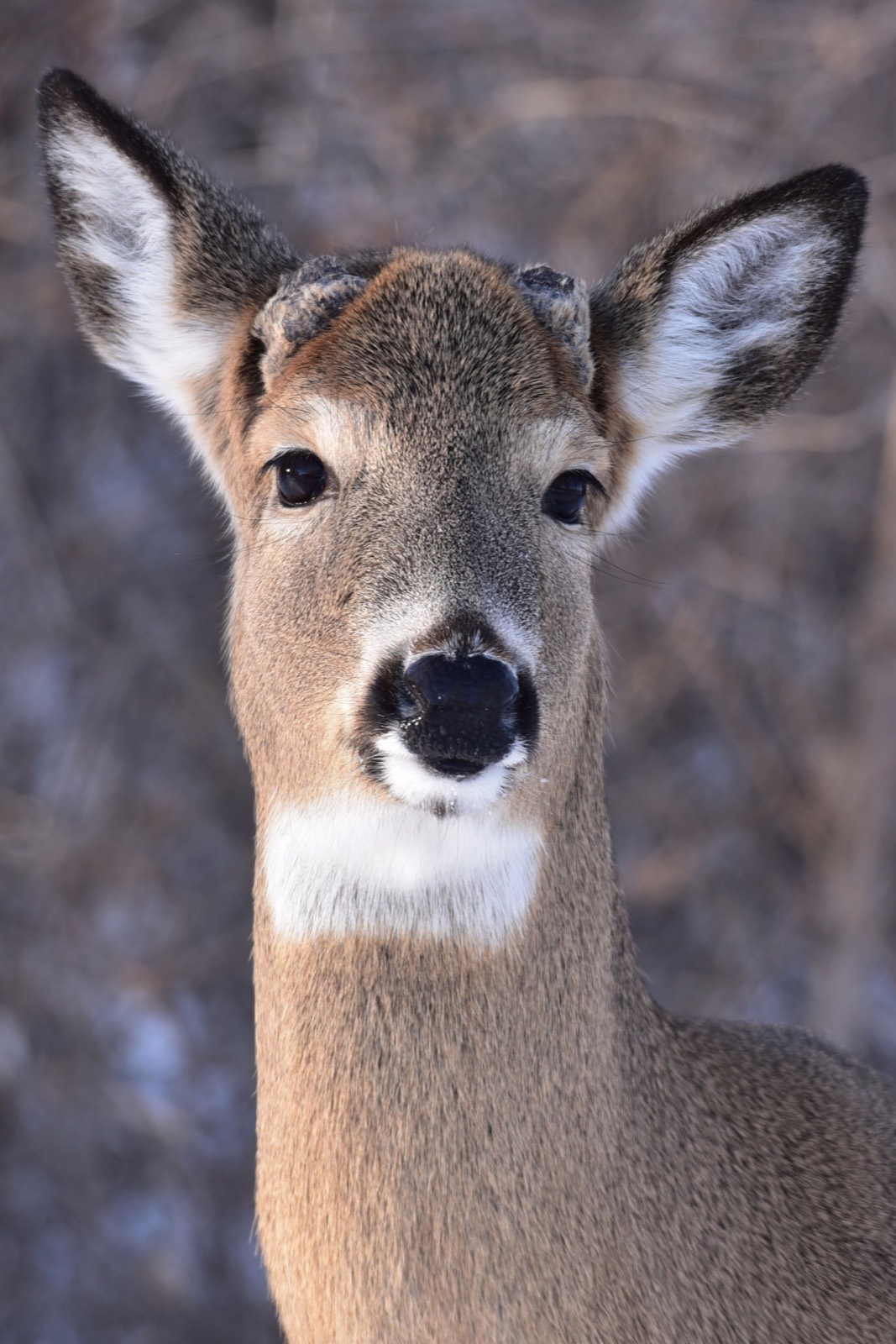
Whitetail Deer
The coat of the Whitetail Deer is golden brown to tan in summer and grayish in winter, made up of hollow insulating hairs. Graceful species with big ears, long legs, and pointed hooves. Adult male antlers are broad and branching. The tail is brown above and white below. Males' average weight is 150 pounds (up to 250+ lbs), whereas females average 110 pounds, reaching about 71 inches in total length.
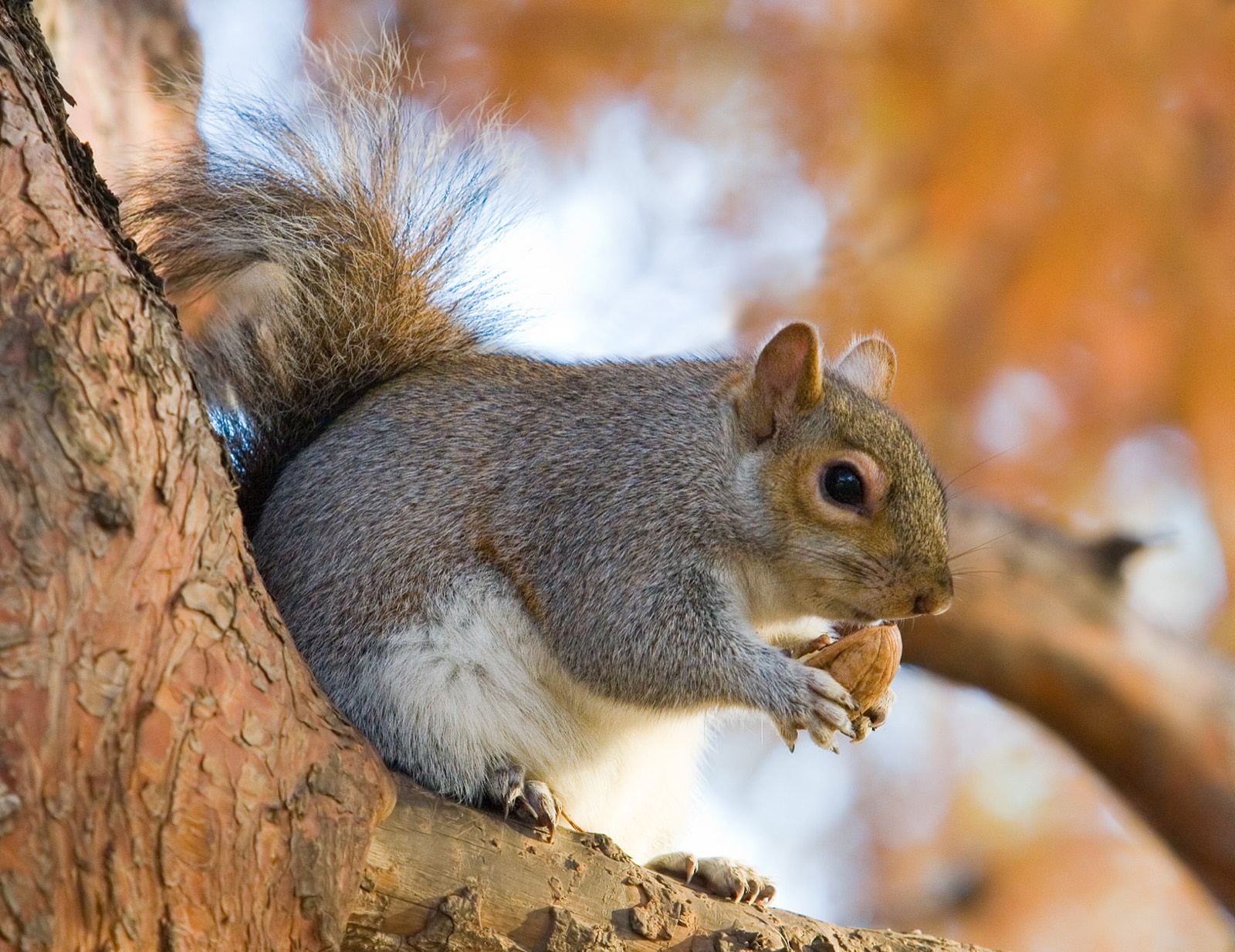
Gray Squirrel
Gray squirrels weigh about 1 to 1.5 pounds with a 16 to 21 inches length. Gray squirrels eat a variety of hard mast including acorns, beechnuts, mushrooms, maple seeds, and field corn. The Connecticut gray squirrel is the most common squirrel in the state, with silvery gray fur and white underparts.
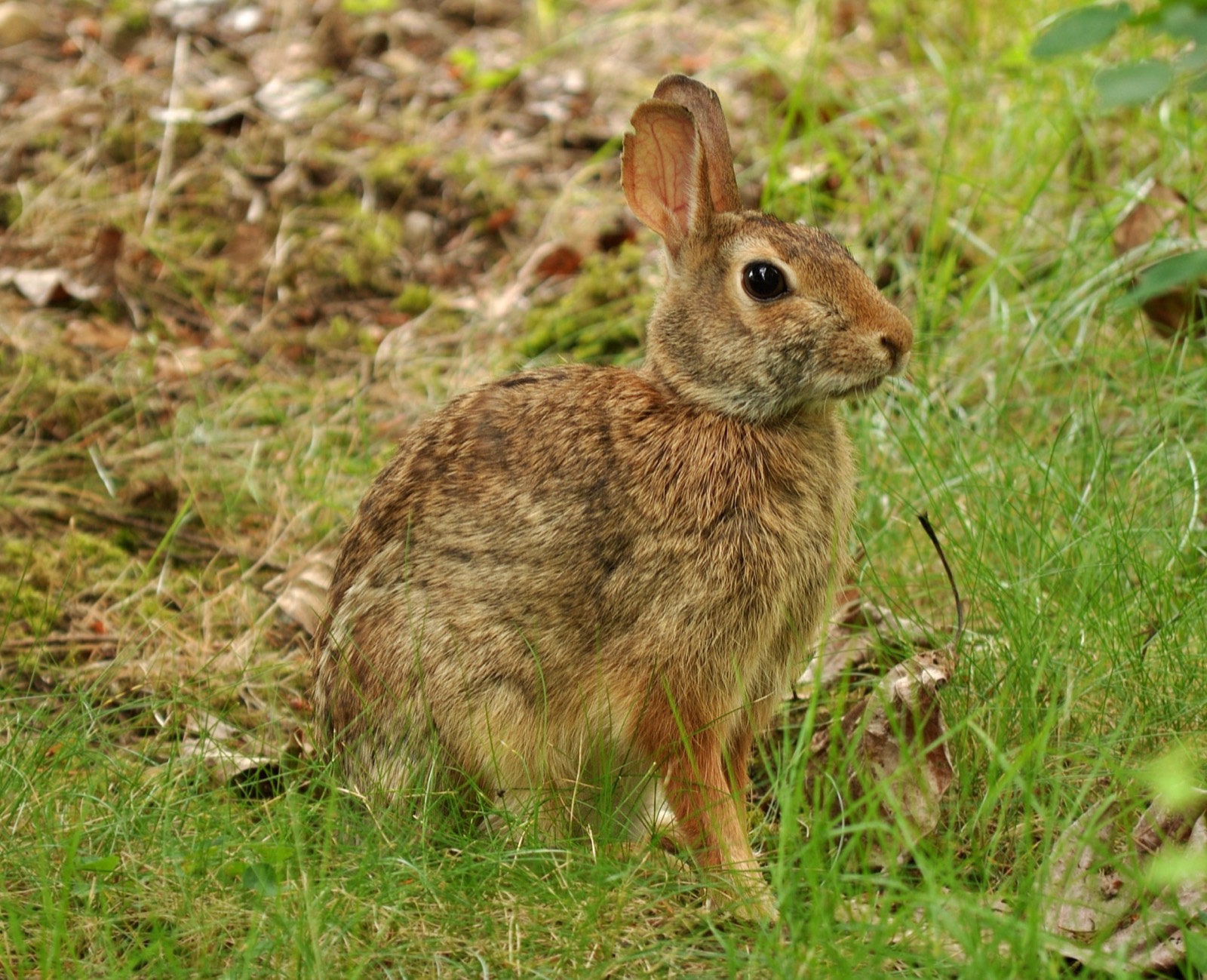
Cottontail Rabbits
Two distinct species inhabit Connecticut: the native New England cottontail (focal conservation species inhabiting young dense thickets) and the introduced Eastern cottontail, common in brush piles, old fields, and suburban borders.
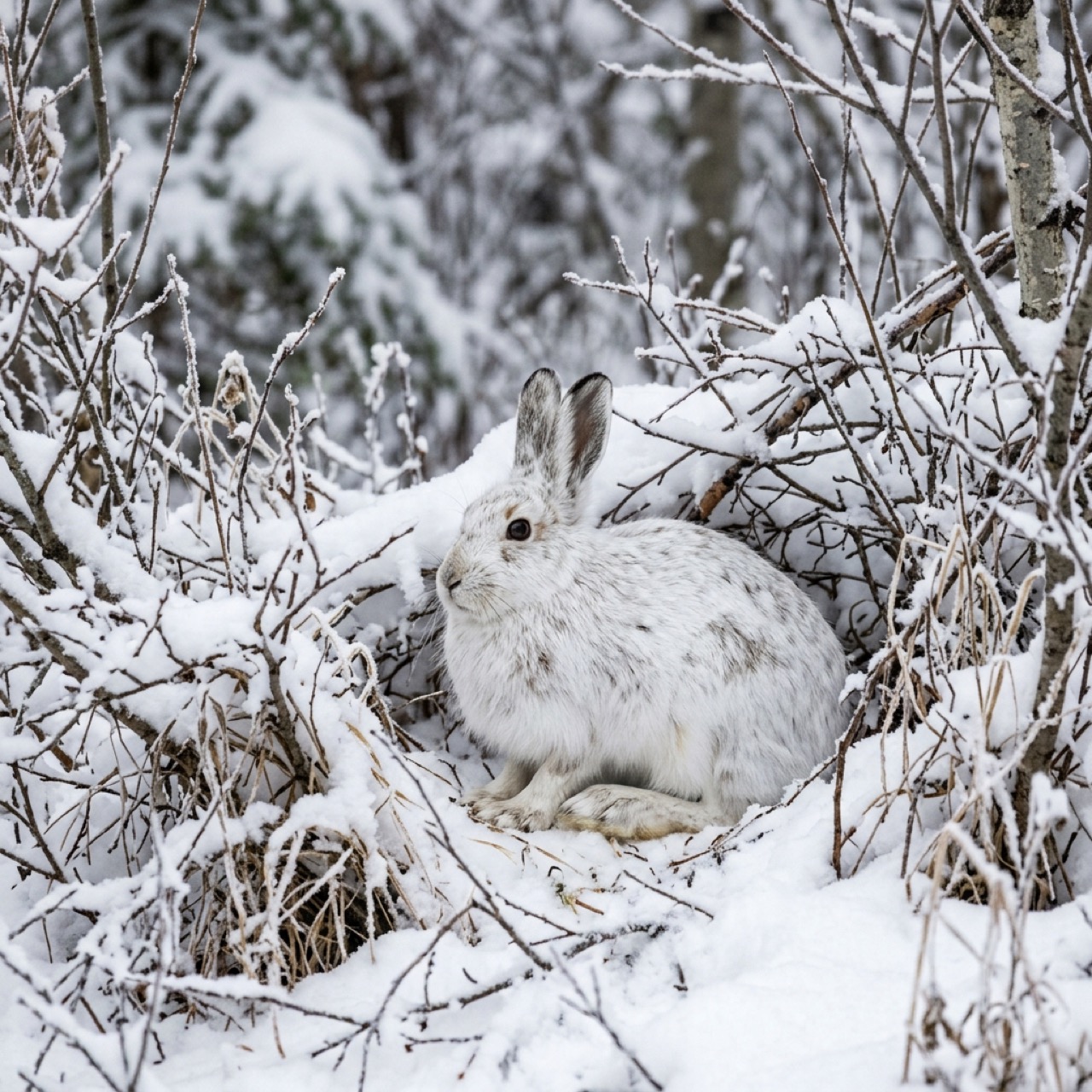
Snowshoe Hare
Snowshoe Hare is a native species of northern and high-elevation Connecticut. Adults measure 18 to 20 inches, molting from brown in summer to pure white in winter to blend into deep mountain snow in the northwestern highlands.
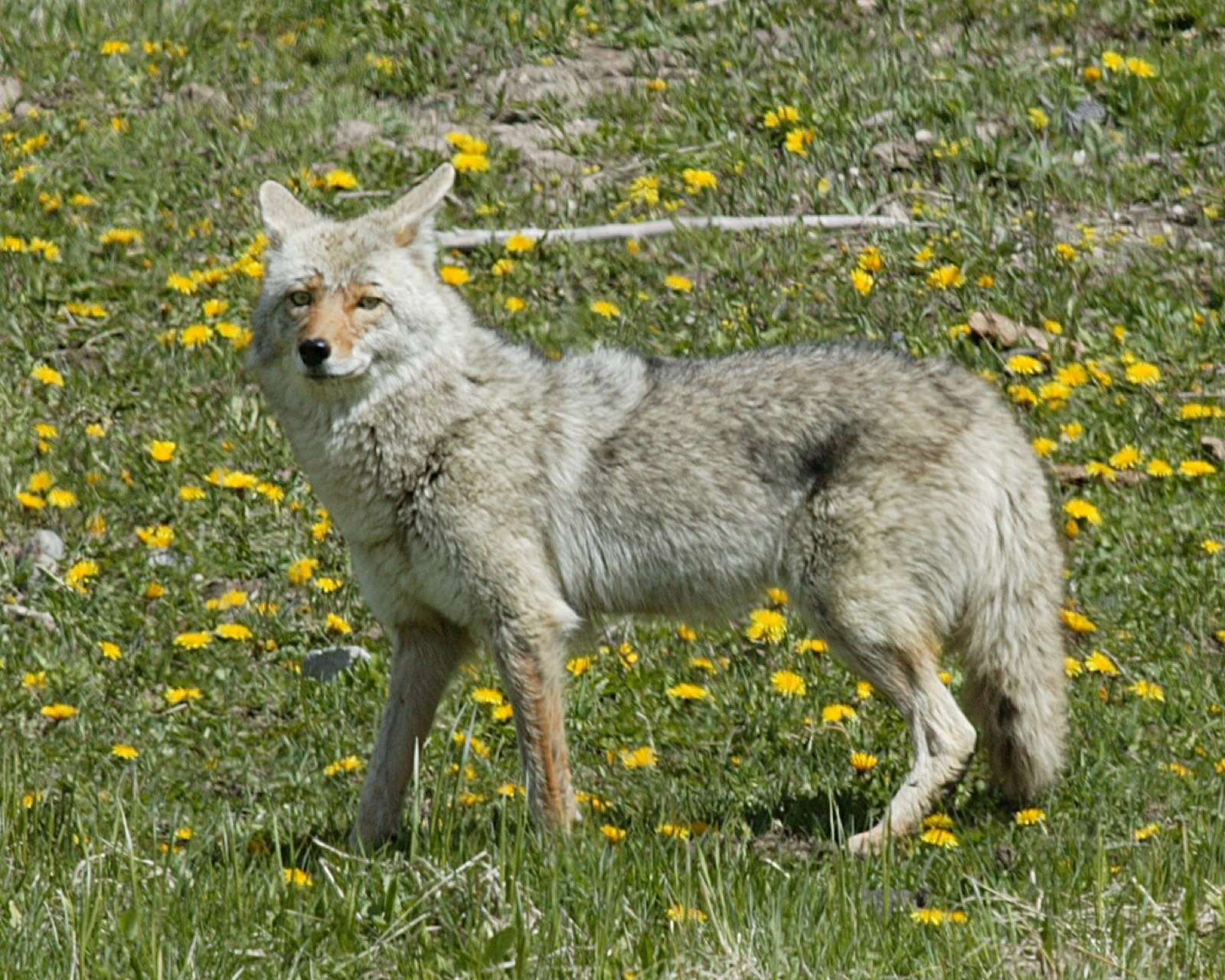
Coyote
Coyotes have wide, pointed ears, a long muzzle, yellow eyes, slim legs, and small feet. Weighing 30 to 45 lbs, eastern coyotes are larger than western counterparts and hunt throughout rural, agricultural, and forested areas.
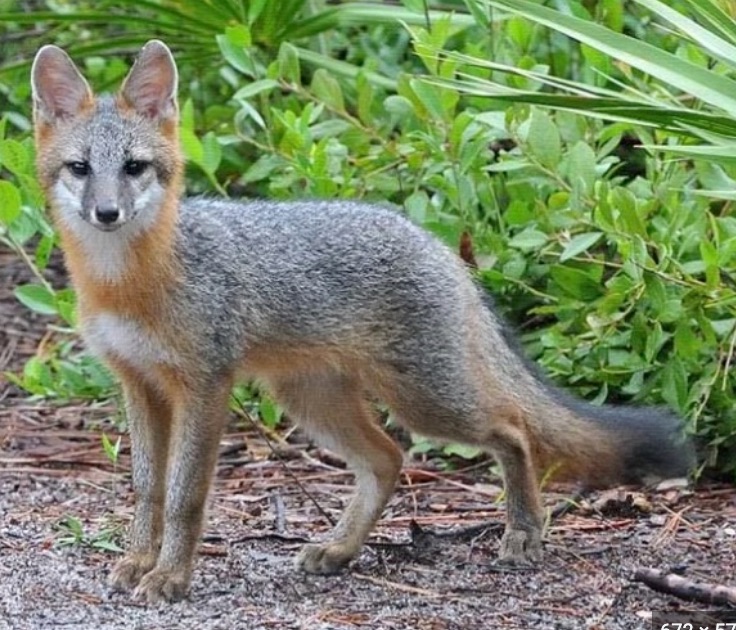
Gray Fox
Gray Fox weight ranges from 7 to 14 pounds and grows 32 to 45 inches long. Possessing semi-retractable claws, gray foxes are unique among American canids for their ability to climb trees to forage or escape predators.
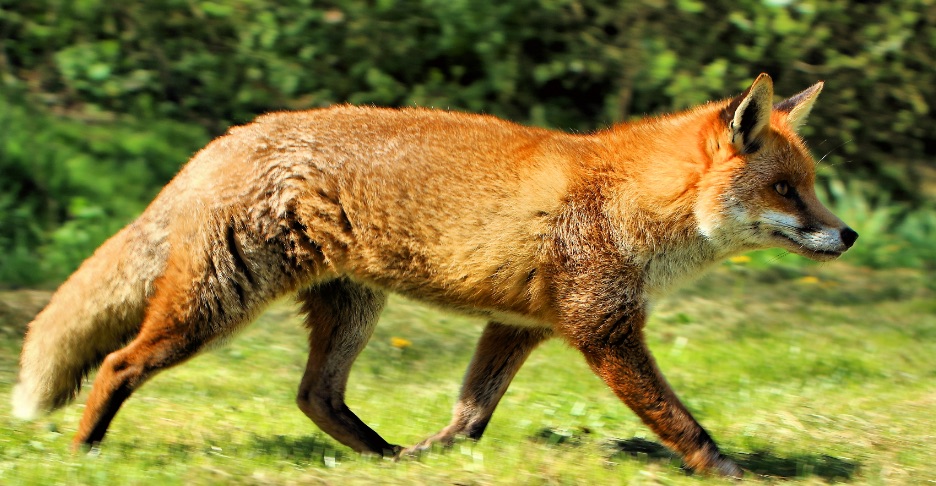
Red Fox
Characterized by a bright reddish-orange coat, black 'stocking' legs and ears, and a long bushy white-tipped tail. Highly skilled rodent hunter of agricultural pastures and brushy edges.
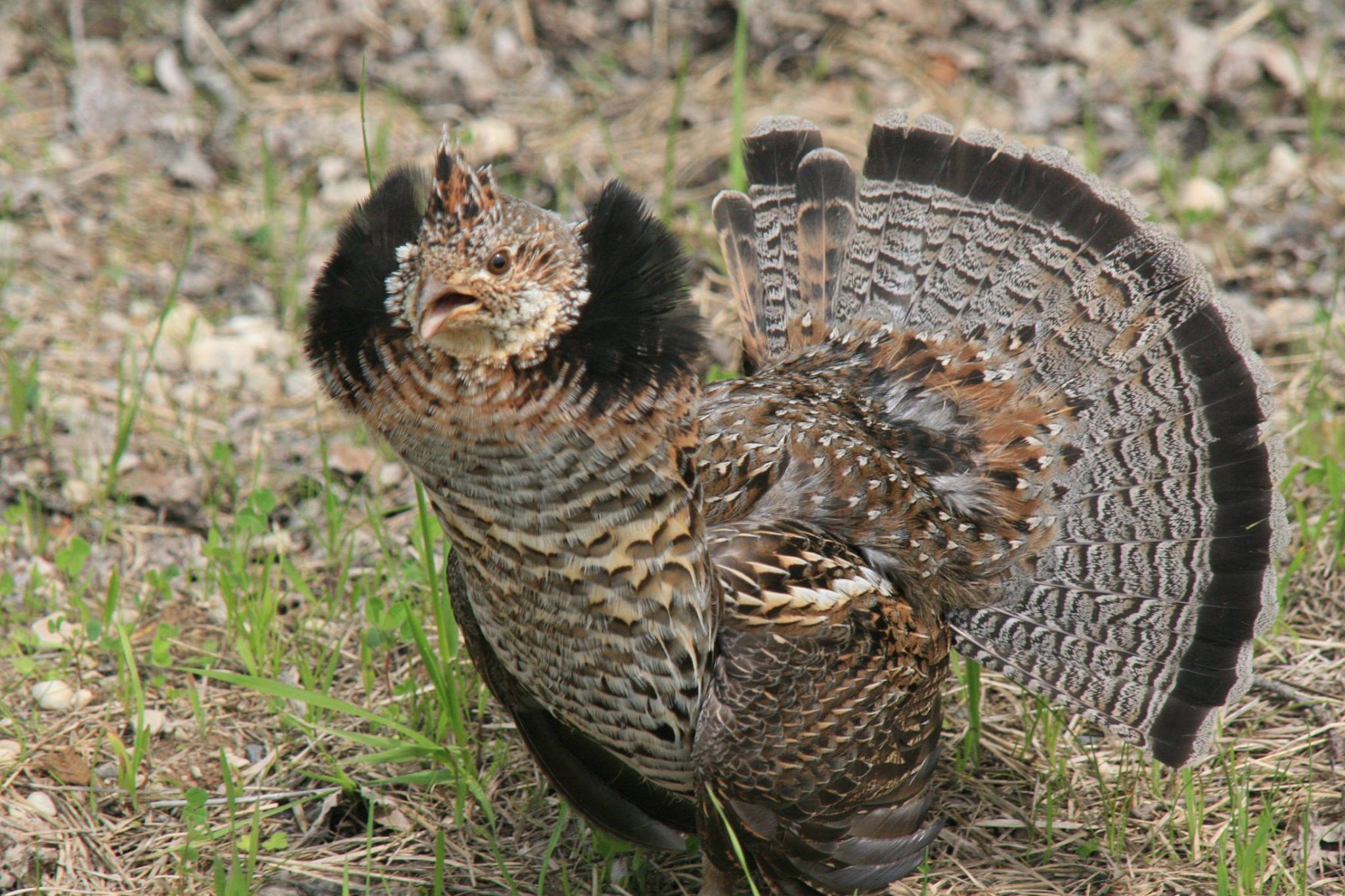
Ruffed Grouse
A long-time native resident of Connecticut's young forest stands, overgrown orchards, and mountain laurel ridges in the northern hills.
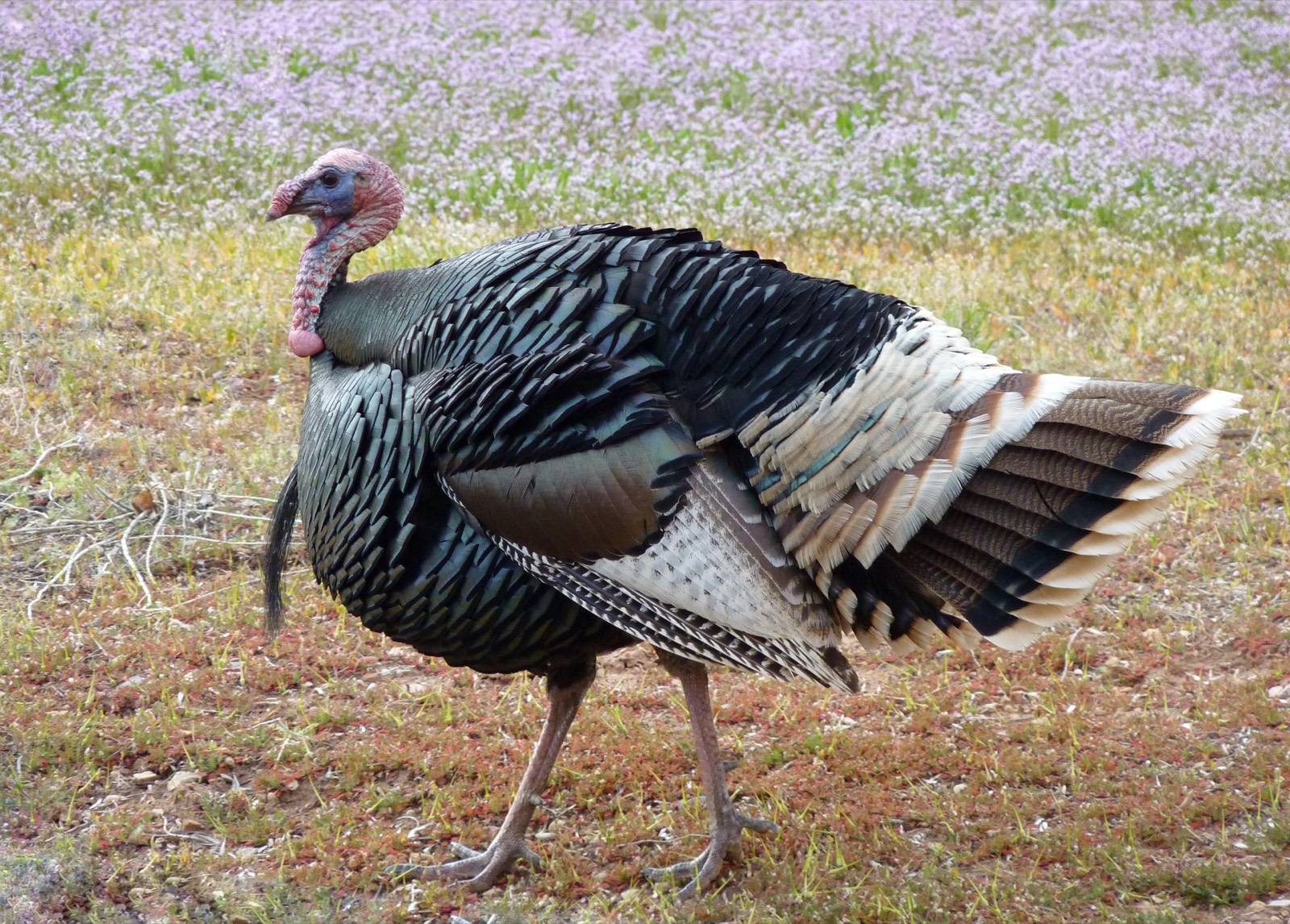
Eastern Wild Turkey
Reintroduced in the 1970s, wild turkeys now inhabit all eight Connecticut counties, feeding on acorns, beechnuts, and waste grain.
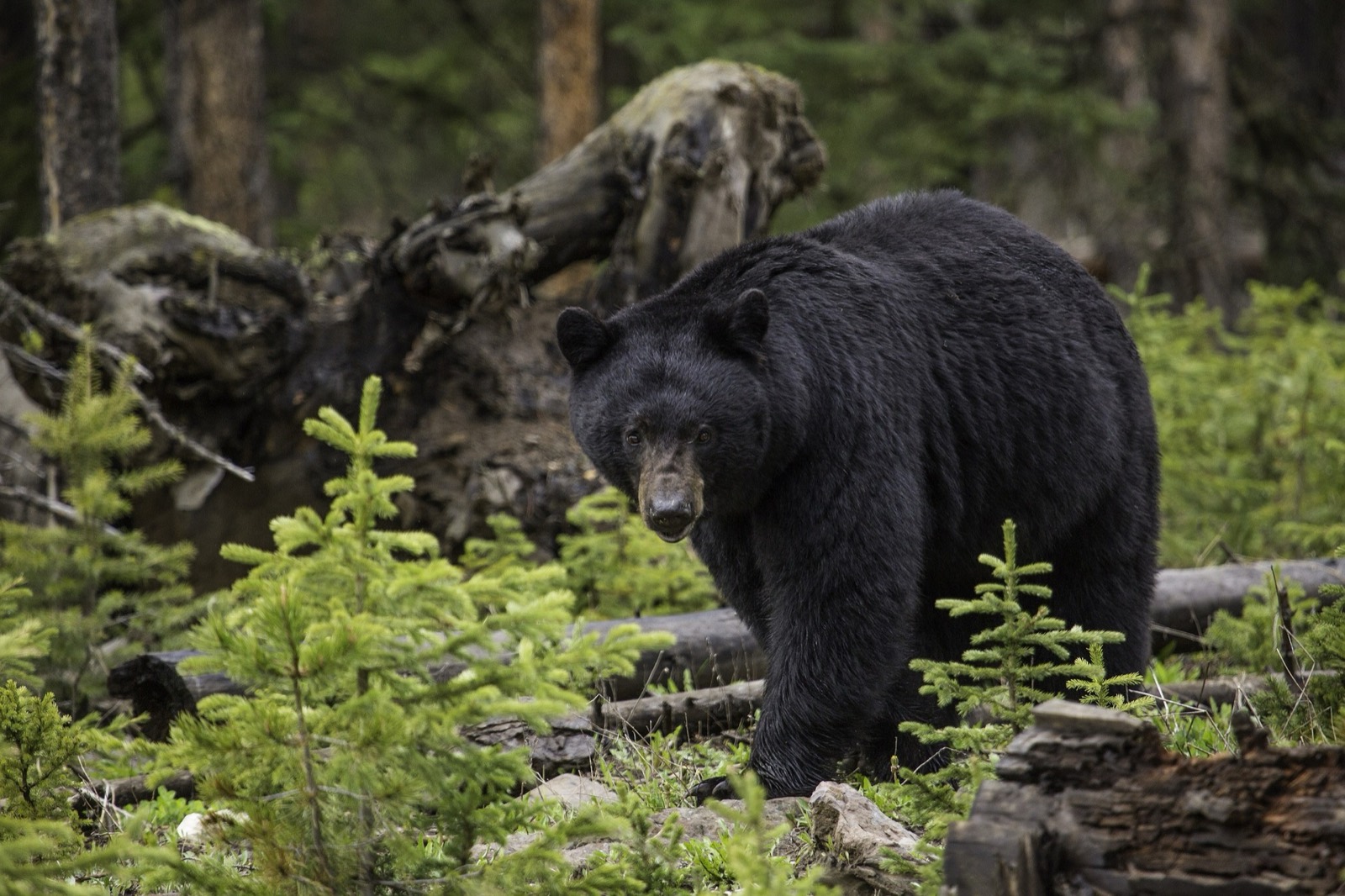
American Black Bear
Connecticut's black bear population has experienced a dramatic expansion, now estimated at over 1,000 bears centered in the northwestern hardwood forests.
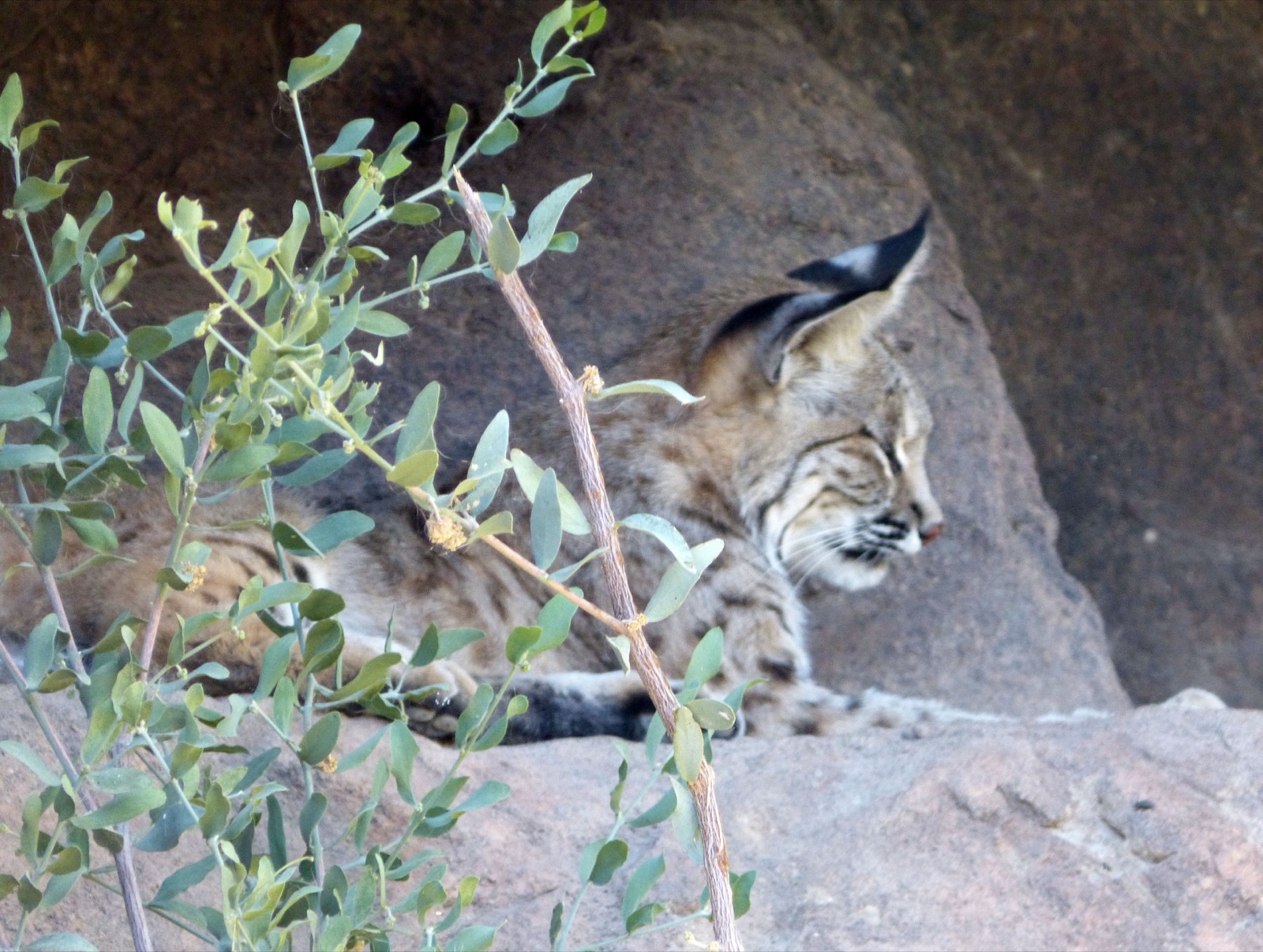
Bobcat
Secretive, muscular native predator with spotted fur, tufted ears, and a short bobbed tail, thriving across Connecticut's rocky ridges.