Connecticut
Dense whitetail deer populations in New England hardwood forests, upland woodcock covers, and coastal waterfowl.
Connecticut - Nutmeg State Woodlands & Coastal Covers
Hunting Opportunities Connecticut
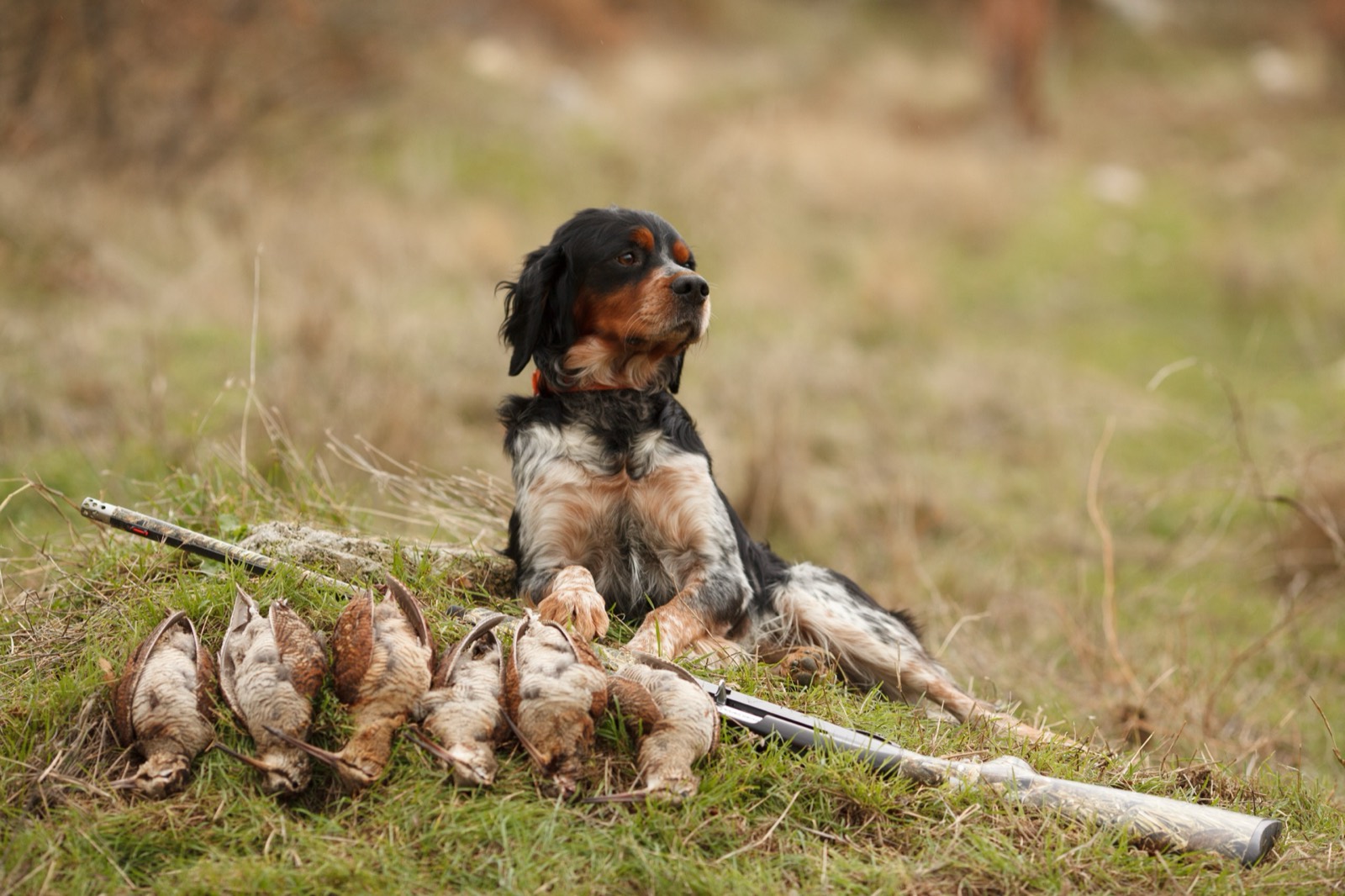
Connecticut is situated in the northeastern United States, bordered by Massachusetts to the north, Rhode Island to the east, and New York to the west. The Long Island Sound lies to the south of the state. The terrain of Connecticut is primarily flat or rolling hills with lowlands in the south and hilly uplands and mountains in the north. The highest point in Connecticut is Bear Mountain, which has an elevation of 2,316 feet (707 meters). The lowest point is the sea level at Long Island Sound. The state has various ecosystems, including forests, meadows, and wetlands. Connecticut’s forests are made up of a variety of woodland types, from the Northeast coastal forests of Oak in the south to the upland New England-Acadian woodlands in the northwest.
Connecticut’s rugged, rocky Atlantic Ocean shoreline comprises bays, inlets, tiny islands, river estuaries, and a few sandy beaches. The Connecticut River flows through the center of the state. The river is 407 miles long, draining into Long Island Sound to the south.
From the coastal lowlands, the land rises to the north into the heart of the state’s central hills and low mountains. Eastern Connecticut is mountainous, heavily forested, and crisscrossed by sluggish river valleys. In the west, the Appalachian Mountains run north through the state into western Massachusetts.
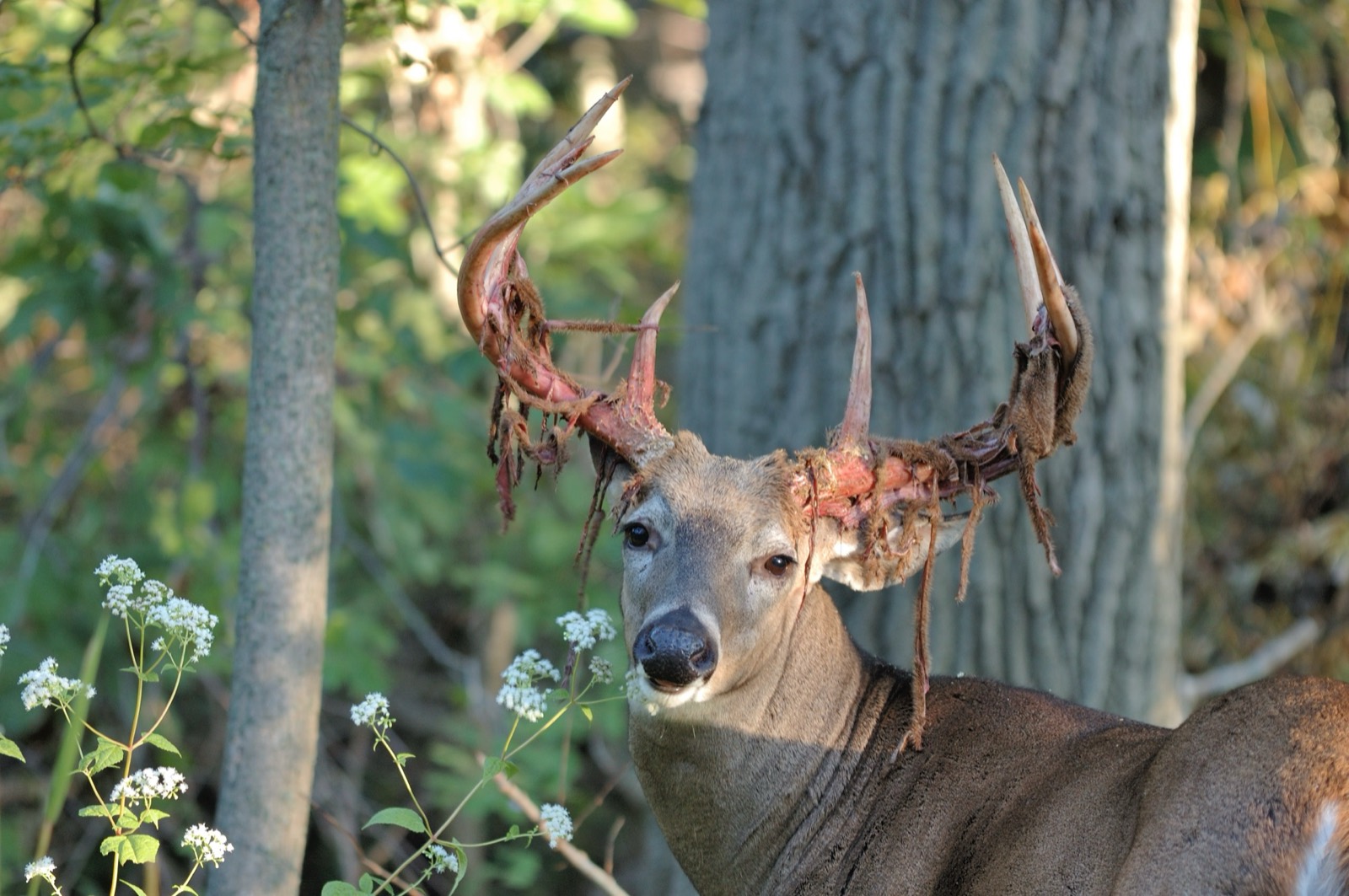
The fauna of Connecticut includes a variety of animals, such as Whitetail Deer, black bears, coyotes, bobcats, and red foxes. There are also several species of birds, including robins, cardinals, blue jays, and hawks. In addition, Connecticut has several different fish species, such as bass, trout, and salmon.
The climate of Connecticut is temperate, with cold winters and warm, humid summers. The state’s average annual temperature is about 52 degrees Fahrenheit (11 degrees Celsius).
Hunting is a popular activity in Connecticut with various game animals, including deer, turkey, waterfowl, and small game. The state has several public and private hunting areas available for hunters to use and wildlife management areas that provide excellent habitats for these species.
Top Hunting Attractions in Connecticut
Discover the premier wildlife management areas, big game habitats, and renowned wingshooting regions across Connecticut.
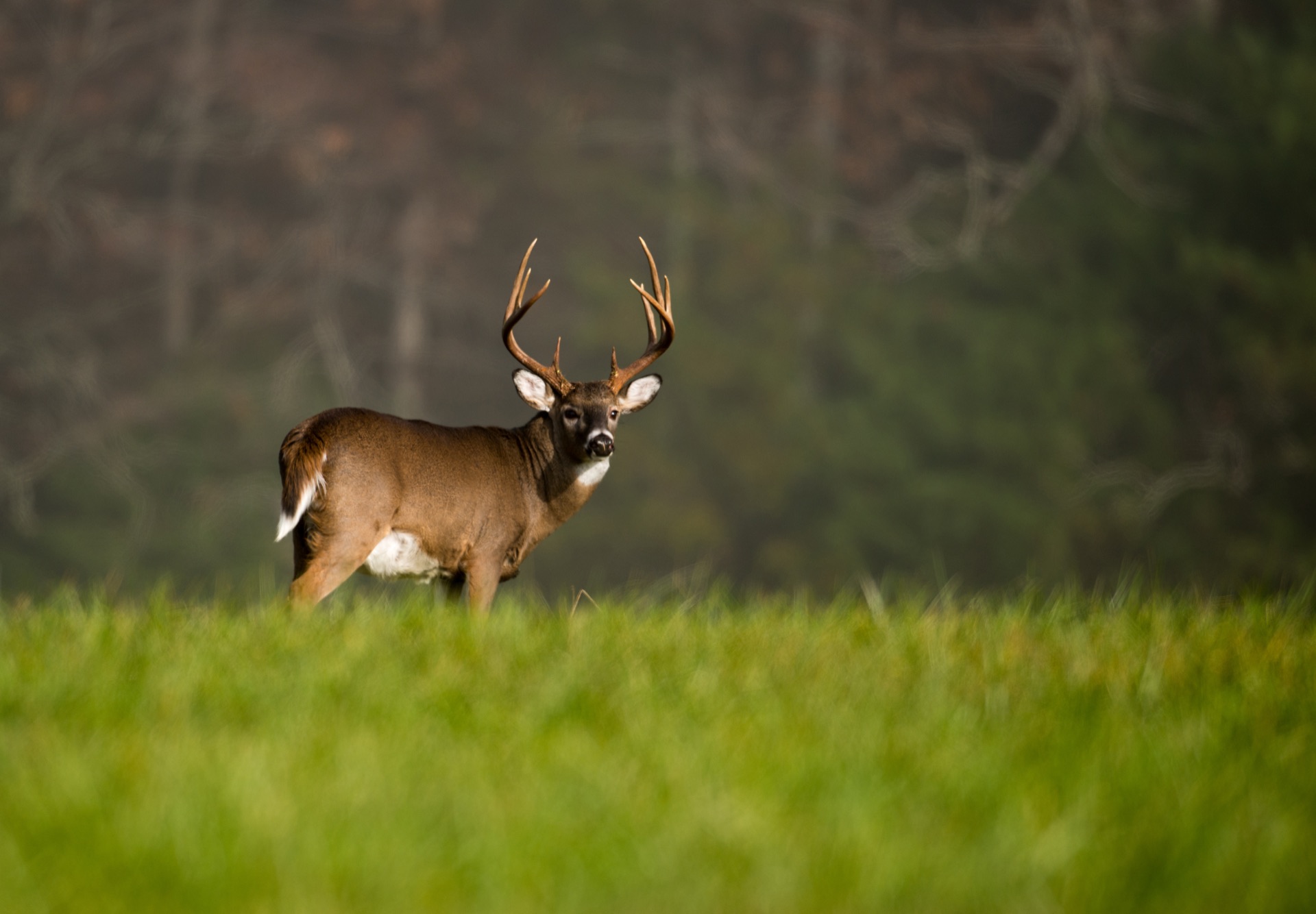
Litchfield Hills & Housatonic River Valley Whitetails
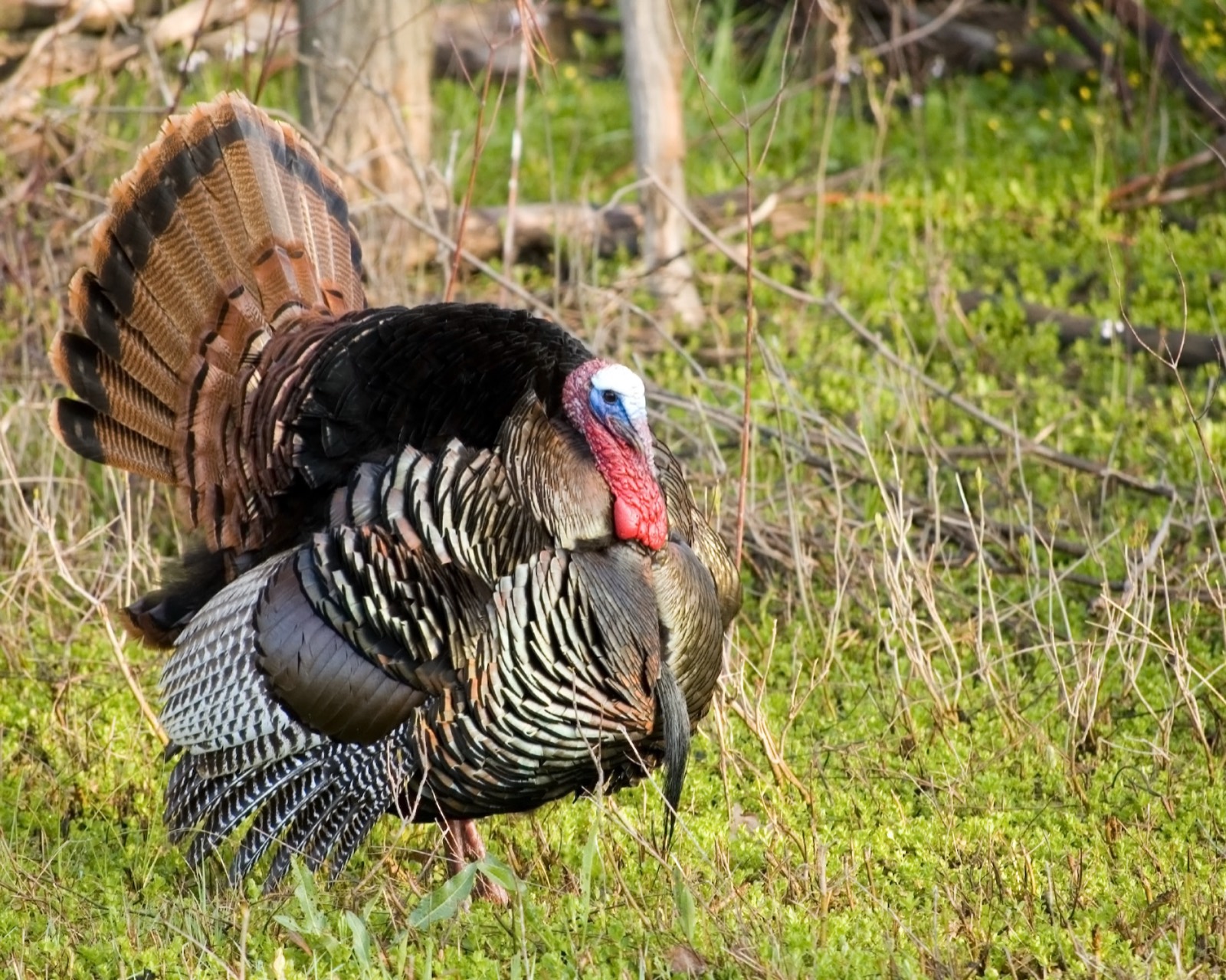
Pachaug State Forest & Eastern Hardwoods
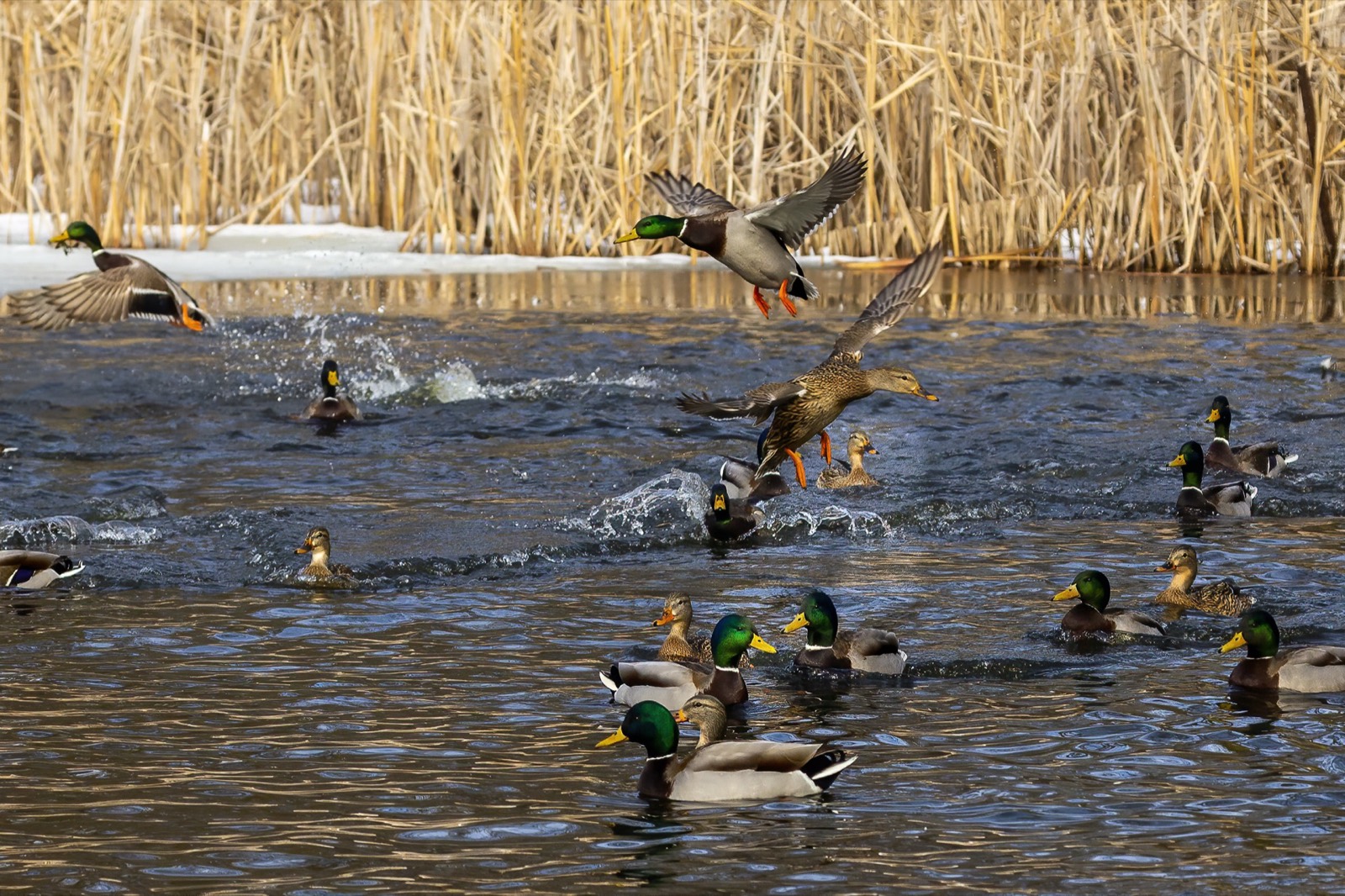
Long Island Sound Coastal Sea Ducks & Waterfowl
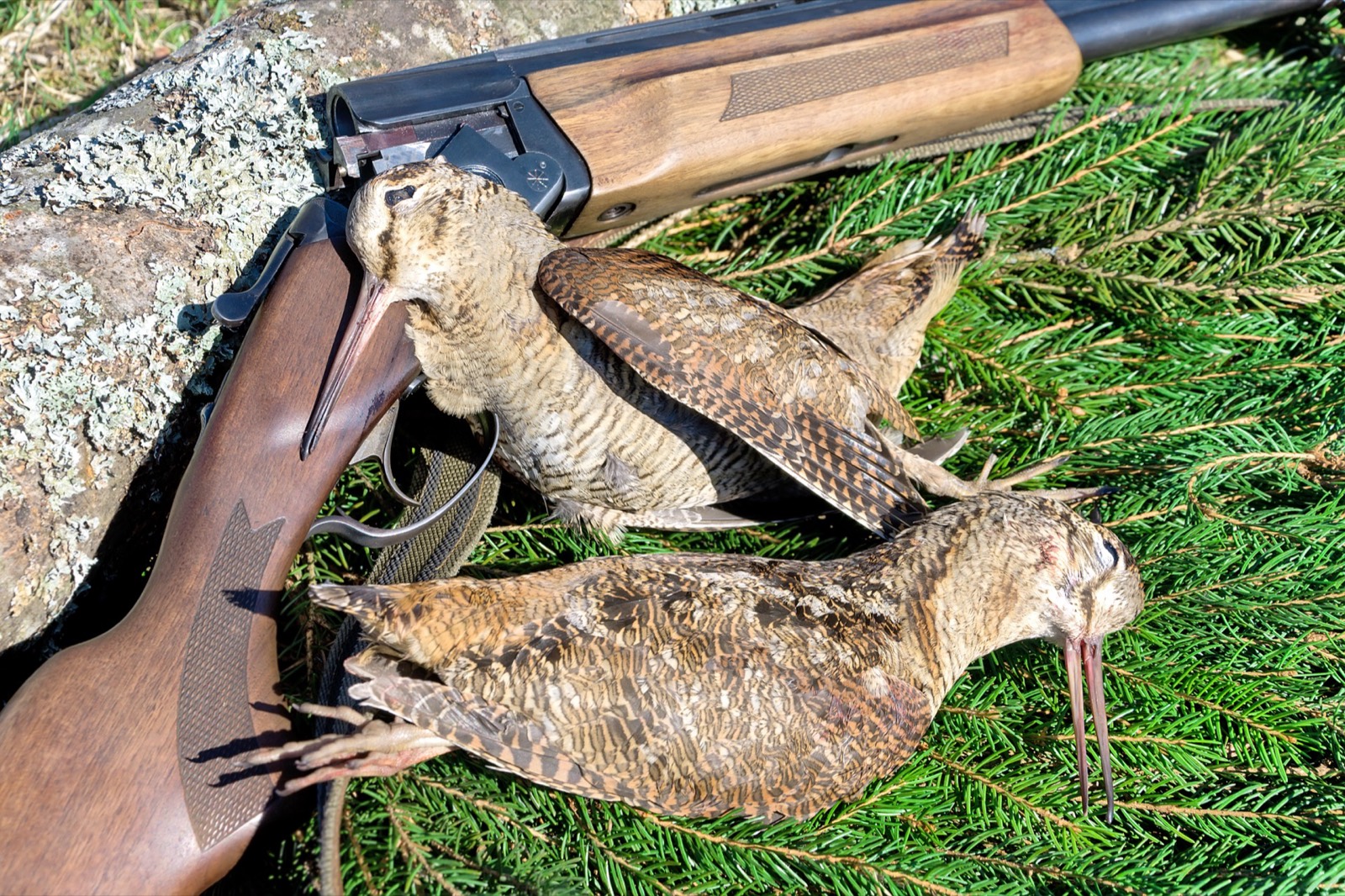
State Forest Timberdoodle & Upland Covers
Hunting Benefits
Hunter's Bottom Line
Connecticut provides surprisingly robust whitetail deer hunting opportunities in Southern New England, characterized by high deer densities in private suburban zones and expansive public tracts in the northwest and eastern state forests.
The Connecticut Department of Energy and Environmental Protection (DEEP) manages distinct deer management zones. In high-density Zones 11 and 12 (coastal and southwestern areas), liberal bonus antlerless tags and extended archery seasons stretching into January offer exceptional venison harvest opportunities.
Firearm deer hunters on public state lands must hold a valid firearms license and state land deer lottery or no-lottery permit. Blaze orange requirements (minimum 400 square inches) are strictly enforced from September 1 through the end of February during all firearm hunting periods.
Waterfowl hunters on Long Island Sound and the Connecticut River estuary experience outstanding late-season flights of Atlantic flyway divers, black ducks, and Canada geese. Understanding tidal currents and cold-water boat safety is imperative when hunting coastal estuaries.