Colorado
The ultimate high-country destination. OTC archery elk, steep mule deer draws, and endless national forest acreage.
Native Species in Colorado
Official Regulatory Authority
Colorado Parks and Wildlife (CPW)
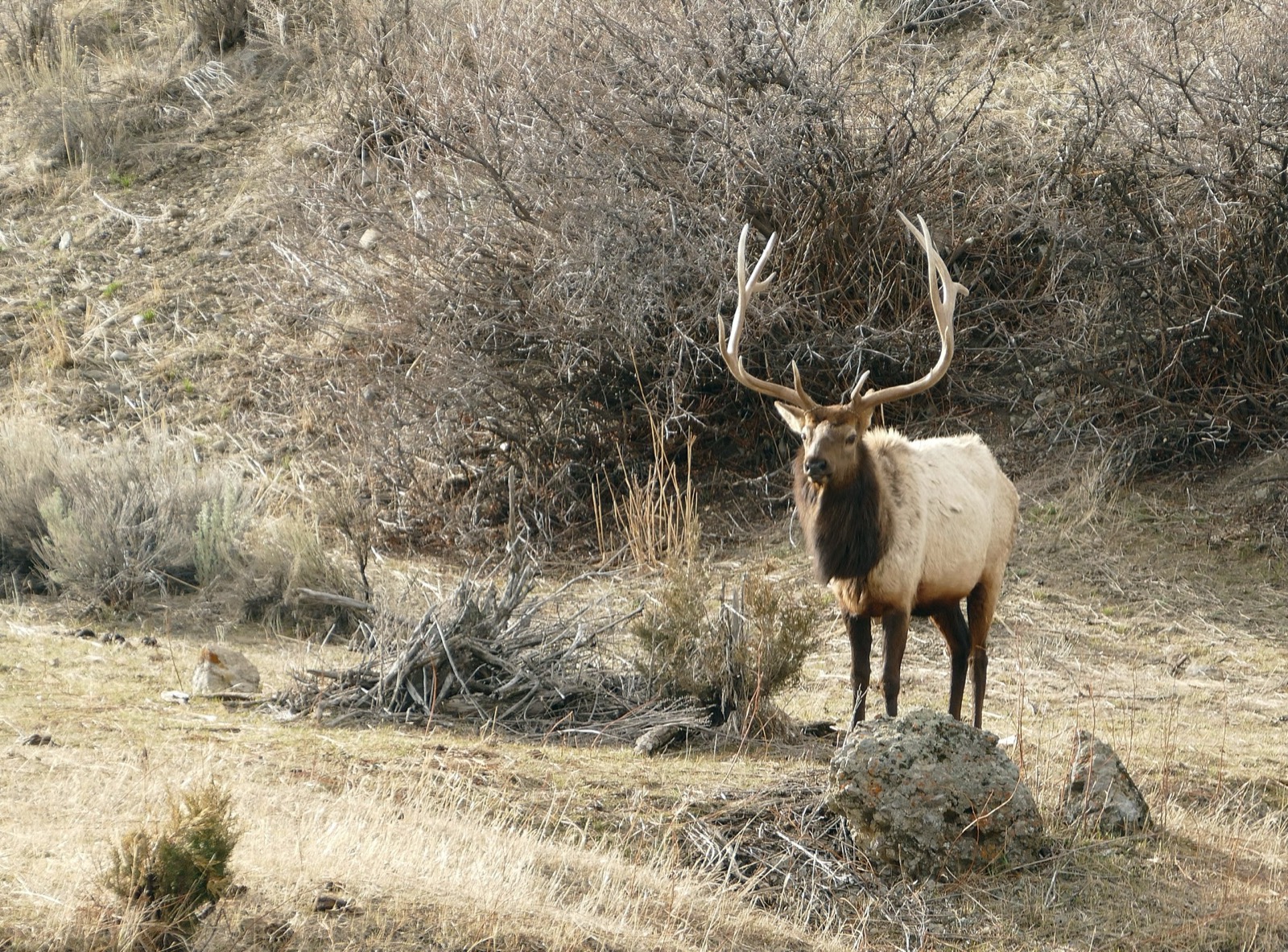
Rocky Mountain Elk
Elks have red, dark brown legs, a chestnut brown neck with antlers that are not palmated, and brow tines coming off the main beam. Colorado holds the largest elk population in the world, with over 280,000 animals migrating between high alpine summer tundra and valley winter ranges.
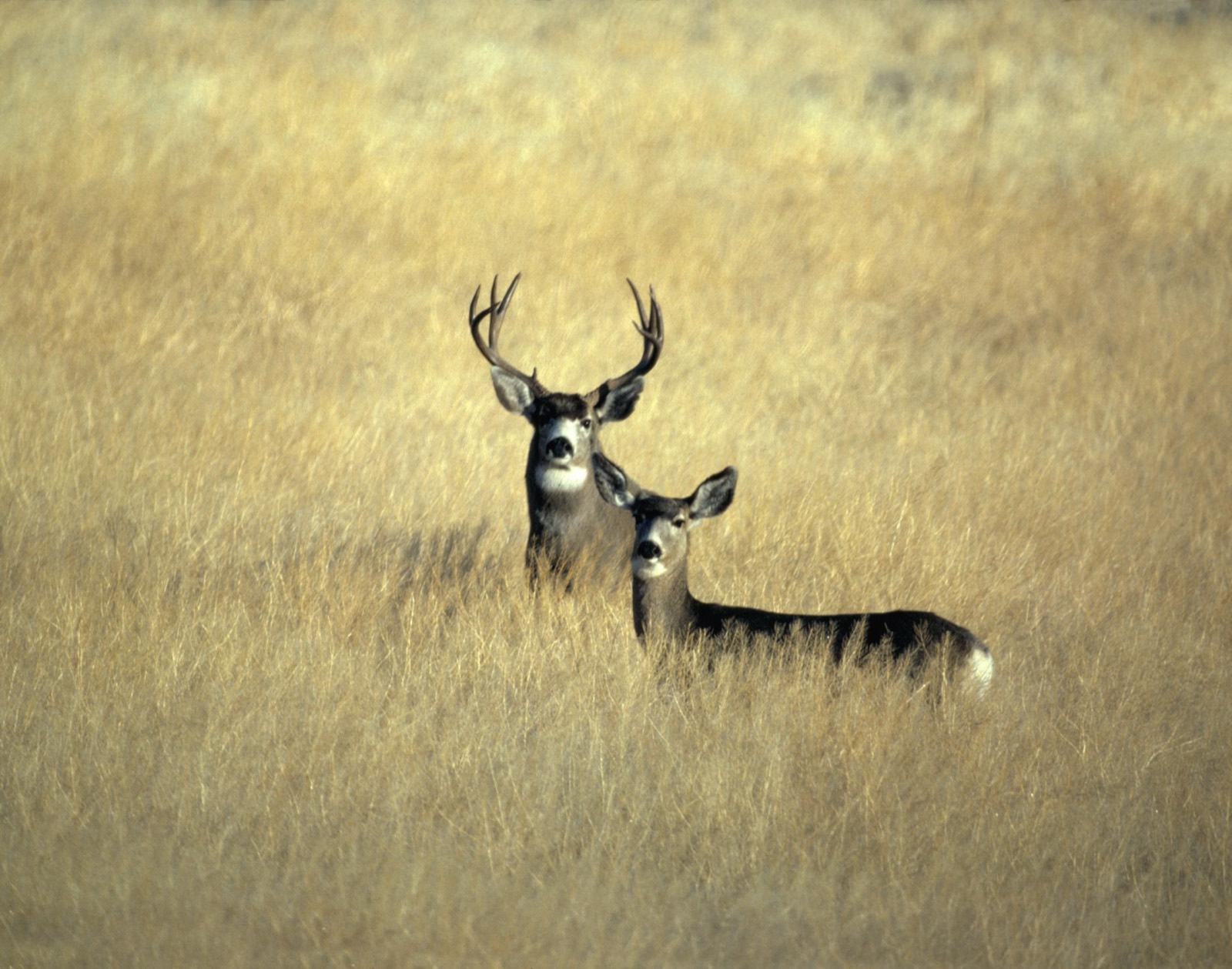
Mule Deer
Mule deer have black-tipped tails and white rump patches. Their ears are large, and they have bifurcated (forked) antlers. They thrive in pinyon-juniper woodlands, sagebrush basins, and mountain mahogany draws across the Western Slope.
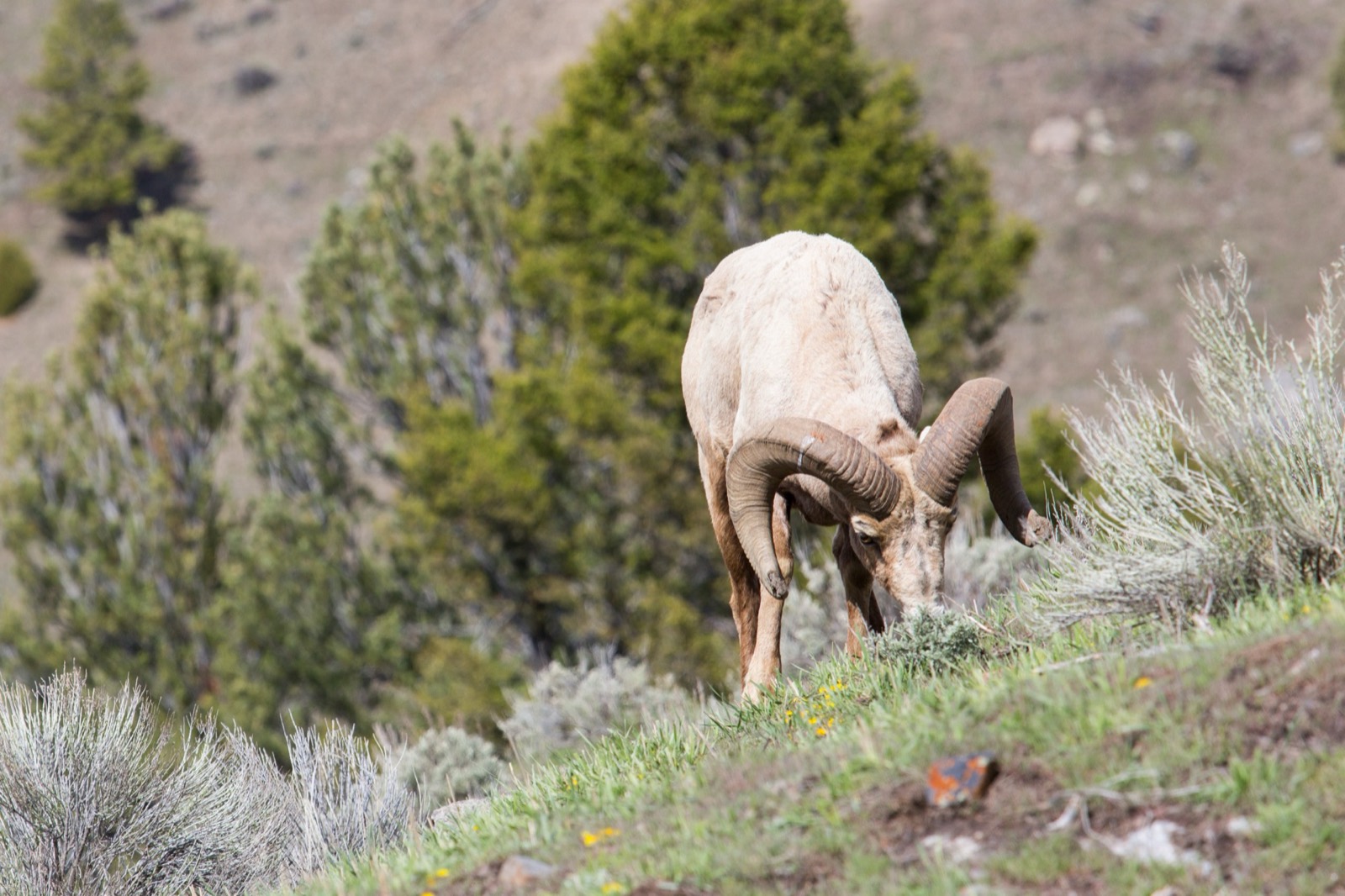
Rocky Mountain Bighorn Sheep
Colorado's official state animal has brown fur and white rumps. Their horns curve backward, and they have well-developed hooves for navigating sheer rock faces and vertical scree slopes on Colorado's highest fourteeners.
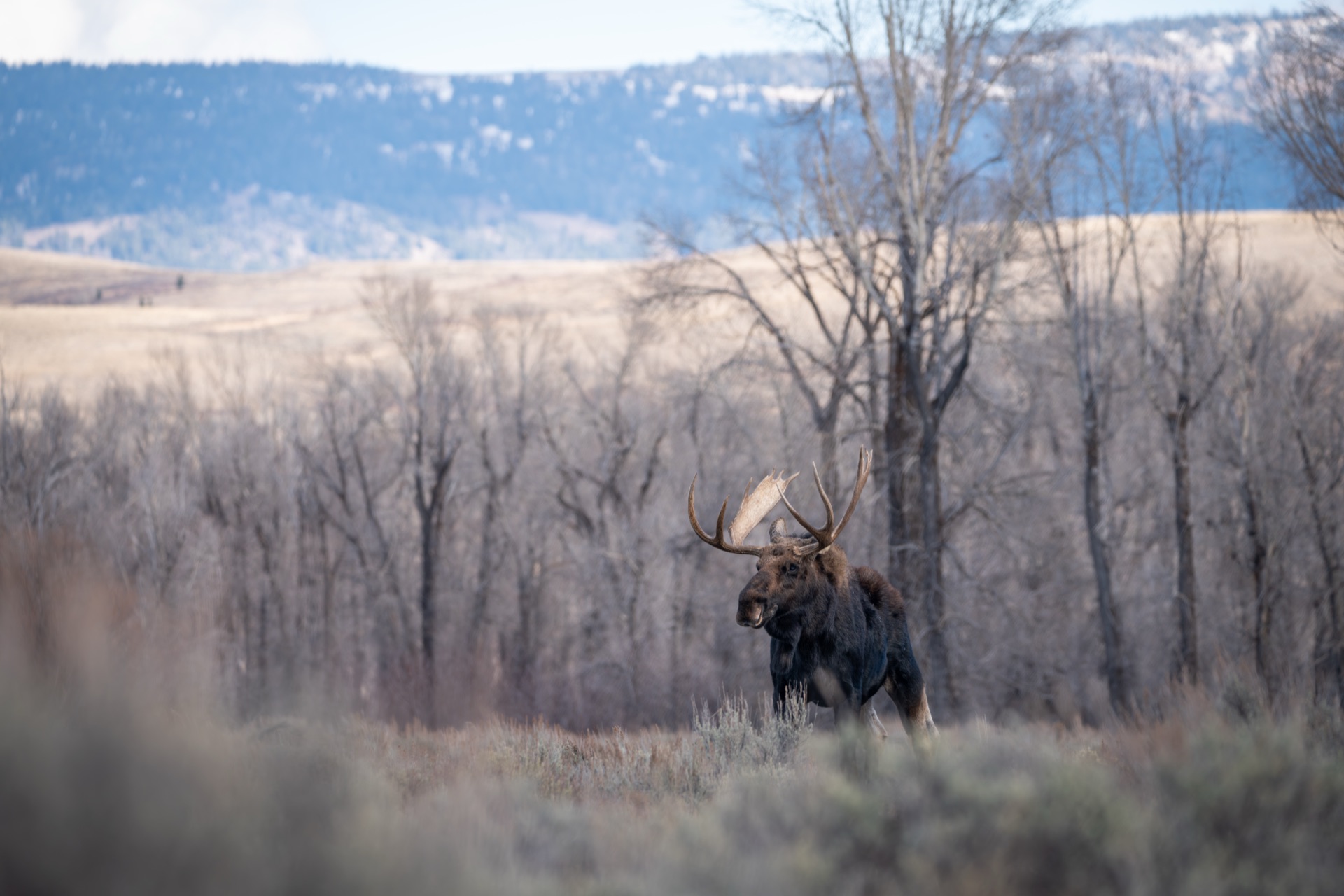
Shiras Moose
Moose are the largest member of the deer family. They have dark brown fur and a long, bulbous nose with broad palmate antlers on mature bulls. Highly successful reintroduction programs have established dense populations in North Park, the San Juans, and Grand Mesa.
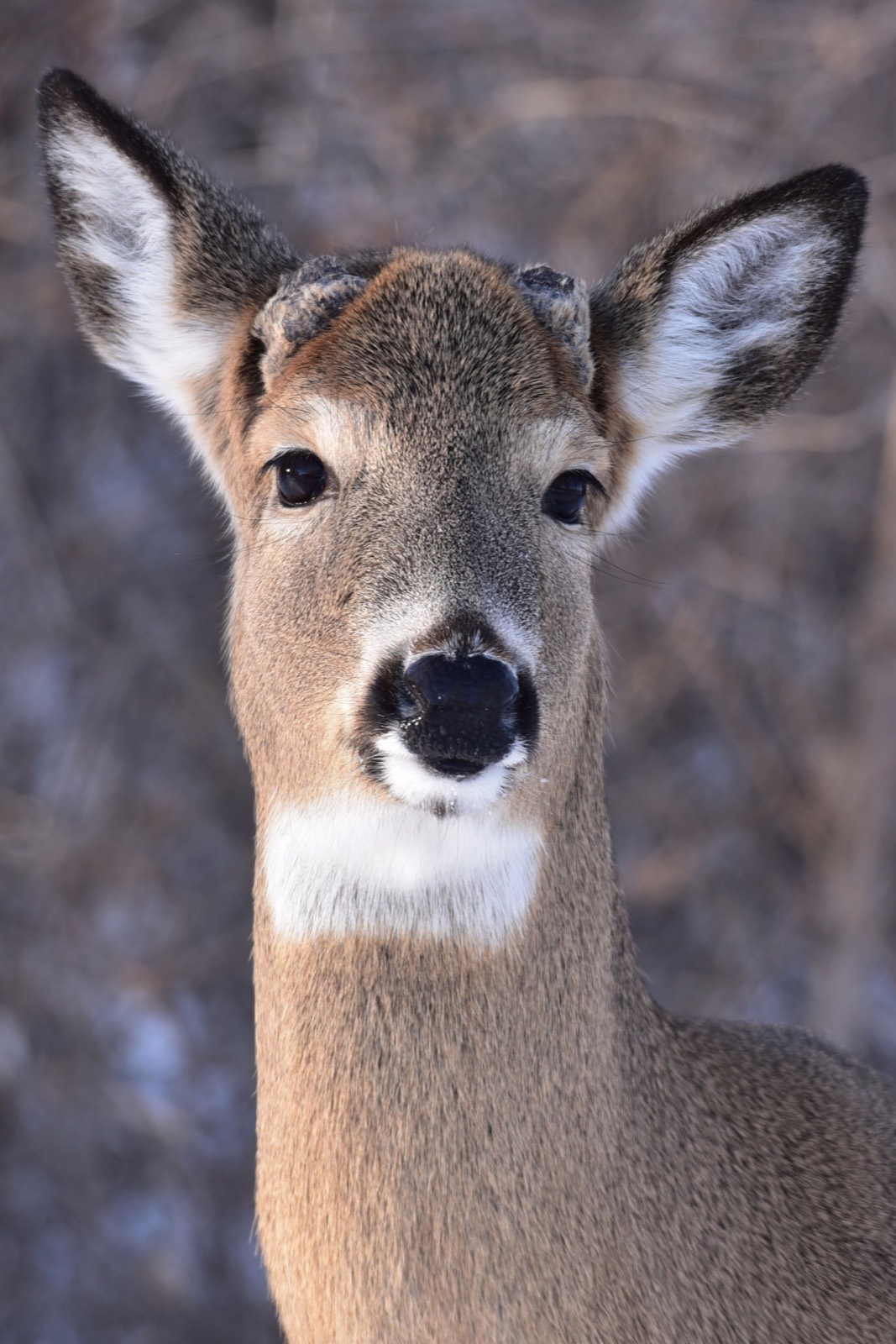
Whitetail Deer
Whitetail Deer have broad brown coats and prominent white undertails that flag when alarmed. Ears are smaller in proportion to the head than mule deer. Primarily distributed along cottonwood river corridors of the South Platte and Arkansas rivers on the eastern plains.
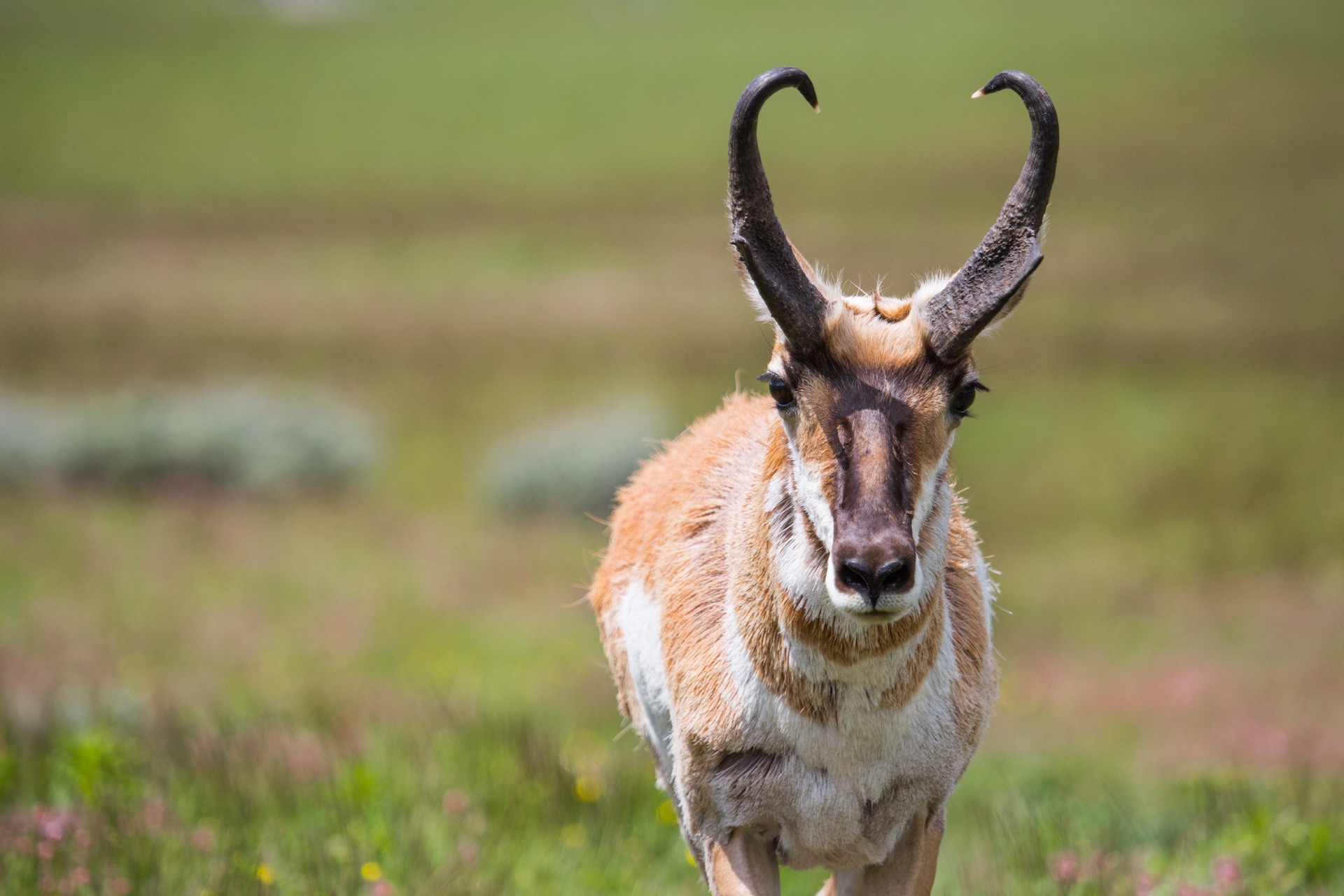
Pronghorn
Pronghorn has brown and white fur with black horns and distinct white throat bands. Males carry larger horned sheaths with forward prongs. Abundant throughout the eastern plains, South Park, and the high-altitude San Luis Valley.
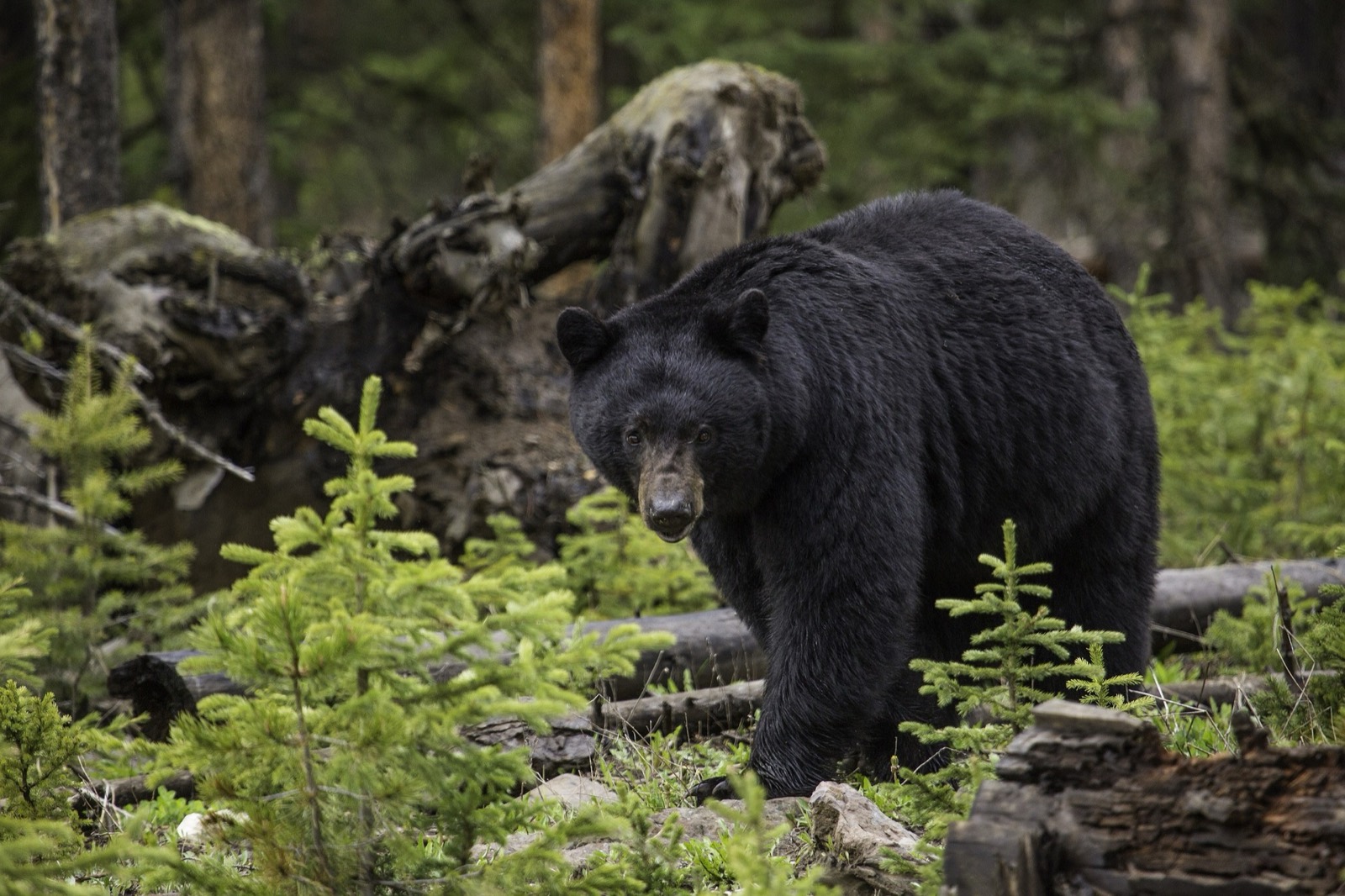
American Black Bear
Black Bear adults have long, thick hair, whereas yearlings may have thin, bleached-looking hair. Highly diverse in color phases, Colorado bears feed on chokecherries, gamble oak acorns, and serviceberries across mountain foothills.
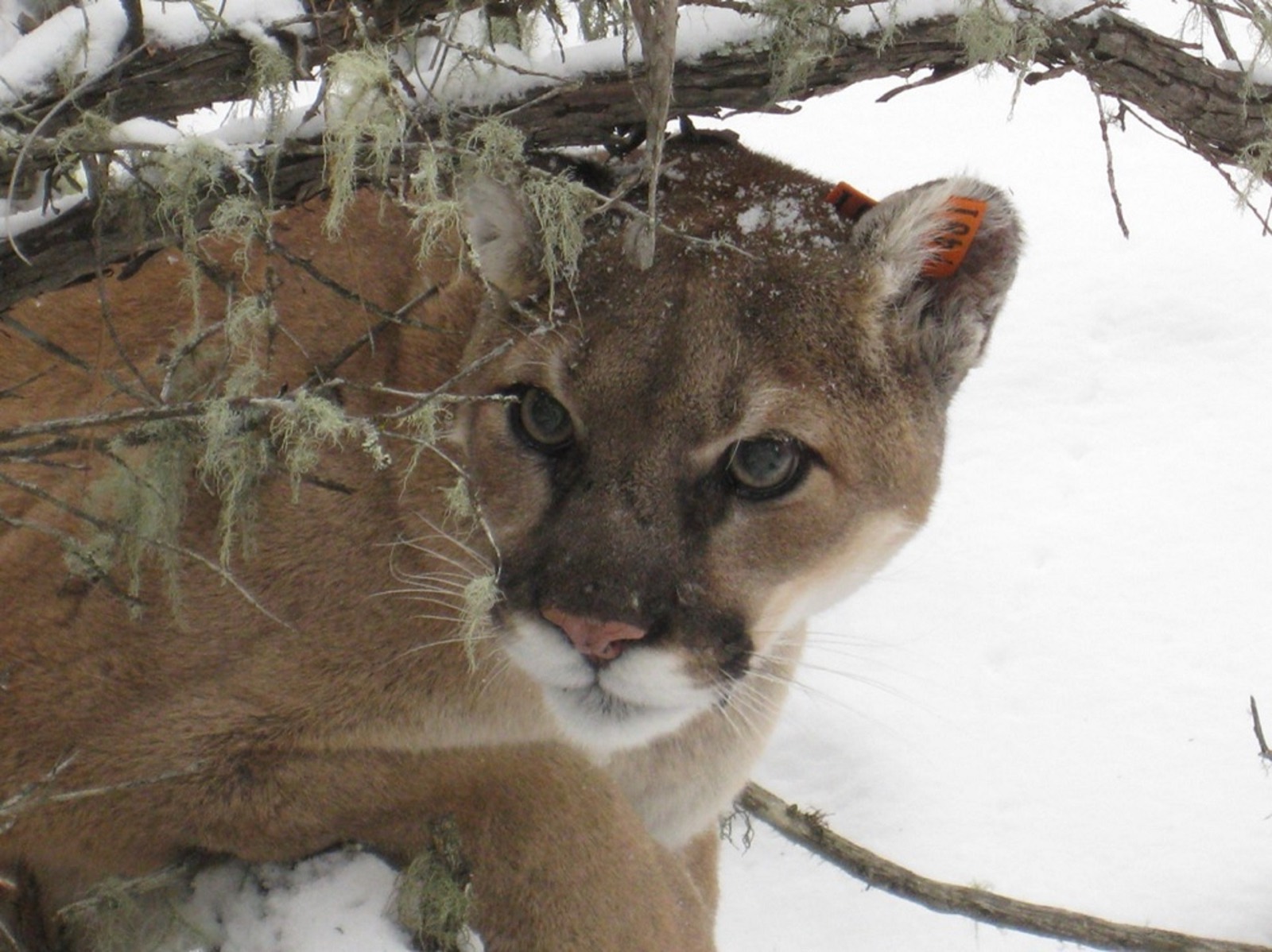
Mountain Lion (Cougar)
Solitary, secretive apex predator found throughout Colorado's foothills, canyon country, and mountain forests. Adult males weigh 130 to 180 lbs, keeping deer and elk herds alert across rugged rocky terrain.
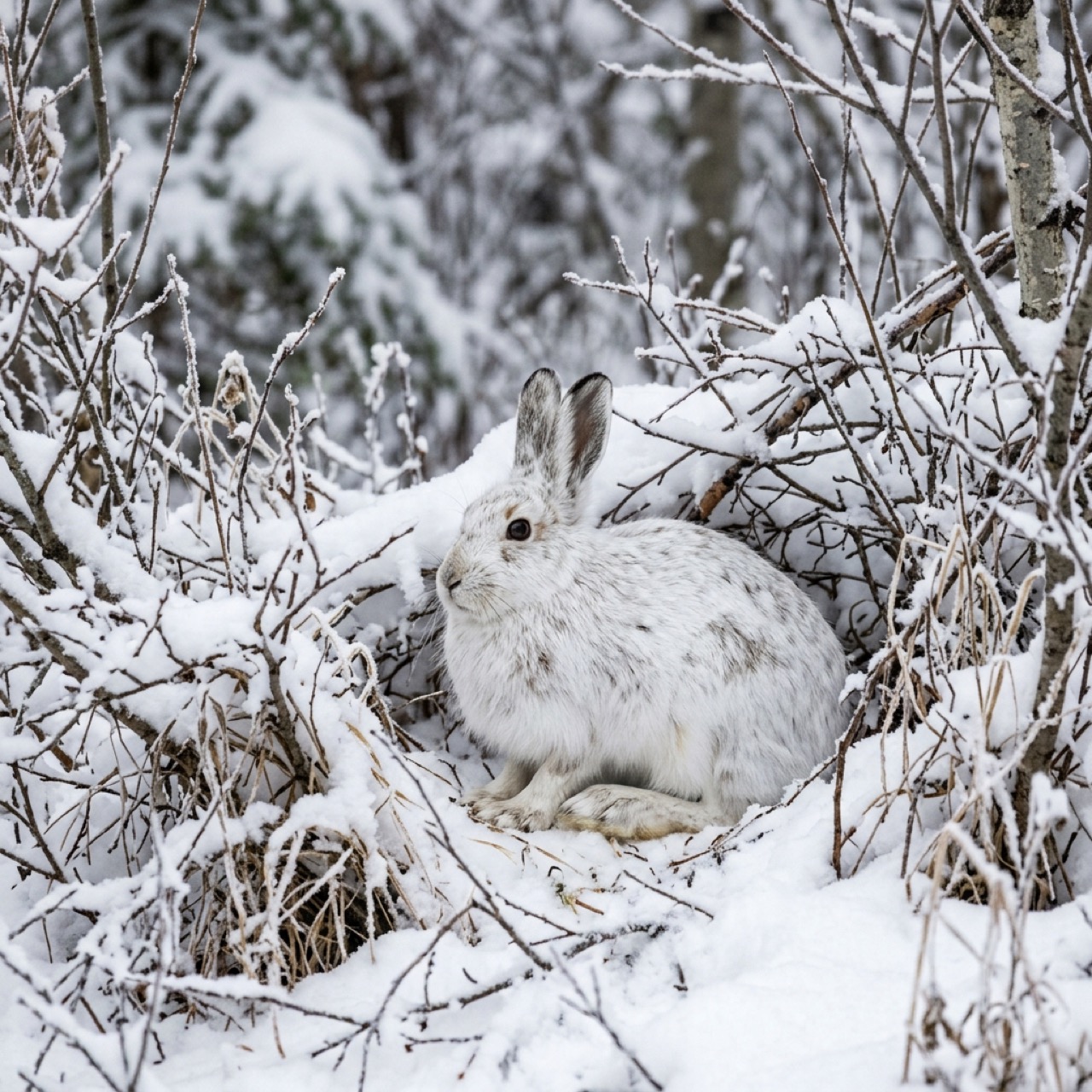
Mountain Cottontail & Snowshoe Hare
Mountain cottontails inhabit rocky brushy draws, while Snowshoe hares occupy subalpine spruce-fir forests and lodgepole stands, molting from summer brown to winter white as primary prey for Canada lynx.
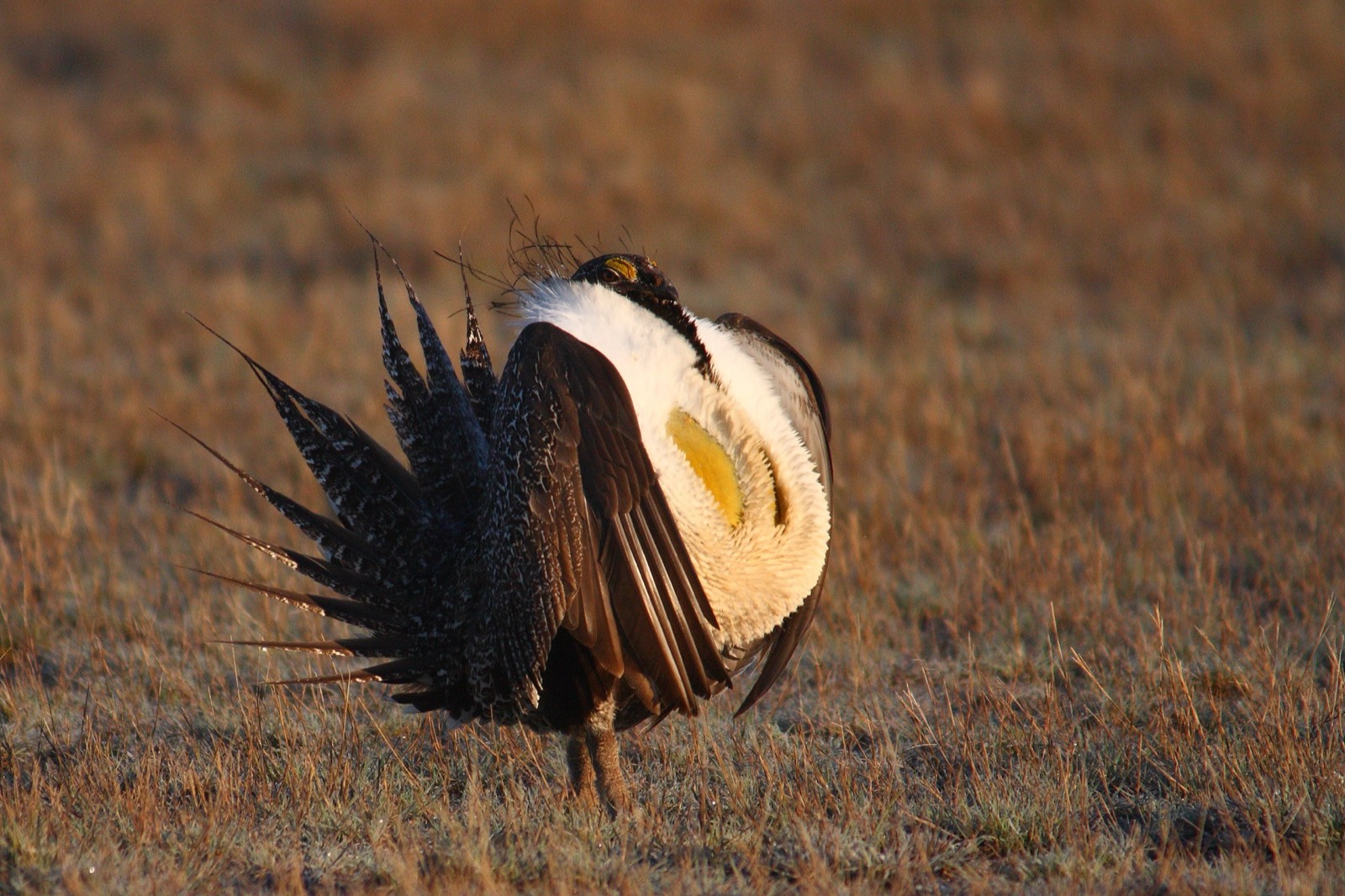
Dusky Grouse & Greater Sage-Grouse
Dusky grouse inhabit conifer ridgelines and aspen glades, while Greater sage-grouse and endemic Gunnison sage-grouse rely on sagebrush ecosystems in North Park, Northwest Colorado, and the Gunnison Basin.
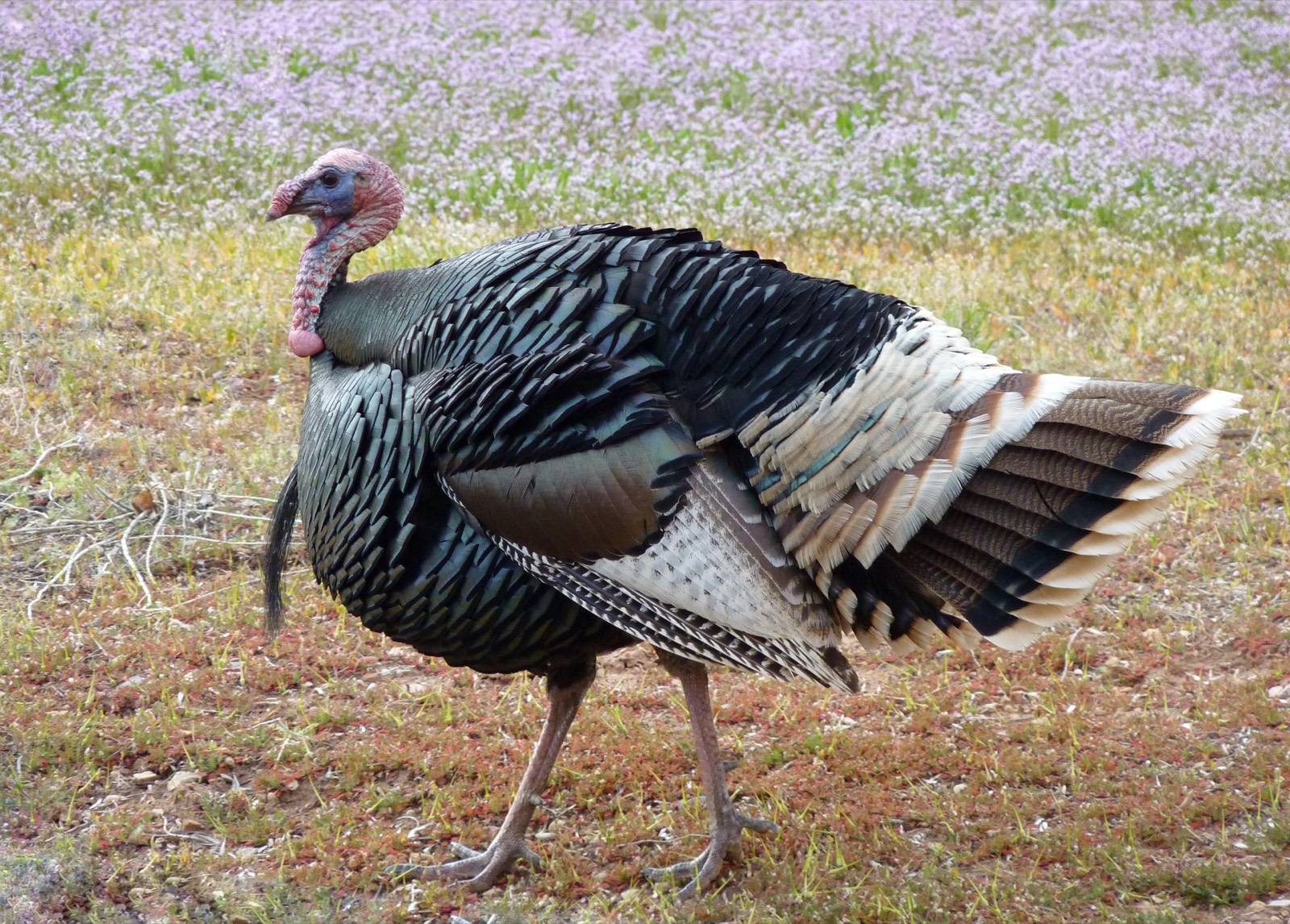
Wild Turkey
Both Merriam's and Rio Grande wild turkeys thrive in Colorado. Merriam's inhabit ponderosa pine forests and oakbrush foothills in the mountains, while Rio Grandes occupy cottonwood river bottoms on the eastern plains.