Colorado
The ultimate high-country destination. OTC archery elk, steep mule deer draws, and endless national forest acreage.
Big Game Hunting in Colorado
Official Regulatory Body
Colorado Parks and Wildlife (CPW)
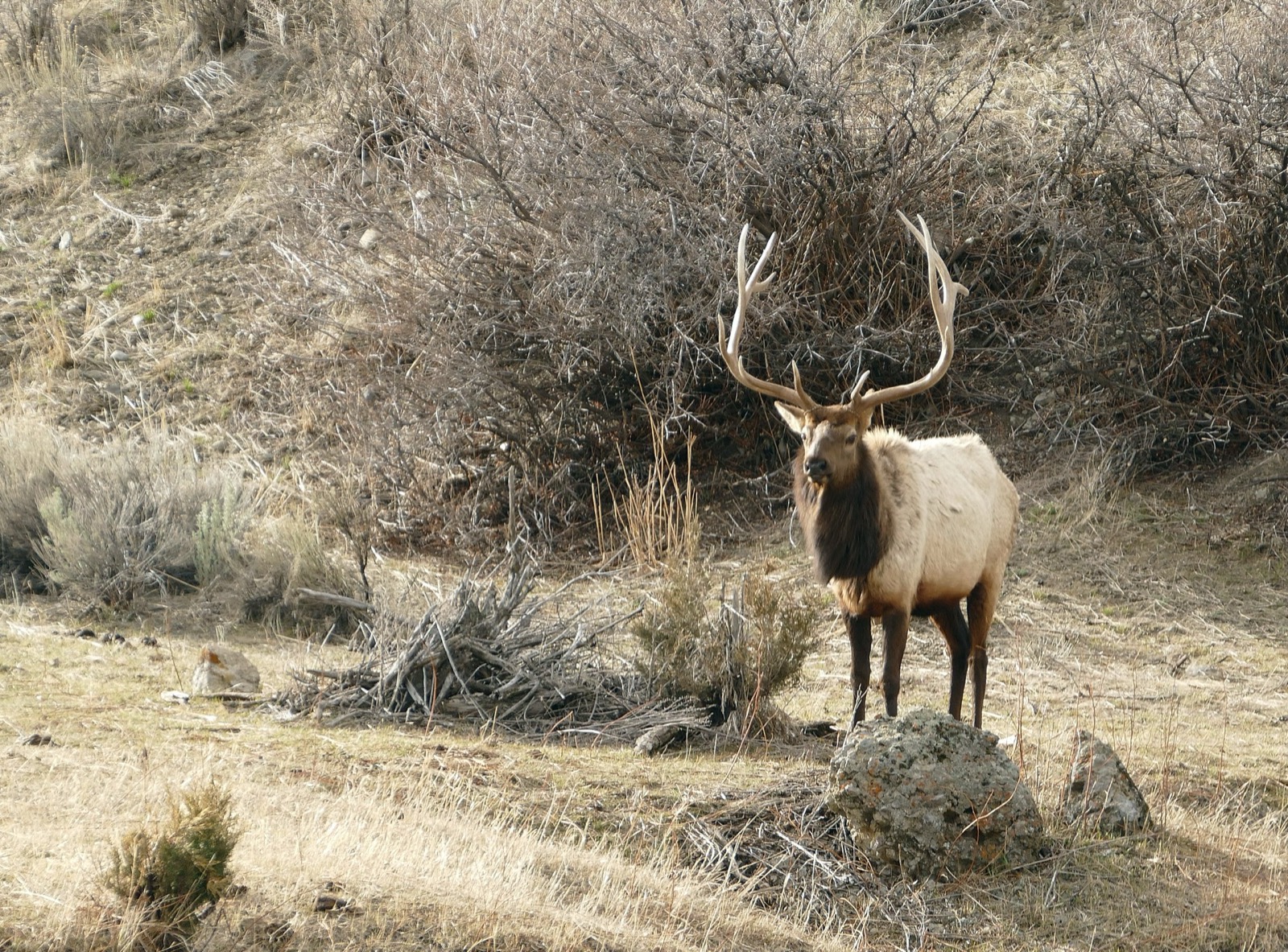
Rocky Mountain Elk
Colorado supports the largest wild elk herd in North America, with over 280,000 animals roaming across 11 national forests. Hunters can pursue bulls and cows through over-the-counter (OTC) archery and rifle tags in designated units, alongside coveted limited-entry draw units.
Key regions include the White River National Forest (Flat Tops Wilderness), the San Juan Mountains, Gunnison Basin, and the Routt National Forest. Early September archery coincides with the peak bugling rut in dark timber aspens above 9,000 feet, while 1st through 4th rifle seasons in October and November push herds down into sagebrush migration corridors. Glassing open parks at dawn and setting up spike camps near secluded timber wallows are proven tactics.
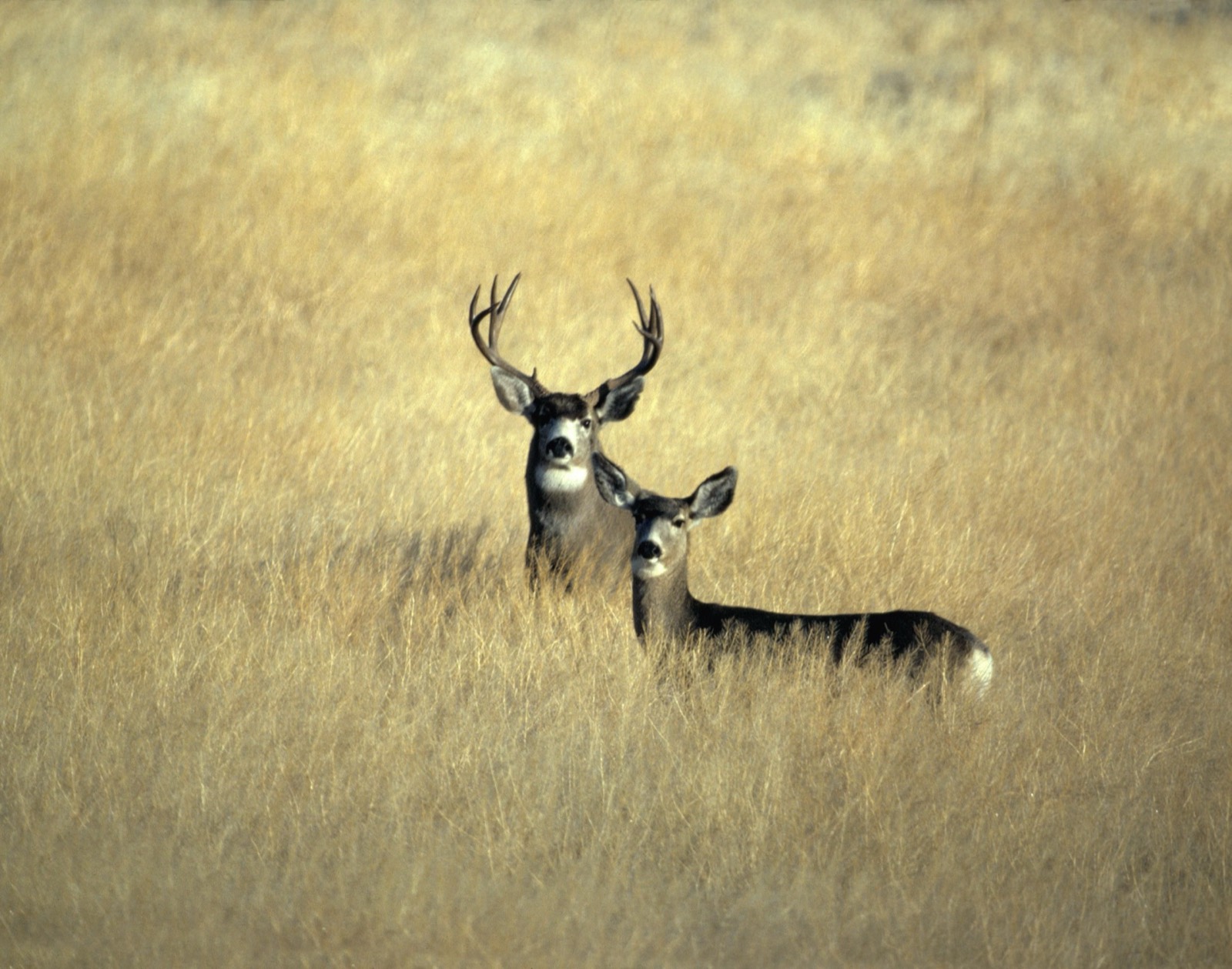
Mule Deer
Colorado is widely recognized as the premier trophy mule deer state in the nation, holding more Boone & Crockett record book entries than any other state. All mule deer tags are allocated via Colorado Parks & Wildlife's (CPW) spring limited-entry draw, requiring zero to 20+ preference points depending on unit prestige.
World-class units include the Gunnison Basin (GMU 54, 55, 66), the Eastern Plains (GMU 104, 107), and northwest sage strongholds (GMU 10, 21). High-country muzzleloader and archery hunts in August and September target velvet bucks living above tree line, while late October and November 3rd and 4th rifle seasons coincide with the rut, providing incredible glassing opportunities as giant mature bucks pursue does across open sage flats.
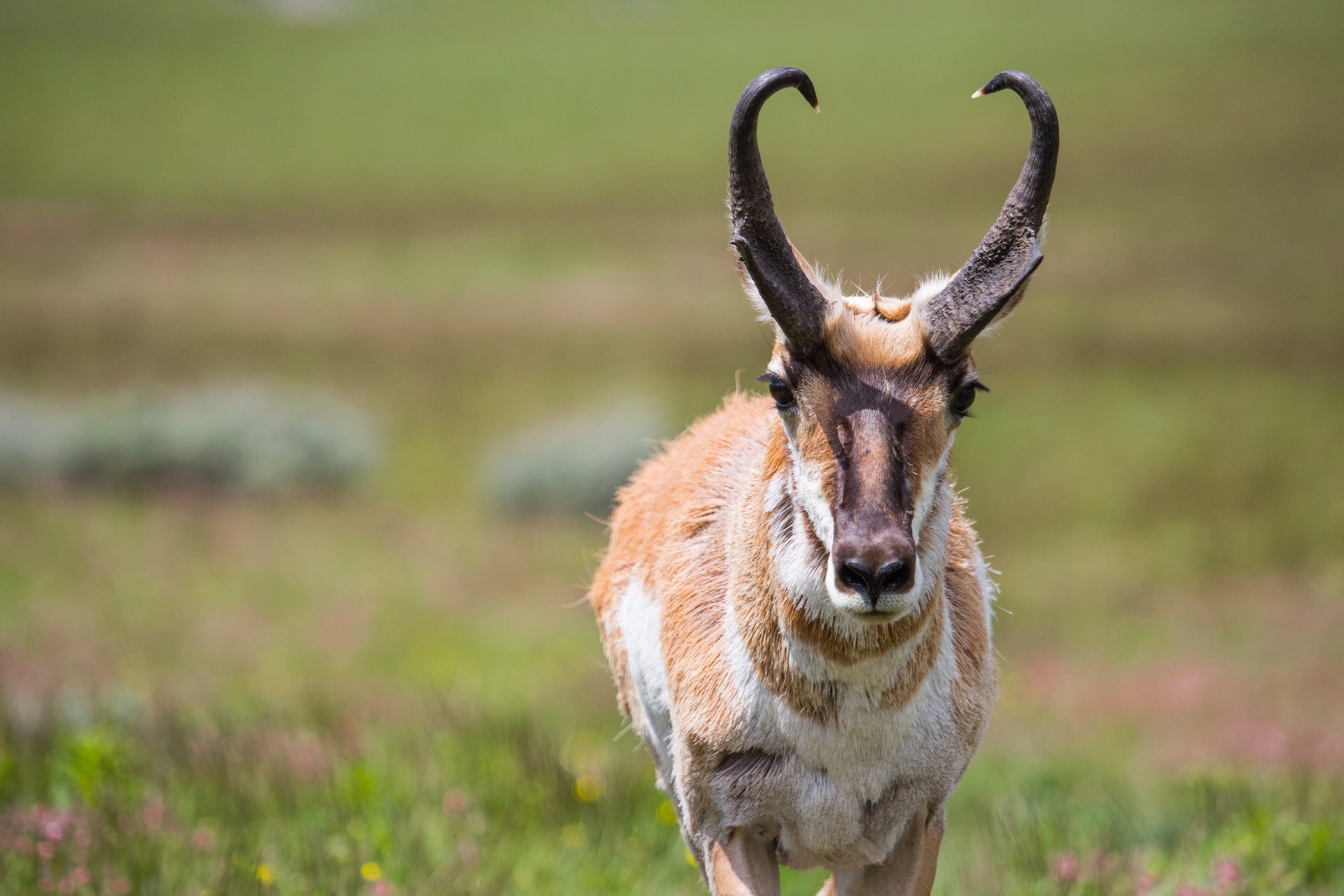
Pronghorn Antelope
The high plains and mountain parklands of Colorado offer exceptional spot-and-stalk pronghorn hunting. Colorado's prairie herds thrive across shortgrass rangelands, with trophy bucks sporting heavy bases and deep prong hooks exceeding 80 inches.
Top hunting hubs include the Pawnee National Grassland (GMU 87, 88), South Park basin (GMU 50, 501), and the expansive sage flats of Moffat County. Archery seasons begin in mid-August using ground blinds positioned over isolated livestock water tanks or decoy setups during the late-September rut. Rifle hunters must draw tags through CPW's preference point system, requiring patient long-distance glassing with high-powered spotting scopes and flat-shooting calibers across prairie coulees.
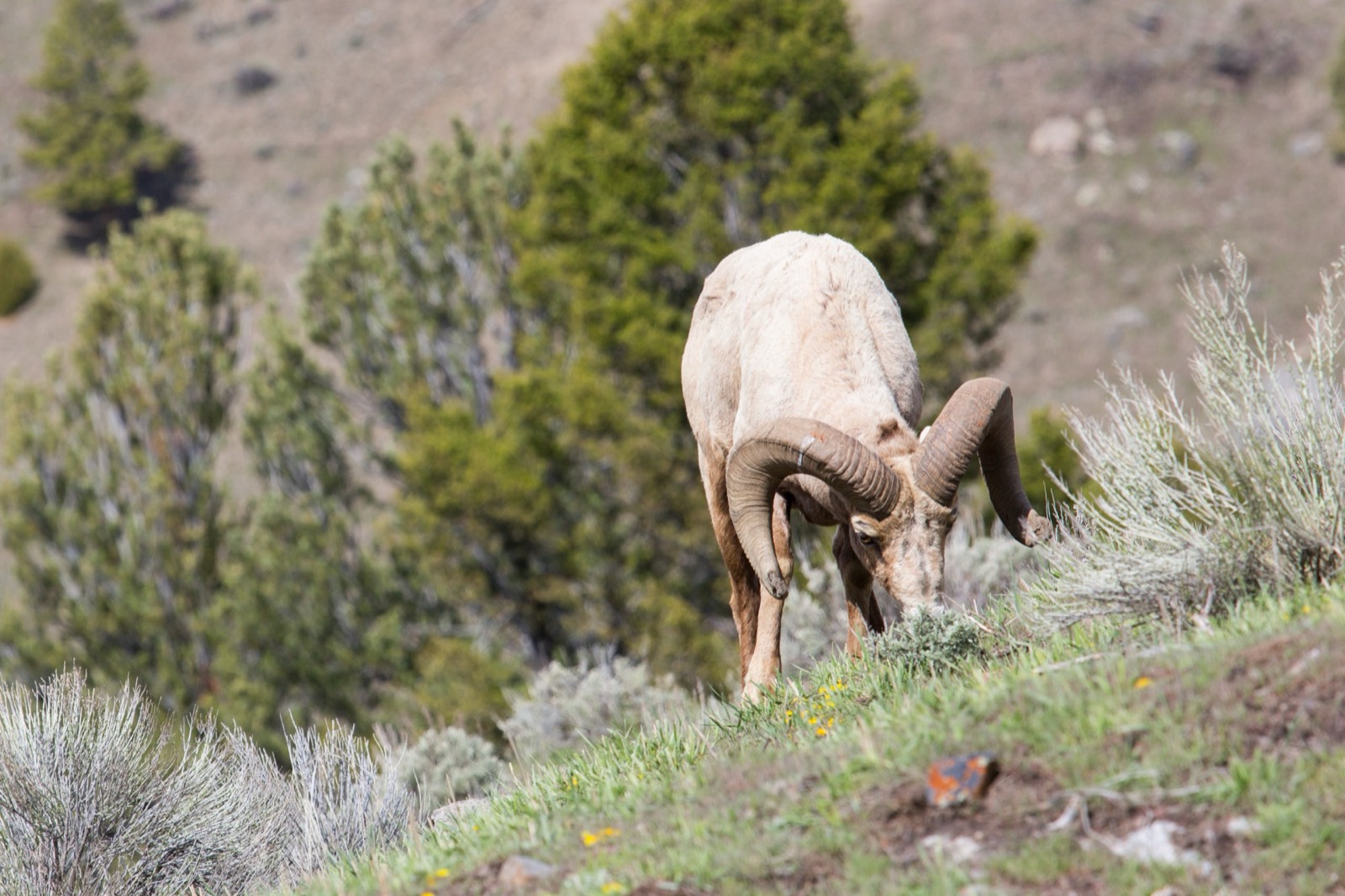
Rocky Mountain Bighorn Sheep
The official state animal of Colorado, the Rocky Mountain bighorn ram represents one of the most prestigious and grueling big game pursuits in North America. Rams inhabit razor-thin alpine crags, scree slopes, and avalanche chutes above 12,000 feet in the Continental Divide.
Coveted sheep units include the Collegiate Peaks (S32), Sangre de Cristo Wilderness (S09), and Georgetown / Rampart Range herds. Licenses are exclusively distributed via the highly competitive CPW weighted-preference draw. Successful hunters spend weeks scouting vertical cliff terrain, packing lightweight high-alpine bivouacs, and conditioning for extreme elevation ascents where physical endurance and thermal gear are paramount.
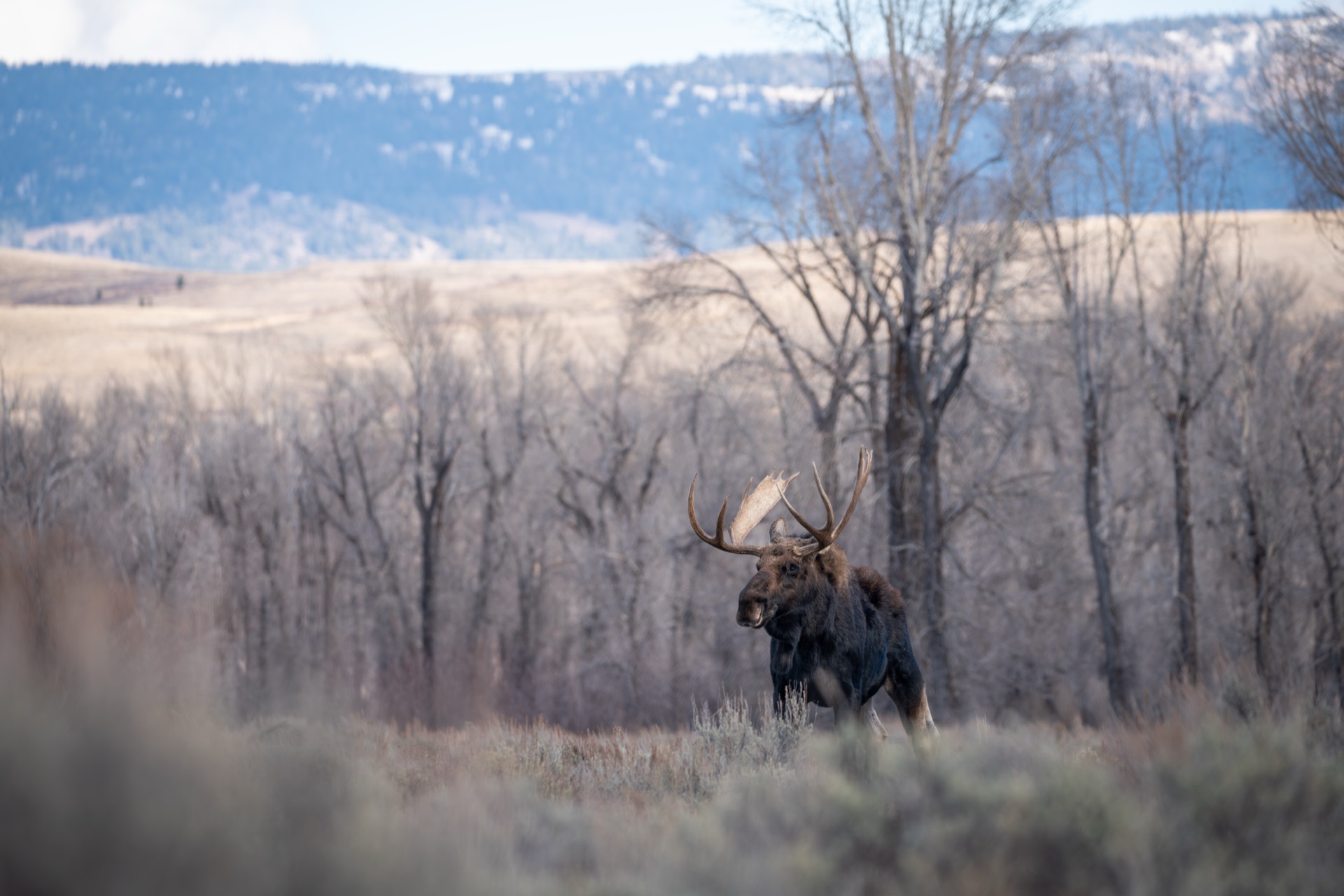
Shiras Moose
Established through successful CPW reintroduction efforts starting in 1978, Colorado now boasts a booming population of more than 3,500 Shiras moose. These massive herbivores dominate willow-choked river basins, high-altitude beaver ponds, and subalpine spruce fir forests.
Prime moose terrain centers around North Park (Walden—the moose viewing capital of Colorado), Grand Mesa, Taylor Park, and the upper Rio Grande. Drawing a Colorado bull moose license is a pinnacle achievement requiring significant weighted preference points. The rut peaks in late September and early October, allowing hunters to call bulls into close bow range using aggressive cow calls and brush-raking techniques.
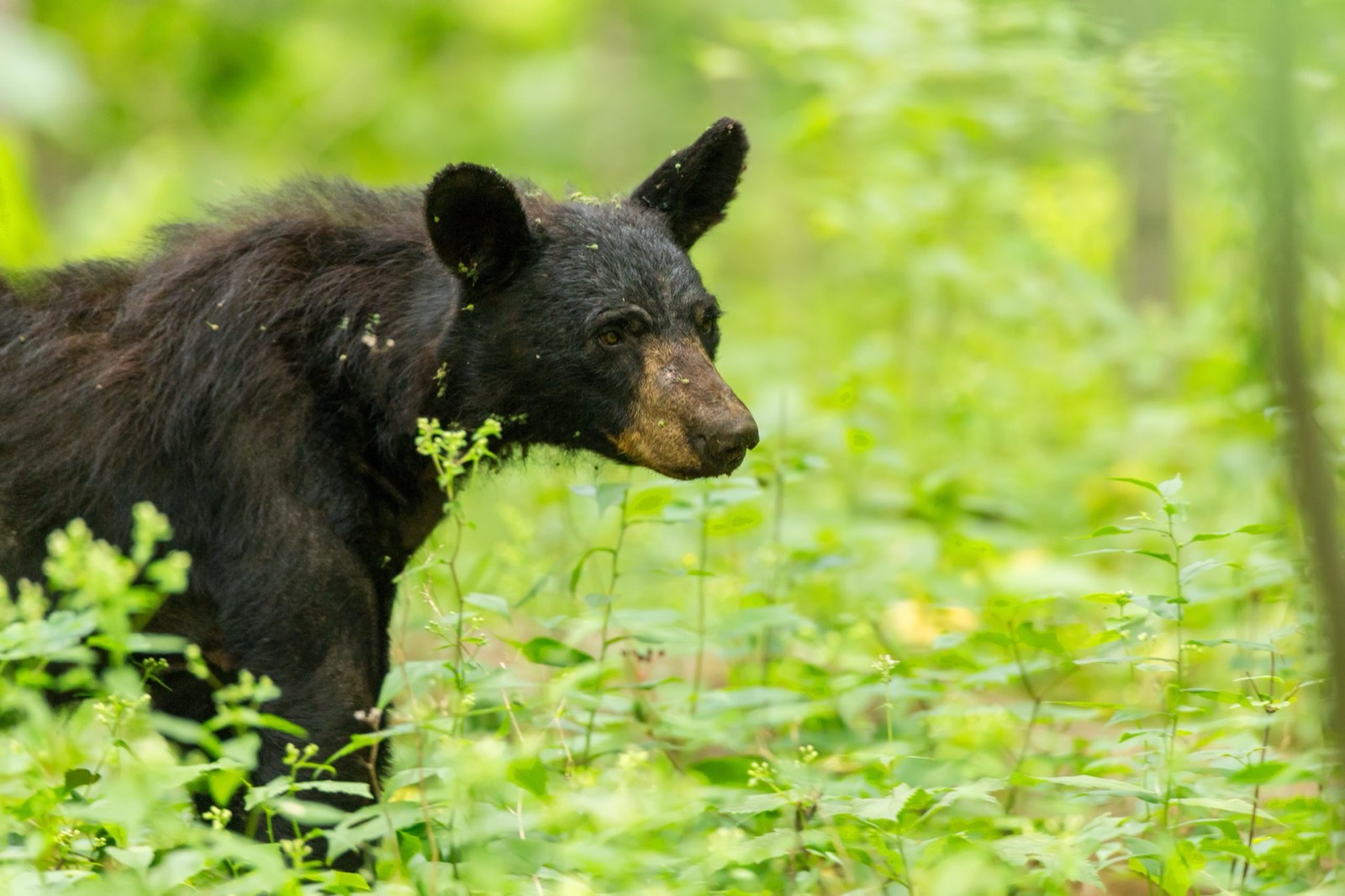
Black Bear
Colorado is home to an estimated 17,000 to 20,000 black bears, with exceptional color-phase diversity including cinnamon, chocolate, blonde, and jet-black coats. Hunting is strictly spot-and-stalk or still-hunting, as baiting and hound hunting are prohibited by state law.
The September rifle and archery seasons offer premier hunting when bears enter hyperphagia, feeding voraciously on chokecherries, oak brush acorns, and serviceberries along sunny canyon slopes. Top units span the Uncompahgre Plateau, Grand Mesa, and San Juan National Forest. Glassing south-facing hillsides in the early morning and late evening before bears retreat to thick bedding cover yields consistent success.
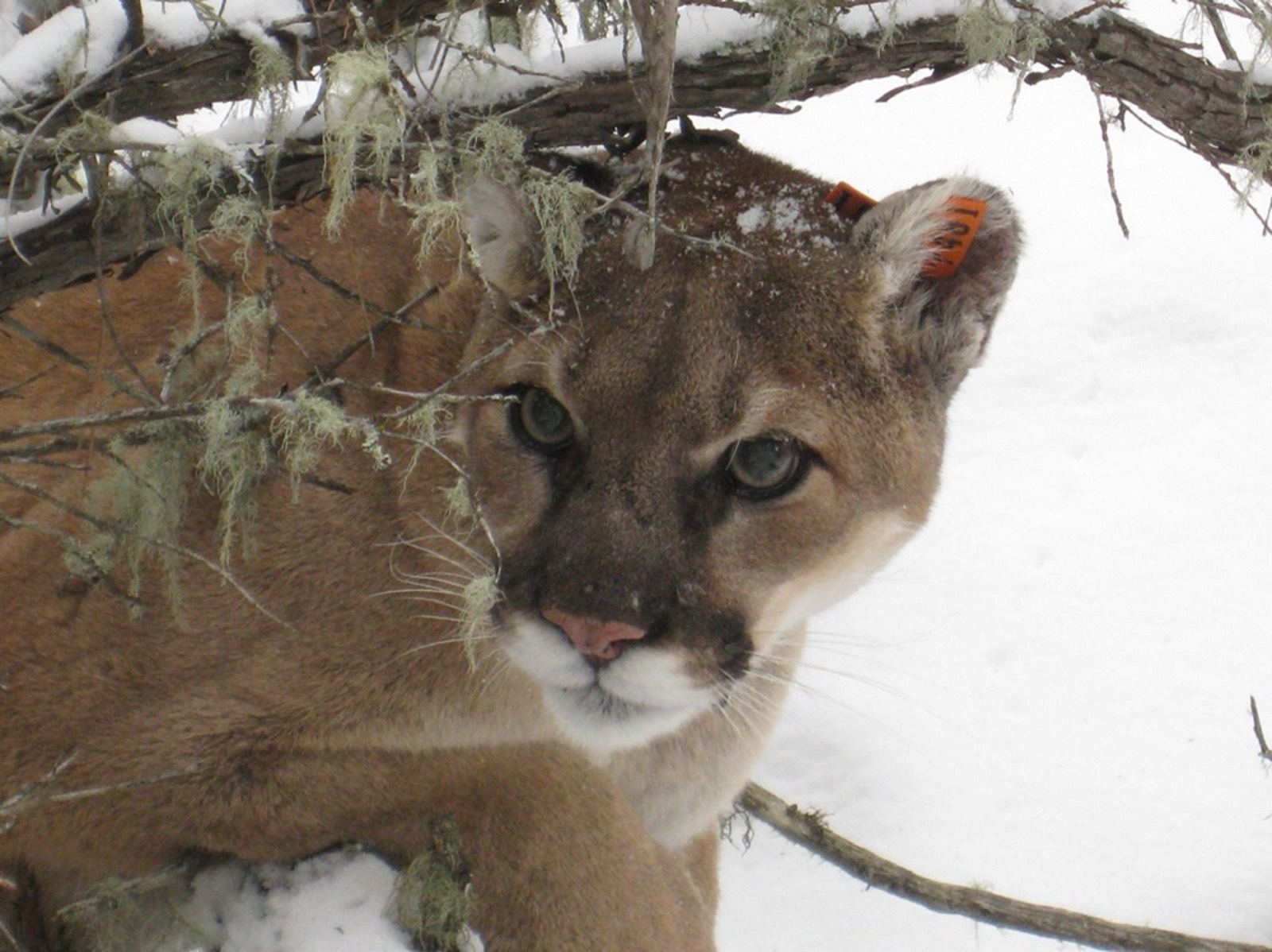
Mountain Lion
Colorado supports a healthy and carefully managed cougar population, providing challenging winter predator hunting. CPW manages lions through strict harvest quotas per Game Management Unit; once a unit's quota is reached, hunting immediately closes.
Hunts typically occur between late November and March when fresh snow cover enables experienced houndsmen to locate and trail fresh lion tracks across steep canyon country and piñon-juniper breaks. Top regions include the canyonlands of Western Colorado (Moffat, Garfield, and Mesa counties) and the foothills of the Front Range. Hunters must pass the mandatory CPW mountain lion identification exam and check daily harvest hotline reports prior to entering the field.