Colorado
The ultimate high-country destination. OTC archery elk, steep mule deer draws, and endless national forest acreage.
Colorado - High Country Elk & Mule Deer Sanctuary
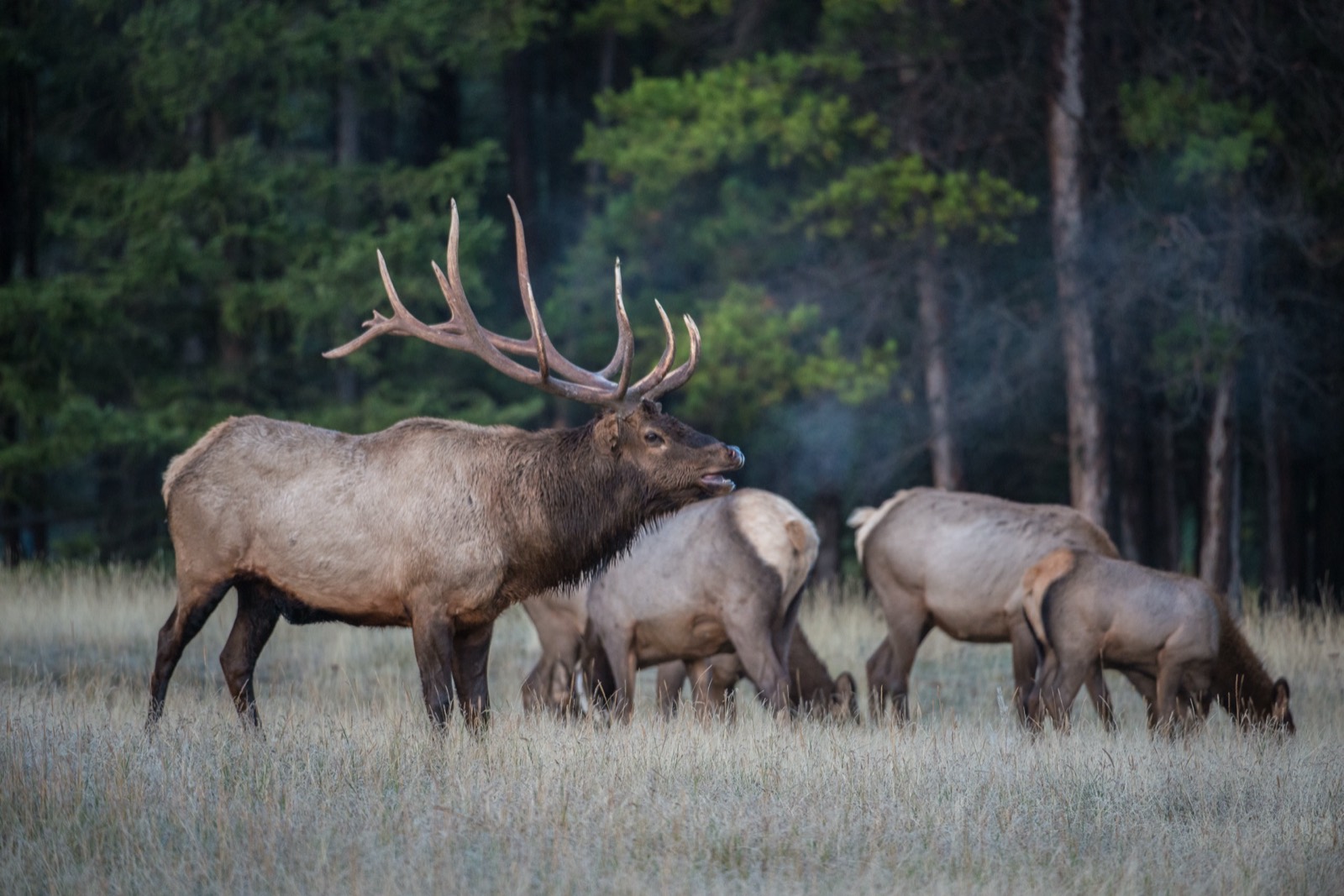
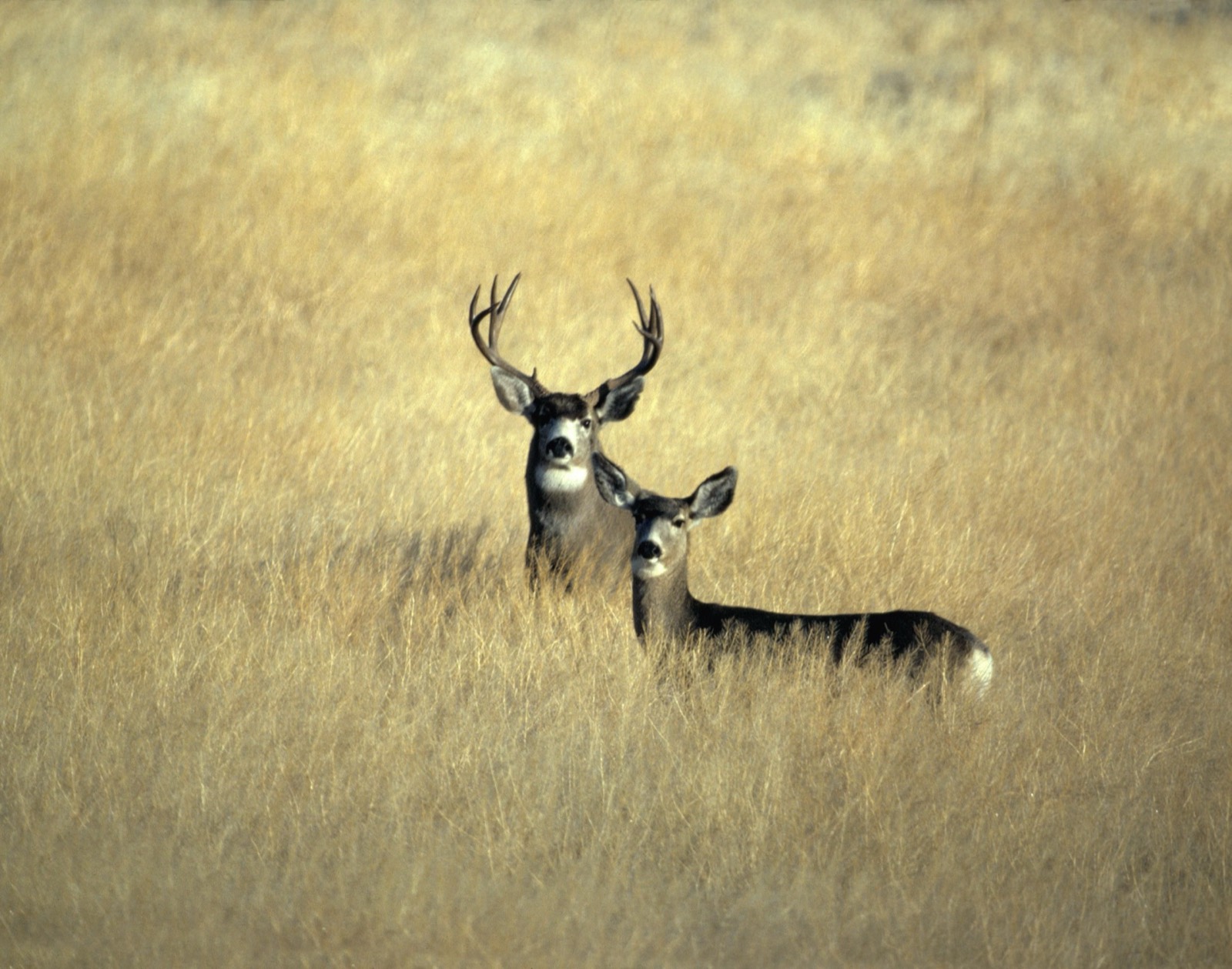
Colorado Hunters Dream State
Colorado is a landlocked state in the Western US, with terrain that varies from the flat eastern plains to the rugged Rocky Mountains. The physical features of Colorado are primarily the result of its position along the Continental Divide. This great ridge of mountains and valleys separates the waters flowing east into the Gulf of Mexico from those flowing west into the Pacific Ocean.
The Rocky Mountains dominate Colorado’s landscape. They include some of the highest peaks in North America, including 14,440-foot (4,401 meters) Mount Elbert, Colorado’s tallest mountain. The Rockies are a young mountain range formed only about 80 million years ago. They are still growing today, as evidenced by the many earthquakes that occur in Colorado each year.
Between the Rocky Mountains and the eastern plains is a high plateau region known as the Colorado Plateau. This area is home to some of the state’s most iconic landmarks, including the Great Sand Dunes National Park and Mesa Verde National Park.
The Eastern Plains are a relatively flat, featureless region that makes up the eastern third of Colorado. The area is home to the state’s largest city, Denver, and its largest metropolitan area, the Denver-Aurora-Lakewood Metropolitan Statistical Area.
Colorado’s climate is highly varied due to its position along the Continental Divide. The state’s western side, including the Rocky Mountains, has a colder, drier climate, while the eastern plains are warmer and more humid. The state’s high altitude also contributes to its varied weather patterns.
In addition to its varied landscape, Colorado is also home to a wide variety of plant and animal life. The Rockies are full of pine and aspen trees, and the eastern plains are teeming with deer, antelope, and prairie dogs. There are also plenty of public lands to hunt wildlife in the mountains, including elk, bighorn sheep, and black bears.
Top Hunting Attractions in Colorado
Discover the premier wildlife management areas, big game habitats, and renowned wingshooting regions across Colorado.
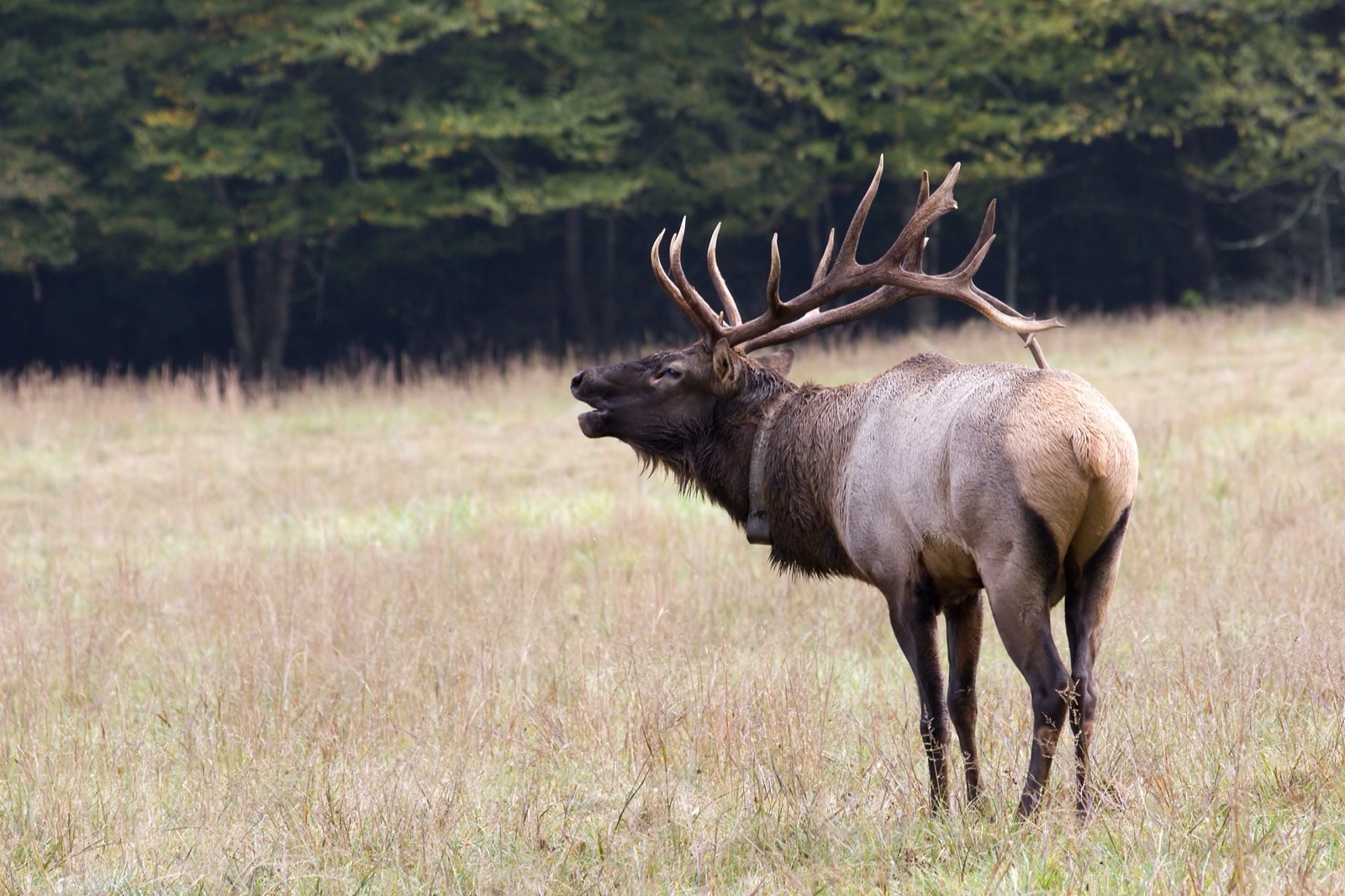
Flat Tops & White River National Forest OTC Elk
Uncompahgre & Gunnison Basin Trophy Mule Deer
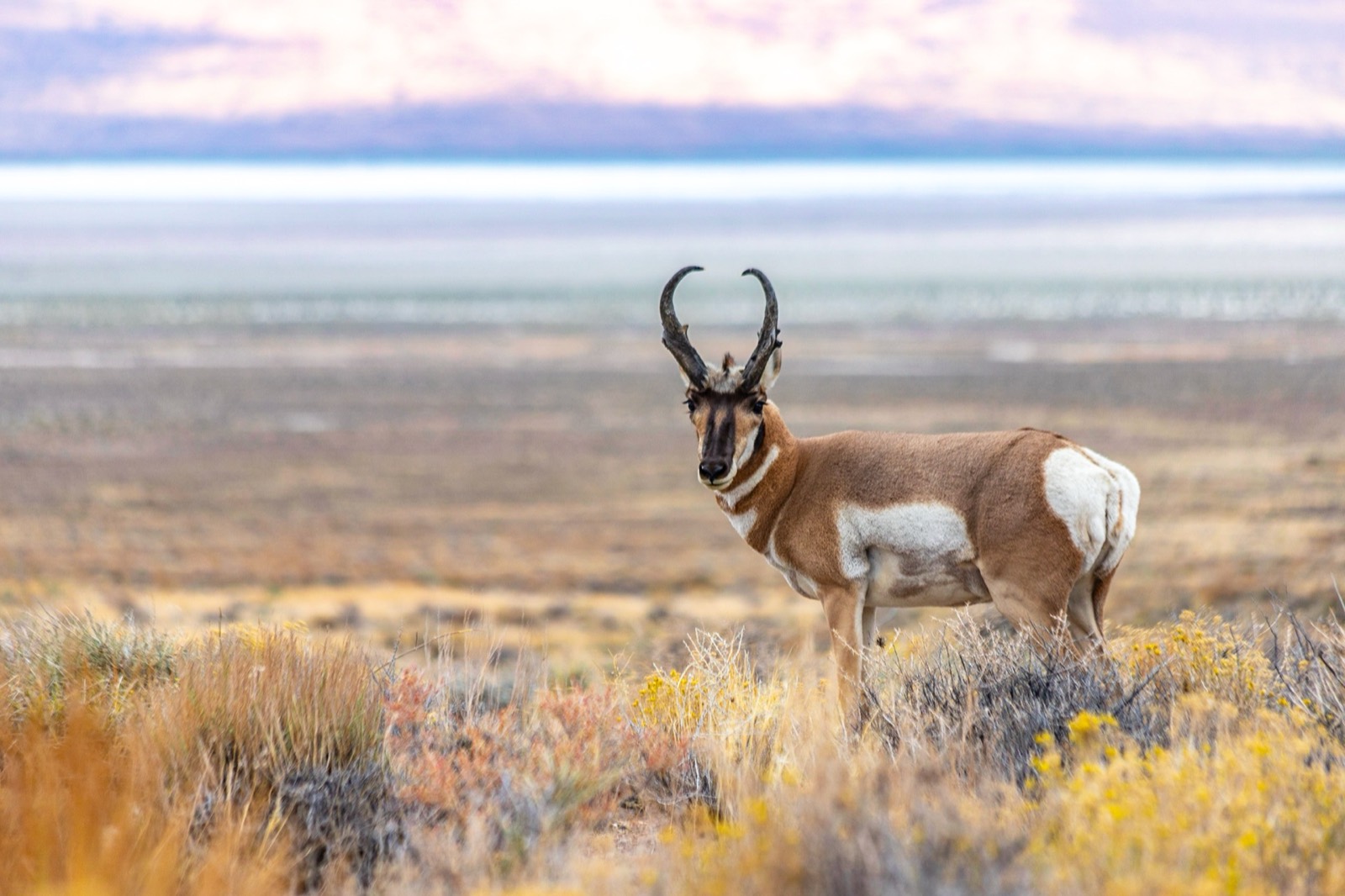
Eastern Plains Pronghorn & Monster Whitetail
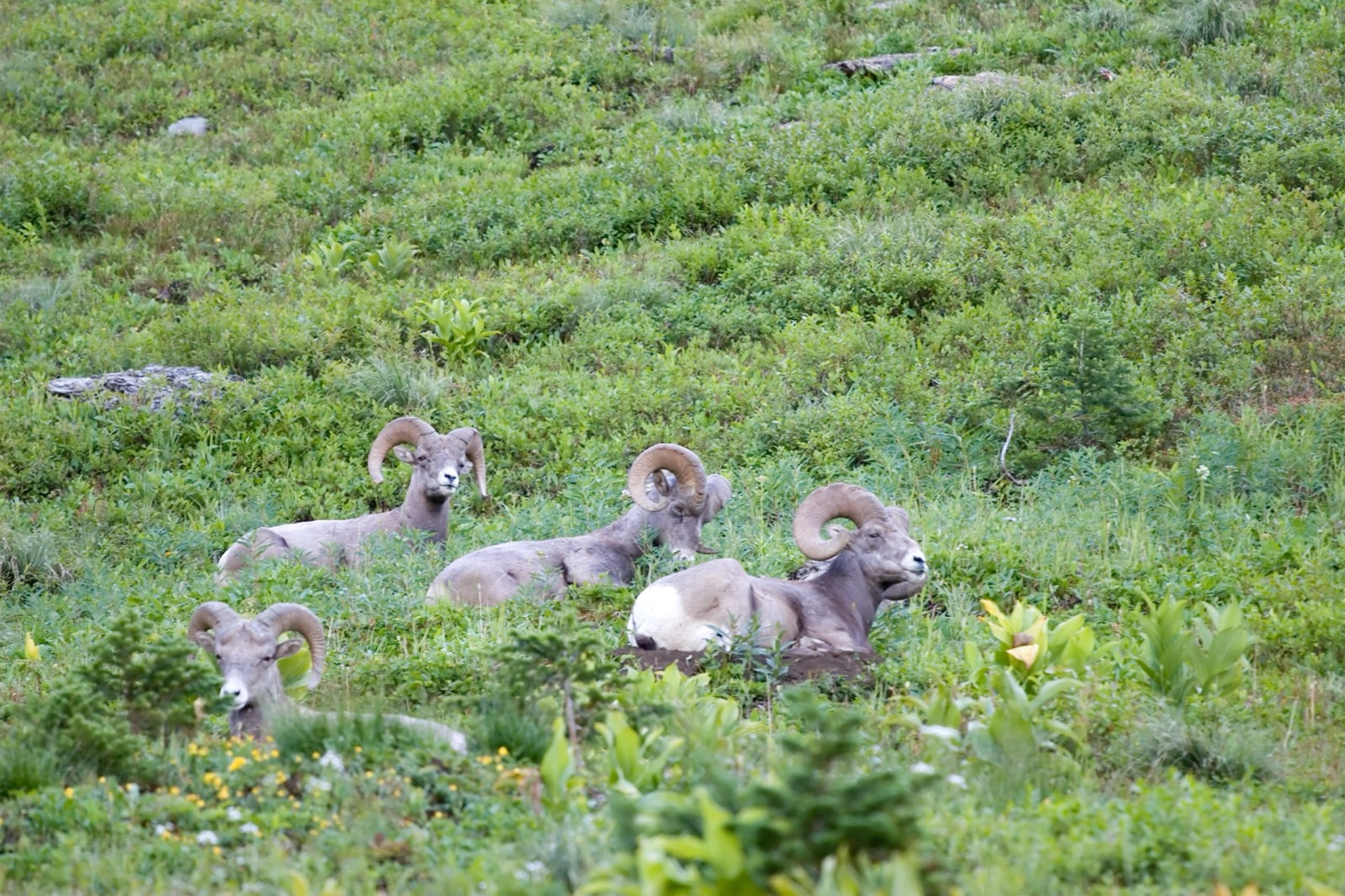
San Juan Mountains High Alpine Wilderness
Hunting Benefits
Hunter's Bottom Line
Colorado is the elk capital of the world, housing more than 280,000 Rocky Mountain elk across over 23 million acres of accessible public lands. With four distinct rifle seasons, an extended September archery season, and a prime muzzleloader season, it represents the foundation of DIY Western hunting.
Colorado Parks and Wildlife (CPW) operates a preference point system with a primary application deadline in early April. While mule deer are 100% draw statewide, over-the-counter (OTC) elk licenses remain available for archery and 2nd/3rd rifle seasons in designated GMUs, making Colorado the ultimate OTC fallback destination.
Hunters must prepare physically and logistically for hunting between 8,000 and 12,500 feet elevation. Altitude sickness, rapid temperature drops of 50 degrees within hours, and early October blizzards are routine factors requiring four-season mountain gear and wilderness survival preparation.
Meat care is strictly enforced under Colorado wanton waste laws. Temperatures during the early September archery and rifle seasons can cause rapid spoilage; hunters must pack game bags, game carts, or have a pre-arranged pack-out service ready the moment an animal hits the ground.