Alaska
The Last Frontier. From coastal brown bears to interior moose and caribou, it is the pinnacle of North American hunting.
Public Lands to Hunt in Alaska
Official Regulatory Authority
Alaska Department of Fish and Game (ADFG)
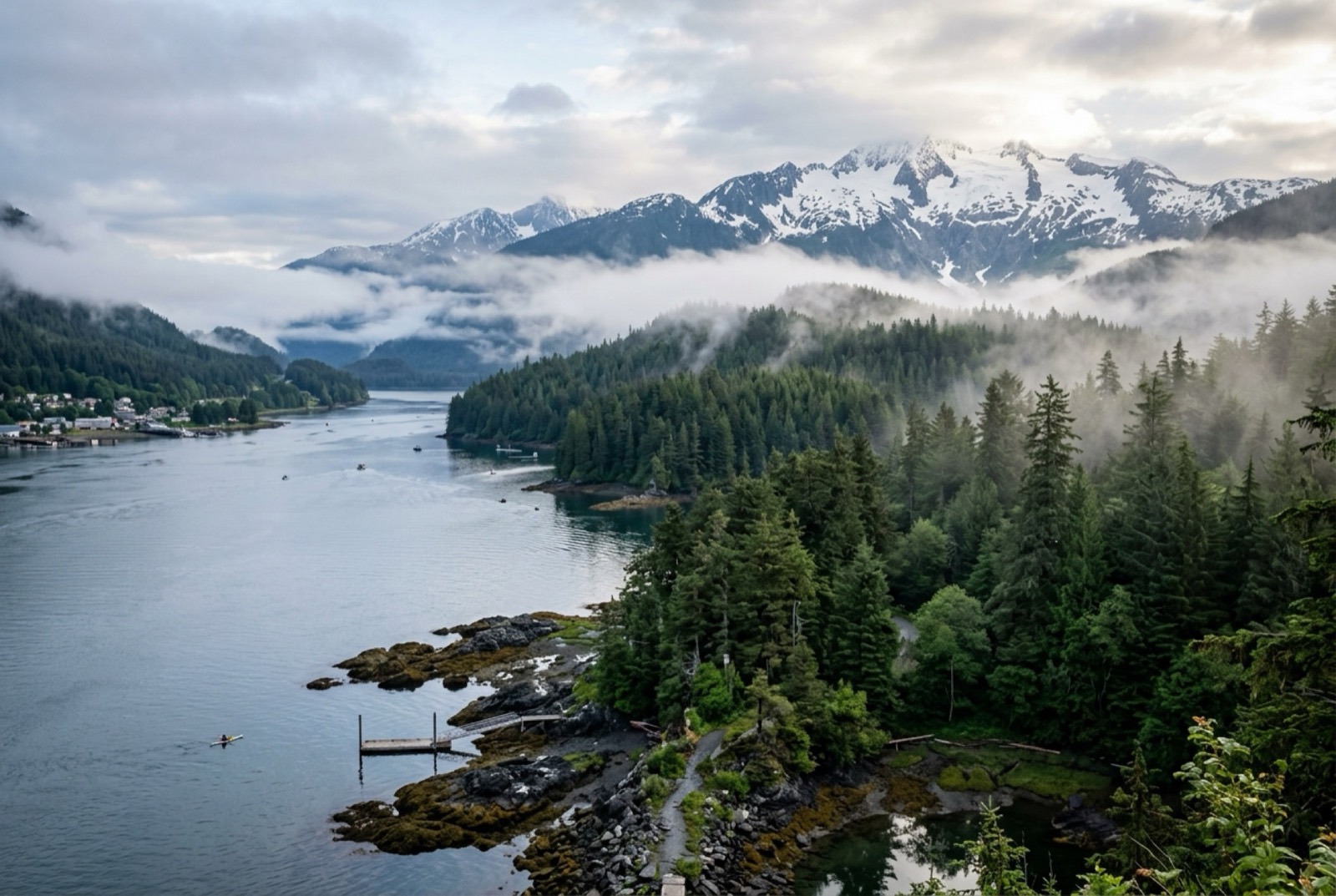
Douglas Island Wildlife Management Area
The Douglas Island Wildlife Management Area is a 5,000-acre island in the Gastineau Channel of Southeast Alaska that protects important habitats for many wildlife species, including bald eagles. Douglas Island Management Area (DOMA) is a 5,000-acre island in the Gastineau Channel of Southeast Alaska. It also supports healthy salmon populations and wetlands, which are food sources for waterfowl and other birds.
The Douglas Island WMA ranges from about sea level to approximately 1,140 feet at its highest point and includes two watersheds: Rocky Bay and Swede Cove.
Target practice is prohibited, and Firearms are allowed only for legal hunting during established seasons with required licenses.
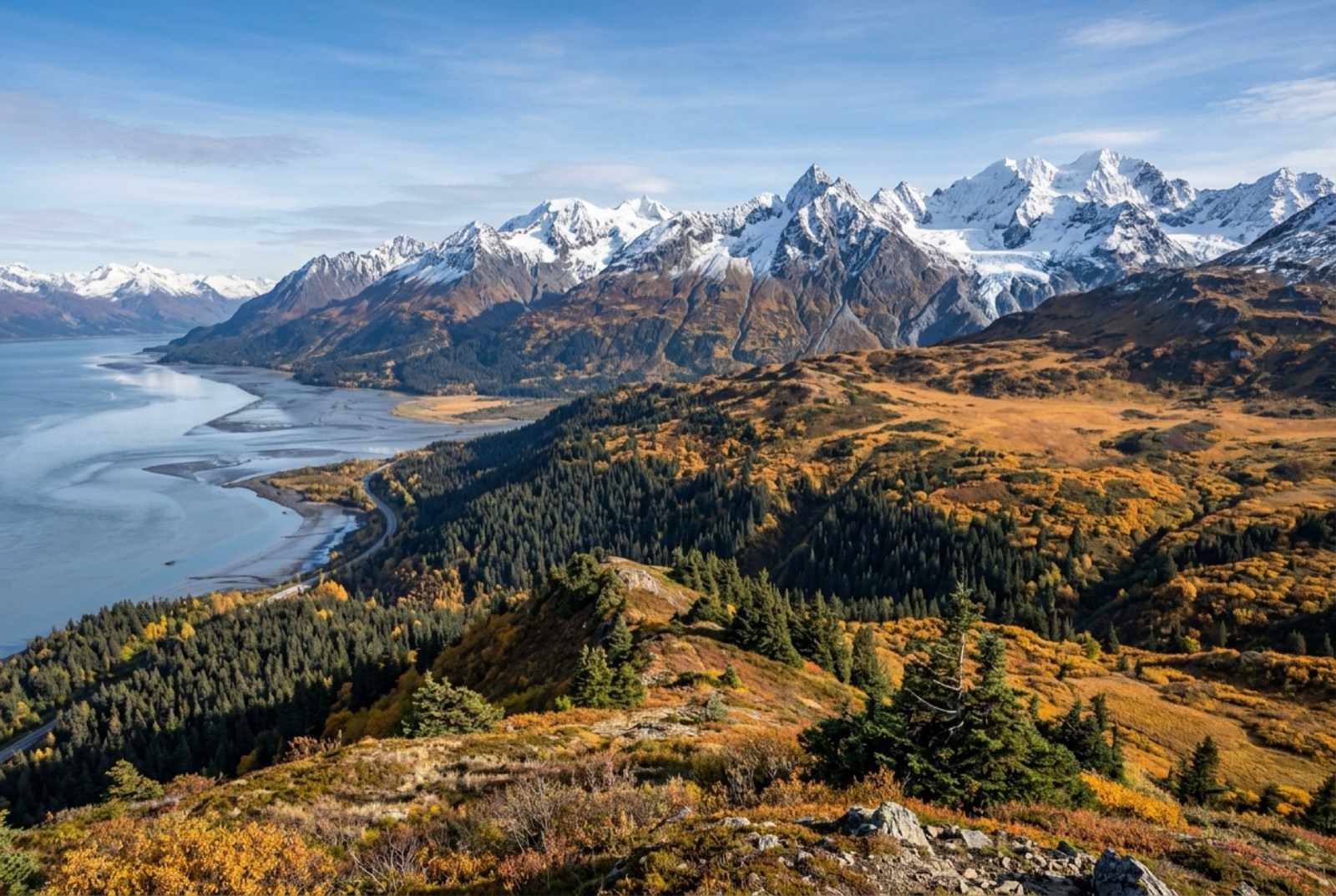
Anchorage Wildlife Management Area
The Anchorage Wildlife Management Area in Alaska is one of the largest WMAs where hunting is still allowed. The AMA is managed by the U.S. Forest Service and has over two million acres (8,000 km²) of public land available for recreational activities such as camping, hiking, fishing, and hunting. The area also includes Kincaid Park and Flattop Mountain Recreational Area, which offer opportunities for downhill skiing in the winter and mountain biking in the summer.
In addition to Anchorage, the AMA includes Girdwood and Eklutna, Chugach State Park, Kincaid Park, and Flattop Mountain Recreational Area. These areas represent a significant portion of south-central Alaska's population center.
The Anchorage Wildlife Management area is, as it stands, one of the top hunting destinations in all of Alaska. It has many big game animals, including moose, caribou, black bears, and brown/grizzly bears. In addition, various upland birds can be hunted for sport.
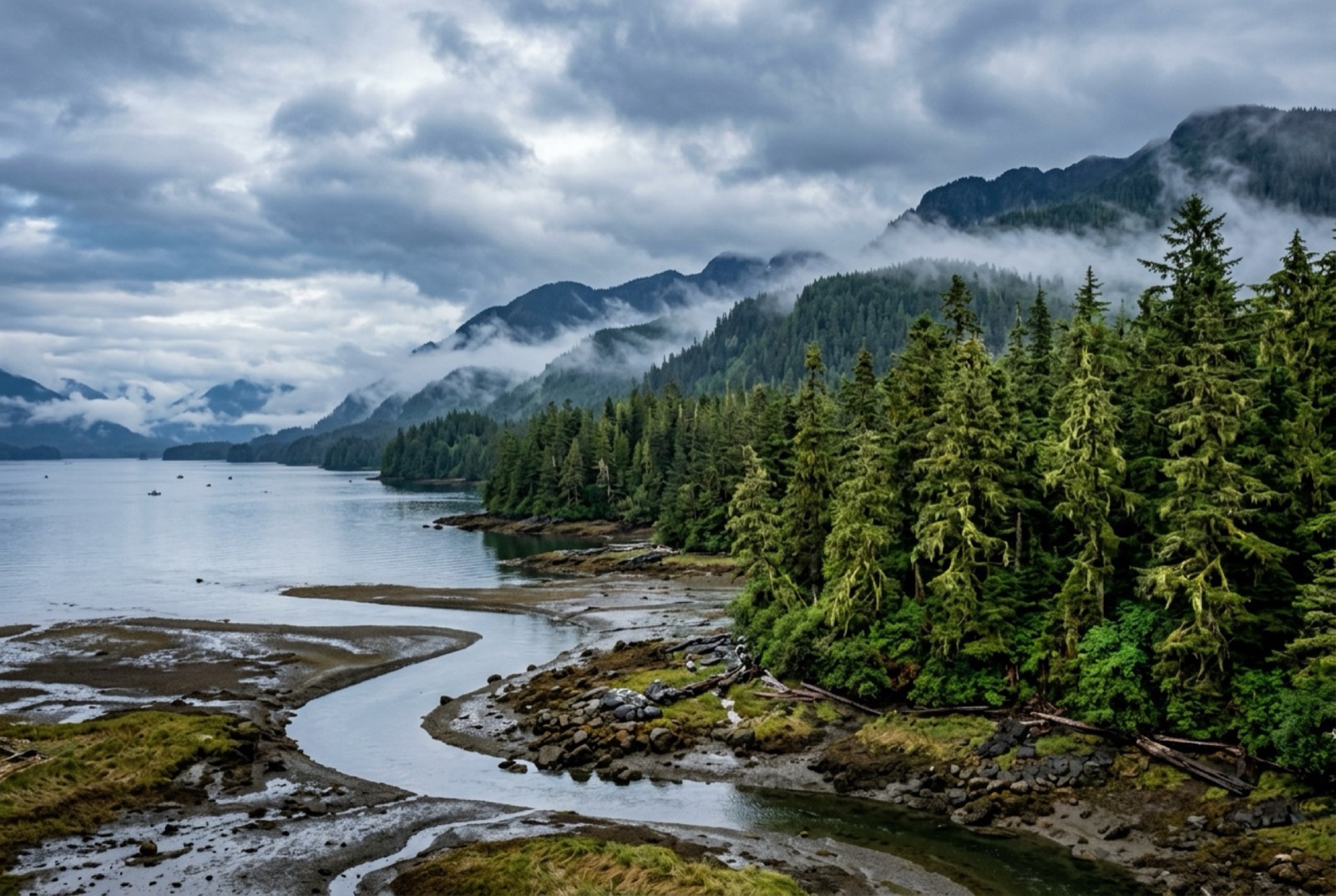
Petersburg Wildlife Management Area
The Petersburg Wildlife Management Area is an Alaskan State Park that the Division of Fish and Wildlife manages as part of the Department of Natural Resources. The WMA covers almost all of Petersburg, Alaska, and over half of Chichagof Island. It features a variety of terrain for hunters to take the game. There are saltwater flats, freshwater marshland, and upland forests and mountains. There are also trails for use by hikers who enjoy the area's wilderness.
The Petersburg WMA is popular with bird watchers for its population of bald eagles, which are the northernmost in the United States.
The Petersburg WMA is home to many species of Alaska's boreal forest ecosystem. The most common mammals in the area include red deer, moose, Sitka black-tailed deer, North American beaver, snowshoe hares, muskrats, land otters, red foxes, gray wolves, Canadian lynxes, and wolverines.
The area also has populations of river otters, mink, badgers, grizzly bears, black bears, North American porcupines, mountain goats, Dall sheep.
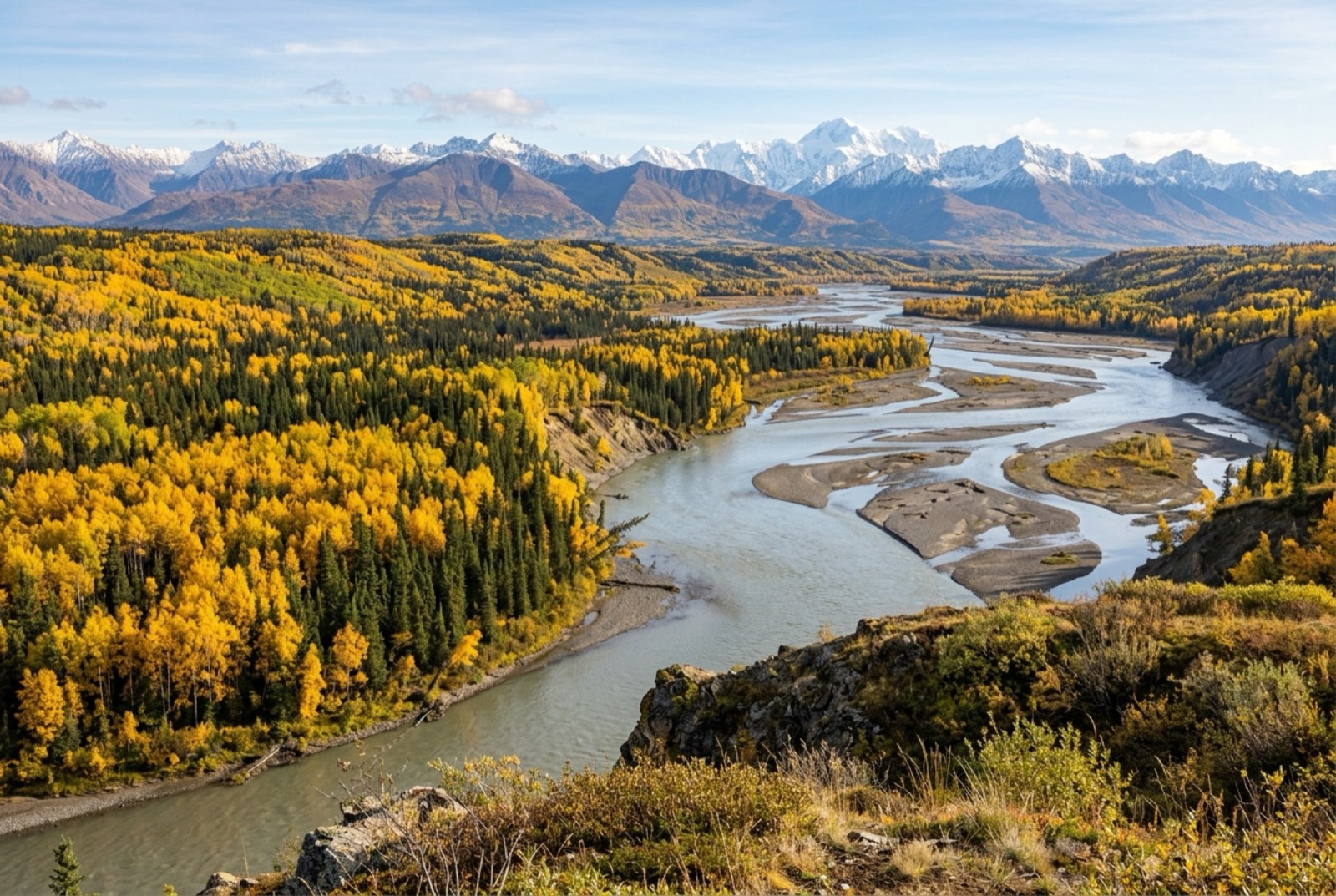
Birchwood Wildlife Management Area
Birchwood Wildlife Management Area is managed by the Alaska Department of Fish and Game.
The Birchwood WMA was established in 1959 to provide winter habitat for moose, which are the primary game species. The area is located in the far north-eastern section of the state along the eastern bank of the Tanana River.
Other wildlife species found in the area include black bear, brown or grizzly bear ("grizzly"), Canadian lynx, coyote, Dall sheep, golden eagle, gray wolf, red fox, snowshoe hare, and wolverine. The area has three different seasons where hunting is allowed, depending on the type of animal you are hunting.
The first season for Birchwood WMA is the springtime, when a small game may be taken by air rifle with a rifled barrel, shotgun, falconry, crossbow, and bow and arrow only.
The next is in the summertime when hikers and hikers with dogs are allowed to use rifles with smoothbore barrels for taking small games such as ptarmigan. This time period is June 1 through August 31.
Birchwood WMA's final open hunting time is October 1 through January 31. This time of year, hunters may use a rifle with rifled barrels, pistols, shotgun crossbows, and falconry to take small game such as rabbit, hares, and ground squirrels; they may also use rifles of .22 caliber with rifled barrels, pistols, shotguns, crossbows, and falconry to take small game such as ptarmigan; they may also use a rifle with a rifled barrel to take caribou. Moose may be hunted by drawing a permit.
Palmer Wasilla Management Area
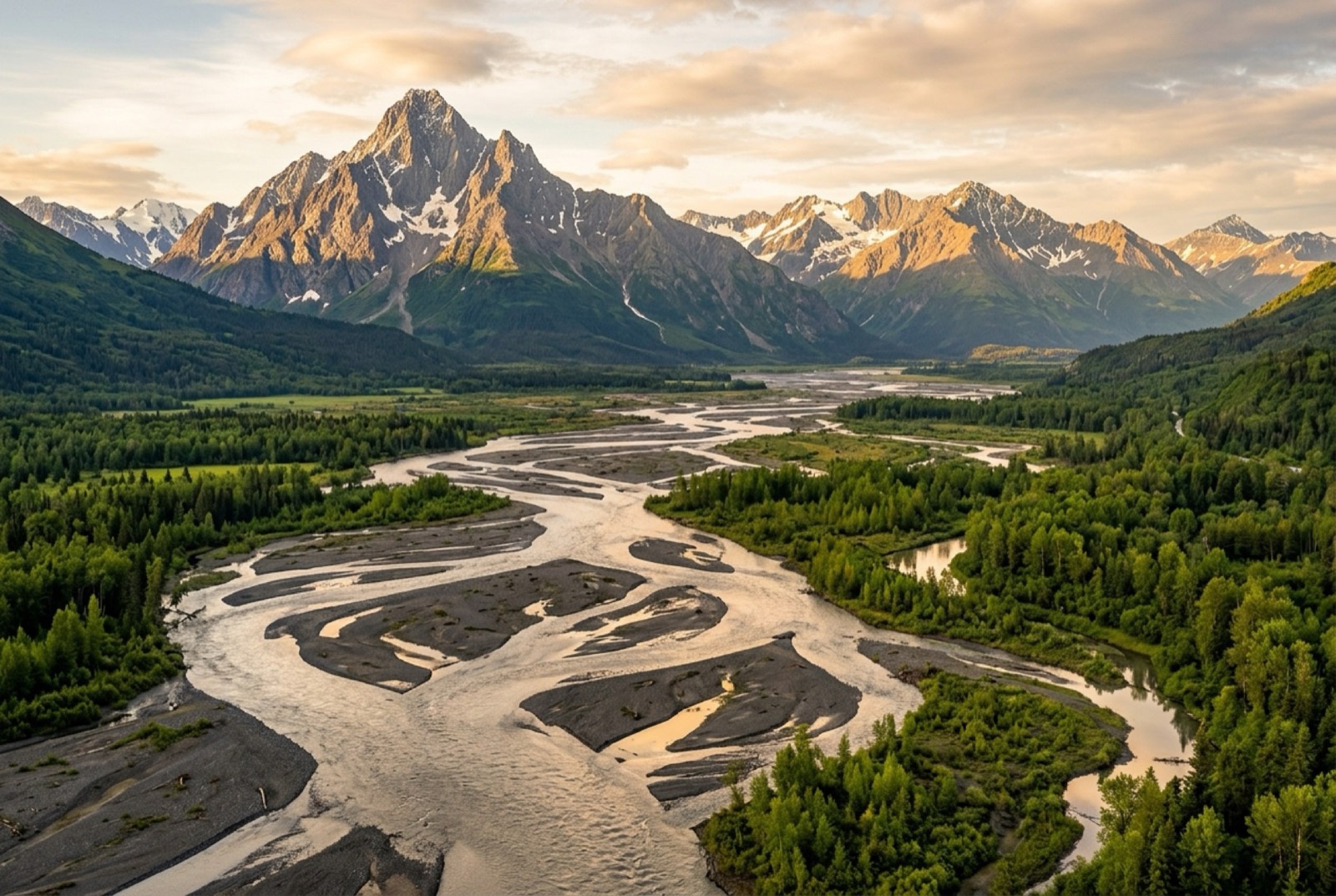
The Palmer Wasilla Management Area is a 74,000-acre wildlife management area that includes numerous lakes and rivers spread throughout the Matanuska River Valley.
Visiting this region offers excellent big game hunting opportunities, with mature bull moose, Dall sheep, and caribou being the primary targets.
Wolves are also commonly hunted here, though predator hunting has some special rules associated with it, including some seasons that are only open to hunters with specific types of permits.
The Wasilla management area offers a total of five different big game hunting licenses for its residents who do not have their preference tags. In addition to the general big game license, four different wolf hunting licenses are offered for this area.
One thing that sets the Palmer Wasilla Management Area apart from many other areas in Alaska is it is open to hunters of all ages and experience levels.
Hunters as young as 12 years old can apply for a permit in this region, with no minimum hunting experience required.