Alaska
The Last Frontier. From coastal brown bears to interior moose and caribou, it is the pinnacle of North American hunting.
Native Species in Alaska
Official Regulatory Authority
Alaska Department of Fish and Game (ADFG)
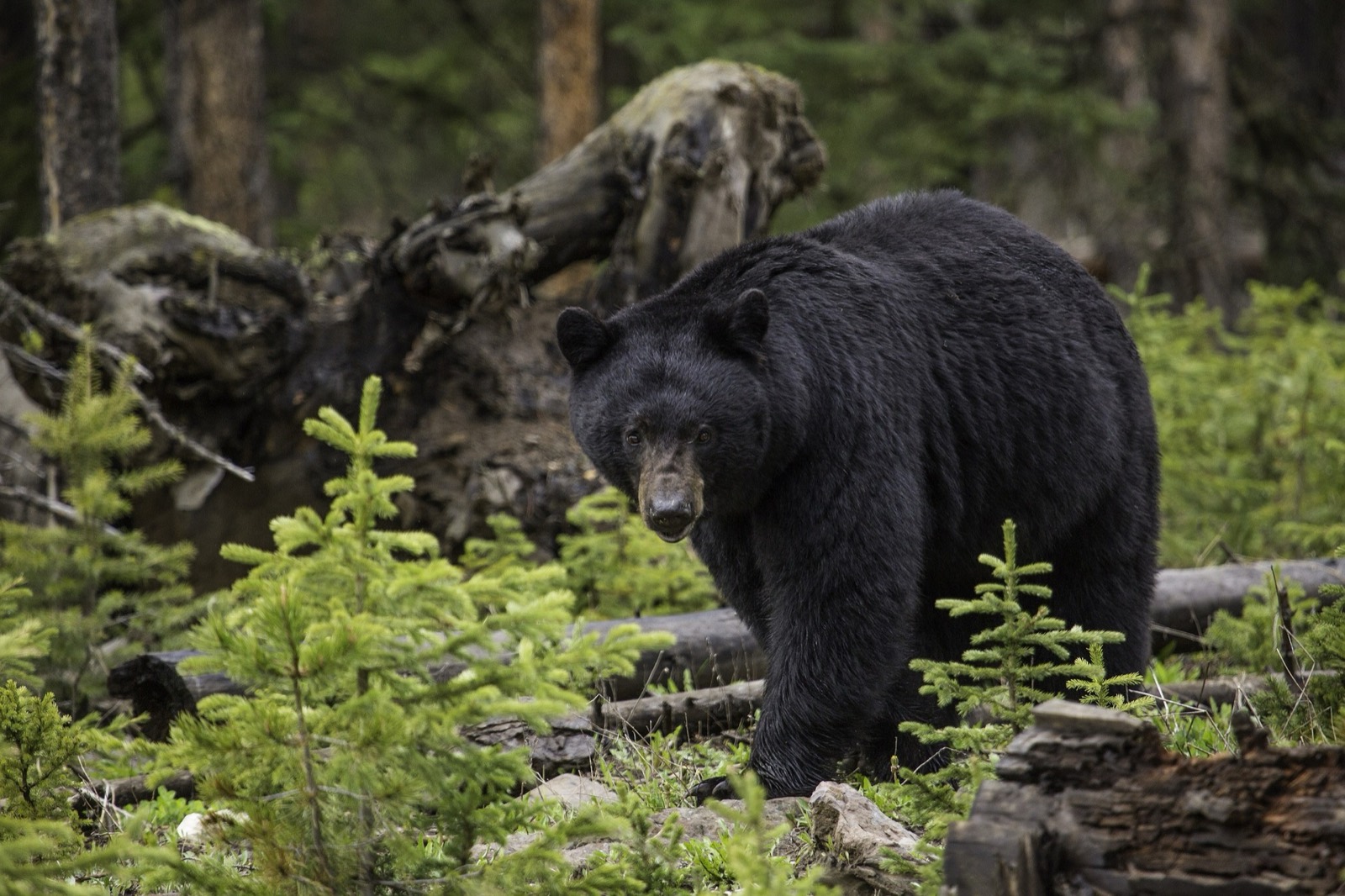
Black Bear
Black Bear has the broadest range in size of any living bear, with an average weight of 194 kg (427 lbs). Their habitat includes the northern coastal regions, mountain taiga and tundra, boreal forest, rainforest, high desert, and subarctic forest.
The black bear generally does not like to live in open areas. Instead, black bears live in den sites such as caves, under rock outcroppings, and fallen trees. These bears will also use hollow logs, dense brush piles, and small caves.
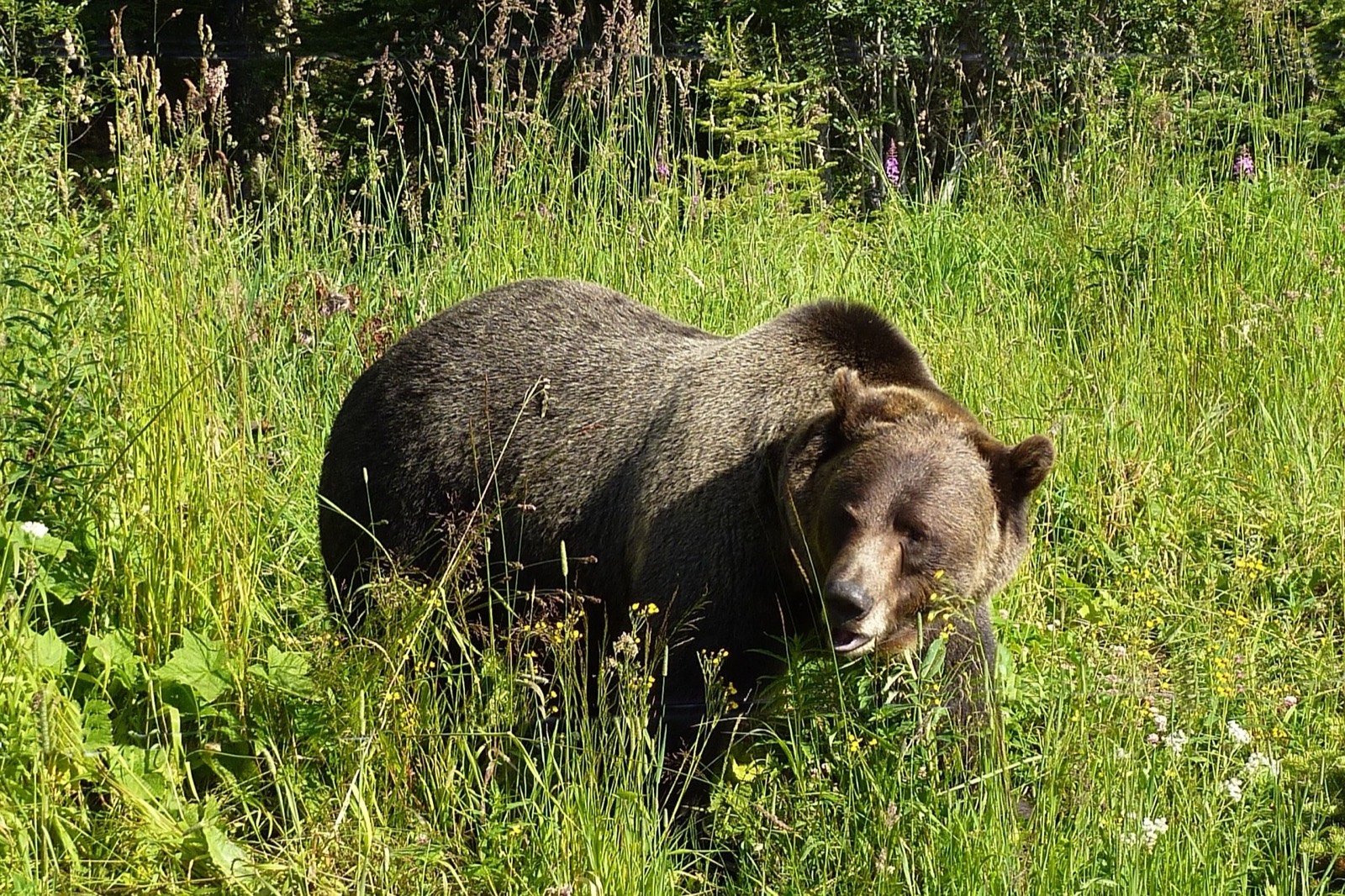
Brown / Grizzly Bear
Brown/grizzly bear is a large, typically brown bear found in the coastal regions of Alaska on Kodiak Island and along the Alaskan Peninsula. This species typically ranges from 120 - 700 kg (265-1,540 lbs).
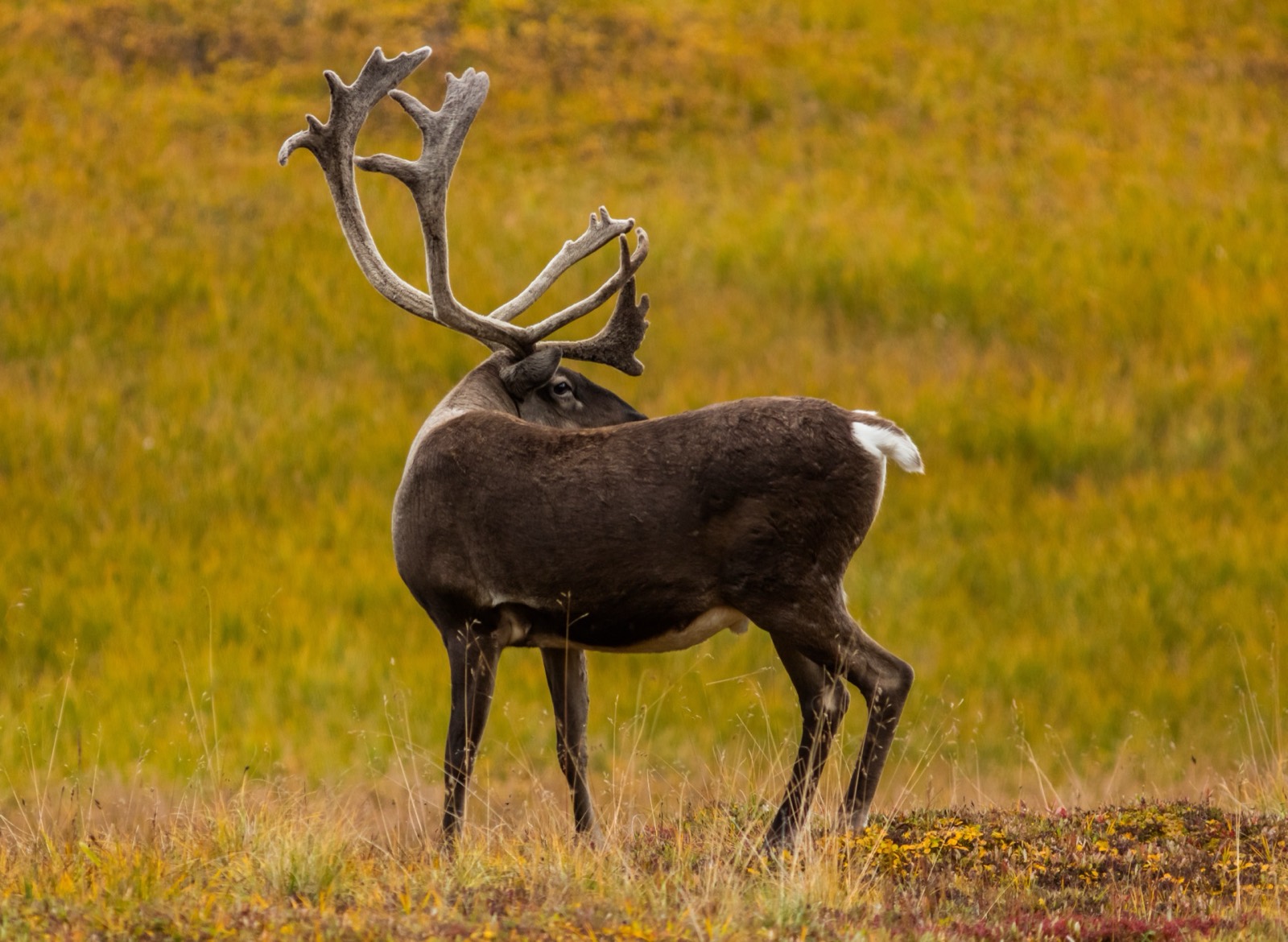
Caribou
Caribou is a species of deer found in tundra, boreal forest, and arctic regions across the state, with an average weight of around 110kg (243 lbs).
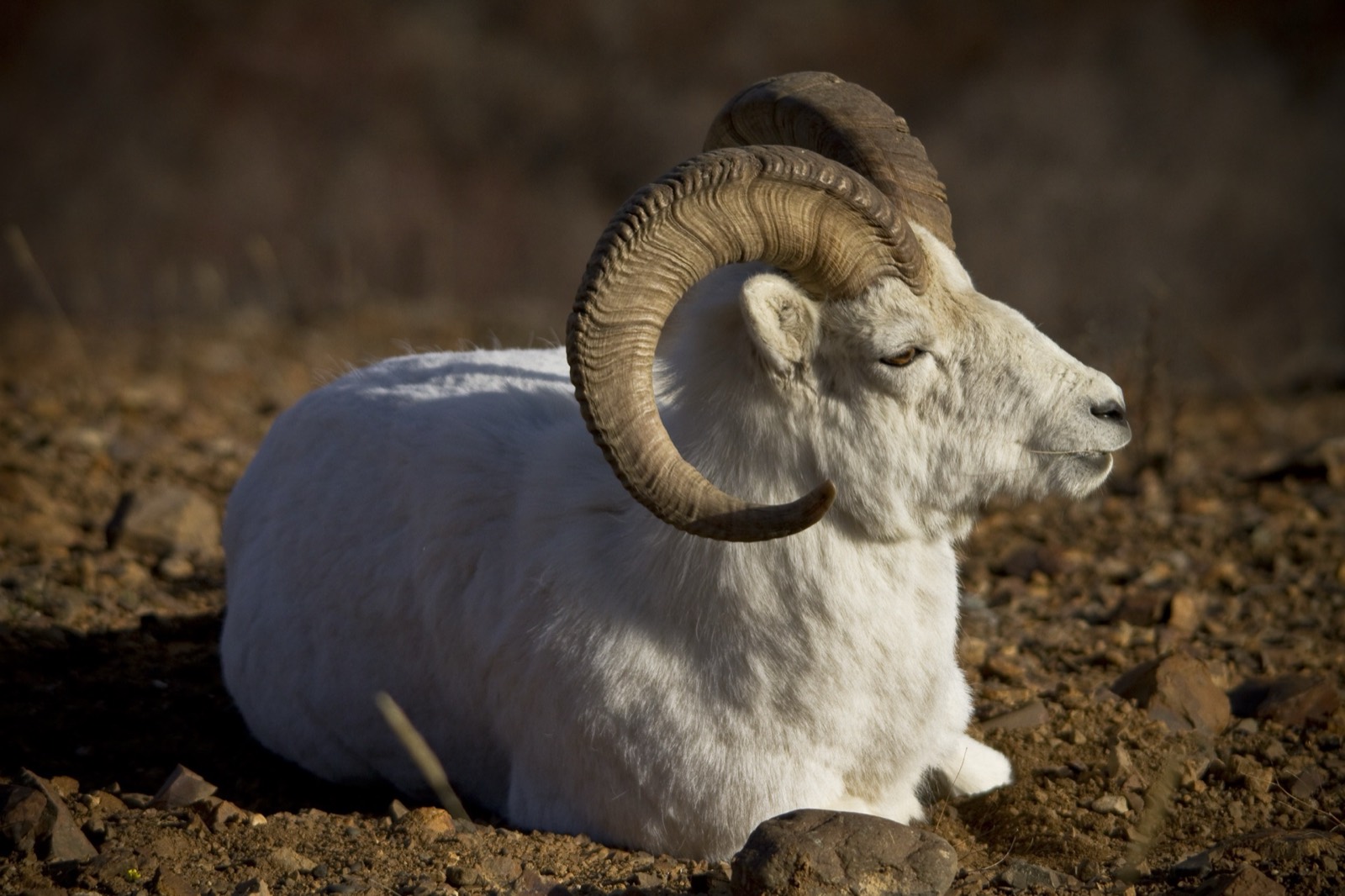
Dall Sheep
The Dall sheep with an average weight of about 154kg (339 lbs) can be found on the mountain slopes of Alaska.
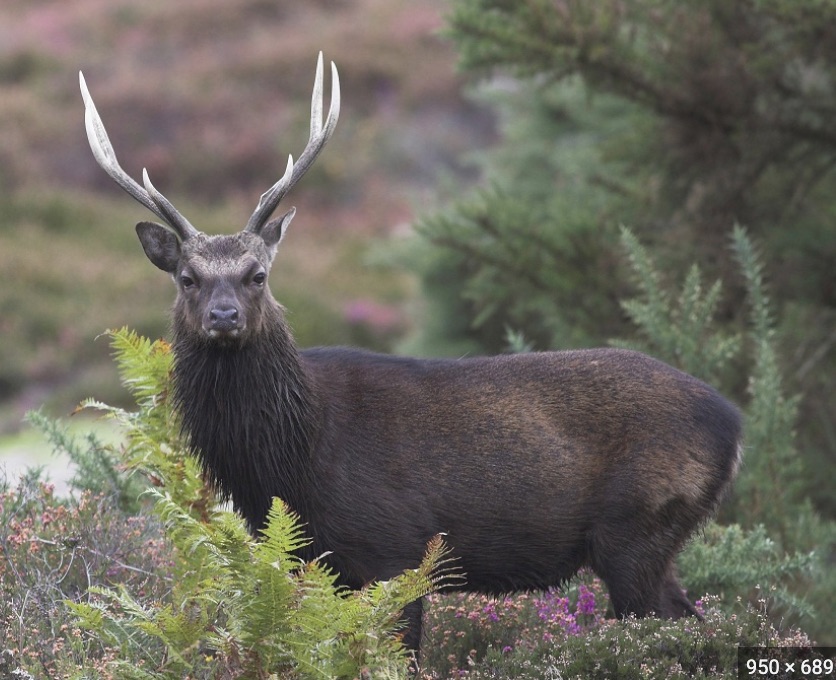
Sitka Black-Tailed Deer
Deer Sitka black-tailed deer found southeast of Alaska is a subspecies of mule deer native to the west coast of North America, from central British Columbia through Southeast Alaska.
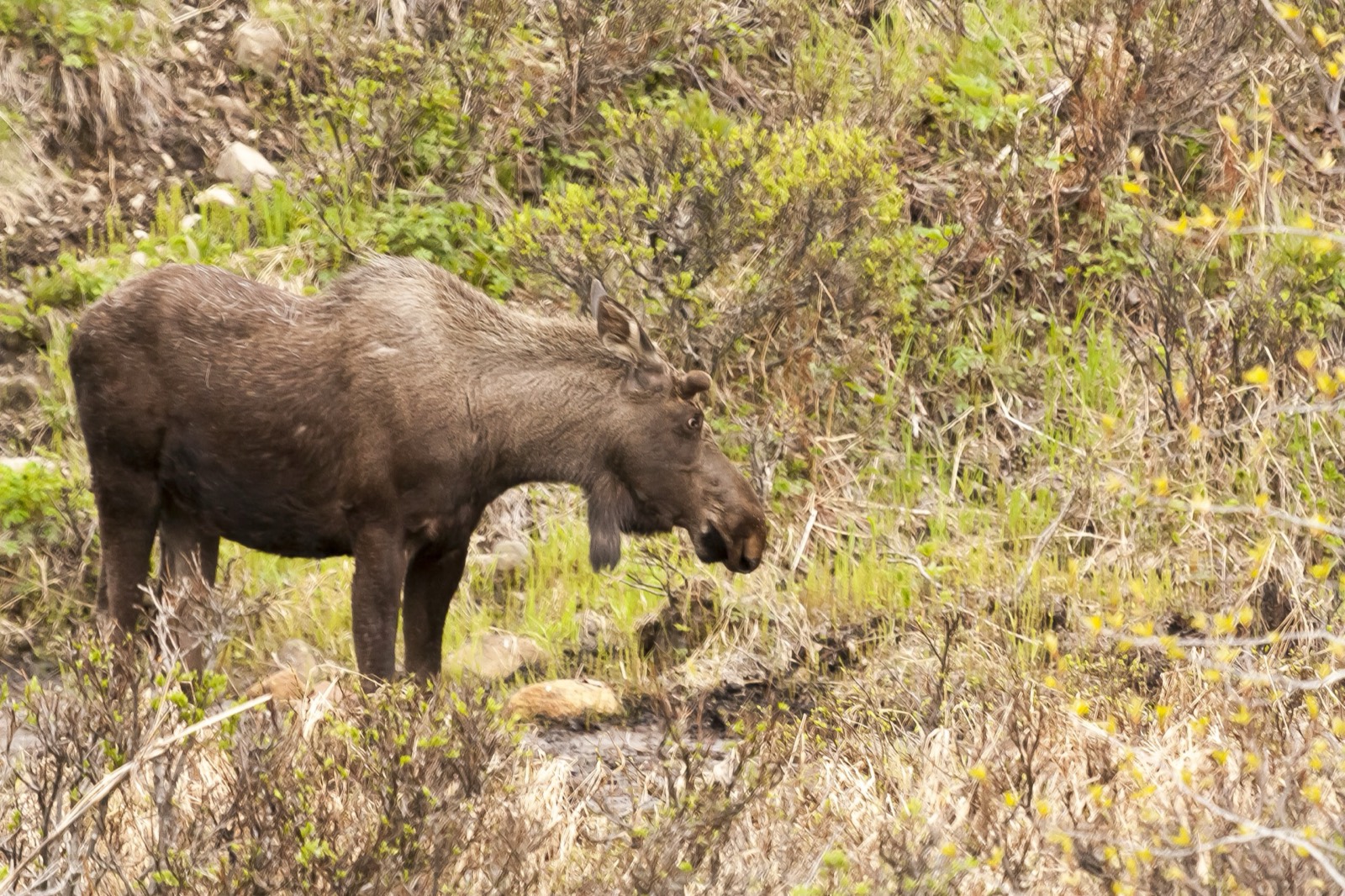
Moose
The moose, is a large deer that can weigh up to 730 kg (1,610 lbs). However, the largest moose on record weighed around 1,190 kg (2,626 lbs). Moose are widespread throughout Alaska.
They prefer large forest openings for feeding and travel corridors between forest stands. Moose are commonly found throughout Southeast Alaska.
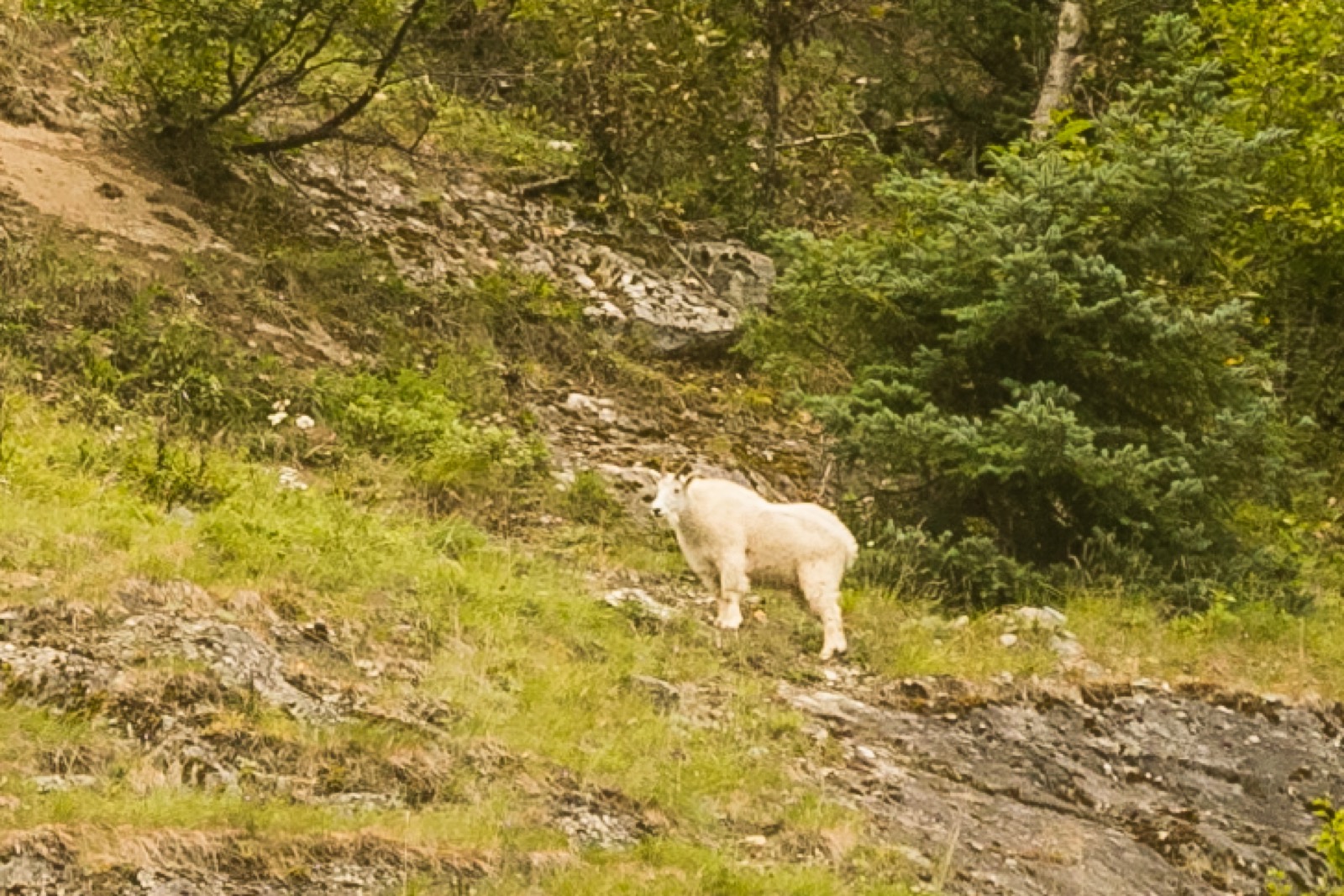
Mountain Goat
The mountain goat typically has a shoulder height of 100 cm (40 in), with the average weight being about 61kg (134 lbs). The mountain goat can be found on coastal mountains and high elevations.
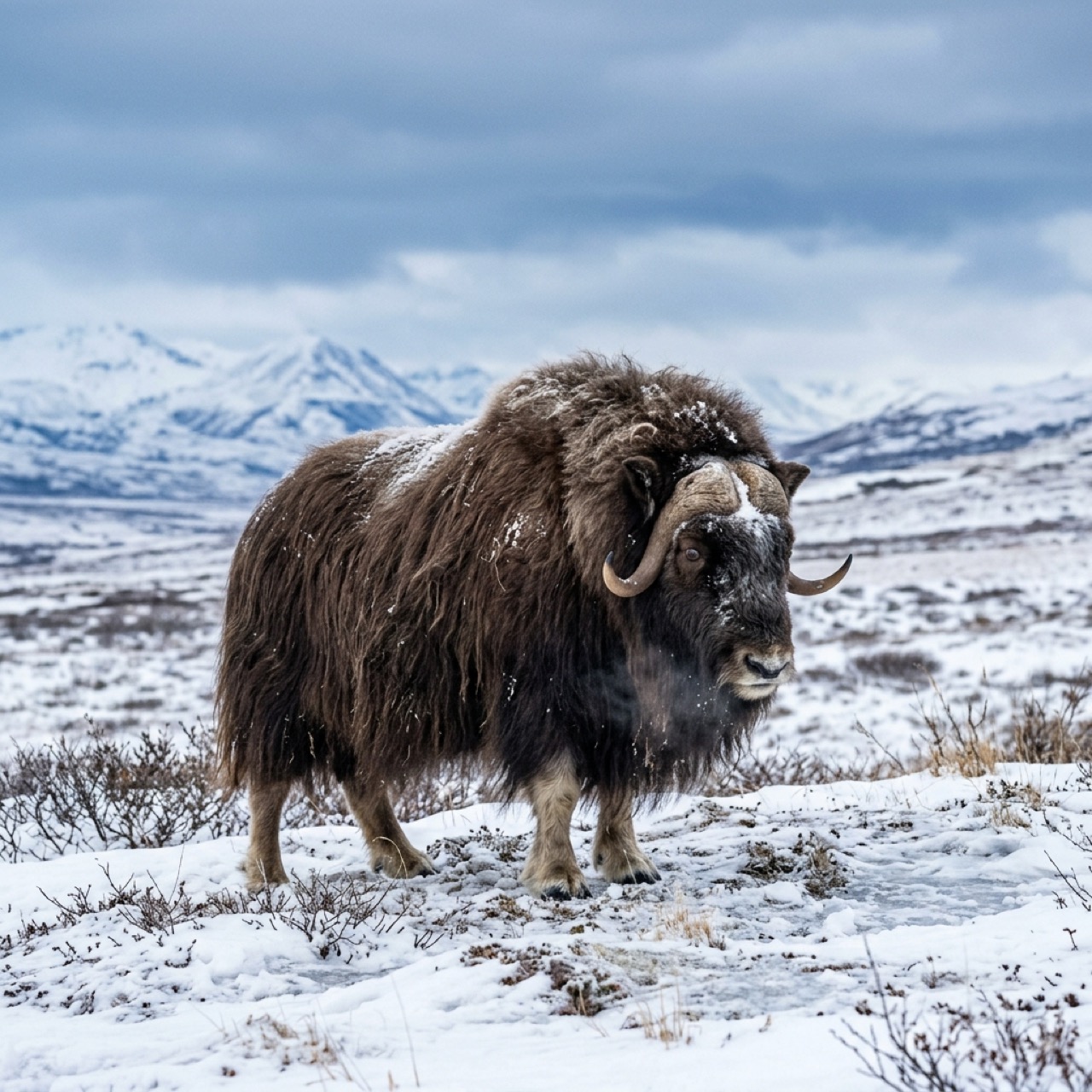
Muskox
Muskox in Alaska is found in the arctic regions of Alaska. This species has a large head and a thick, muscular neck with an average weight of around 130kg (290 lbs).
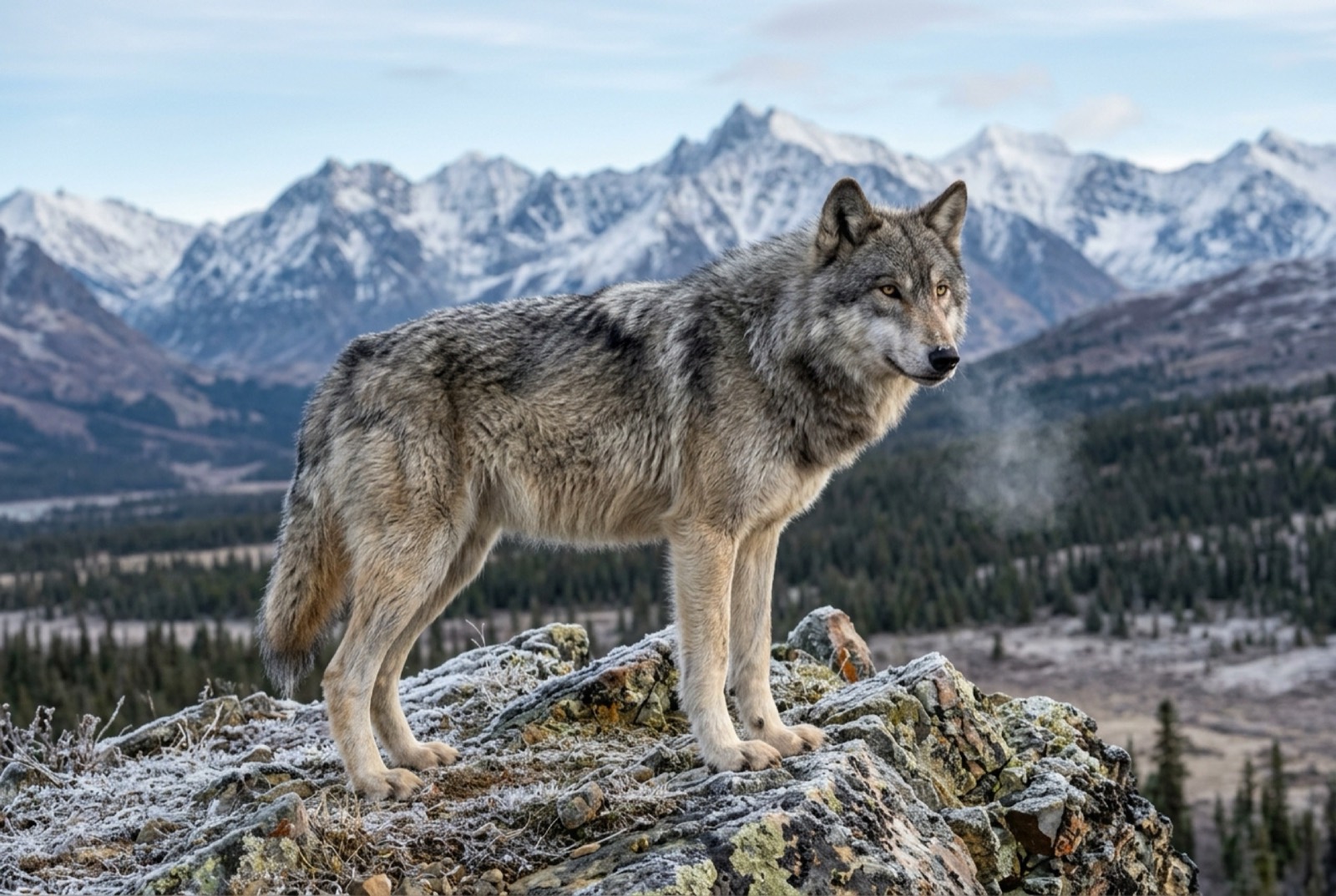
Wolf
Wolves are widespread throughout Alaska; however, densities are higher in the northern coastal regions.
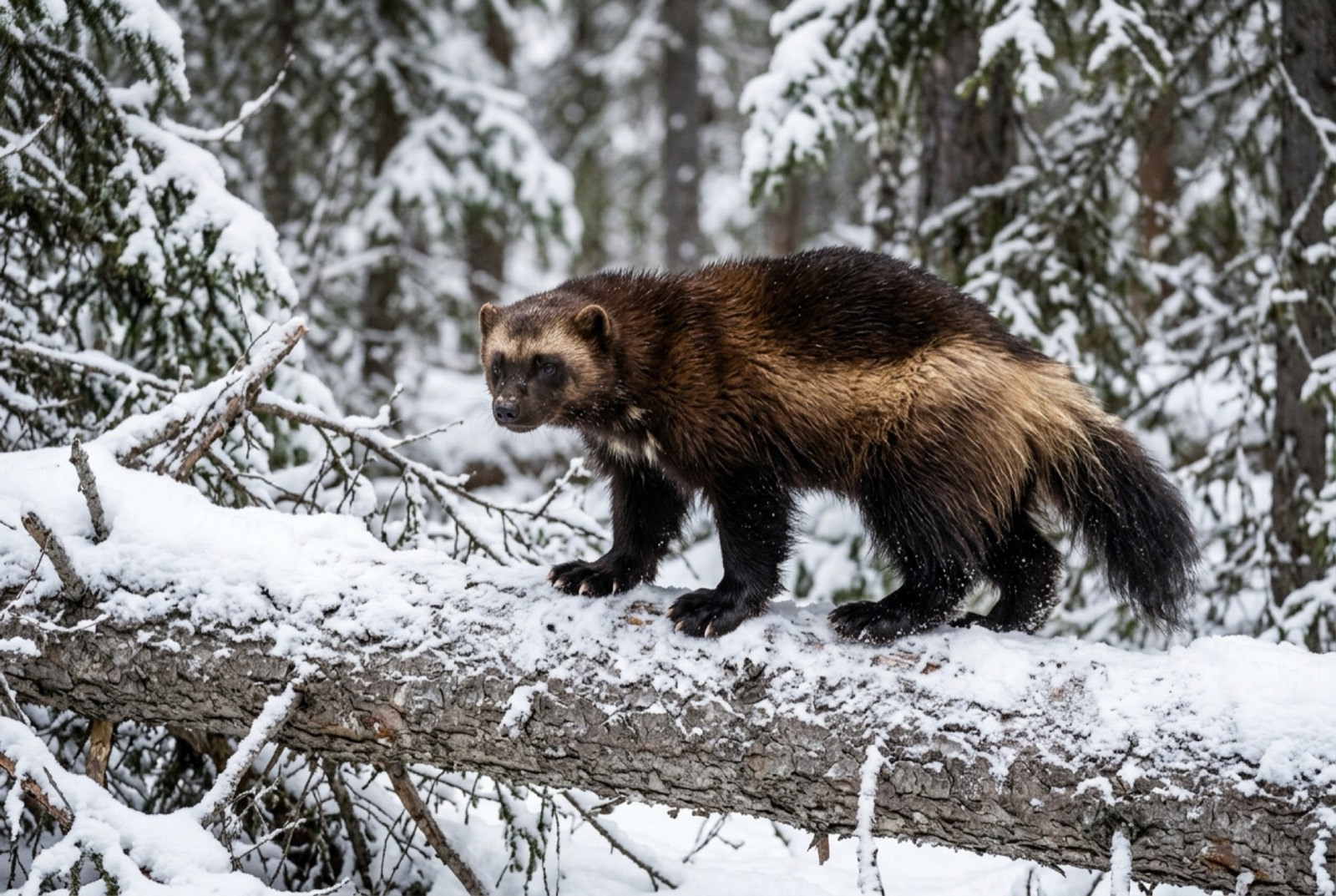
Wolverine
Wolverine is found in the northern coastal regions of Alaska. They are widespread throughout Alaska in the tundra, boreal forest, and mountain taiga habitats.
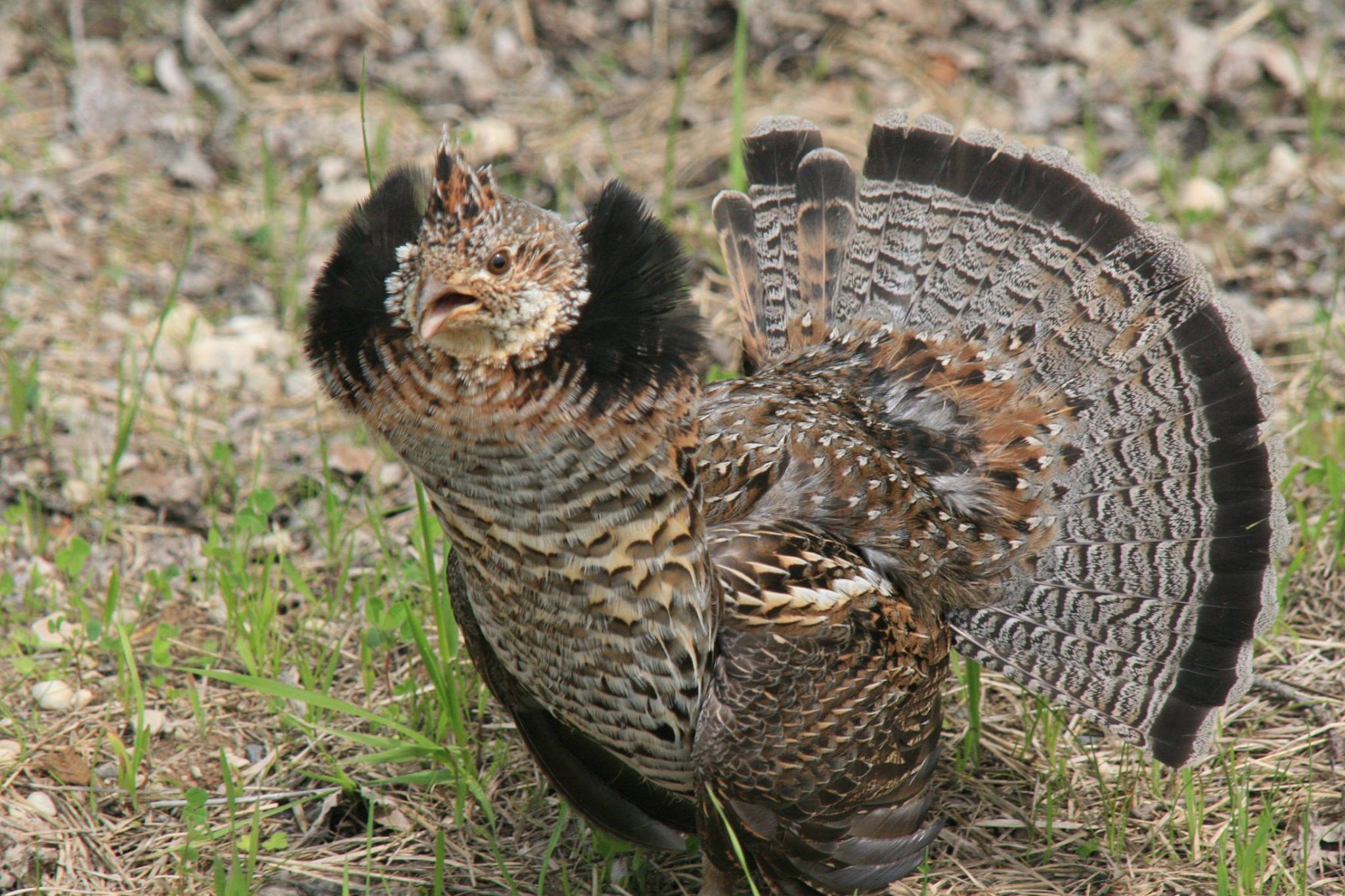
Grouse
Grouse is found in south-central Alaska. The ruffed grouse, commonly referred to as the partridge, is a medium-sized bird of the grouse family. Ruffed grouse are widespread throughout Alaska; however, densities are higher in spruce forests across northern coastal regions.
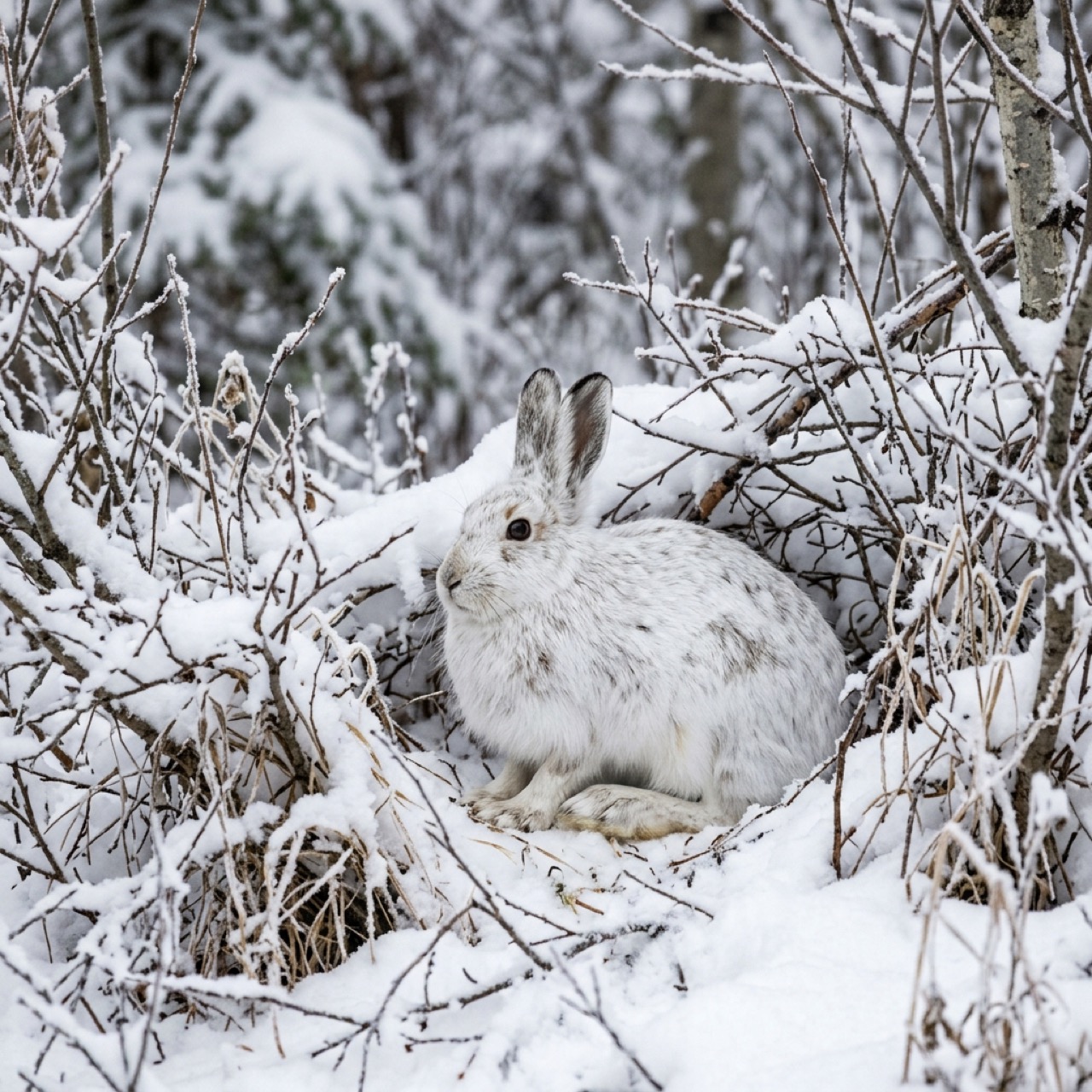
Snowshoe Hare
Snowshoe hare is a native species to coastal regions of Alaska. This species may be the only hare adapted to a cold climate with snow cover, though it is found in other northern regions that lack permanent snow.
The weight is between 2 - 3kg (4-6lbs), with an average weight around 3kg (6lbs).
The snowshoe hare can be found in coastal regions of Alaska, such as the coastlines and interior mountains. Their preferred habitats include spruce-fir forests and willow scrublands.
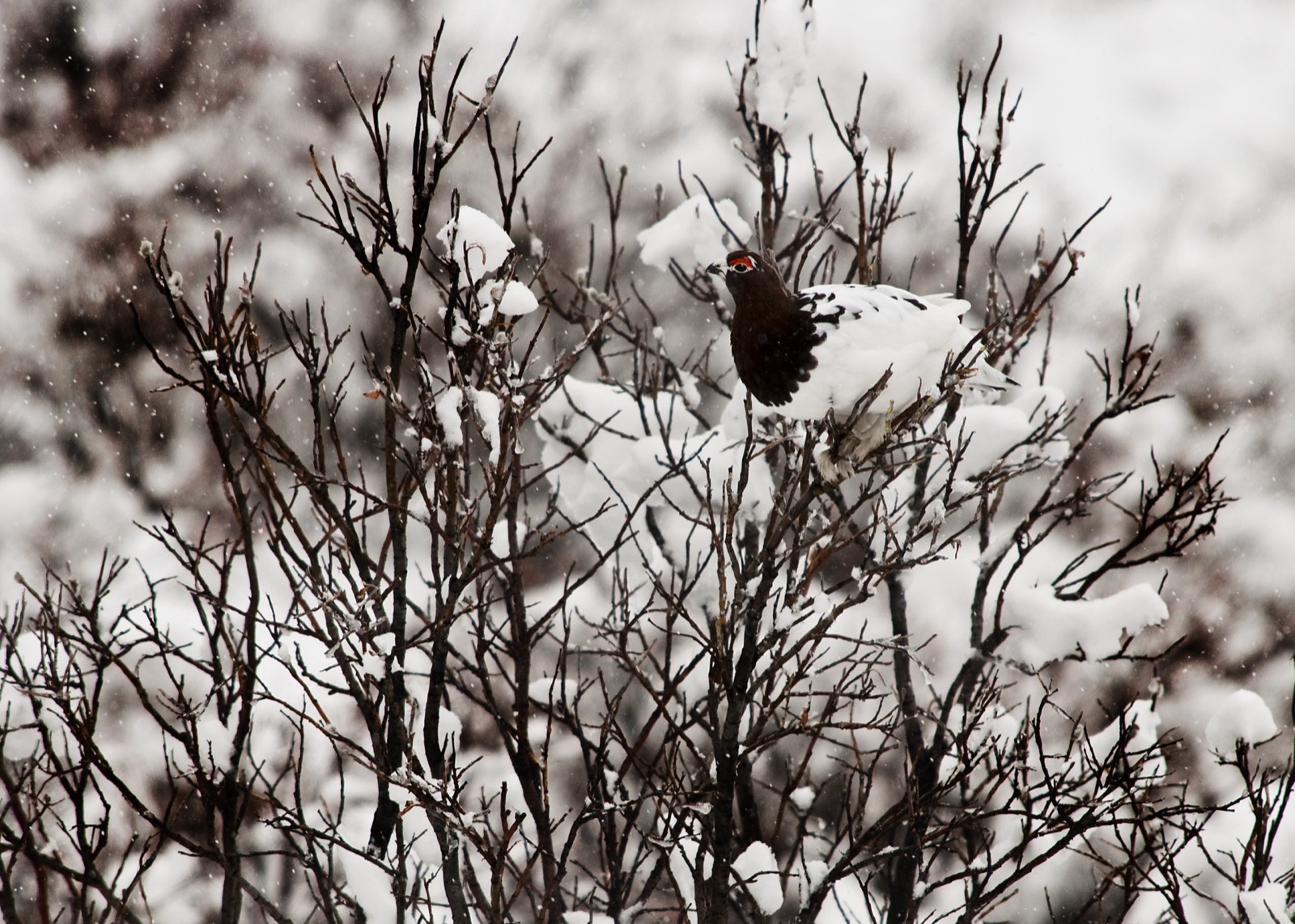
Ptarmigan
Ptarmigans are widespread throughout Alaska in habitats including tundra, boreal forest, and mountain taiga. A typical adult male weighs around 300g (0.7 lbs) and has a wingspan of about 50cm (20in). The female typically weighs nearly half that amount at 150g (0.3 lbs) with a typical wingspan of 35cm (14in).