Alaska
The Last Frontier. From coastal brown bears to interior moose and caribou, it is the pinnacle of North American hunting.
Big Game Hunting in Alaska
Official Regulatory Body
Alaska Department of Fish and Game (ADFG)
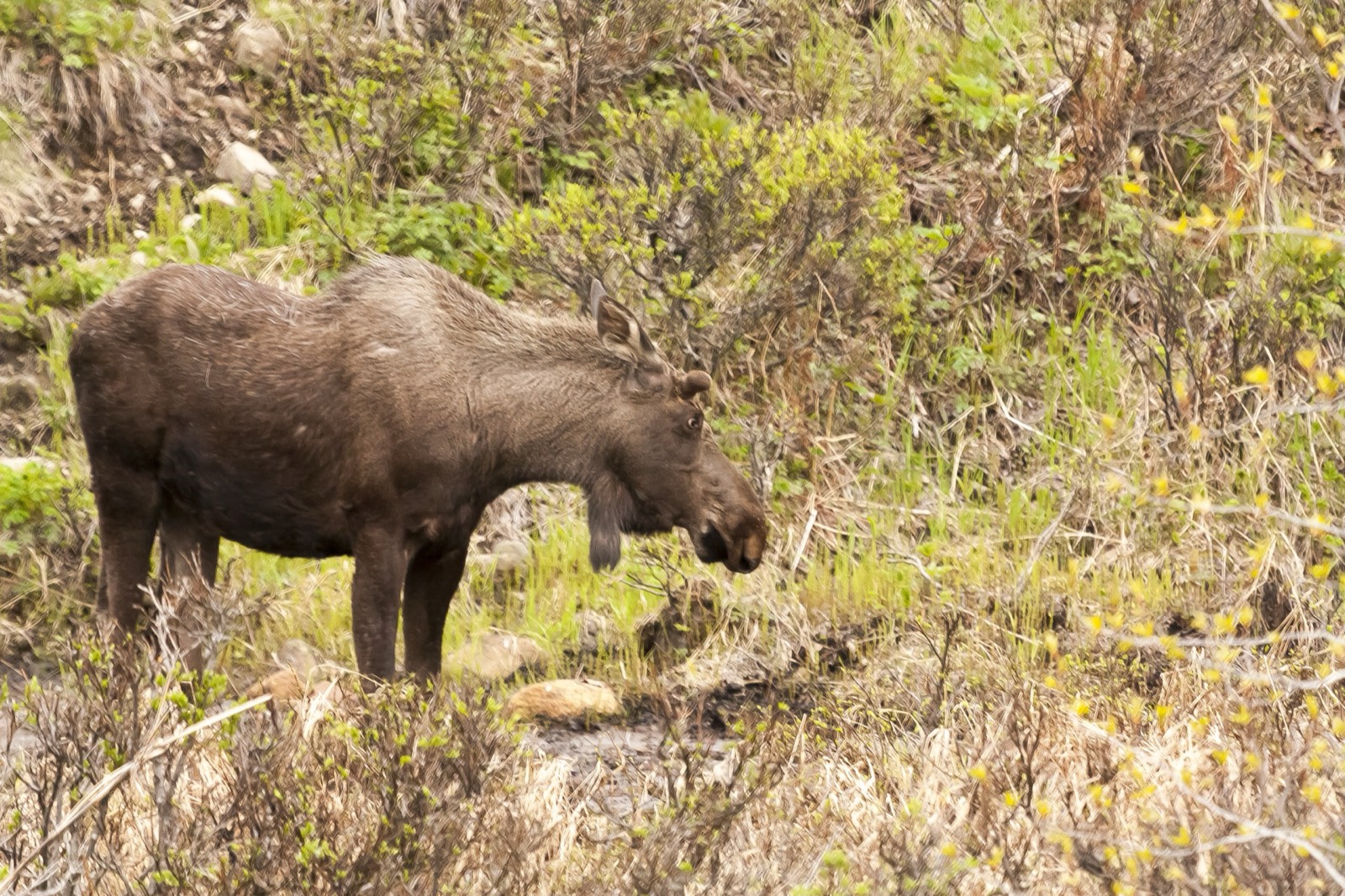
Yukon / Alaska Moose
Alaska is home to the giant Yukon moose—the largest antlered mammal on Earth, with mature bulls weighing over 1,600 lbs and antler spreads exceeding 65 inches. Thriving across interior river corridors (Yukon, Koyukuk, Kuskokwim), tundra drainages, and boreal willow flats, moose are traditionally hunted via jet-boat river expeditions, float trips, and backcountry spike camps during the September rut.
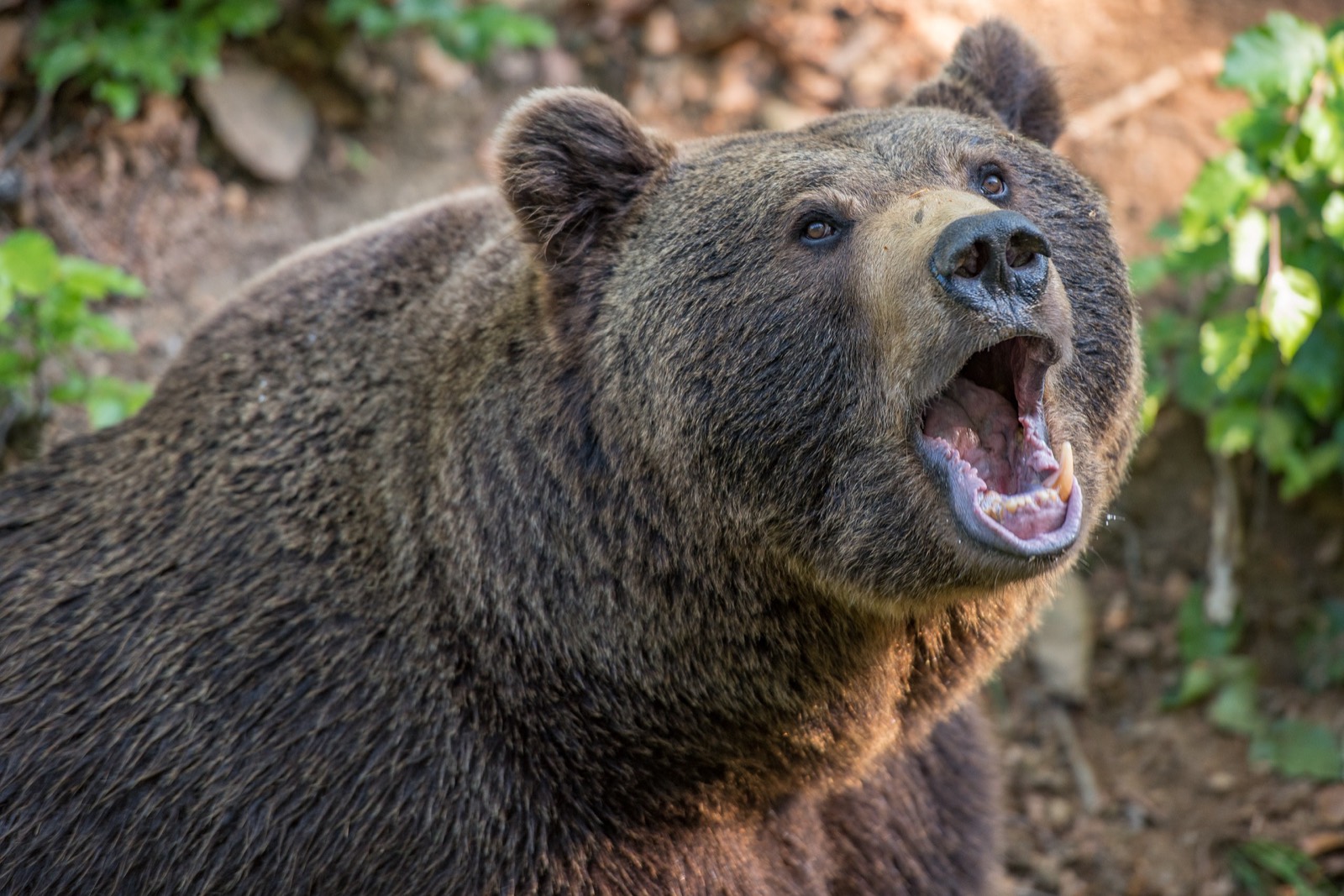
Alaskan Brown Bear (Coastal Giants)
World-famous trophy brown bears on Kodiak Island, the Alaska Peninsula, and Prince William Sound reach massive proportions with skull measurements exceeding 28 to 30+ inches. Hunters target these coastal apex giants in early spring when they emerge from mountain dens to feed on tidal beaches, and along autumn salmon spawning rivers.
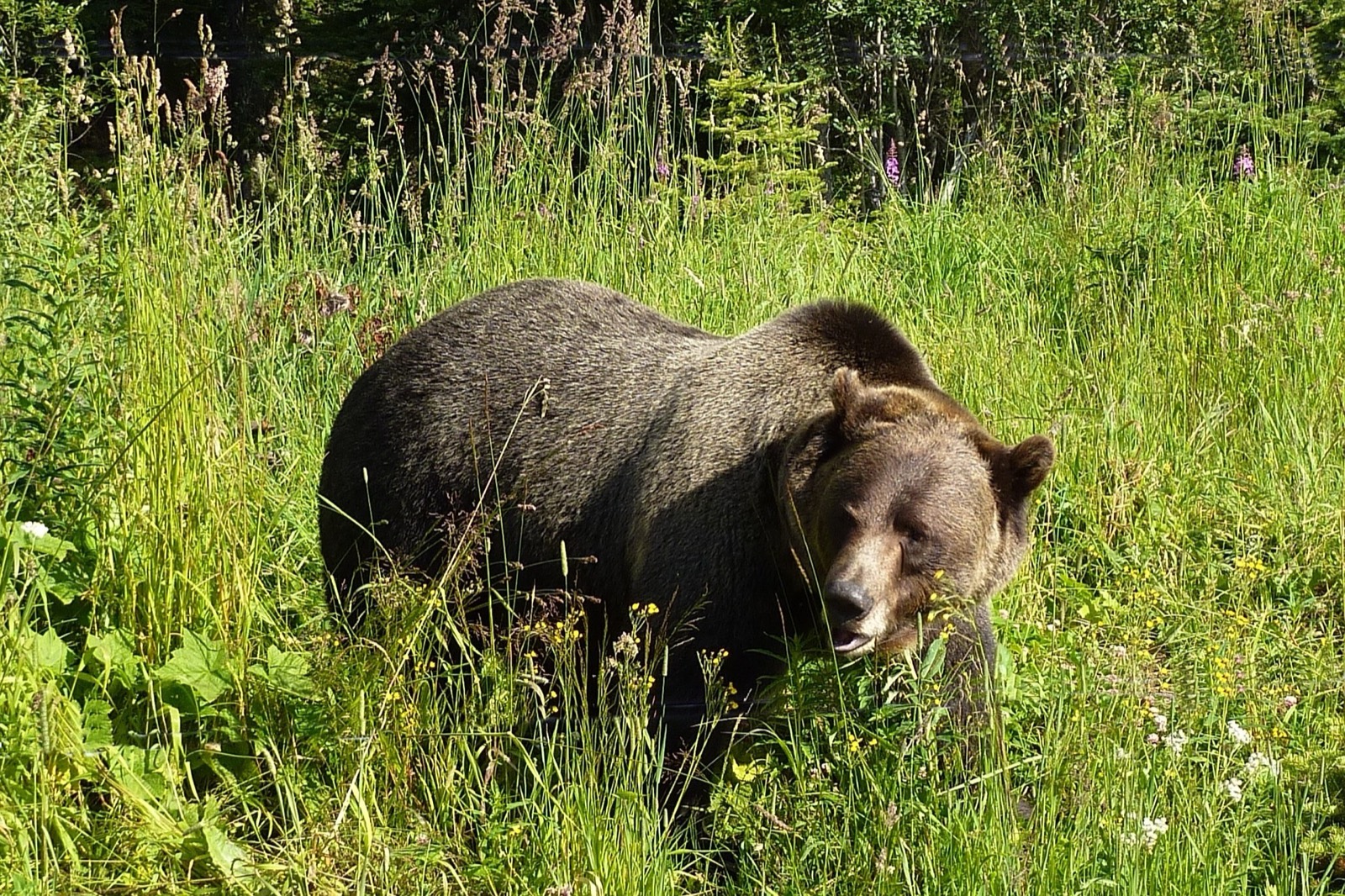
Interior Grizzly Bear
Inhabiting the vast open tundra of the Brooks Range, Alaska Range, and interior river basins, the silver-tipped interior grizzly is an agile, aggressive wilderness predator. Spot-and-stalk hunting across rolling blueberry ridges and caribou migration routes provides one of the wildest fair-chase experiences in North America.
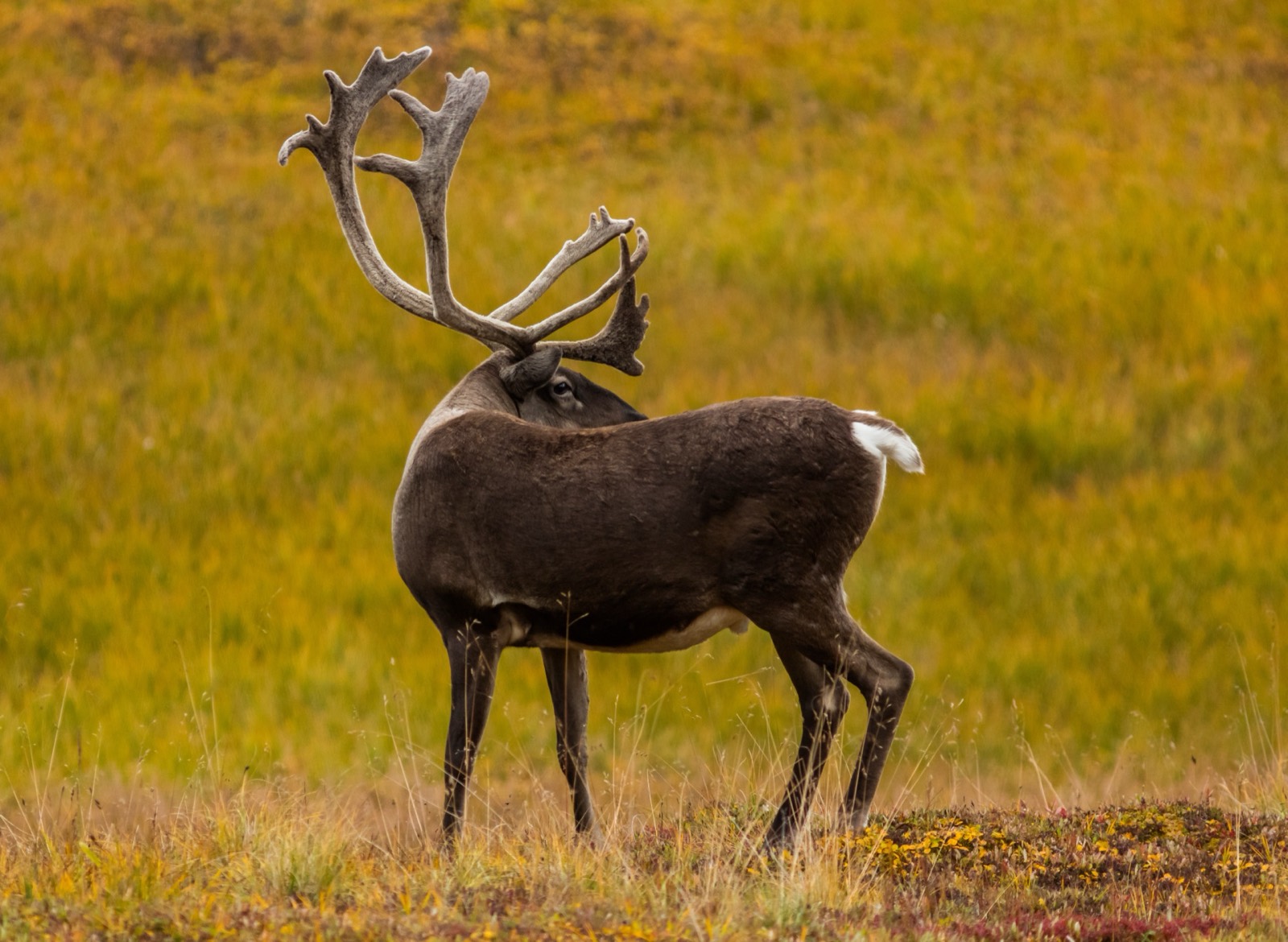
Barren-Ground Caribou
Nomadic herds like the Western Arctic, Porcupine, and Mulchatna herds migrate across hundreds of miles of Arctic and Subarctic tundra. Bulls develop massive double-shovels and sweeping top tines by late August. Backpacking and fly-in bush plane drop camps position hunters along traditional river crossings and tundra ridges.
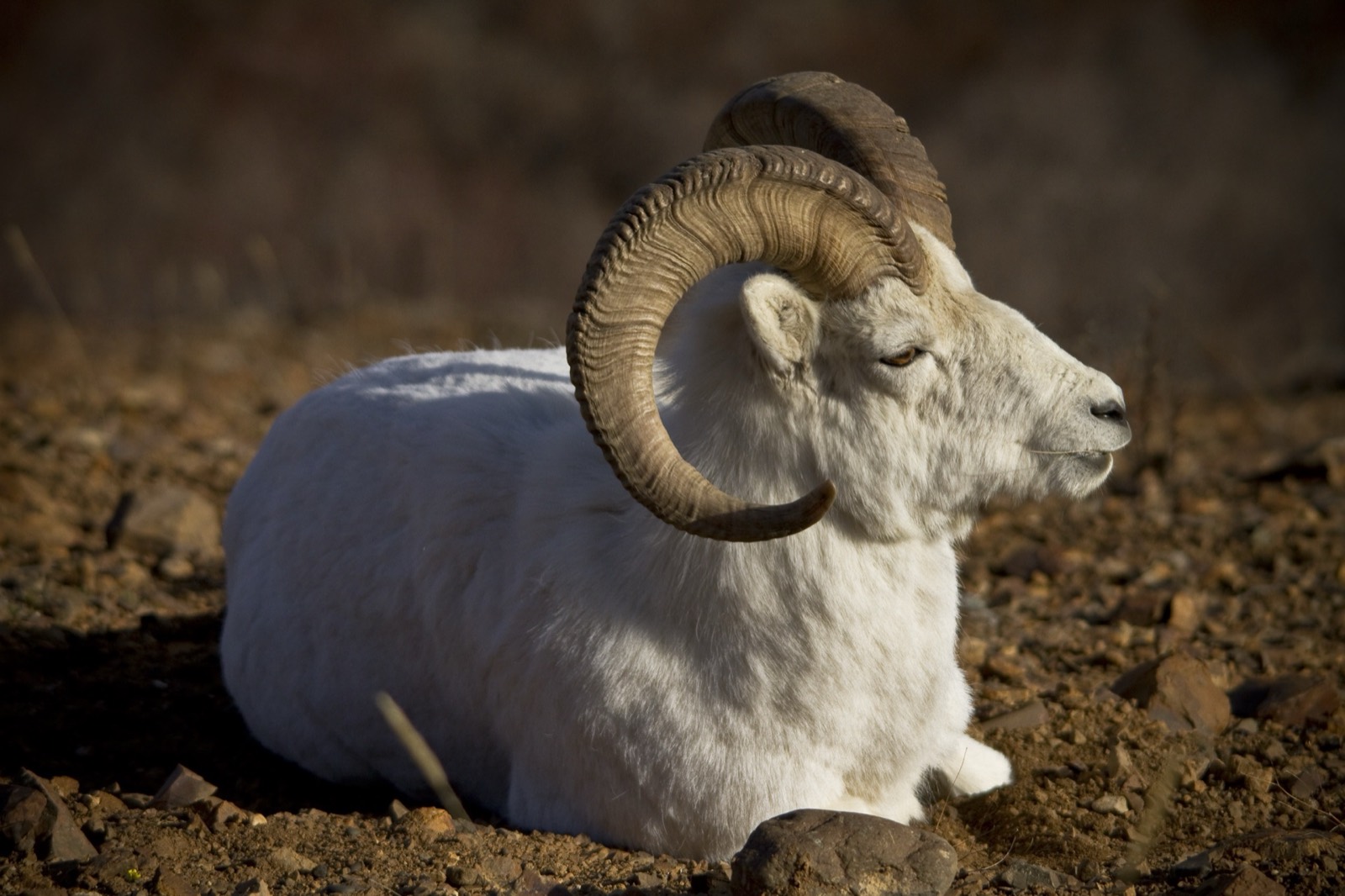
Dall Sheep
The gleaming white monarch of the northern alpine crags, Dall sheep rams with full-curl horns inhabit the most rugged peaks of the Brooks Range, Chugach, Wrangell, and Alaska Ranges. Hunting Dall sheep demands supreme mountain fitness, high-power tripod optics, and backpack-style wilderness bivouacking.
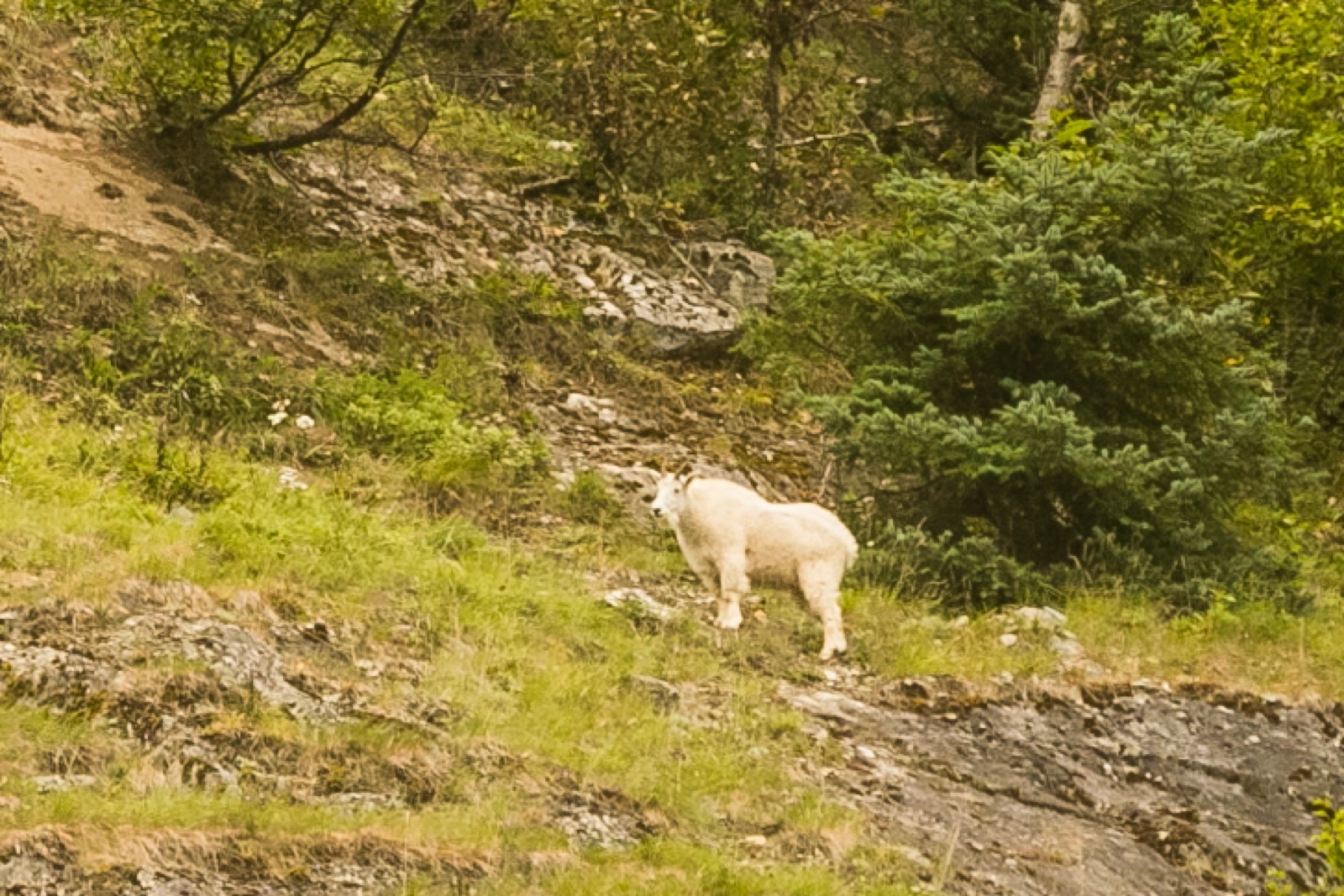
Rocky Mountain Goat
Living on the shear vertical cliffs and glaciated fiords of Southeast Alaska, Prince William Sound, and the Kenai Peninsula, mountain goats represent one of the most physically treacherous spot-and-stalk hunts on the continent. Long white coats develop in October as ocean storms batter the coastal ranges.
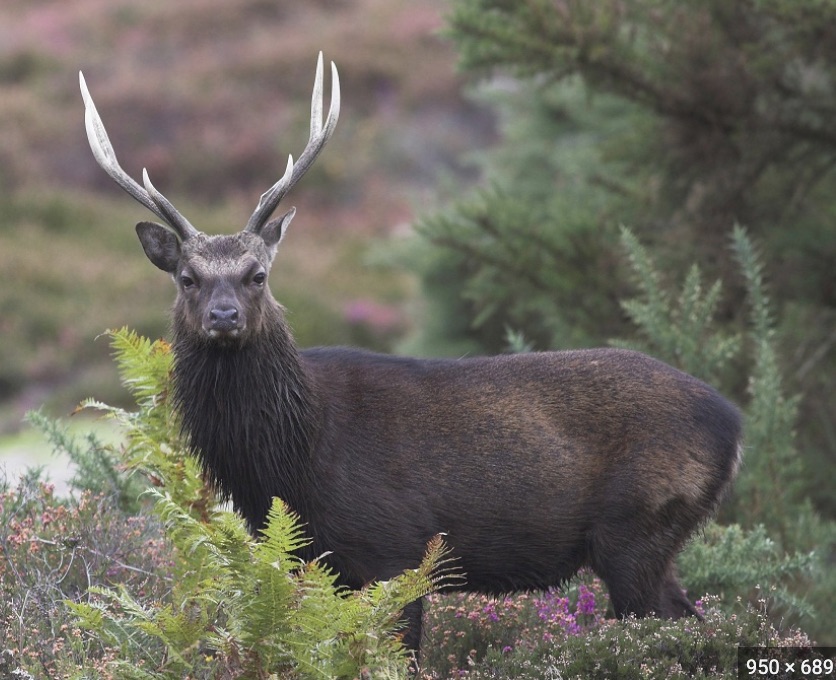
Sitka Black-Tailed Deer
Indigenous to the coastal temperate rainforests and island archipelagos of Southeast Alaska, Prince William Sound, and Kodiak Island. Stalked in high alpine muskegs above timberline during early August and hunted along ocean beaches and kelp lines following heavy November mountain snowfalls.
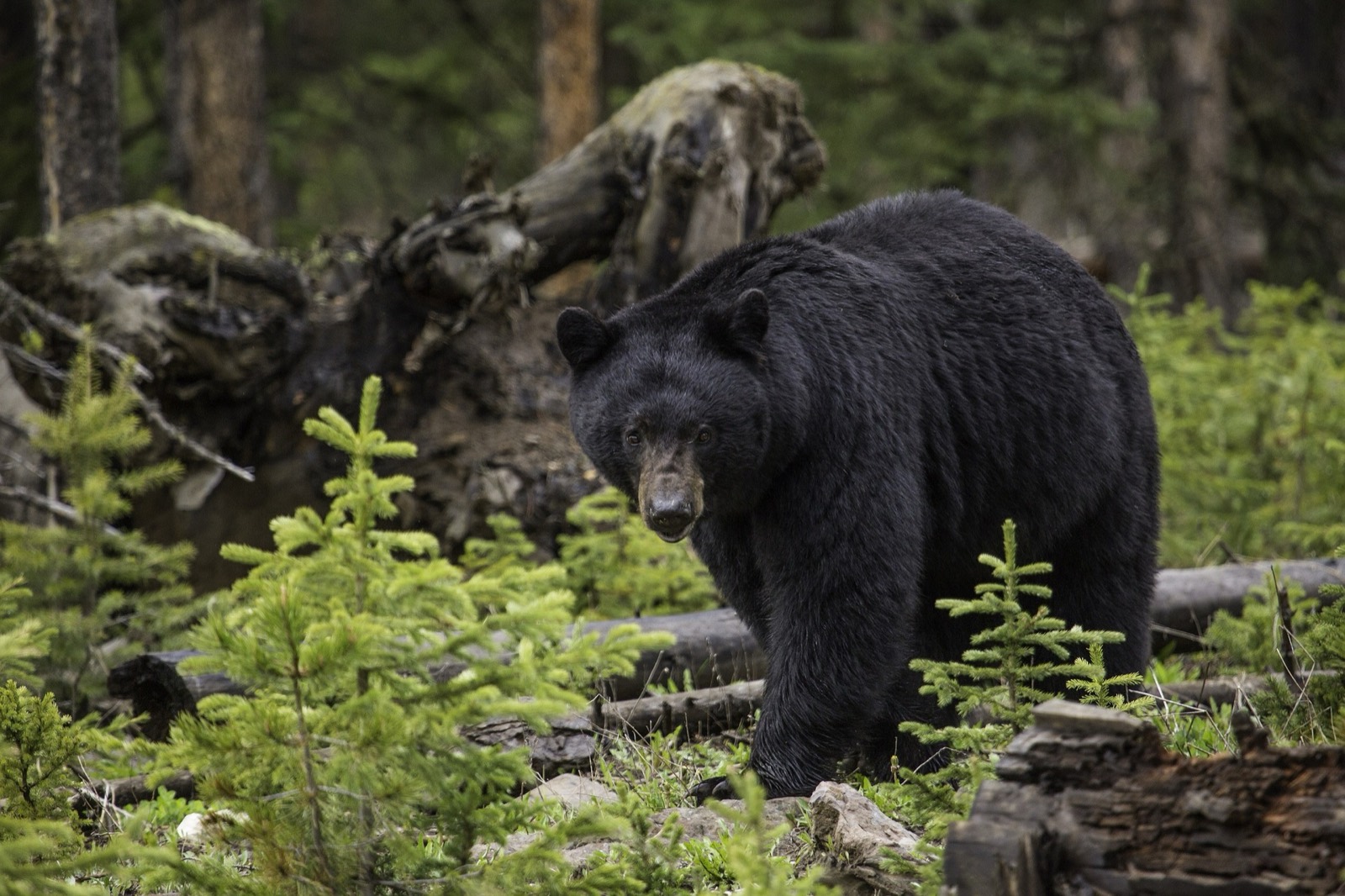
Alaska Black Bear
Occurring in extraordinary numbers across mainland boreal forests and coastal islands like Prince of Wales. In spring, hunters glass tidal shorelines and estuaries from skiffs; in autumn, spot-and-stalk opportunities peak along salmon streams and high-elevation alpine berry patches.
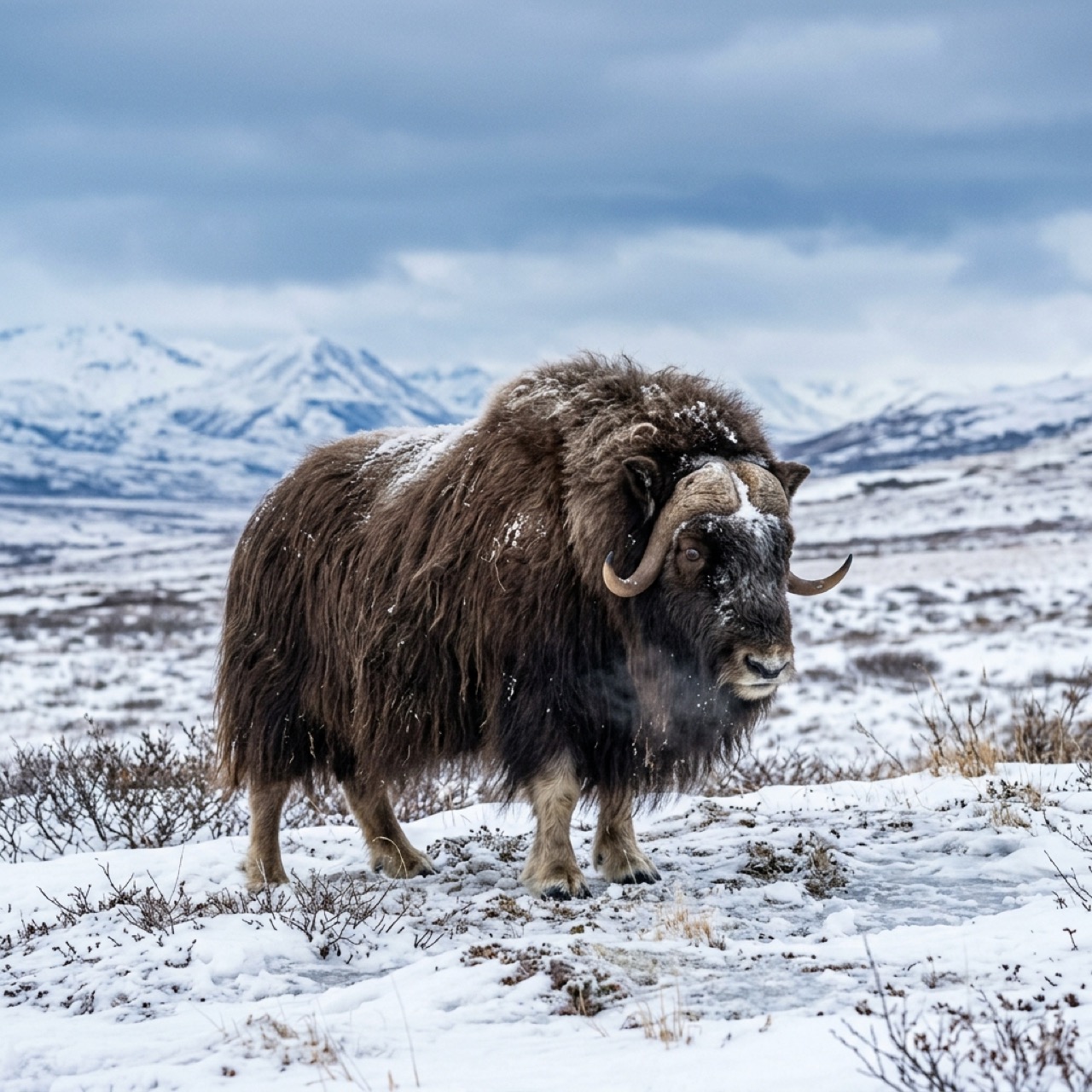
Arctic Muskox
Ancient Ice Age survivors with sweeping boss horns and thick qiviut underwool, muskox roam the frozen tundra of Nunivak Island, the Seward Peninsula, and Arctic coastal plains. Governed by strict lottery permits, winter hunts via snowmachine or dog sled face extreme sub-zero Arctic temperatures.