New Mexico
Land of Enchantment. Gila wilderness trophy elk, high-speed desert pronghorn, and pure draw tag lotteries.
Big Game Hunting in New Mexico
Official Regulatory Body
New Mexico Department of Game and Fish (NMDGF)
Rocky Mountain Elk
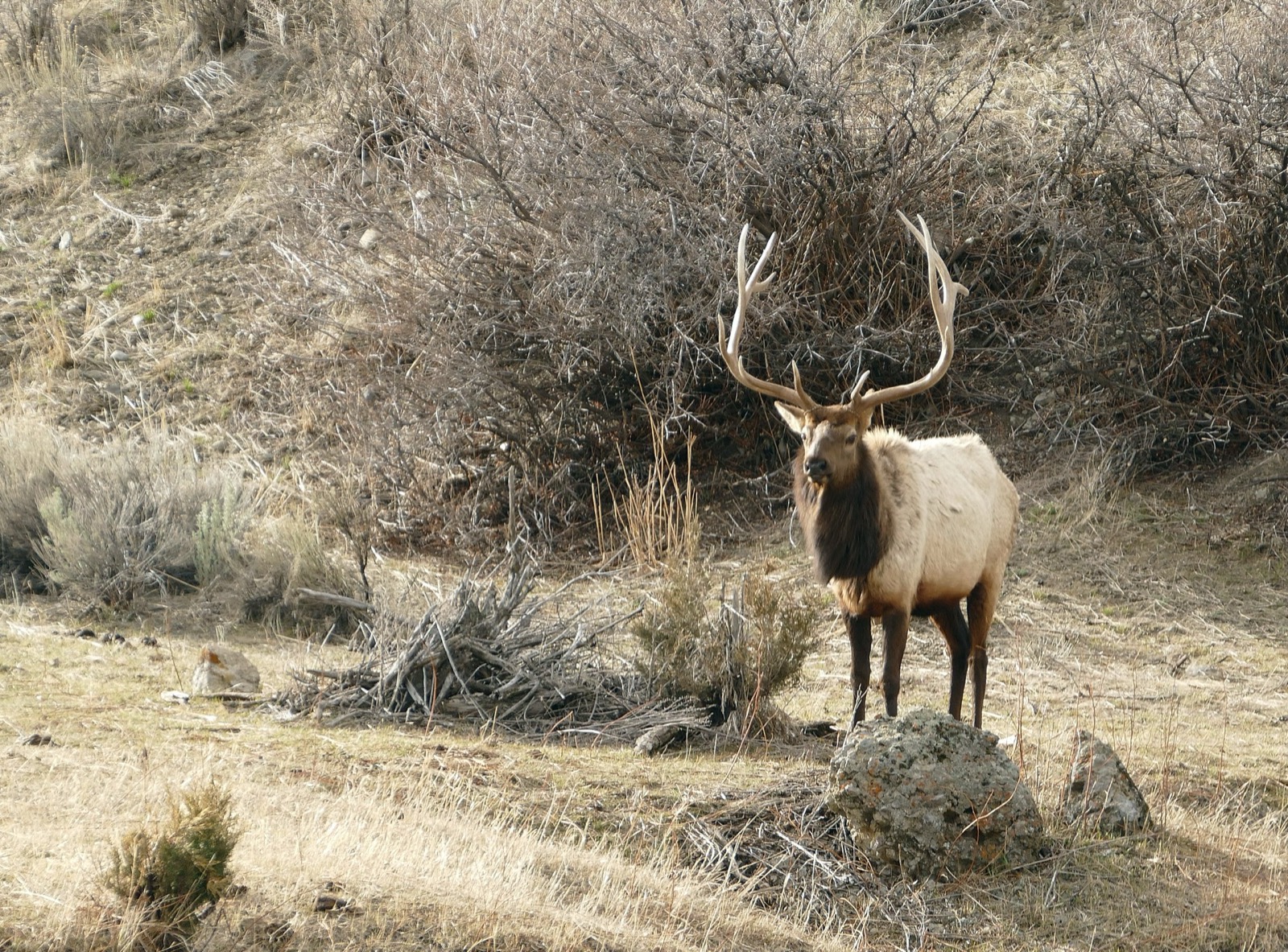
New Mexico is universally celebrated for producing some of the largest bull elk on planet Earth. The state's premier southwestern region—anchored by the world-famous Gila National Forest (Units 16A, 16D, 16E) and the Valle Vidal in the north—yields massive 370-to-400+ inch bulls with staggering mass and antler length.
New Mexico Department of Game and Fish (NMDGF) conducts an annual spring draw with no preference points—every applicant has an equal chance every year. Early September archery in the Gila offers unforgettable screaming bugle action in piñon-juniper and ponderosa pine forests. Muzzleloader and rifle hunts in October provide premier opportunities across public lands and private ranches with landowner authorizations.
Mule Deer
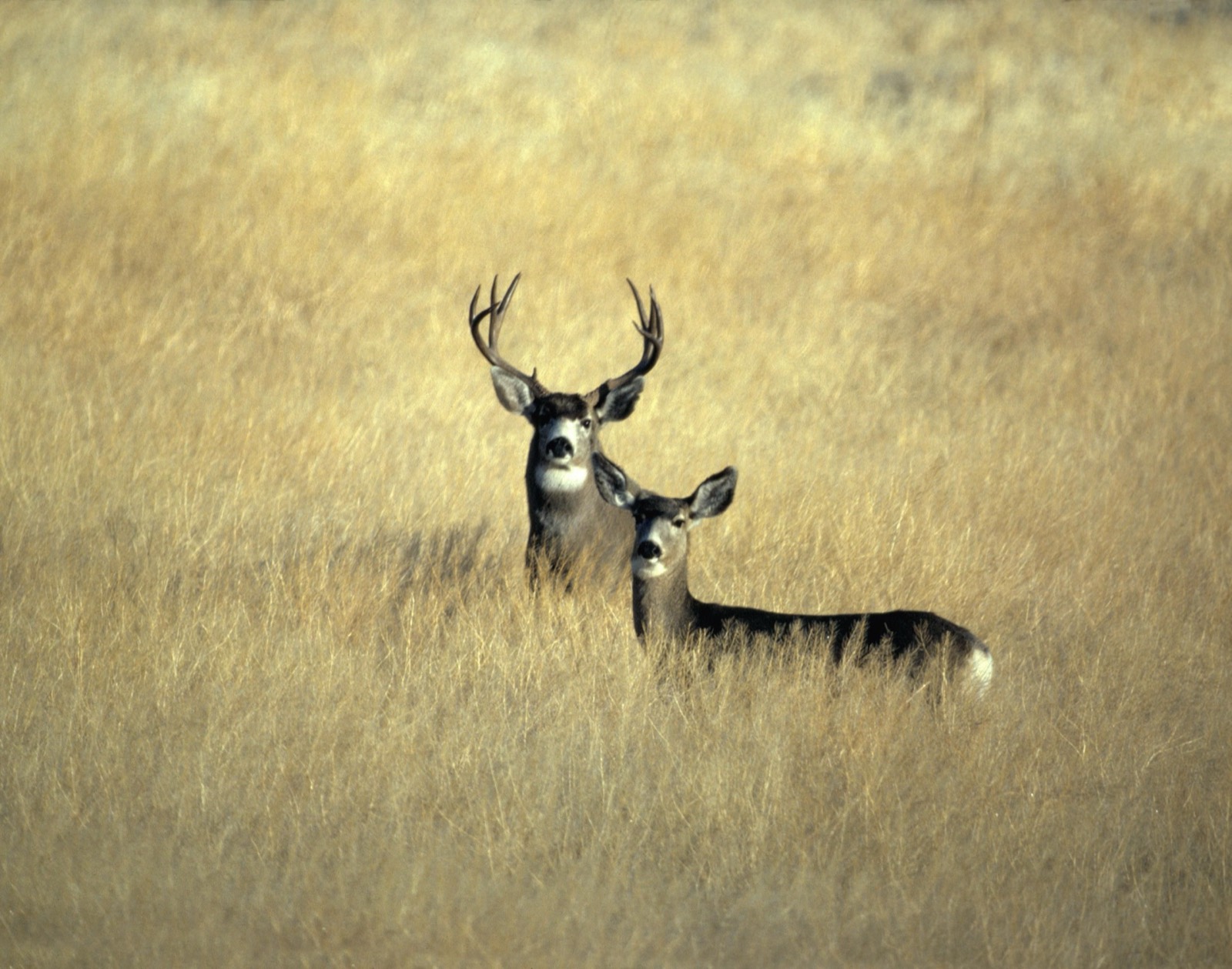
From the historic high-desert trophy haven of Rio Arriba County (Units 2B and 2C) to the rugged desert mountains of the south, New Mexico holds world-class mule deer genetics. Rio Arriba has produced more Boone & Crockett mule deer entries than almost any county in North America.
Hunters can pursue velvet bucks in high-elevation wilderness in September archery seasons, or target mature desert bucks during late-season November and December rut hunts. Tactics require patient glassing of distant sage flats, piñon-covered ridges, and arroyo brush with high-magnification binoculars mounted on rigid tripods.
Coues Whitetail Deer
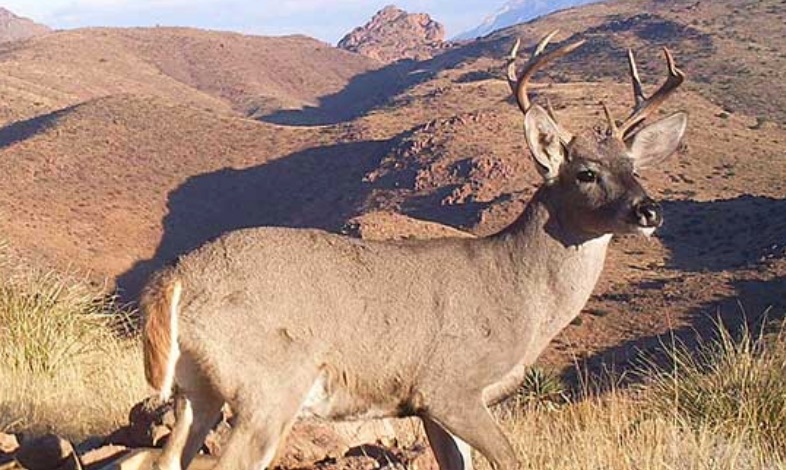
The elusive Coues deer—affectionately dubbed "The Grey Ghost"—inhabits the Madrean sky islands and rugged brush country of southwestern New Mexico (Units 23, 24, 26, 27). This diminutive subspecies of whitetail is considered one of the ultimate tests of patience and marksmanship in western hunting.
Coues bucks blend seamlessly into desert oak brush and sotol hillsides. December rifle hunts during the breeding rut offer the best chance to spot mature trophy bucks as they actively pursue does across open canyon faces. Hunters spend entire days behind 15x56 binoculars and spotting scopes, frequently making precise shots across canyons at 300 to 500+ yards.
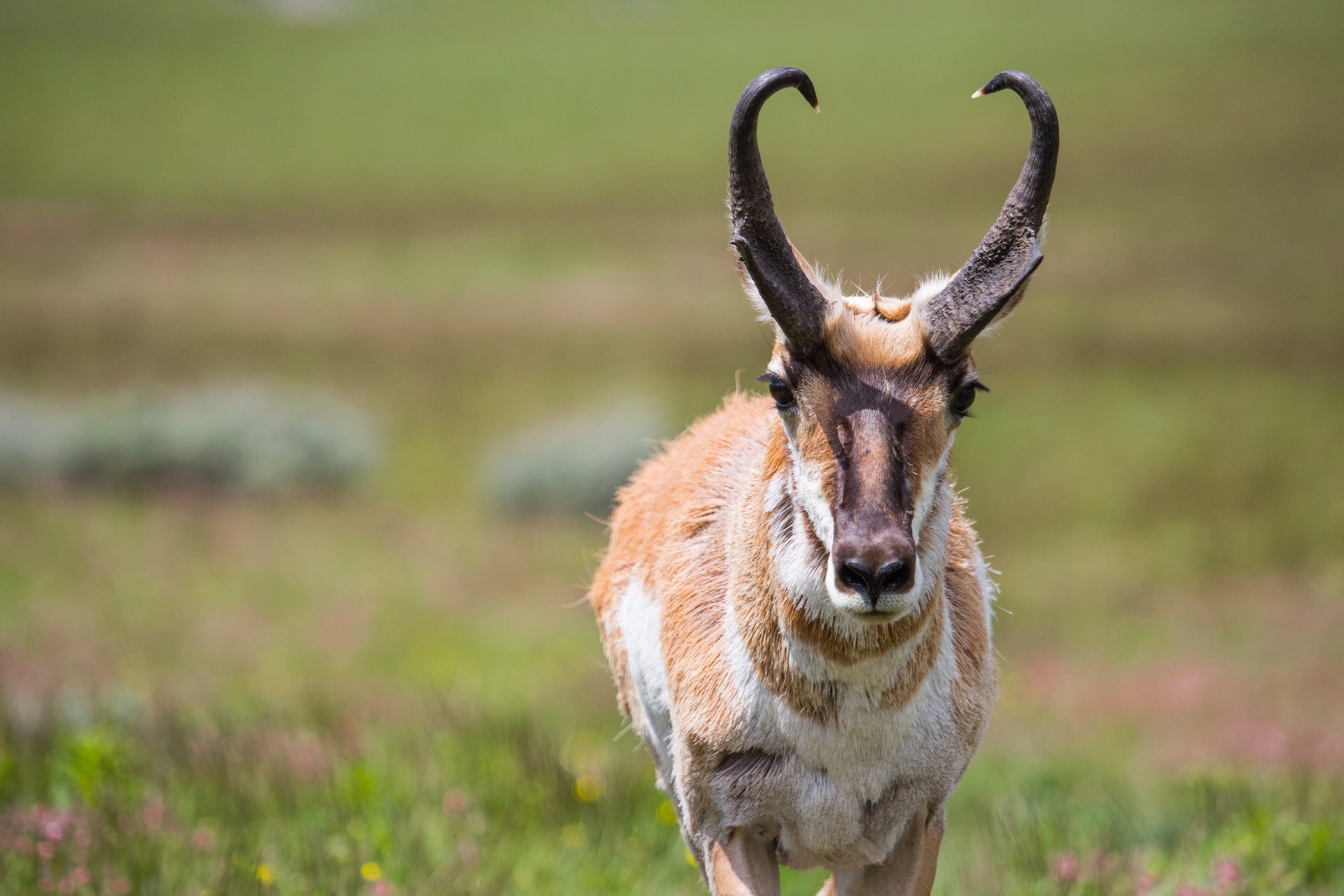
Pronghorn Antelope
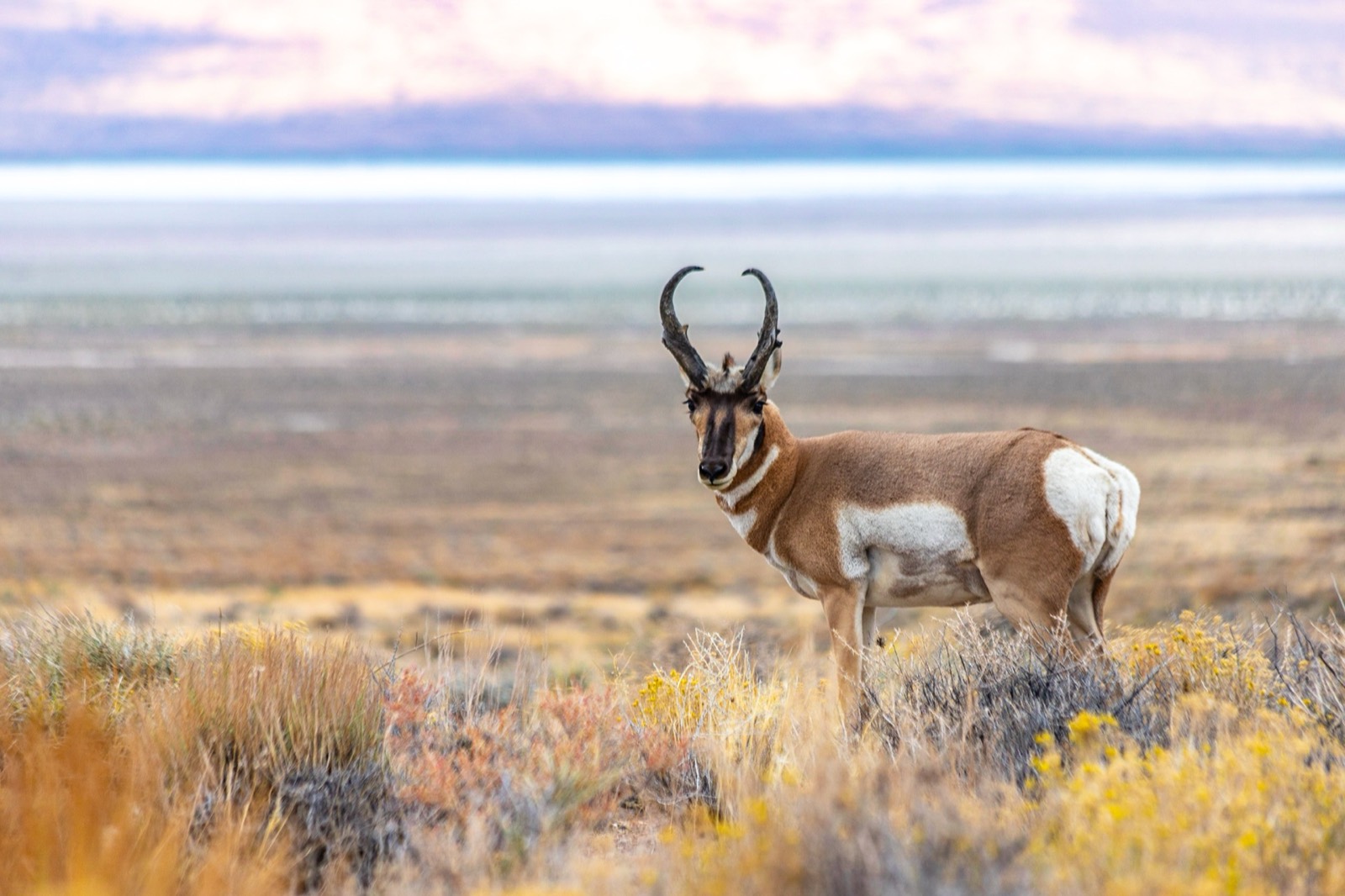
The shortgrass prairie and high-desert plateaus of northeastern and central New Mexico harbor exceptional pronghorn populations. With heavy horn mass and deep cutters, New Mexico bucks frequently score in the high 70s and 80s.
Top hunt units span the plains around Roswell, Clayton, and Roy. Following regulatory reforms, public draw hunters now enjoy open public-land access across designated units, while private-land hunts are arranged directly with ranch owners. The August archery and October rifle seasons feature intense spot-and-stalk action across expansive prairie expanses.
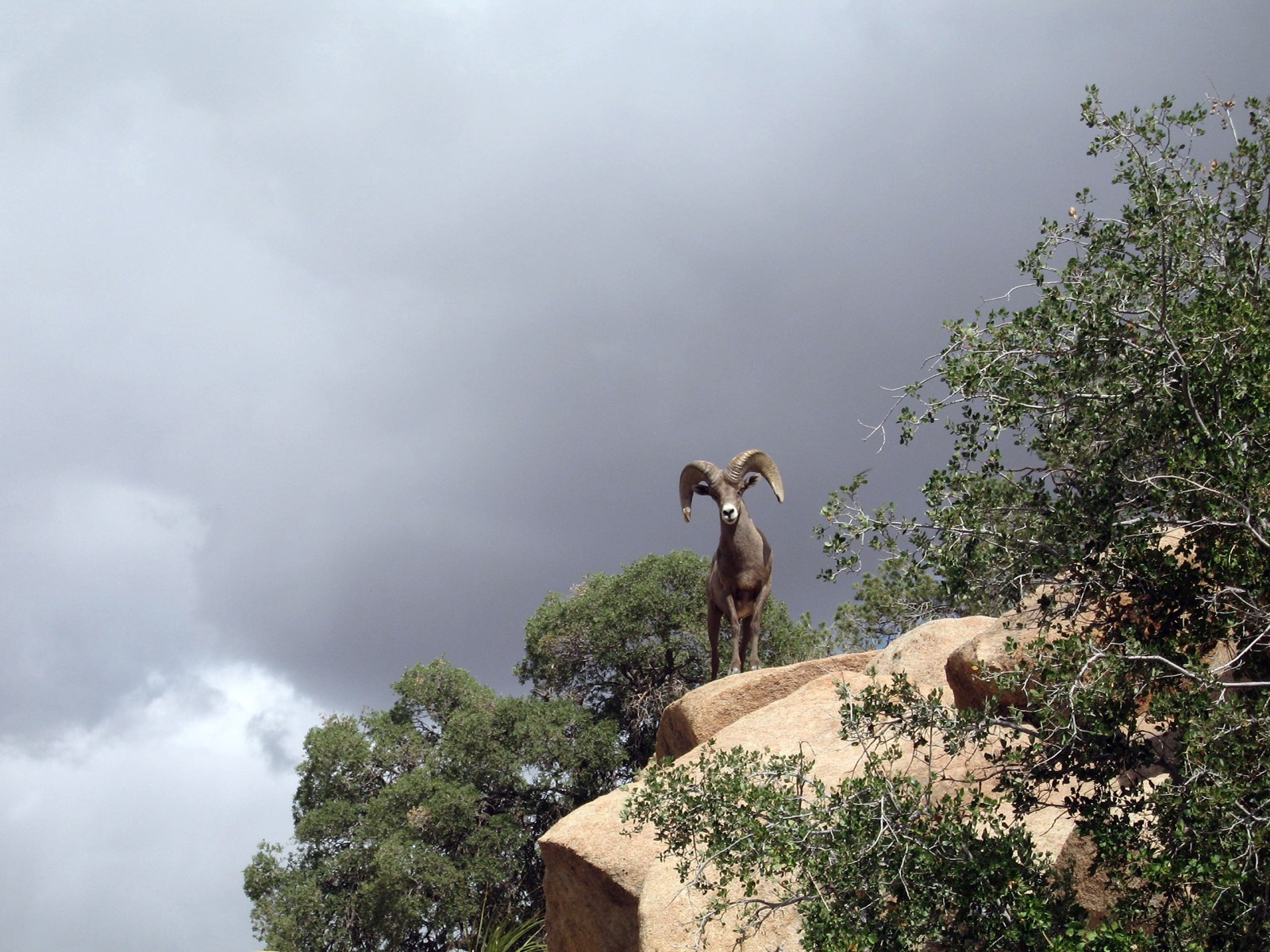
Bighorn Sheep
New Mexico has engineered one of the most successful bighorn sheep restoration programs in history, expanding wild sheep herds across both desert and alpine environments. The state offers once-in-a-lifetime draw hunts for both Desert Bighorn Sheep and Rocky Mountain Bighorn Sheep.
Desert bighorn rams inhabit the jagged, unforgiving volcanic cliffs of the San Andres, Caballo, Peloncillo, and Fra Cristobal mountain ranges. Rocky Mountain bighorns inhabit the alpine crags of Wheeler Peak and the Pecos Wilderness above 12,000 feet. Drawing a New Mexico sheep tag is a dream hunt requiring supreme mountain fitness and days of relentless glassing across sheer rock faces.
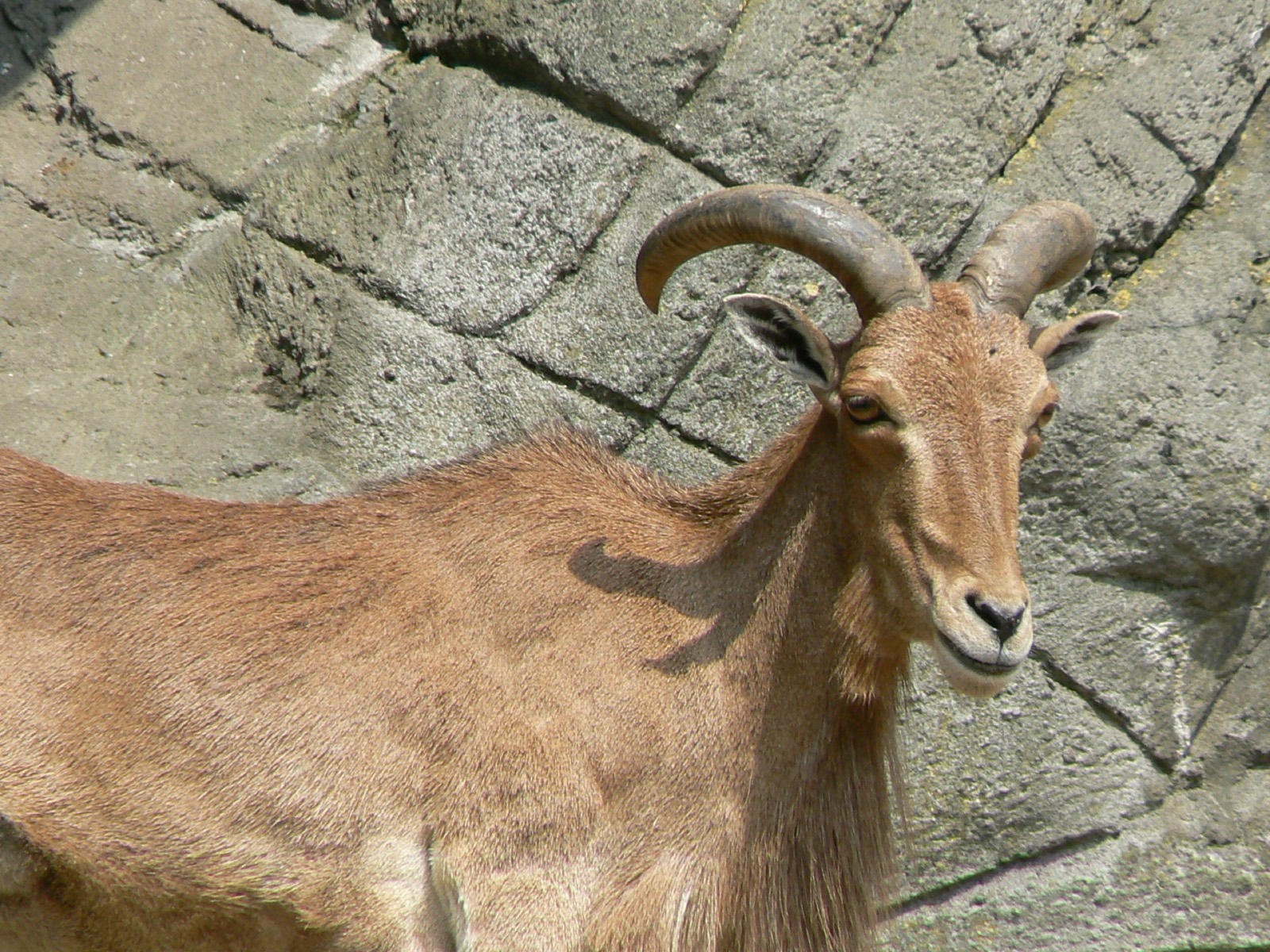
Barbary Sheep (Aoudad)
Native to the arid mountains of North Africa, Barbary sheep (Aoudad) were released into New Mexico's canyonlands in the 1940s and have established self-sustaining, truly wild, free-ranging populations. With immense swept-back horns and long chaps, a mature aoudad ram is a magnificent trophy.
Top free-range public-land herds roam the Canadian River Gorge, the Guadalupe Mountains, and the rugged rimrock canyons of southeastern New Mexico. NMDGF offers draw permits for premier public units alongside over-the-counter private-land tags. Aoudad are extraordinarily tough animals with keen vision, requiring steep canyon ascents, long-range glassing, and stout rifle calibers.
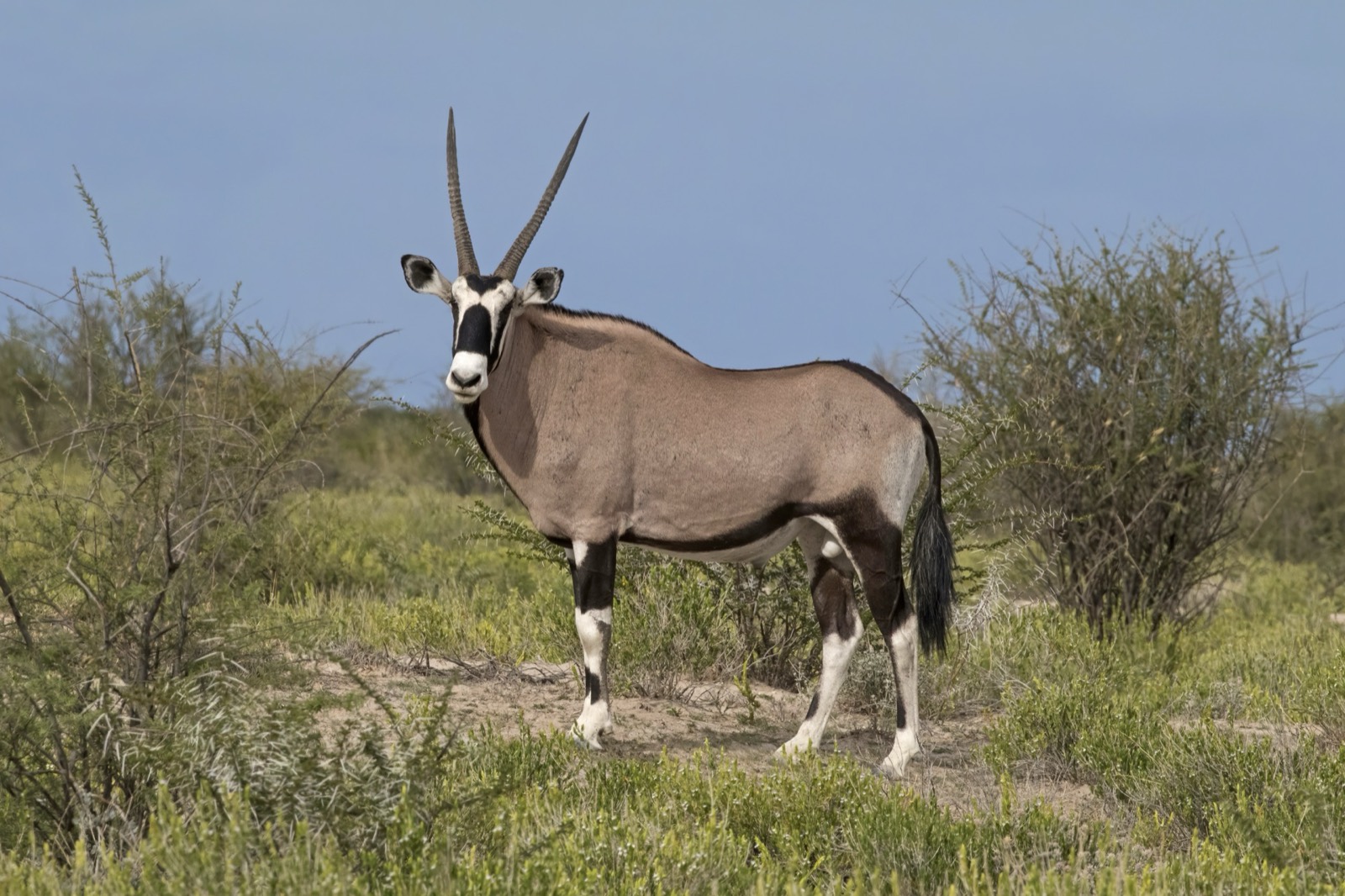
Oryx (Gemsbok)
New Mexico is the only place in the world where hunters can pursue free-ranging African Oryx (Gemsbok) on wild public and military lands. Released onto White Sands Missile Range (WSMR) between 1969 and 1977, oryx have thrived across the Chihuahuan Desert grasslands.
NMDGF conducts once-in-a-lifetime lottery hunts on White Sands Missile Range (Rhodes Canyon and Stallion Range), as well as off-range year-round population management hunts. Both male and female oryx carry long, straight, spear-like horns exceeding 35 to 40 inches. Oryx possess incredible stamina and thick hides, requiring durable bonded bullets and rapid follow-up shots across desert creosote flats.
Persian Ibex
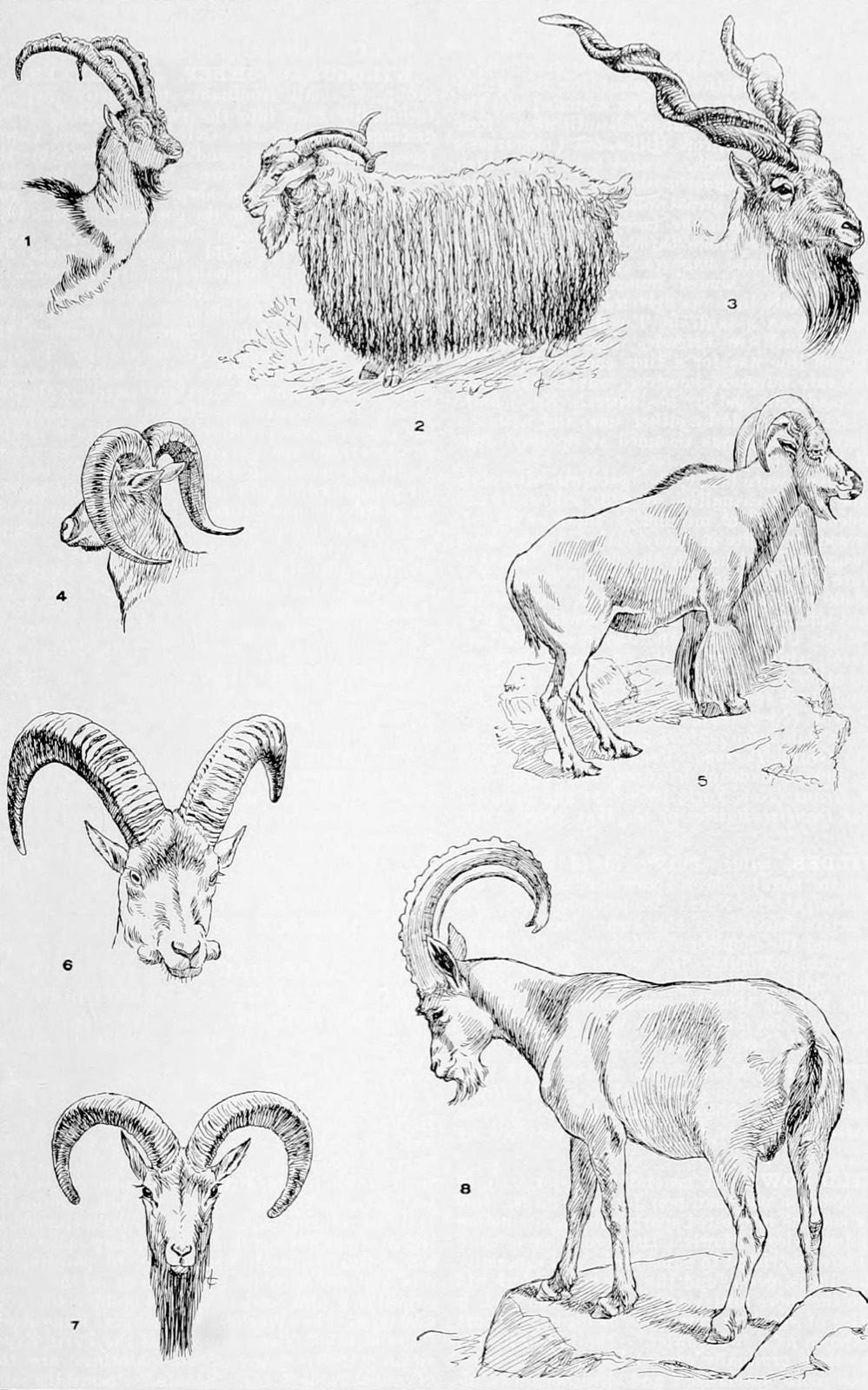
The Florida Mountains near Deming, New Mexico, host the only wild, free-ranging herd of Persian Ibex in the Western Hemisphere. These nimble caprids feature massive scimitar-shaped horns and live on vertical granite crags and sheer rock cliffs.
NMDGF offers highly competitive archery, muzzleloader, and rifle draw hunts. The Florida Mountains rise abruptly from the desert floor, presenting near-vertical shale slides, sheer cliffs, and razor-sharp rock. This is widely considered the physically hardest and most dangerous hunt in the United States, testing hunters' mountaineering nerve and extreme shooting angles.