Kansas
World-class prairie pheasant runs, giant Flint Hills whitetails, and extensive WIHA walk-in hunting lands.
Native Species in Kansas
Official Regulatory Authority
Kansas Department of Wildlife and Parks (KDWP)
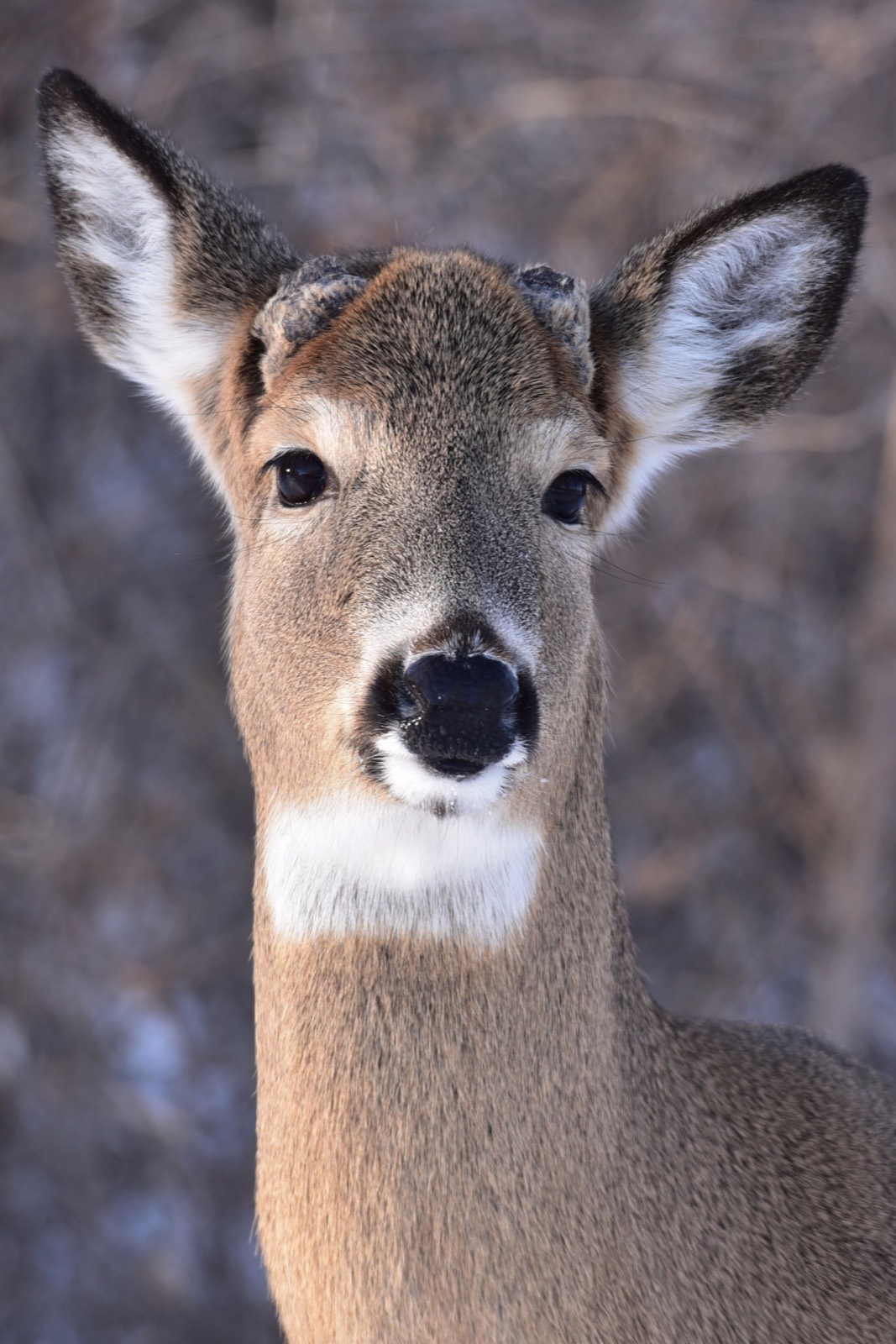
Trophy White-Tailed Deer
Kansas is universally regarded as one of the premier destinations on earth for giant free-ranging whitetails. Rich agricultural crops (corn, soybeans, milo) combined with dense riparian timber corridors produce massive antler mass and heavy body weights exceeding 250 to 300 lbs.
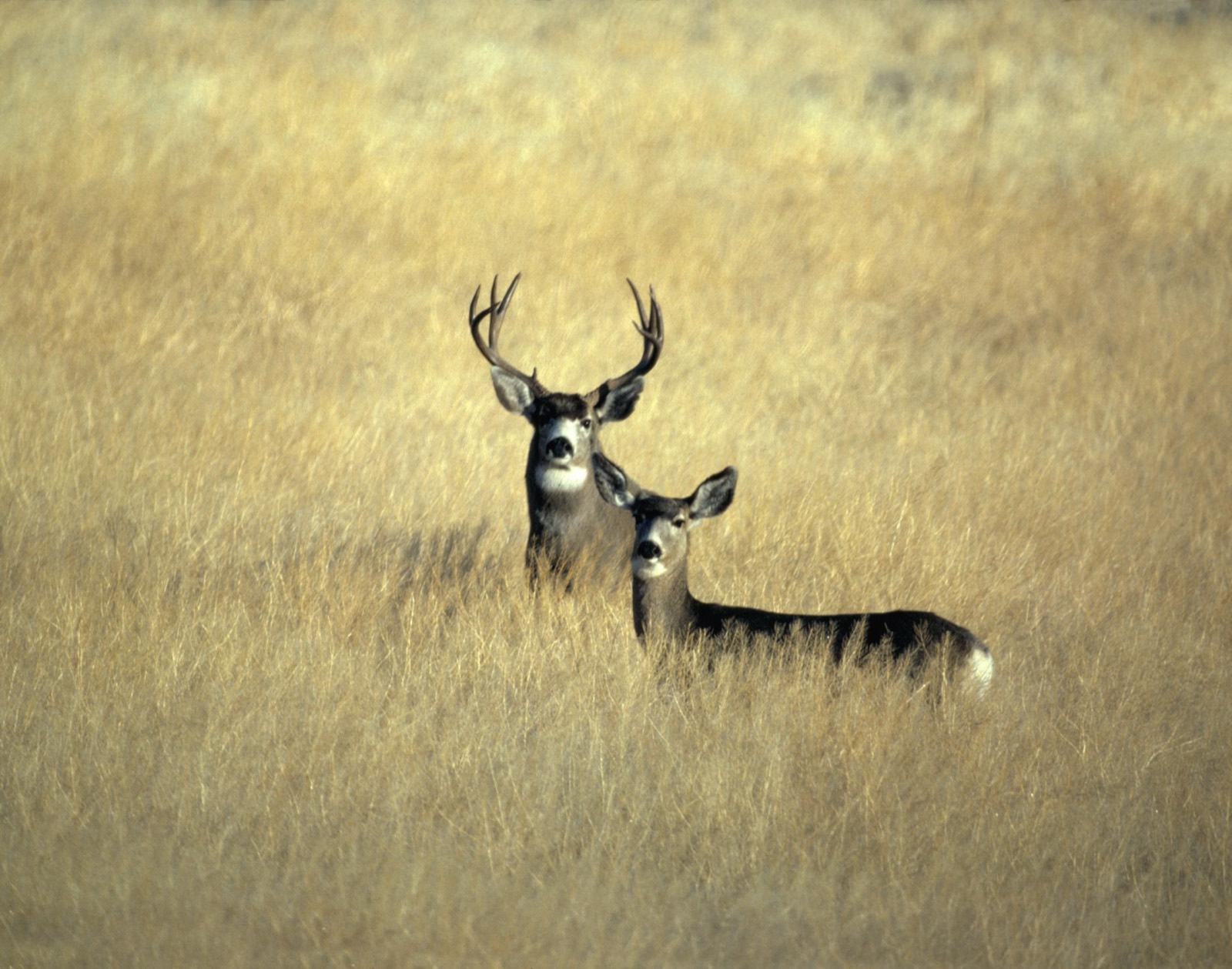
Mule Deer
Inhabits the open rolling prairie, sage flats, and canyon breaks of western Kansas. Mature bucks display wide, deeply forked antlers and browse on western shrubs, winter wheat, and prairie grasses.
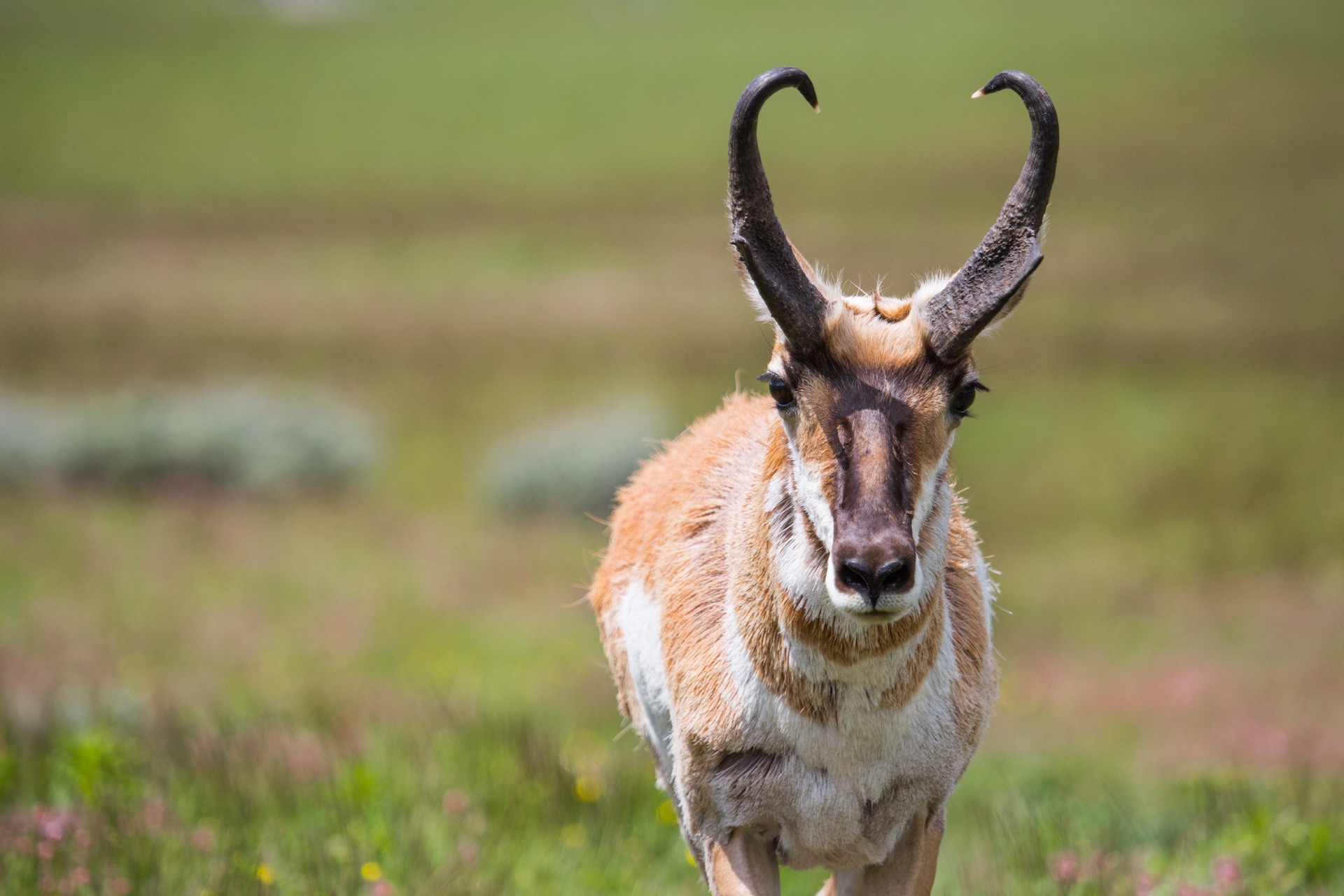
Pronghorn
Distributed across the expansive, open shortgrass rangelands of western Kansas along the Colorado border. Relying on open vistas to detect threats, pronghorn form large herds during winter months.
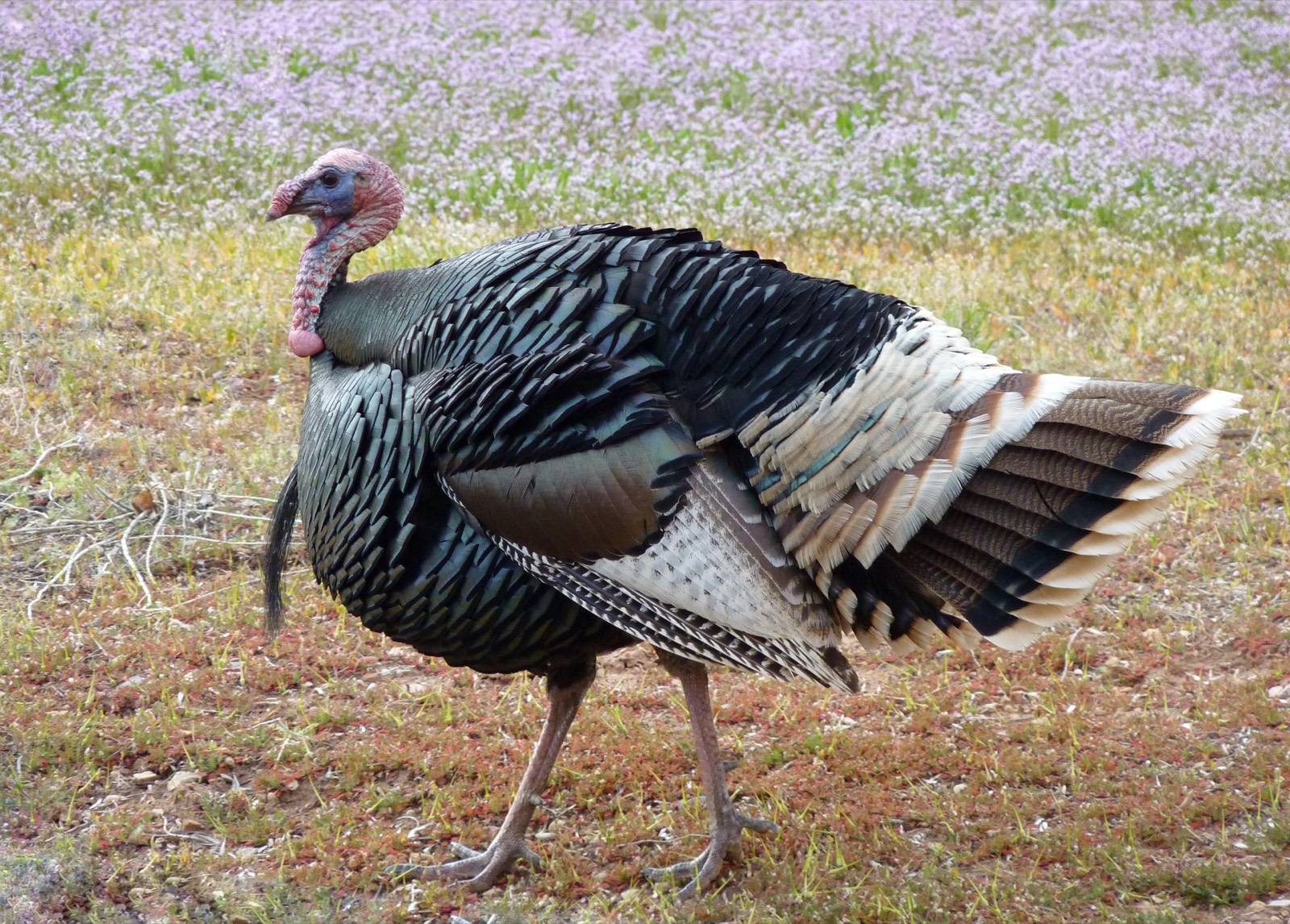
Rio Grande & Eastern Wild Turkey
Highly prized game bird abundant across Kansas river bottoms, shelterbelts, and oak woodlands. Kansas is famous among spring turkey hunters for high bird densities and expansive public walk-in access.
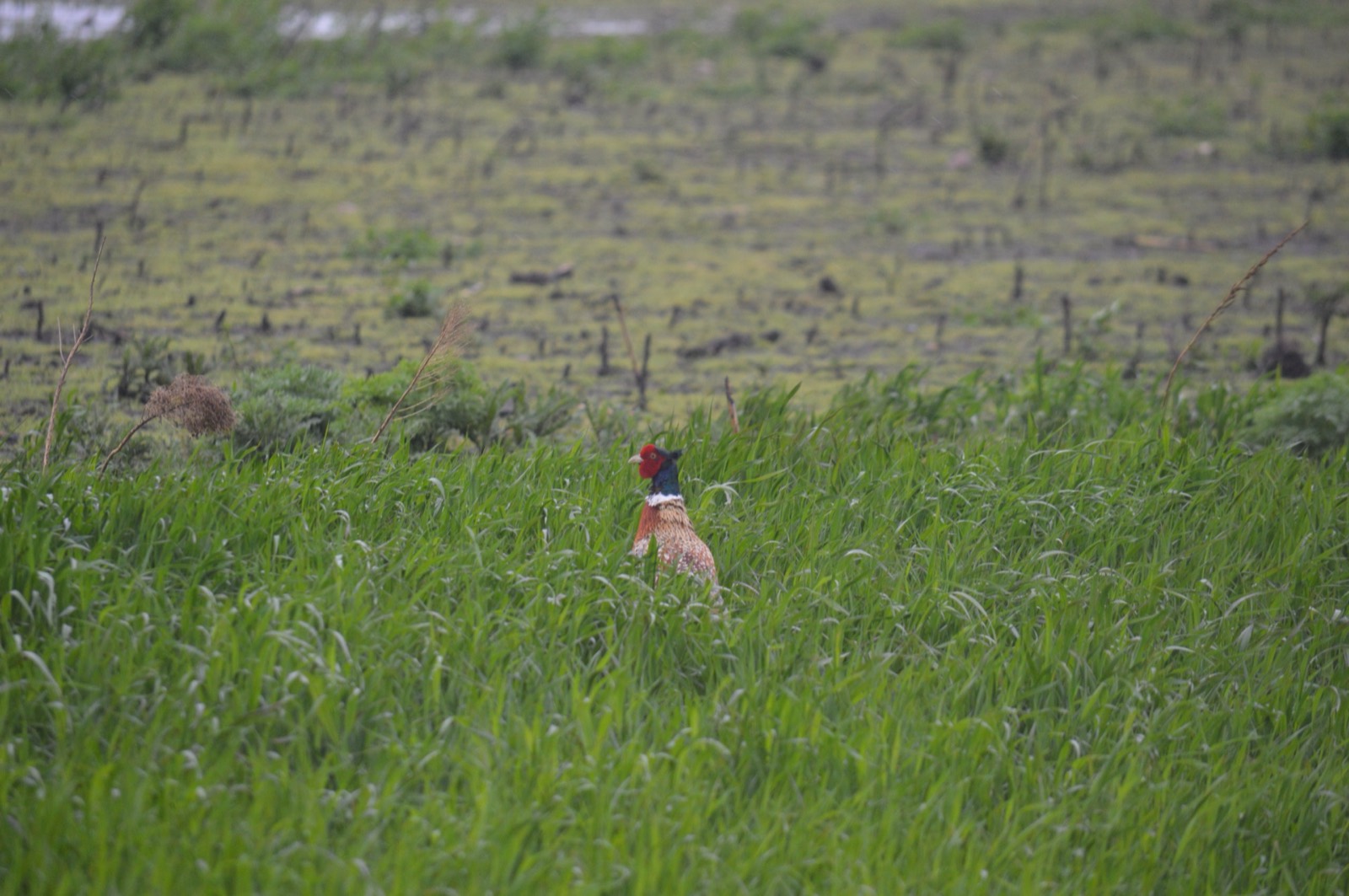
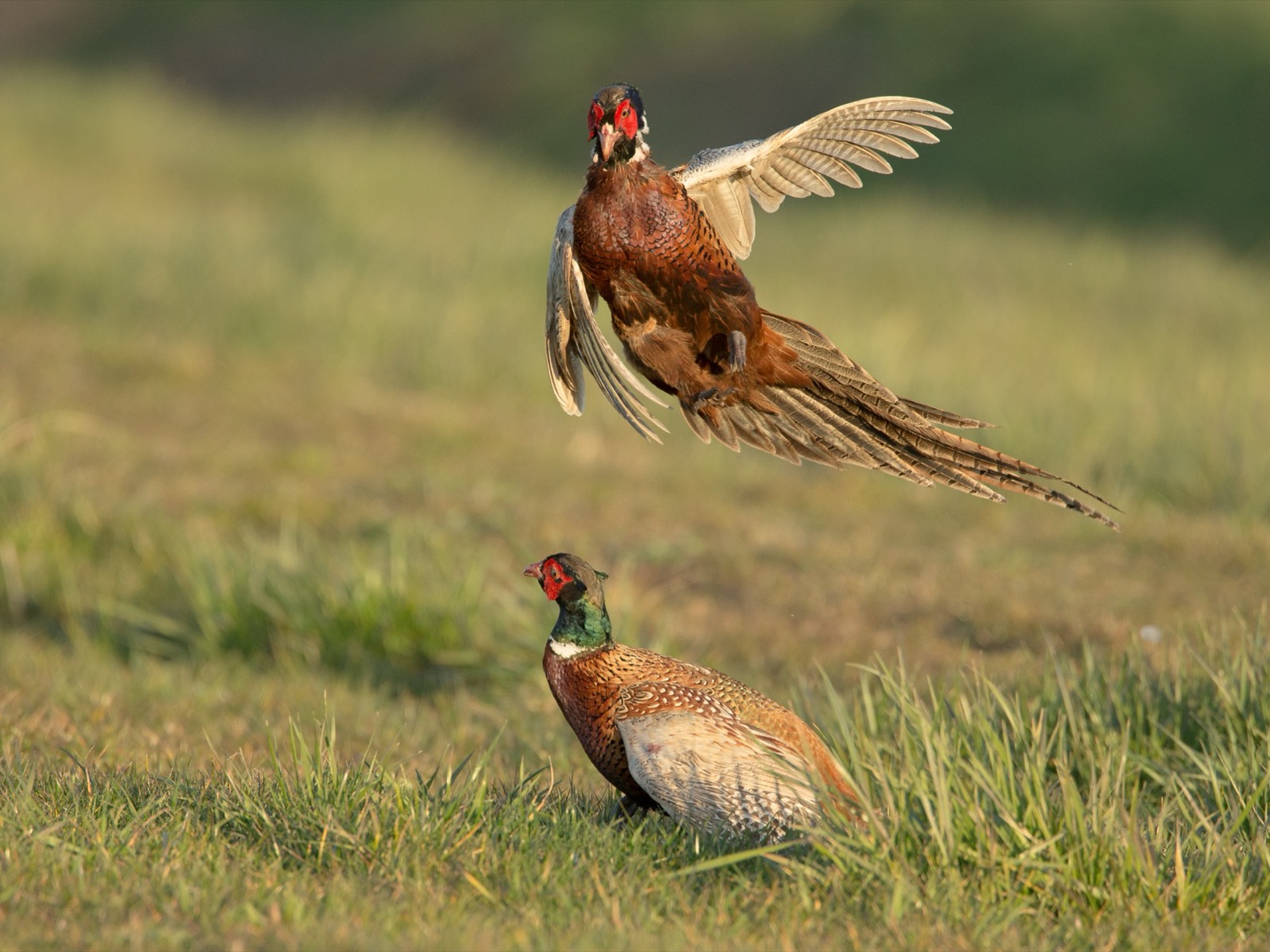
Ring-Necked Pheasant
Kansas consistently ranks among the top pheasant hunting states in the nation. Roosters inhabit agricultural field edges, grain stubble, conservation reserve program (CRP) grasslands, and shelterbelts.
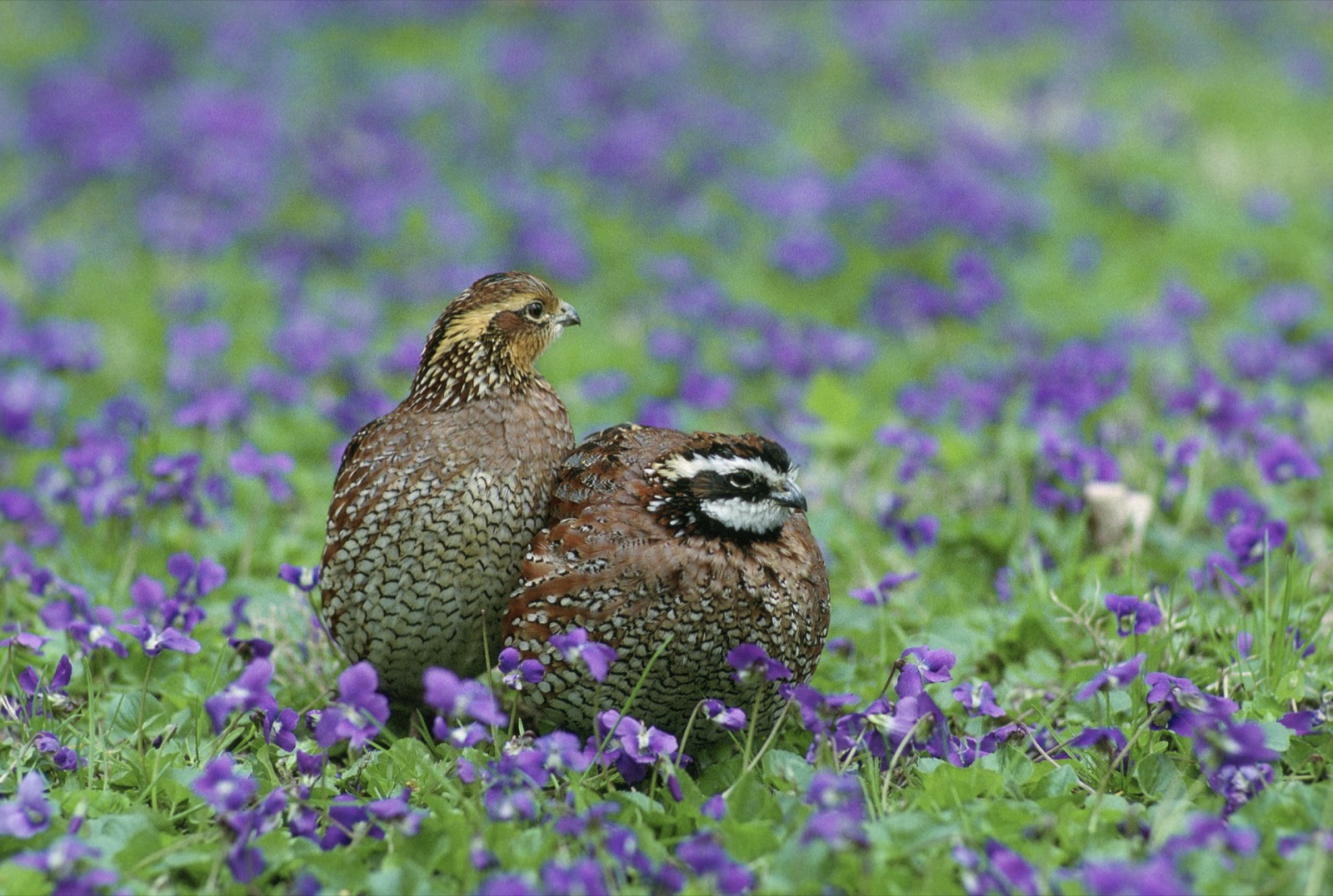
Northern Bobwhite Quail
Thriving in the native tallgrass prairie pastures, cedar draws, and hedgerows of the Flint Hills and central Kansas. Coveys feed on weed seeds, grains, and native insects.
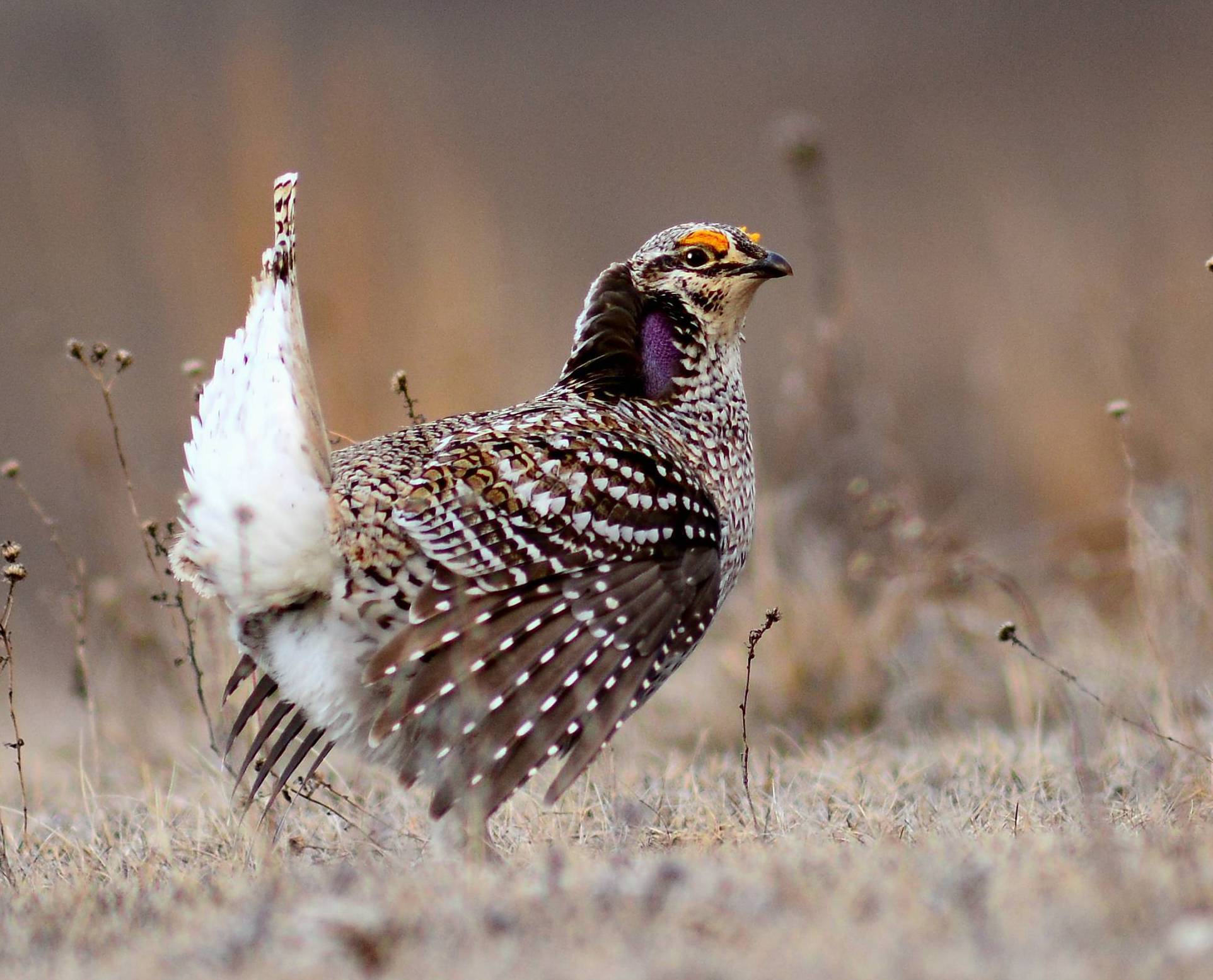
Greater Prairie-Chicken
Iconic native prairie bird celebrated for its unique spring mating rituals on historic booming grounds. Inhabits extensive unbroken tracts of native tallgrass and mixed-grass prairie.
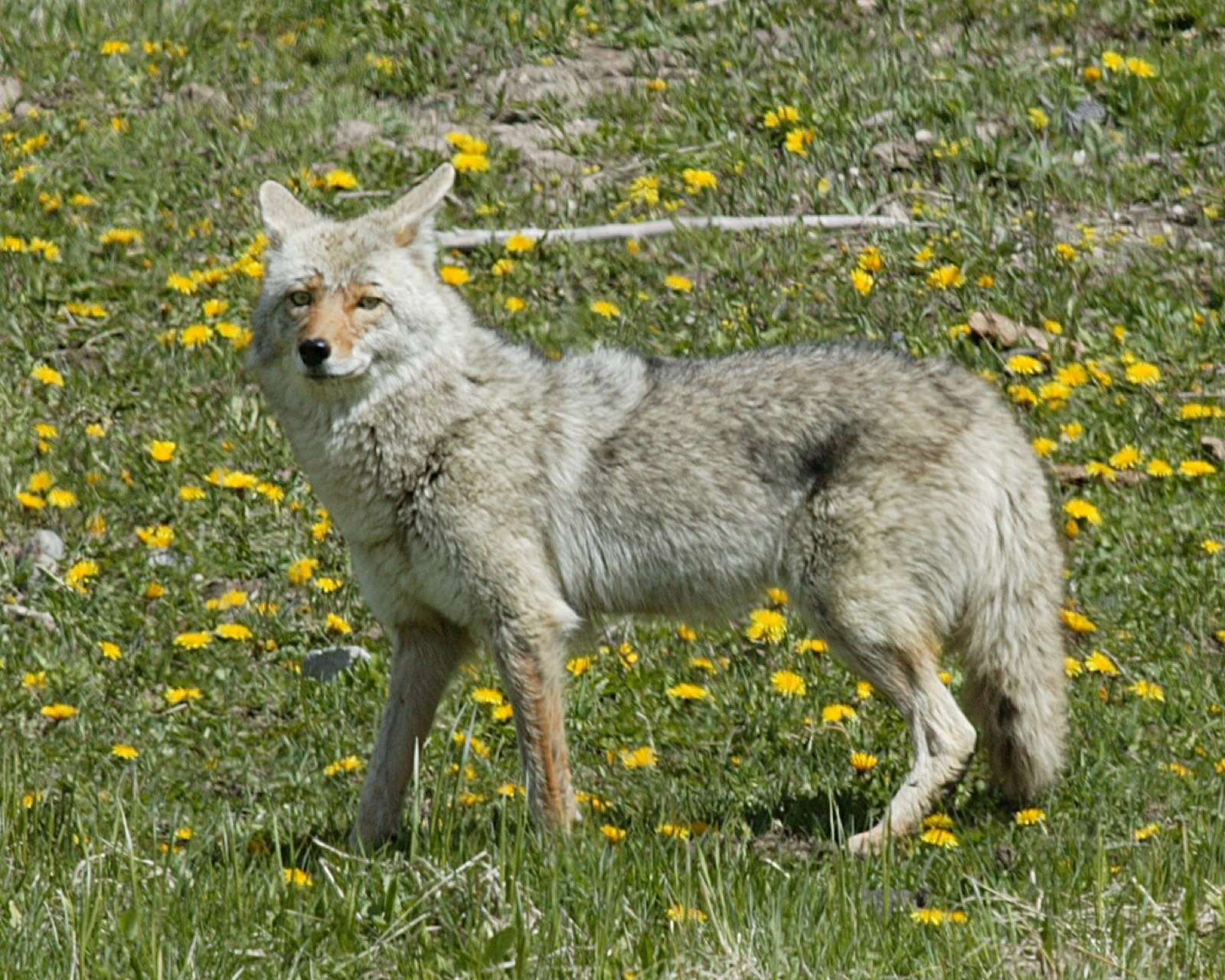
Coyote
Common across all 105 Kansas counties, ranging from sprawling open pastures to timbered creek bottoms. Highly intelligent and adaptable, coyotes play an important role in small mammal population control.