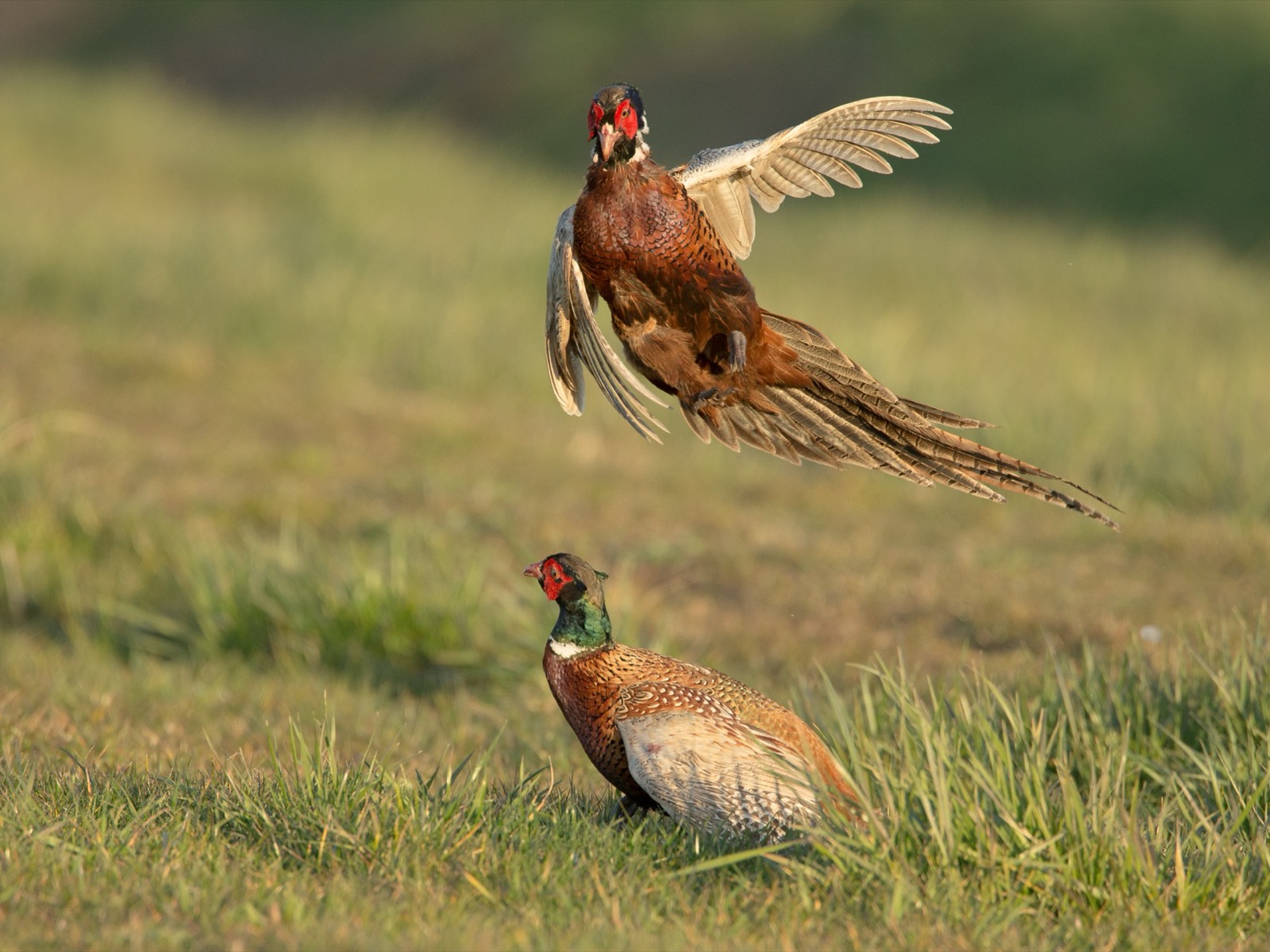
Kansas
World-class prairie pheasant runs, giant Flint Hills whitetails, and extensive WIHA walk-in hunting lands.
Big Game Hunting in Kansas
Official Regulatory Body
Kansas Department of Wildlife and Parks (KDWP)
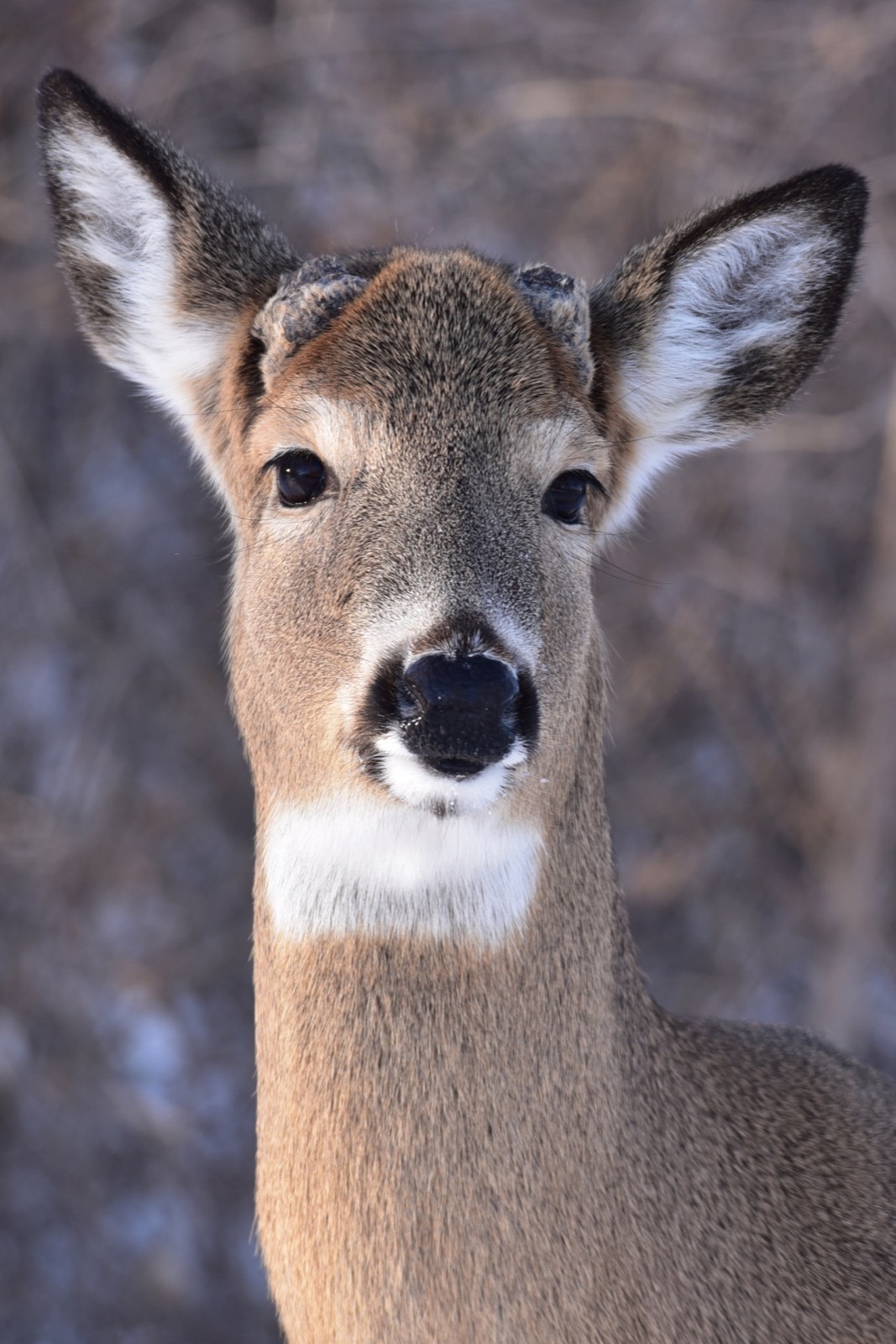
White-tailed Deer
The Sunflower State is legendary for producing world-class Boone & Crockett whitetails across expansive prairie river drainages, shelterbelts, and agricultural bottoms. Kansas Department of Wildlife and Parks (KDWP) distributes nonresident deer permits via a spring draw across 19 Deer Management Units (DMUs).
Top trophy zones include DMU 7, 8, and 9 in north-central Kansas and the flint hills of south-central Kansas. Hunters enjoy incredible public hunting access through the celebrated Walk-In Hunting Access (WIHA) program, opening over a million acres of private land. The early-November archery rut along creek timber funnels and December rifle seasons over prairie food sources yield unmatched trophy quality.
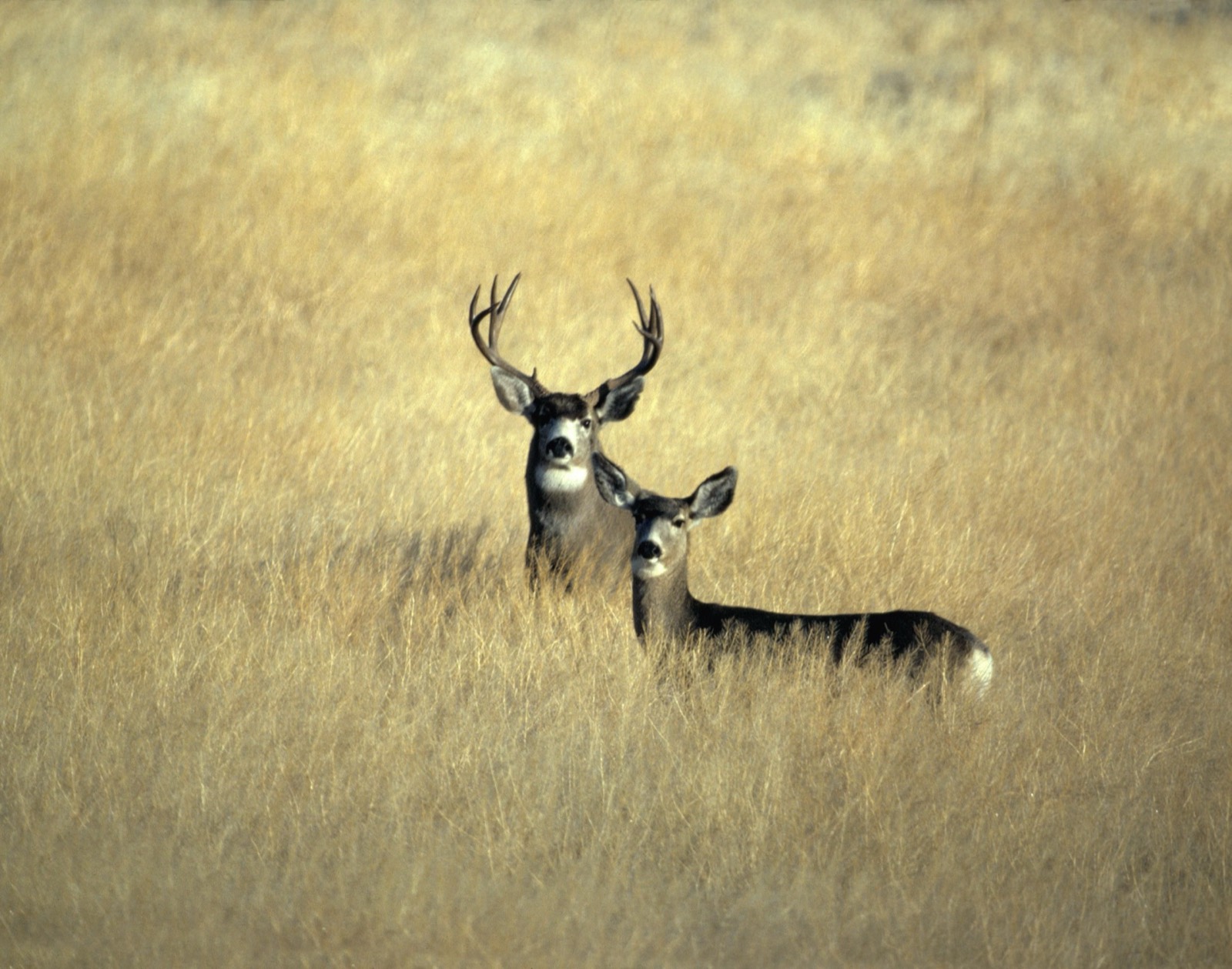
Mule Deer
Western Kansas holds an outstanding, thriving population of prairie mule deer roaming the shortgrass plateaus, sage canyons, and crop circles of the high plains (DMUs 1, 2, 3, 17, and 18).
Tags are awarded through KDWP's limited-draw mule deer stamp. Prairie spot-and-stalk hunting across rolling sand sage hills requires extensive glassing with 10x42 and 15x56 optics. Late November and December hunts coincide with the breeding rut, when trophy bucks sporting tall, wide antler forks move out into open winter wheat fields to tend does.
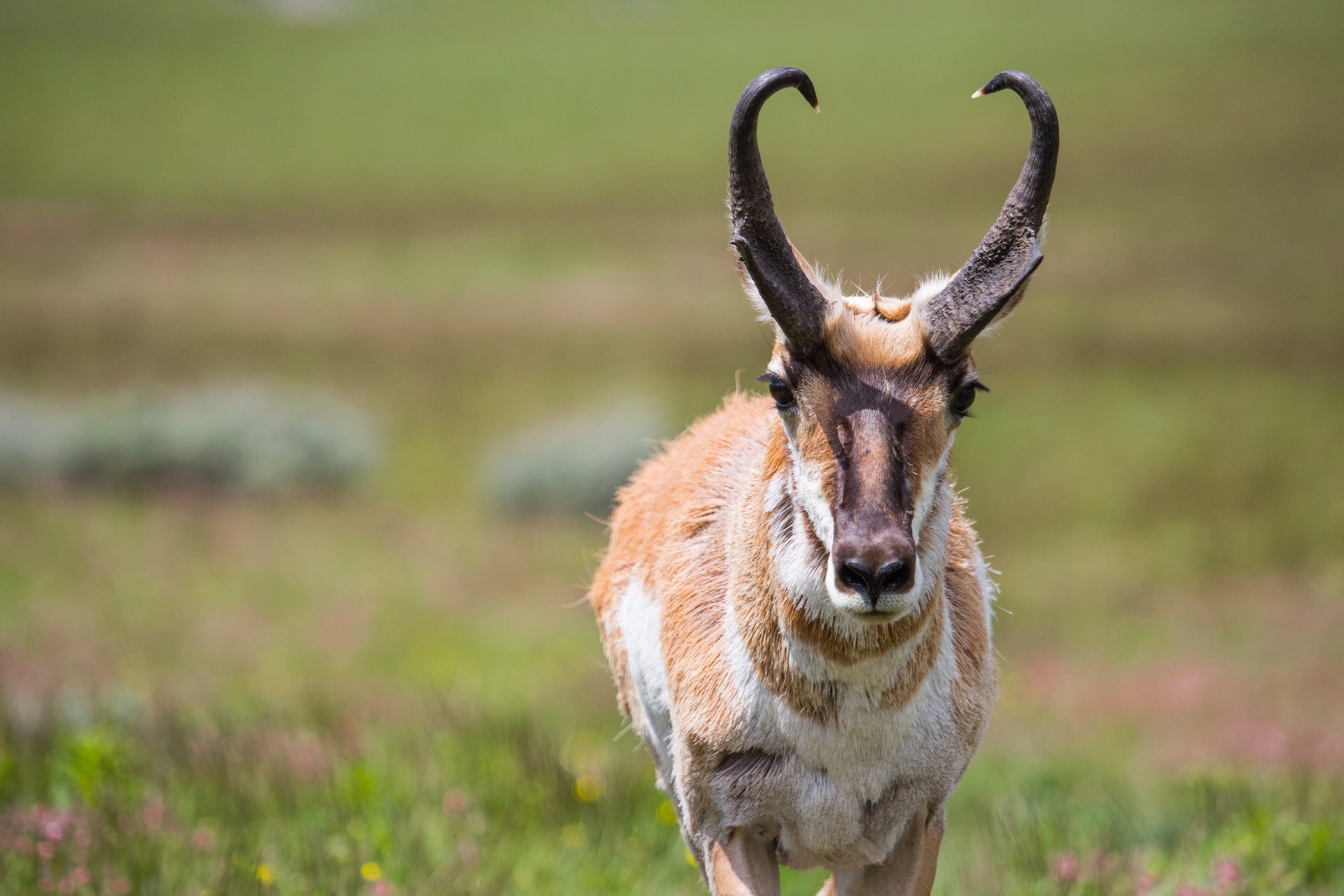
Pronghorn Antelope
The shortgrass plains of western Kansas—particularly Wallace, Sherman, and Logan counties—support fast-paced pronghorn hunting.
KDWP offers limited draw firearm and muzzleloader tags alongside unlimited over-the-counter archery tags. Archers set up ground blinds over isolated stock tanks during hot August and early September days, while rifle hunters navigate expansive prairie pastures utilizing low depressions and terrace contours to stalk cautious bucks.
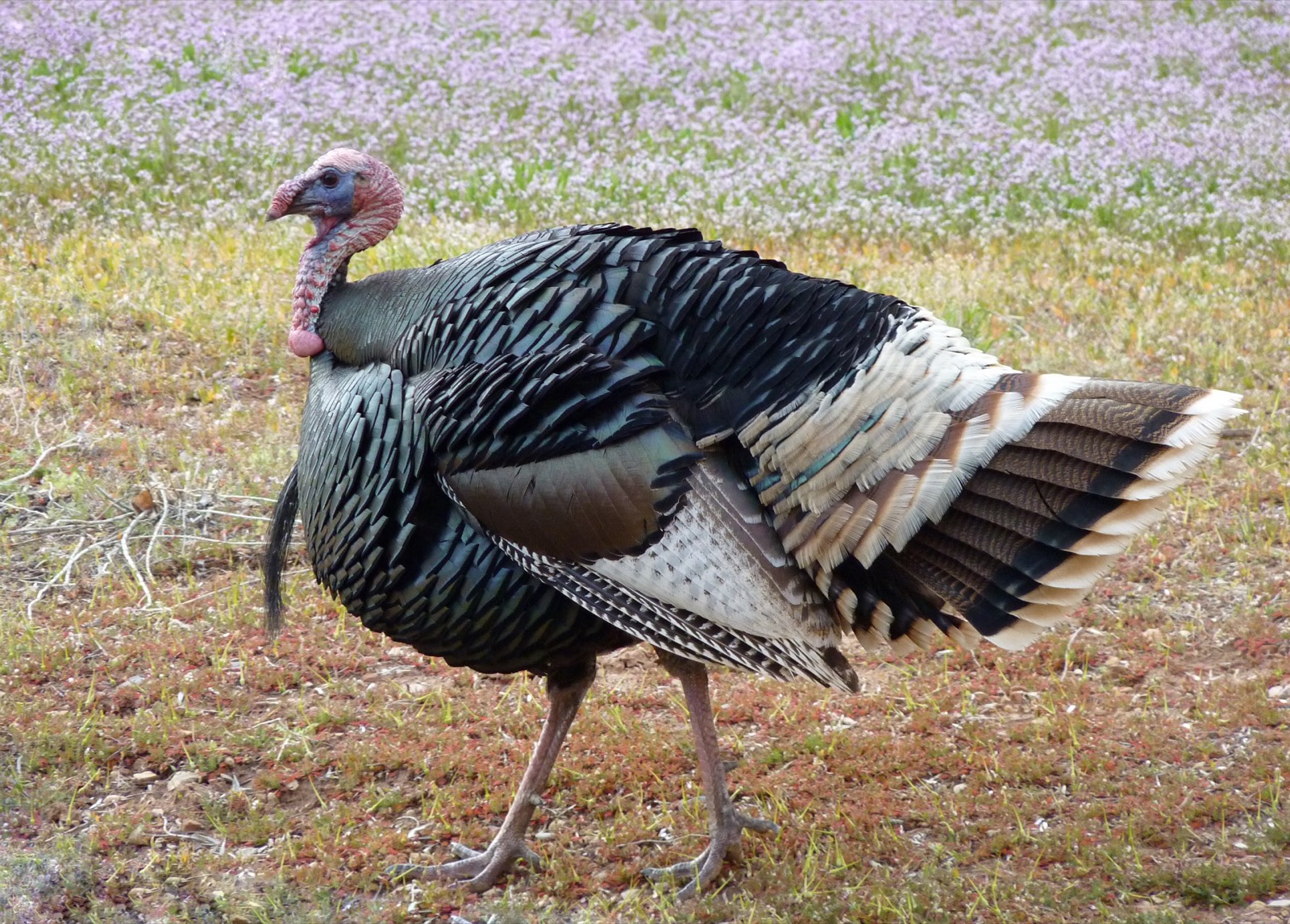
Rio Grande & Eastern Wild Turkey
Kansas is one of the premier turkey hunting destinations in the nation, offering both Rio Grande wild turkeys in the central and western prairies and Eastern turkeys in the eastern timbered hills.
Spring seasons feature explosive open-country calling encounters. In western cottonwood river corridors, large winter flocks break up in April, providing exciting roost setups and decoy action in open pasture country.