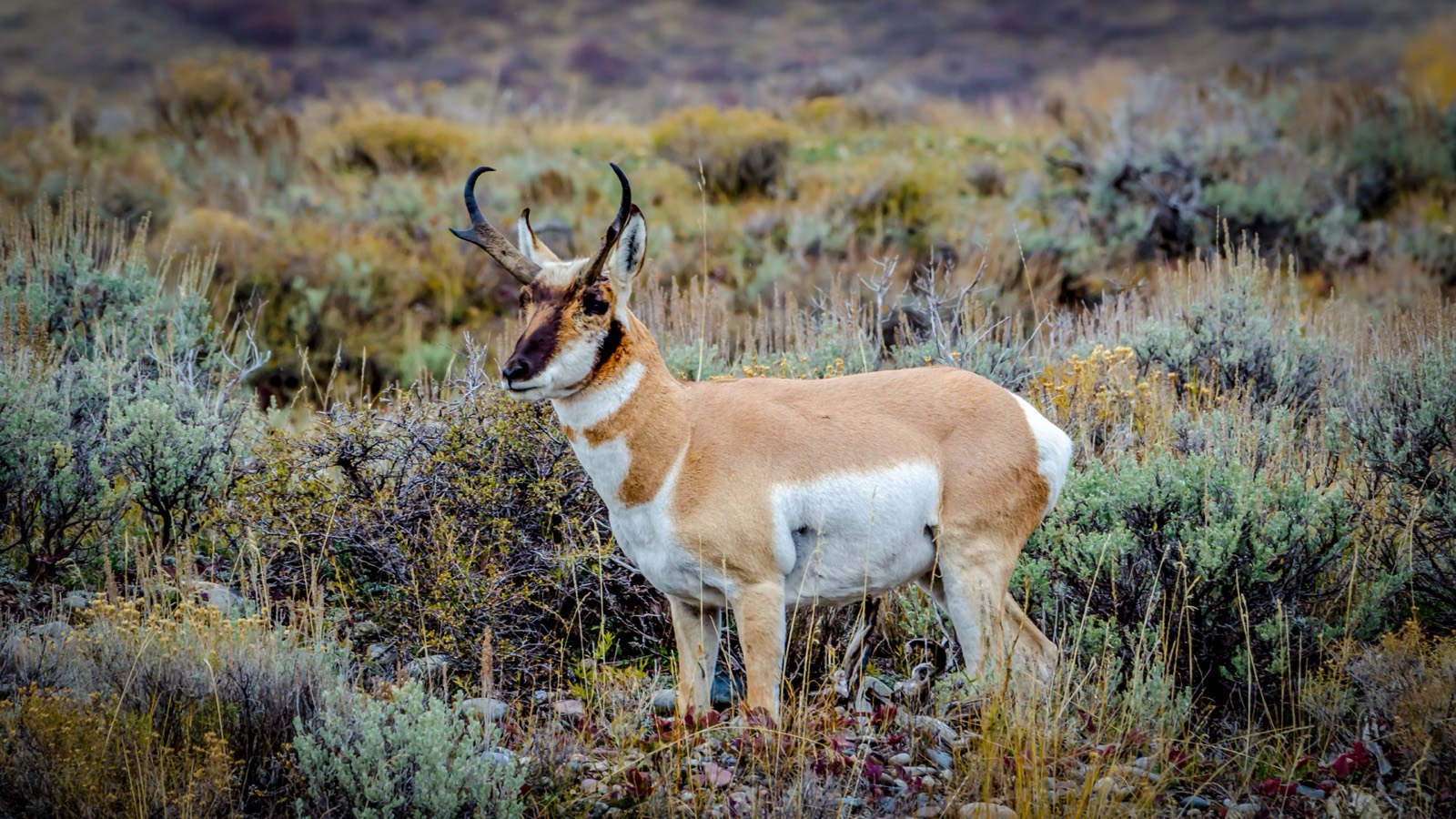
Wyoming
Pronghorn Capital of the World, high-desert mule deer, Rocky Mountain elk, and bighorn sheep.
Big Game Hunting in Wyoming
Official Regulatory Body
Wyoming Game and Fish Department (WGFD)
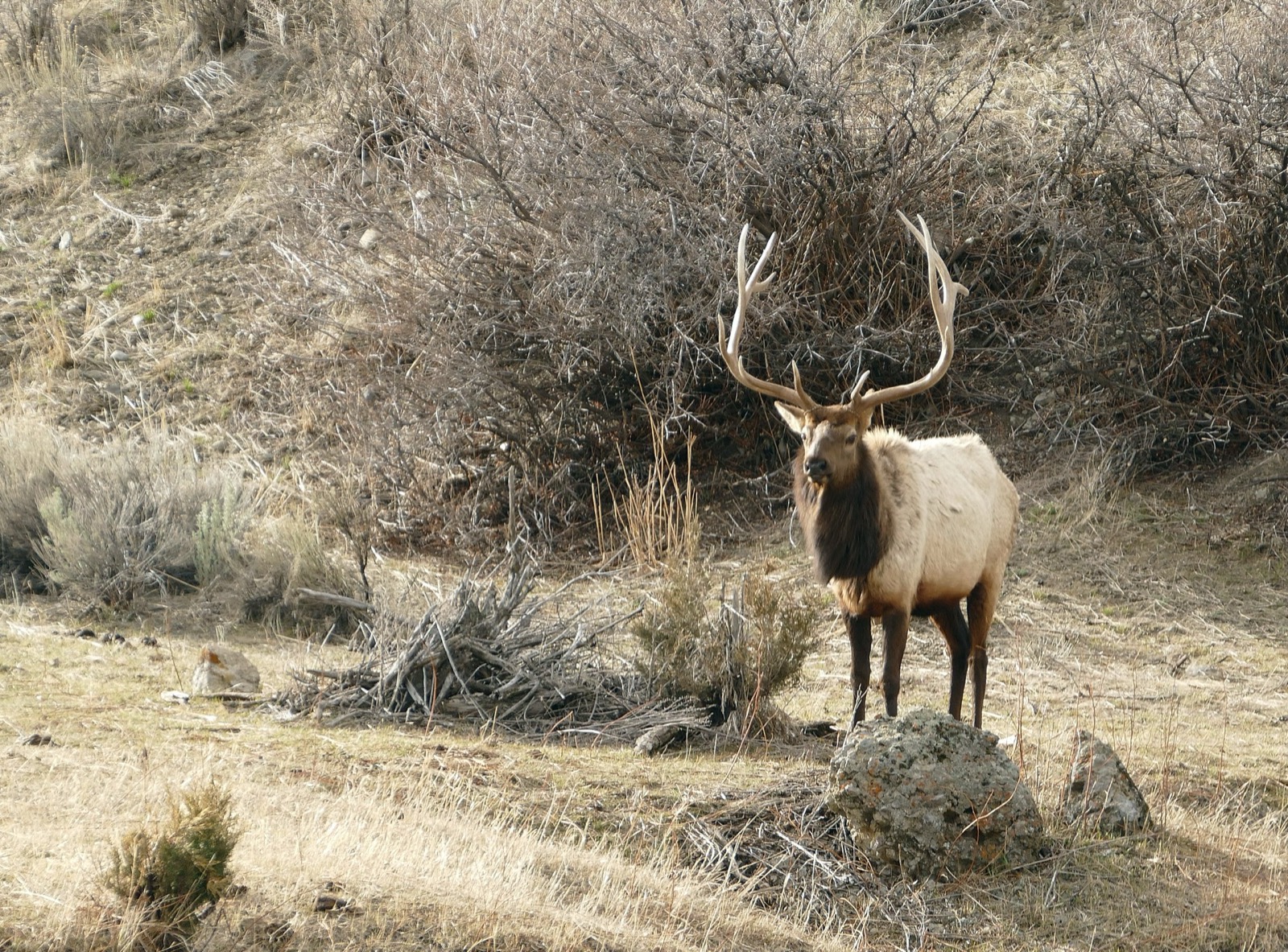
Rocky Mountain Elk
The Cowboy State is undisputed elk hunting royalty, harboring over 110,000 elk across vast wilderness expanses, national forests, and sage-steppe foothills. Wyoming Game & Fish Department (WGFD) issues general nonresident licenses and specialized limited-quota tags via its January preference point draw.
Top regions include the Bighorn Mountains, Greater Yellowstone Ecosystem (Bridger-Teton and Shoshone National Forests), and the Snowy Range. Early September archery offers premier bugling action in high timber parks, while late October and November rifle seasons provide classic horseback pack-in hunts. Nonresidents hunting in designated wilderness areas are legally required to be accompanied by a licensed Wyoming outfitter or resident guide.
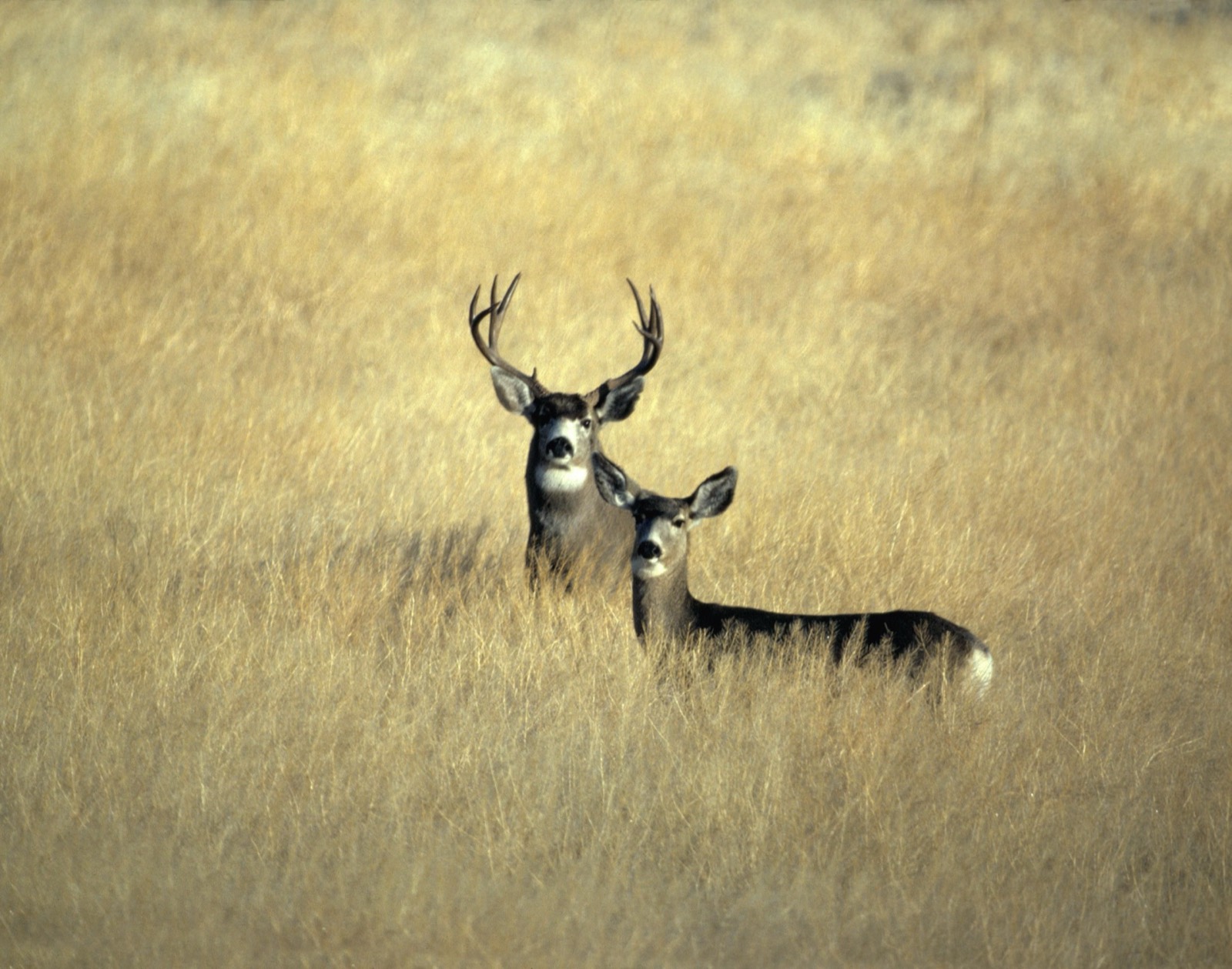
Mule Deer
Wyoming's western mountain ranges produce legendary deep-forked, heavy-framed mule deer bucks. The famous Wyoming Range (Regions G and H) is the stuff of hunting lore, featuring high-alpine velvet bucks living among jagged limestone peaks and avalanche shoots.
In addition to western mountain hunts, eastern Wyoming (Region B and Black Hills) offers excellent transition-zone and prairie coulee hunts on BLM and private access leases. High-country hunters pack into 10,000-foot camps in late August to glass high basins at first light. Physical stamina, high-end optics, and long-range shooting competence are essential to intercept mature bucks before they disappear into inaccessible timber.
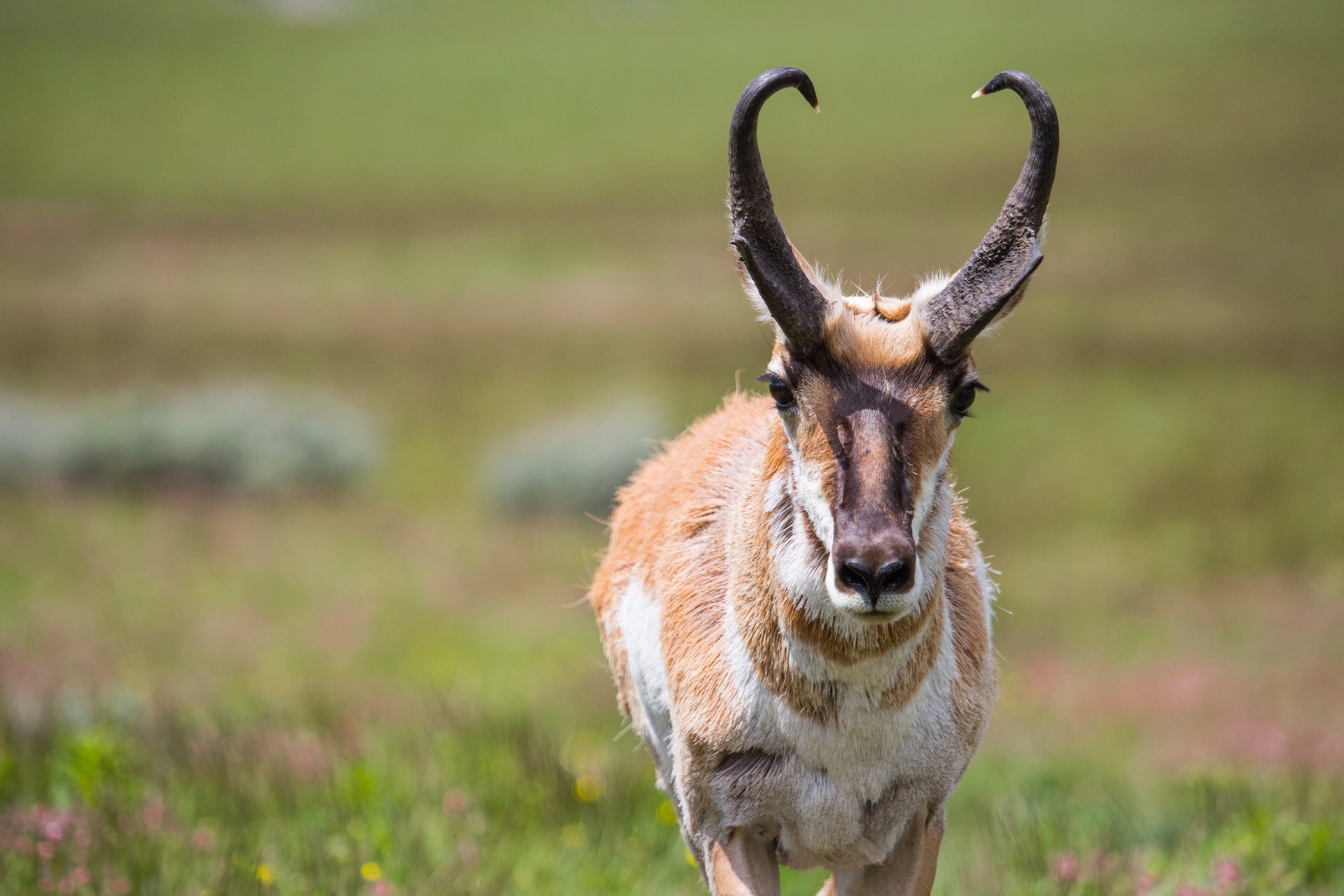
Pronghorn Antelope
Wyoming is the pronghorn capital of the world, maintaining more speedgoats than human residents. With over 400,000 antelope roaming the Red Desert, Shirley Basin, and Powder River country, Wyoming provides the highest hunter success rates in North America (routinely exceeding 85%).
Hunts range from high-density general units to world-class trophy draw units producing 80-to-85-inch record-book bucks. Archery season opens in mid-August with waterhole blind setups, transitioning in September and October to fast-paced prairie spot-and-stalk rifle hunting across rolling BLM flats. Flat-trajectory cartridges (such as 6.5 PRC, .270 Win, and .280 AI) and bipods are standard equipment.
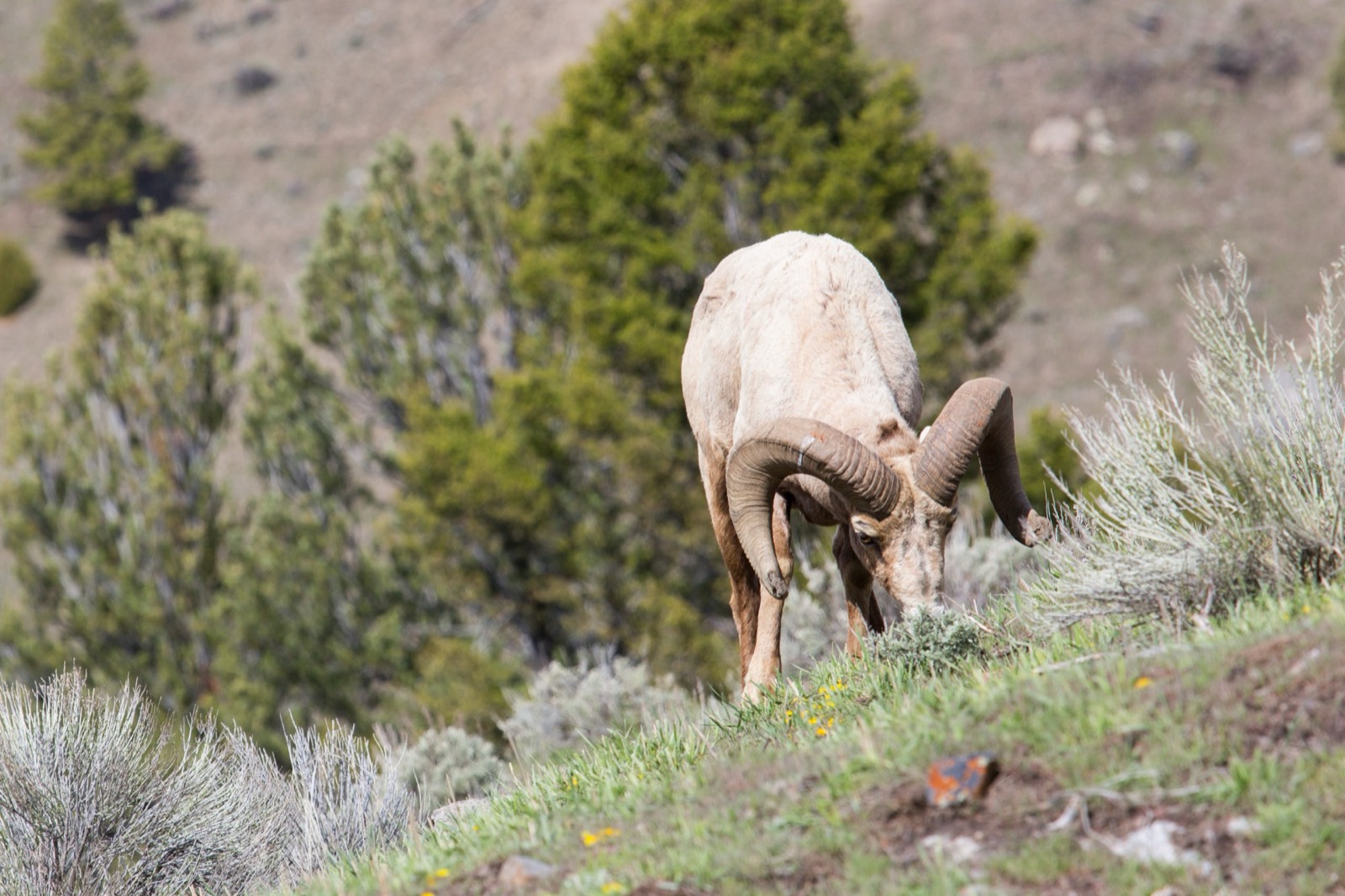
Rocky Mountain Bighorn Sheep
Wyoming holds some of the most storied wild sheep herds on the continent, with rams patrolling the rugged Absaroka Range, Wind River Range, and Gros Ventre Mountains. WGFD allocates licenses through a rigorous preference point draw, with applicants accumulating 20+ points for top units.
Hunt Areas 1, 2, 3, and 5 in the Shoshone National Forest present authentic wilderness expeditions where hunters travel deep into grizzly bear territory on horseback, bivouac above timberline, and glass vertical talus slopes for broomed, heavy-horned rams. Strict field meat care and bear-safe camping protocols are mandatory throughout northwestern Wyoming sheep country.
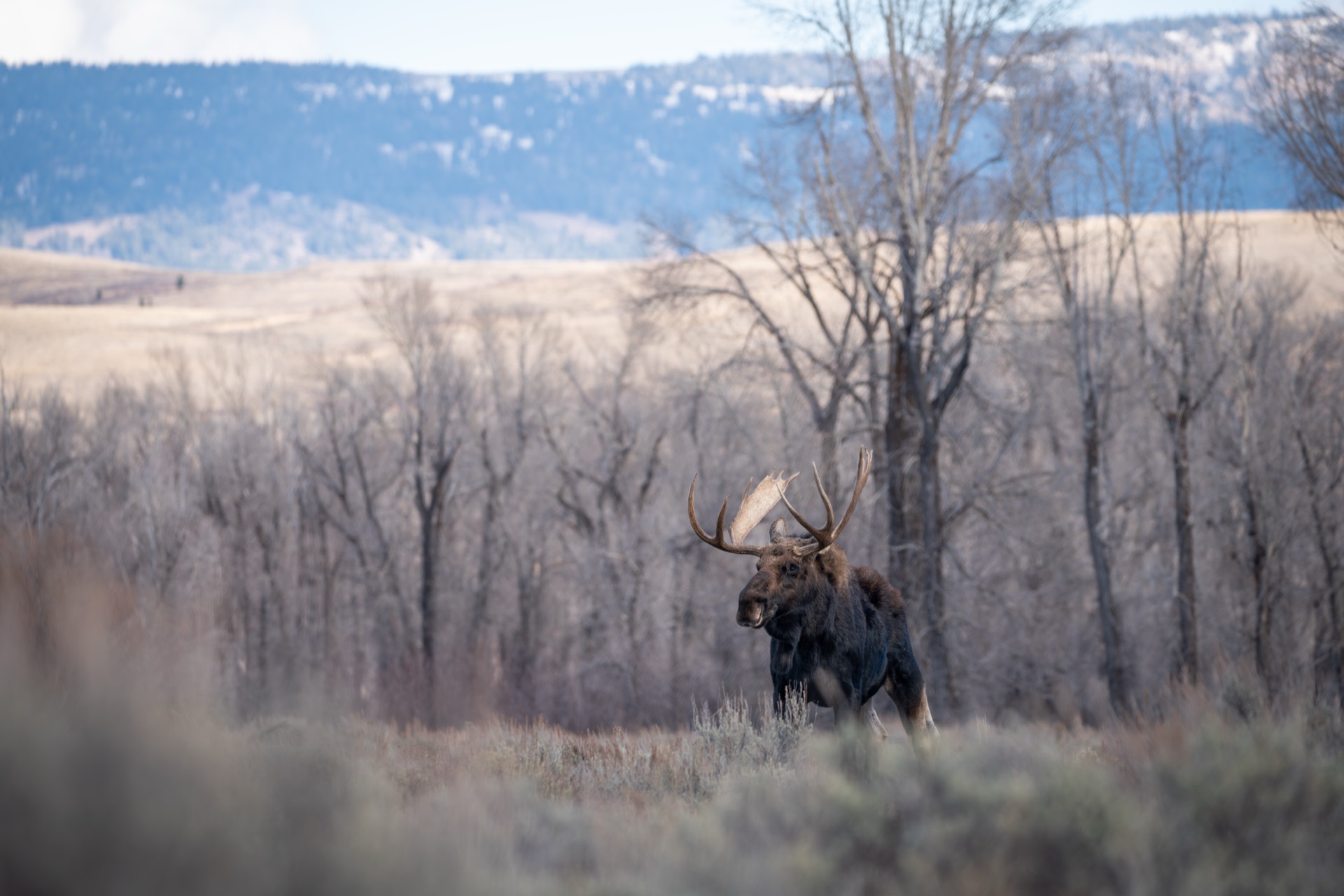
Shiras Moose
Wyoming is the historical homeland of the Shiras moose subspecies, offering superior genetics and wide antler palms in the willow-dense valleys of the Jackson Hole, Sublette, and Bighorn herds.
Tags are highly coveted and distributed exclusively via the WGFD draw. The season opens in September and runs through mid-November. During the late September rut, vocal bulls respond enthusiastically to calling and brush scraping in riparian willow bottoms. Trophy quality is remarkable, with mature Wyoming bulls routinely qualifying for Boone & Crockett honors.
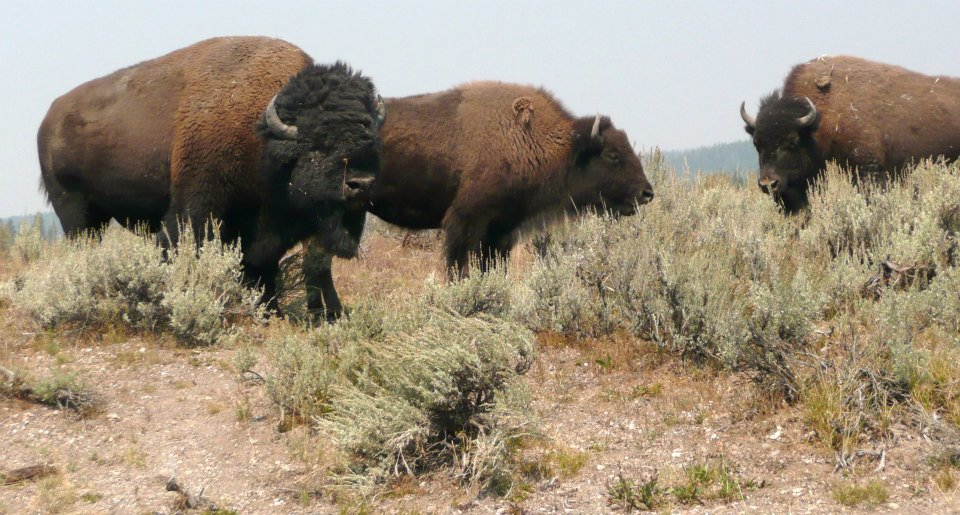
American Bison
Wyoming hosts one of the very few fair-chase, free-roaming wild bison hunts in the United States, centered in Grand Teton National Park and the adjacent Bridger-Teton National Forest.
Bison tags are allocated through a competitive resident and nonresident lottery. The hunt takes place in winter conditions from October through January, as herds move onto the National Elk Refuge and surrounding public lands. Hunters must utilize heavy-caliber rifles (.300 Win Mag minimum recommended, with .338 and .375 calibers favored) with stout bonded bullets to cleanly anchor these prehistoric behemoths.
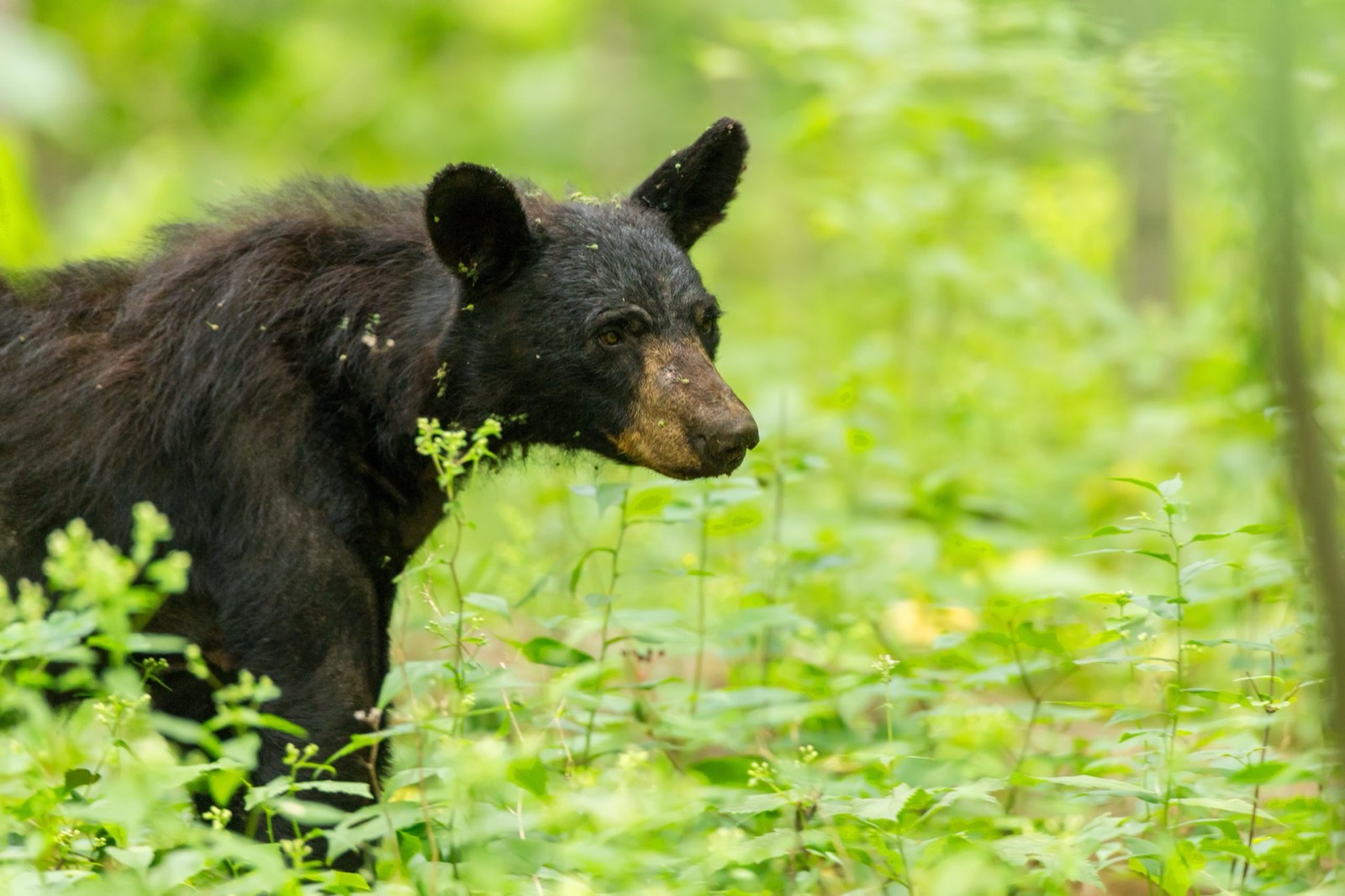
Black Bear
Wyoming offers both spring (April–June) and fall (August–October) black bear seasons, with high color-phase ratios (cinnamon, chocolate, blonde). Spring hunts are particularly popular as bears emerge from winter dens to graze on fresh green grass along avalanche chutes and timber edges.
Baiting is permitted in designated non-wilderness units with registered WGFD bait sites, while spot-and-stalk tactics excel in high-country alpine basins and berry patches during September. Units are regulated by female harvest quotas; hunters must check the WGFD automated bear hotline daily to confirm unit availability before heading out.