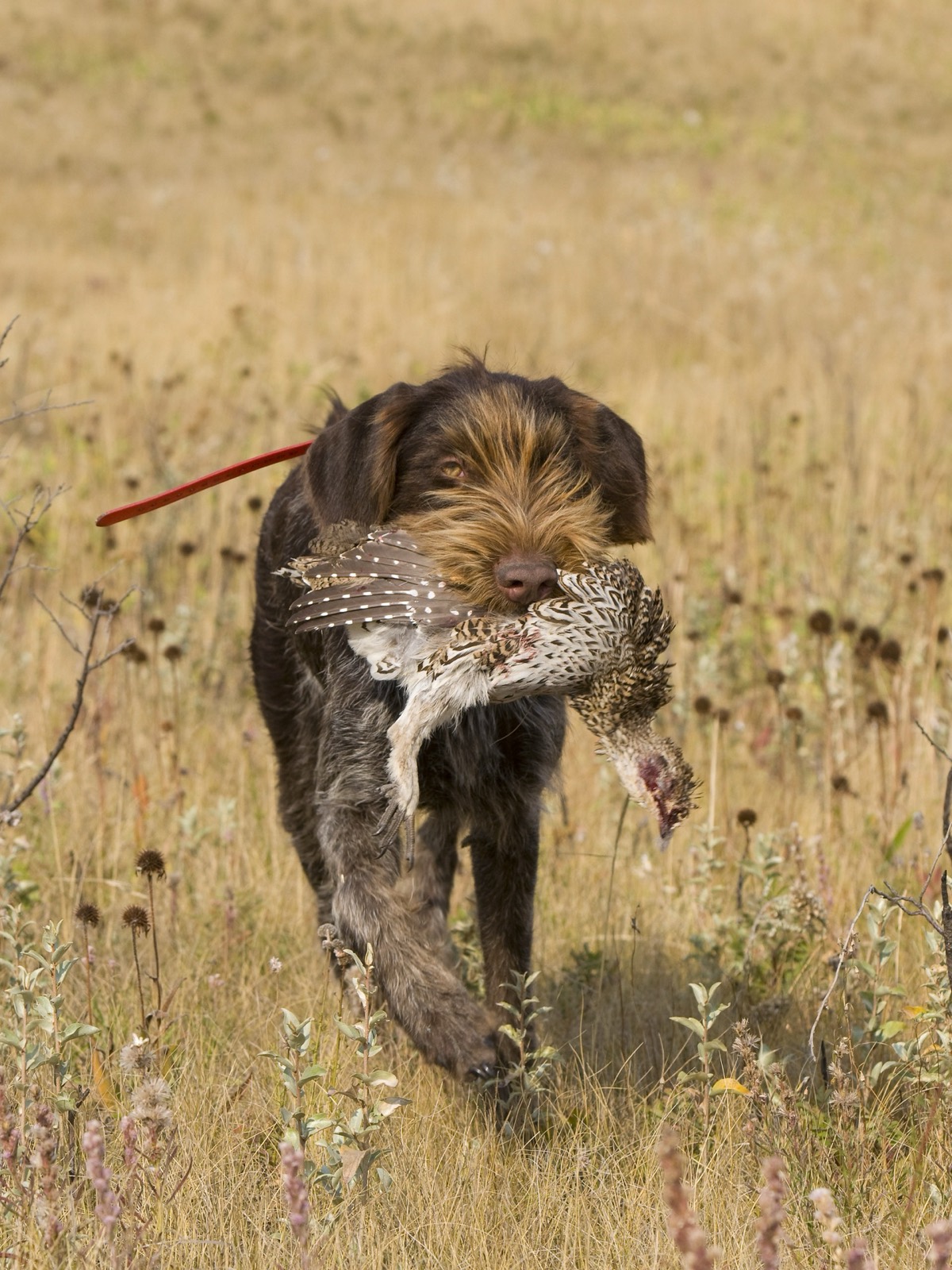
Wisconsin
Nation’s premier ruffed grouse Northwoods covers, legendary November gun deer season, and Chequamegon-Nicolet National Forest.
Native Species in Wisconsin
Official Regulatory Authority
Wisconsin Department of Natural Resources (WDNR)
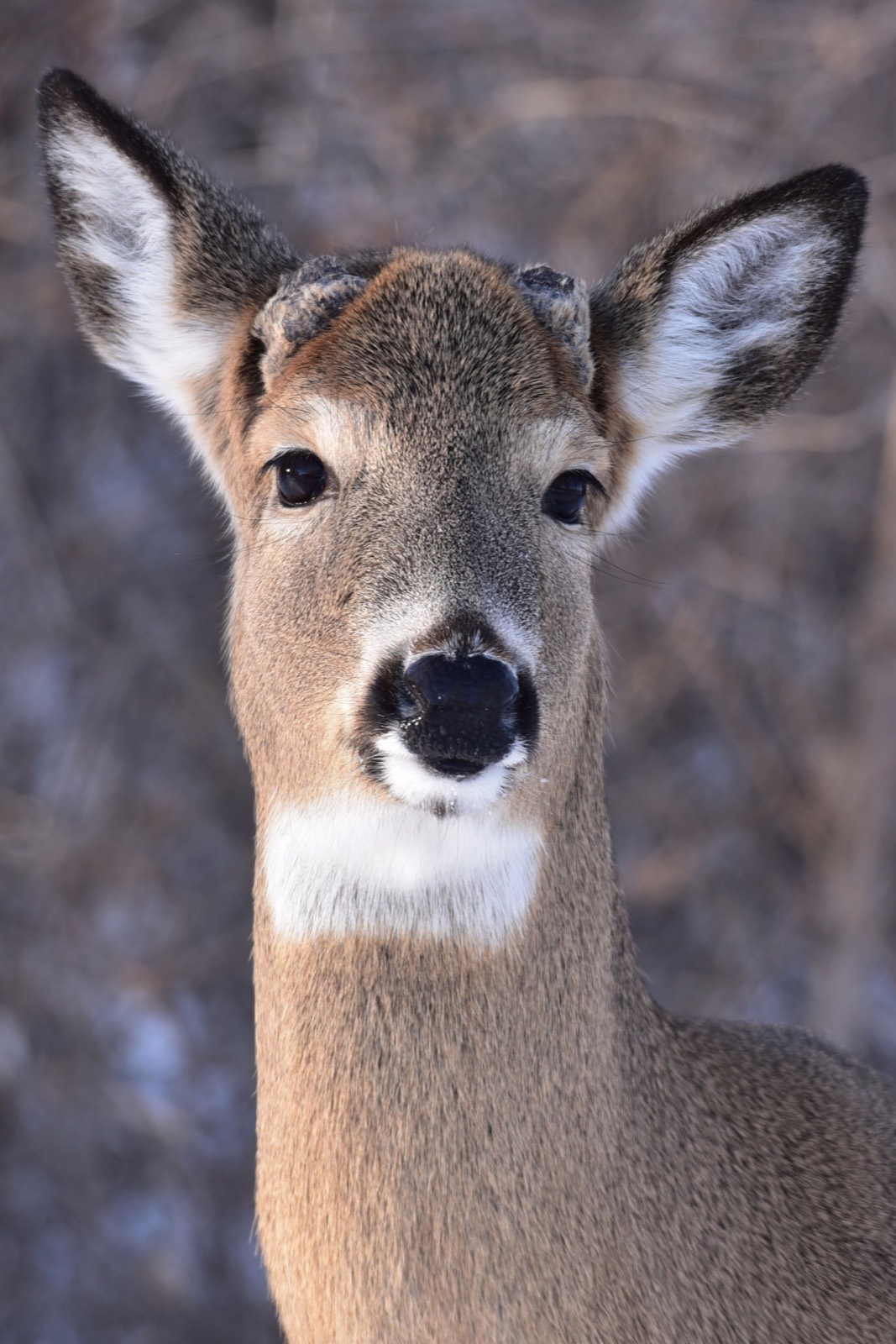
White-Tailed Deer
Wisconsin is historically the #1 Boone and Crockett record-producing state in the nation for trophy whitetails (Buffalo, Trempealeau, and Vernon counties). Exceptional agricultural nutrition, rich oak ridges, and deep coulees create unmatched genetics and antler mass.
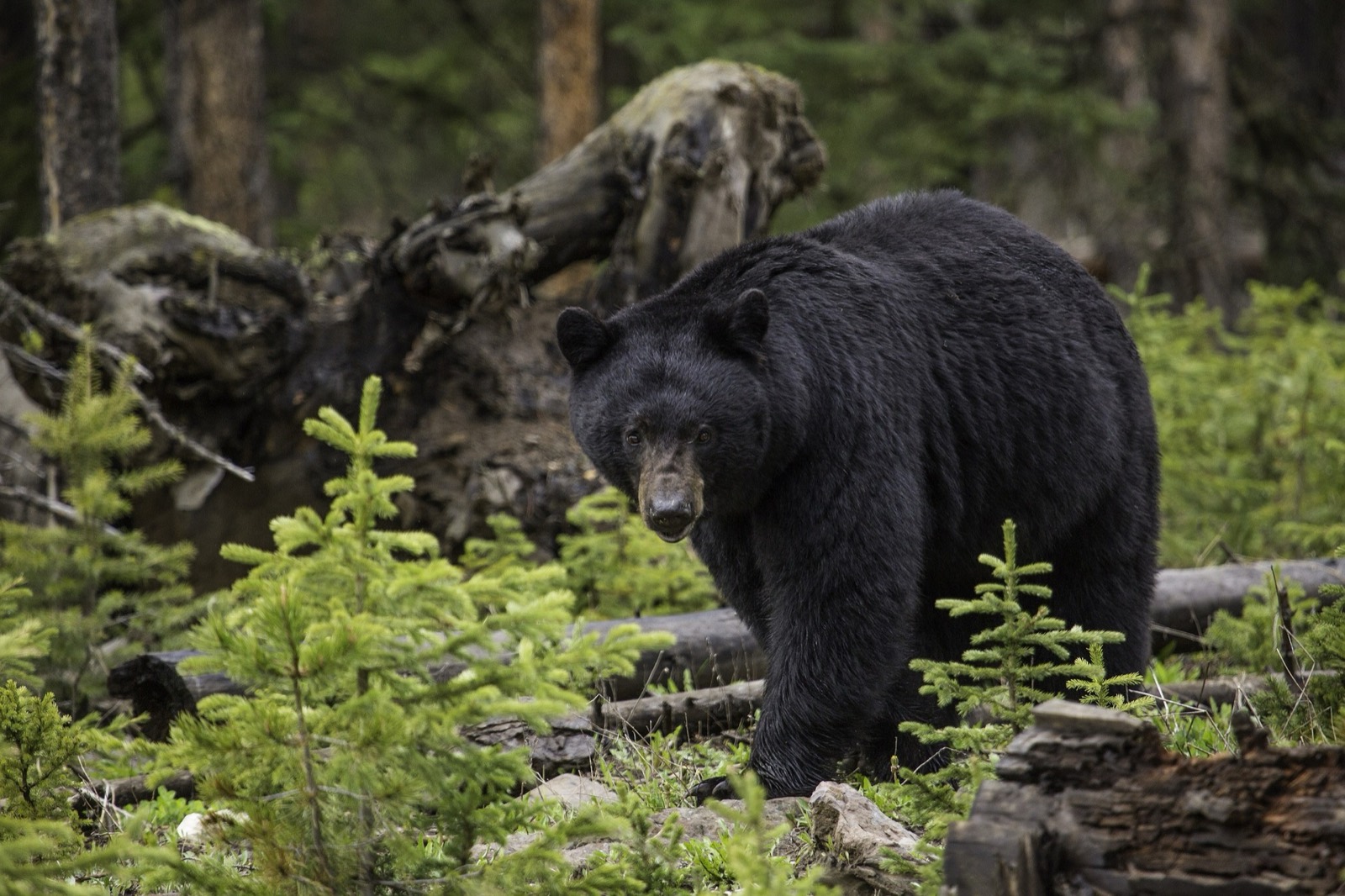
American Black Bear
Wisconsin's thriving black bear population exceeds 24,000 animals, primarily inhabiting the extensive hardwood-conifer forests and cedar swamps of the northern and central counties. Adult boars can exceed 500 lbs.
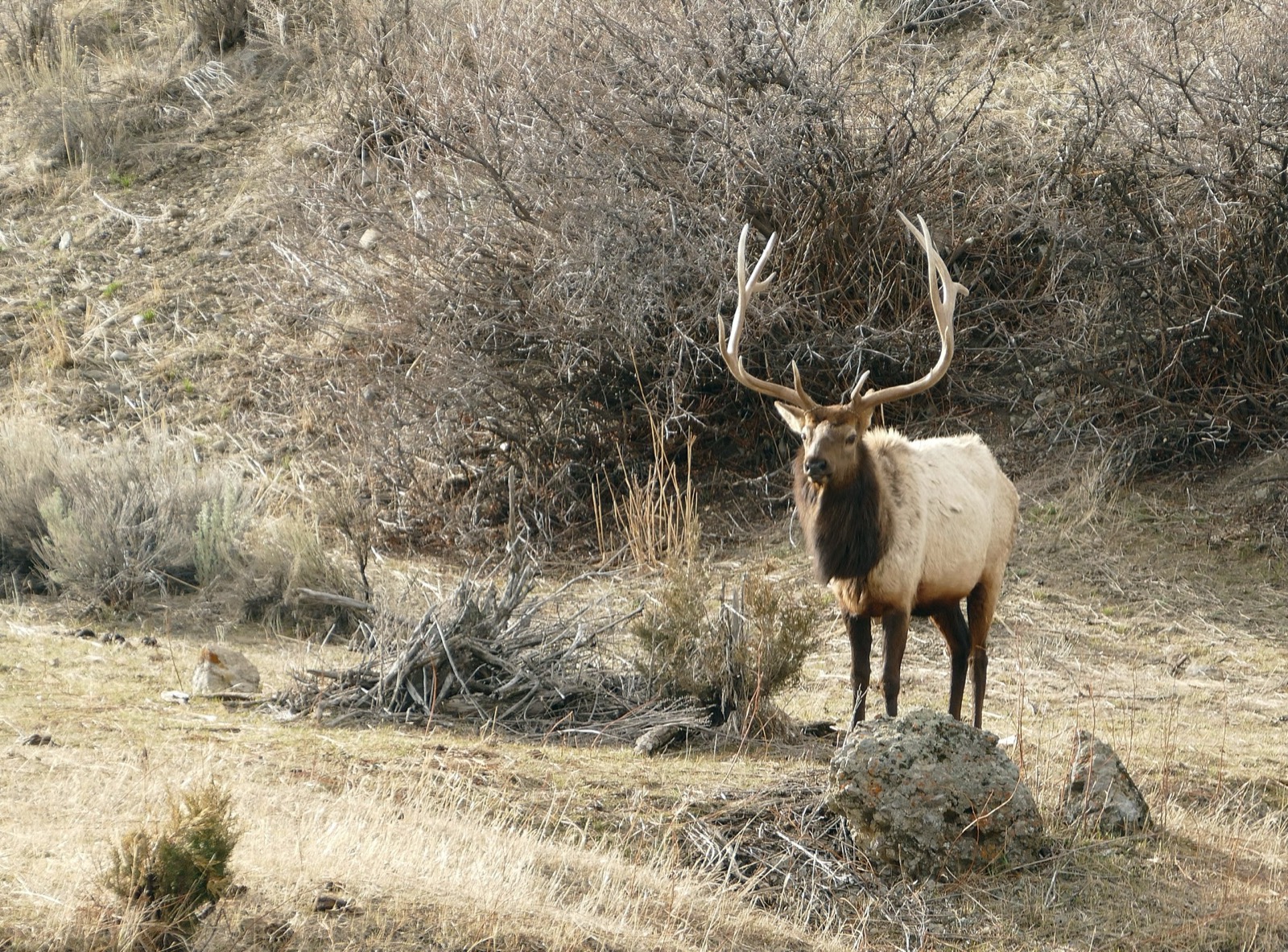
Rocky Mountain Elk
Reintroduced in the 1990s, wild elk herds now flourish around Clam Lake in the Chequamegon-Nicolet National Forest and the Black River State Forest, offering highly prized, tightly regulated bull harvest tags.
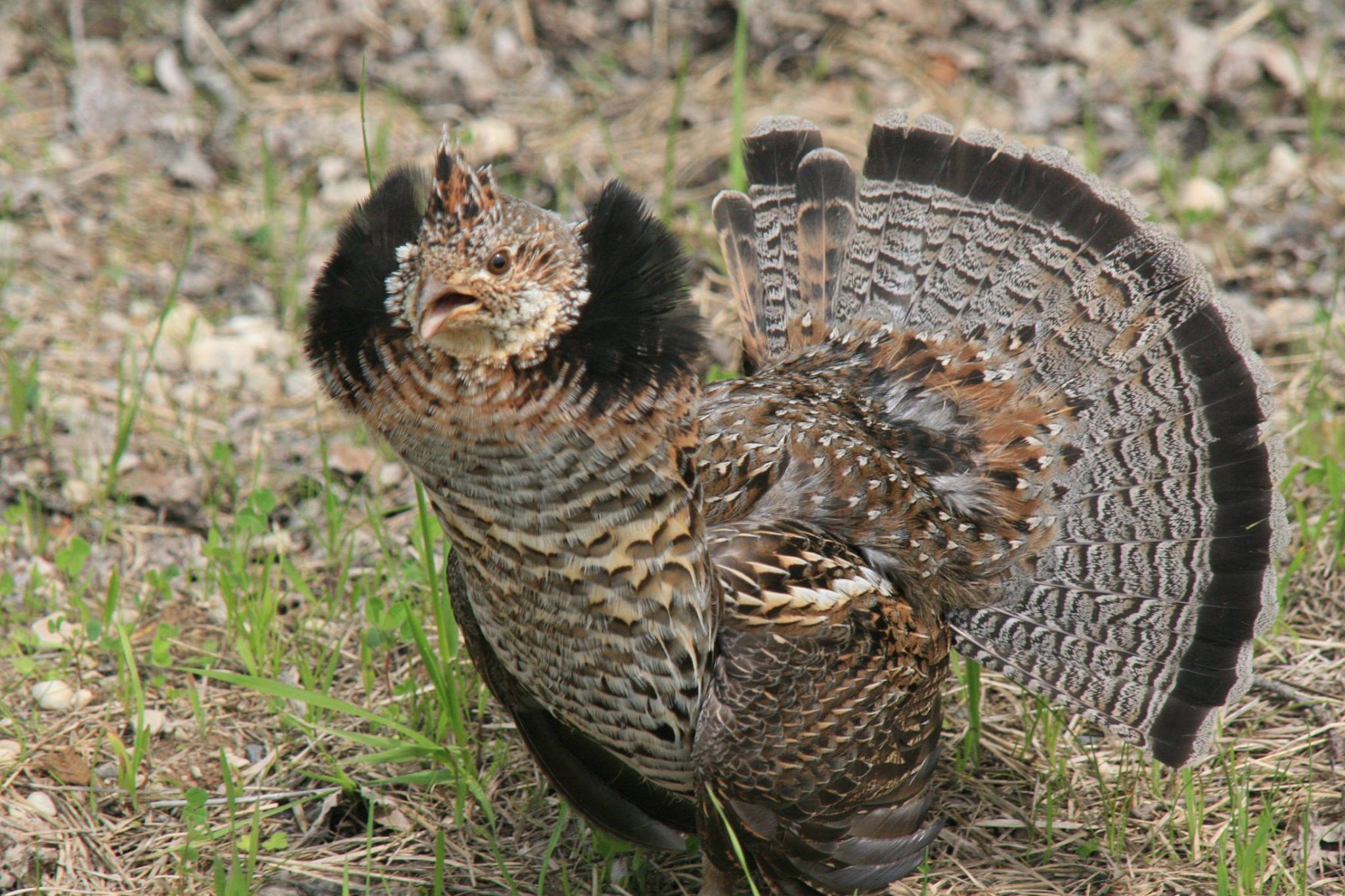
Ruffed Grouse
Deeply rooted in Wisconsin's sporting tradition. Young regenerating aspen clearcuts, hazel thickets, and alder bottoms in northern Wisconsin support premier densities of drumming grouse.
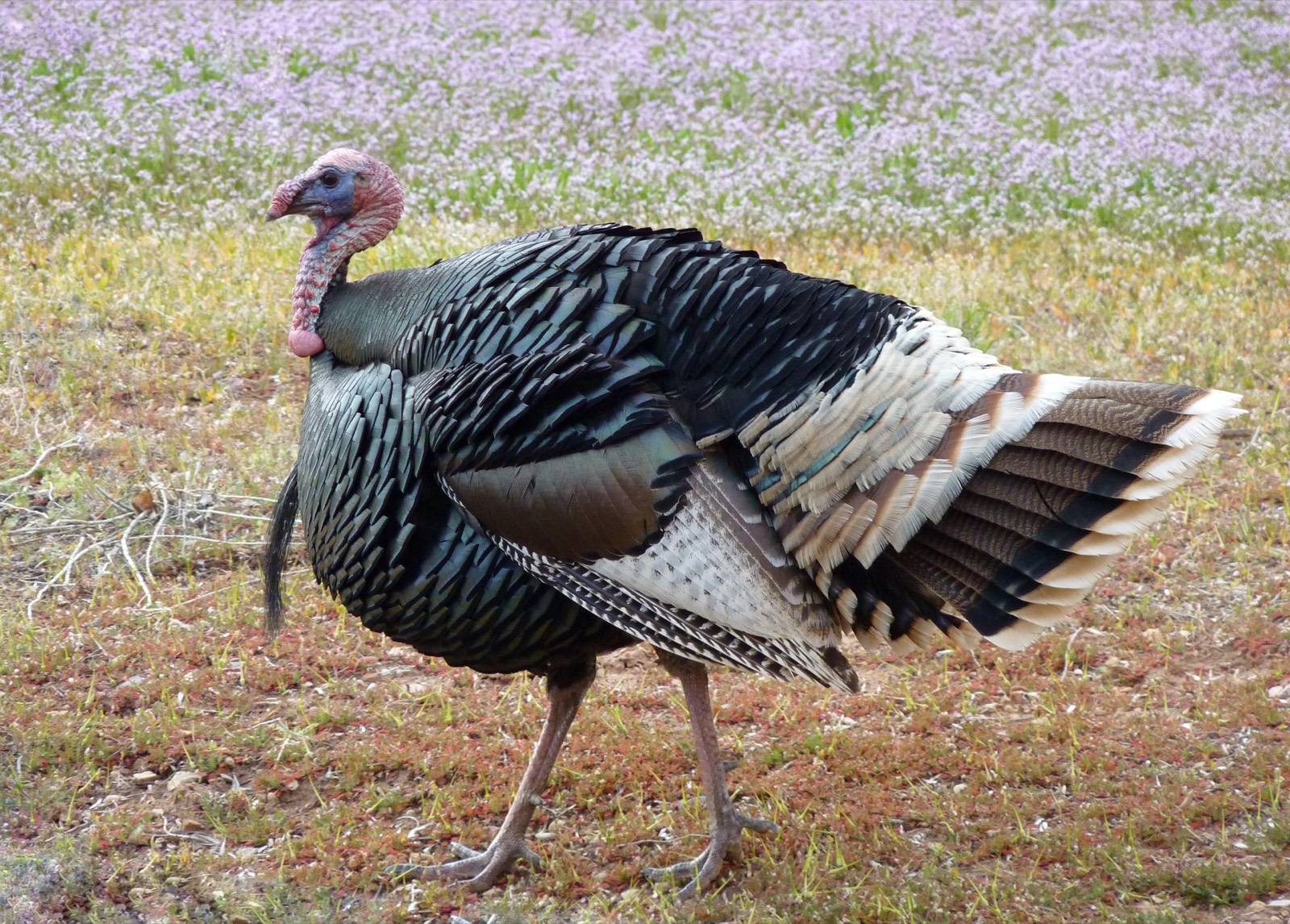
Eastern Wild Turkey
One of Wisconsin's greatest wildlife conservation restorations. Turkeys are abundant in all 72 counties, foraging on acorns, waste grain, and clover across farm fields and oak ridges.
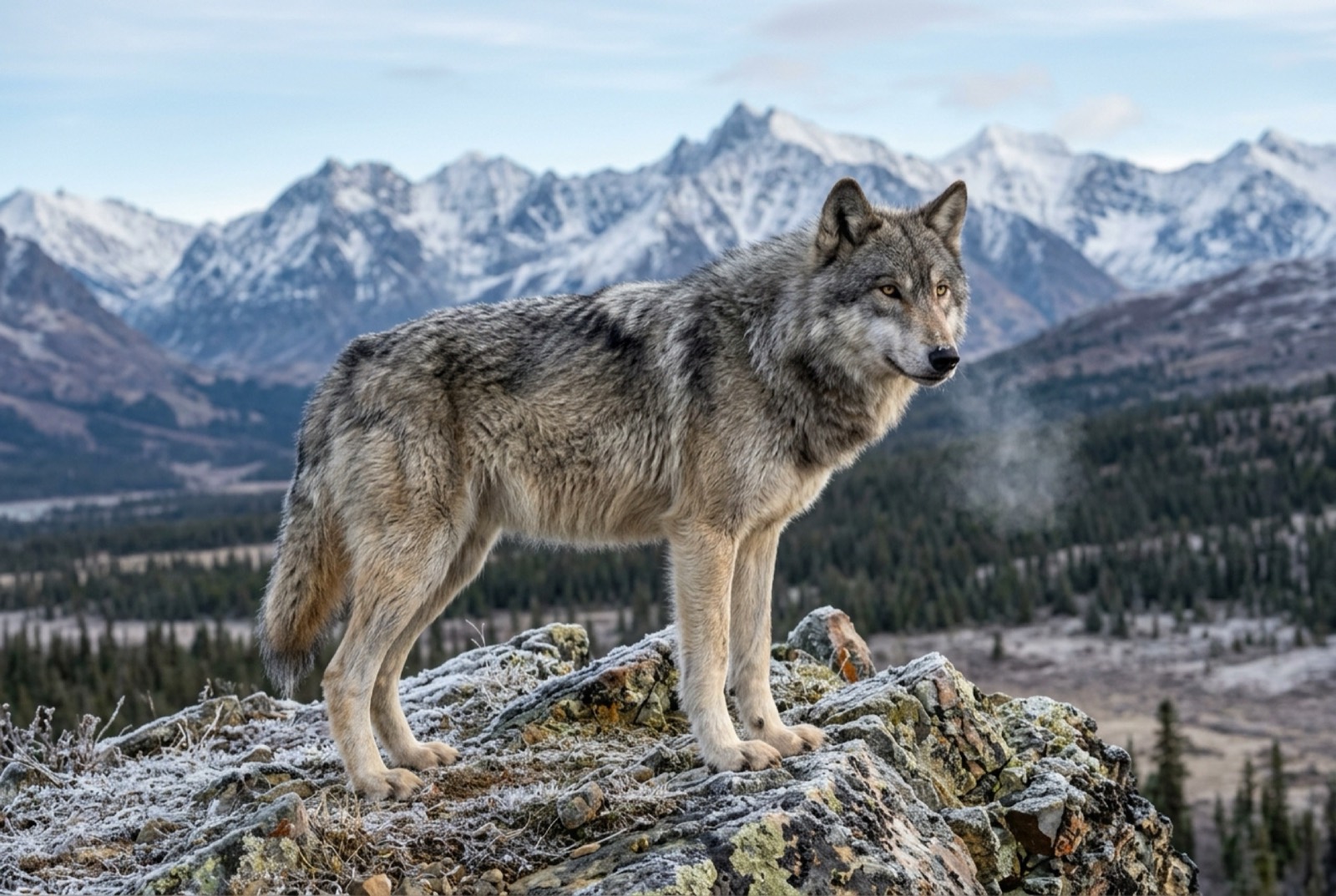
Gray Wolf
Thriving wild wolf packs inhabit northern and central forested landscapes, playing a vital role in balancing forest ecology and controlling diseased or aged ungulates.
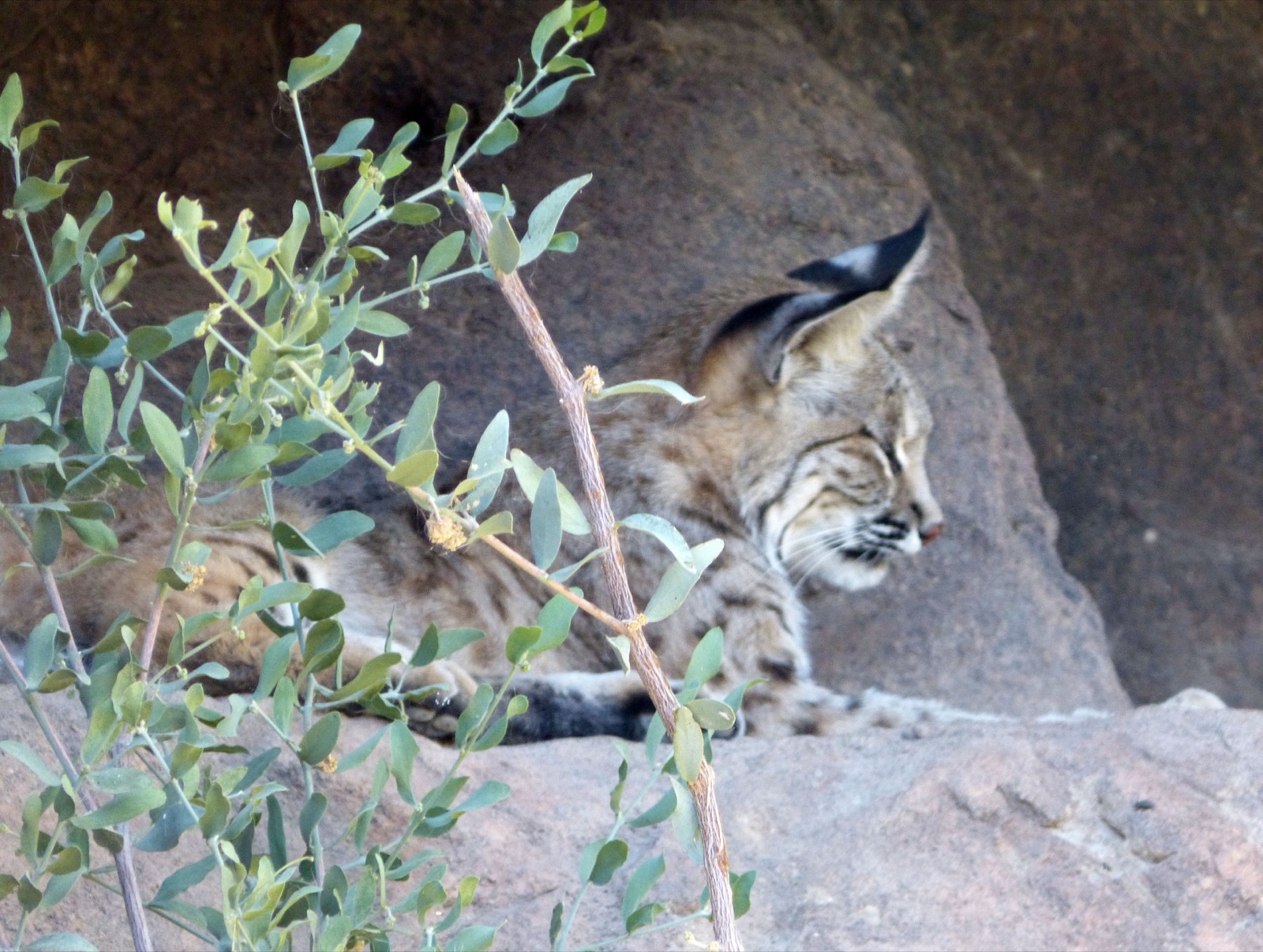
Bobcat
Native furbearer common in northern cedar swamps and rocky bluffs, expanding into central Wisconsin. Solitary hunters that stalk cottontails, squirrels, and small rodents.
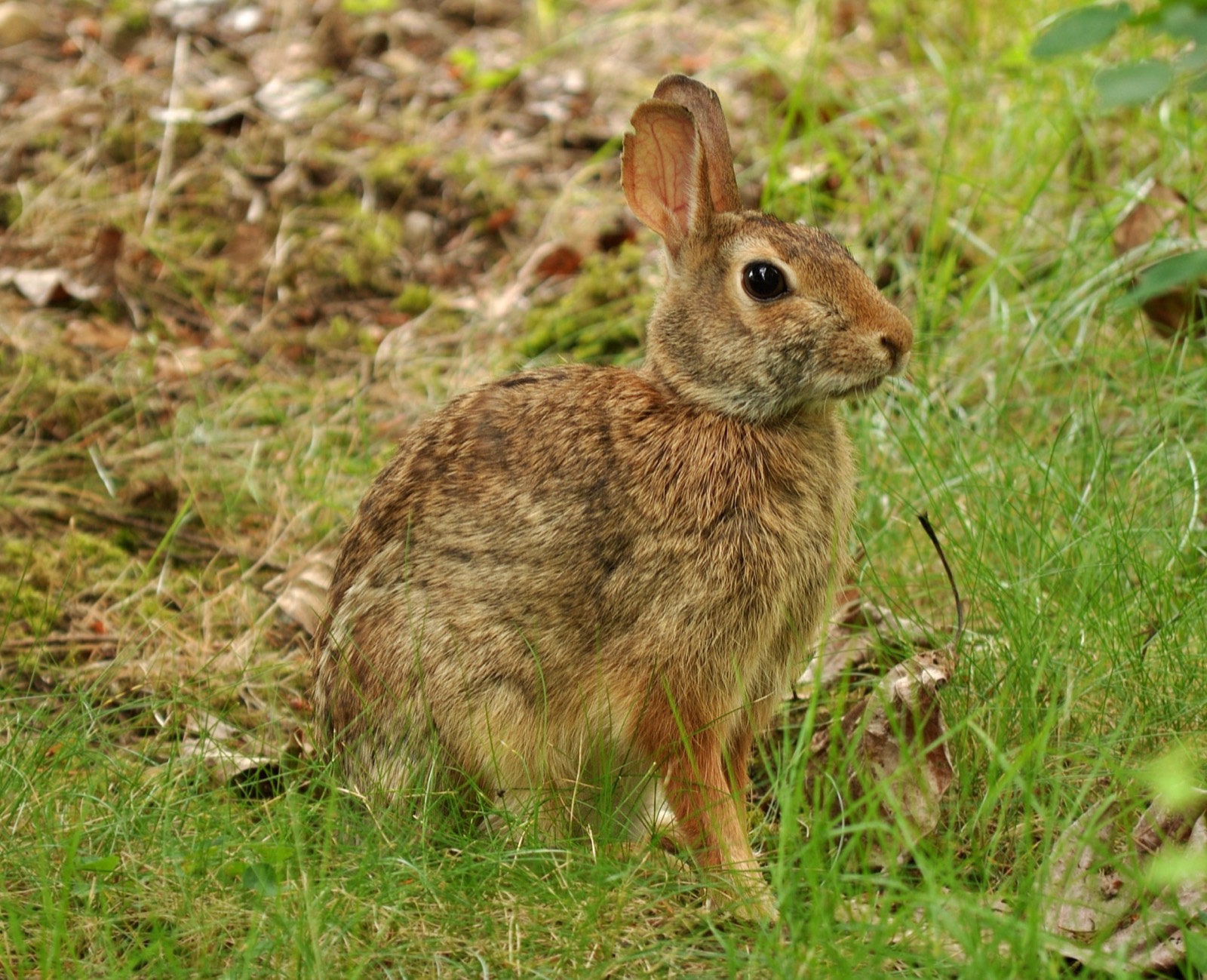
Eastern Cottontail Rabbit
Abundant in agricultural margins, brushy hedgerows, and young forest cuts statewide, providing vital forage for predatory birds and mammals.