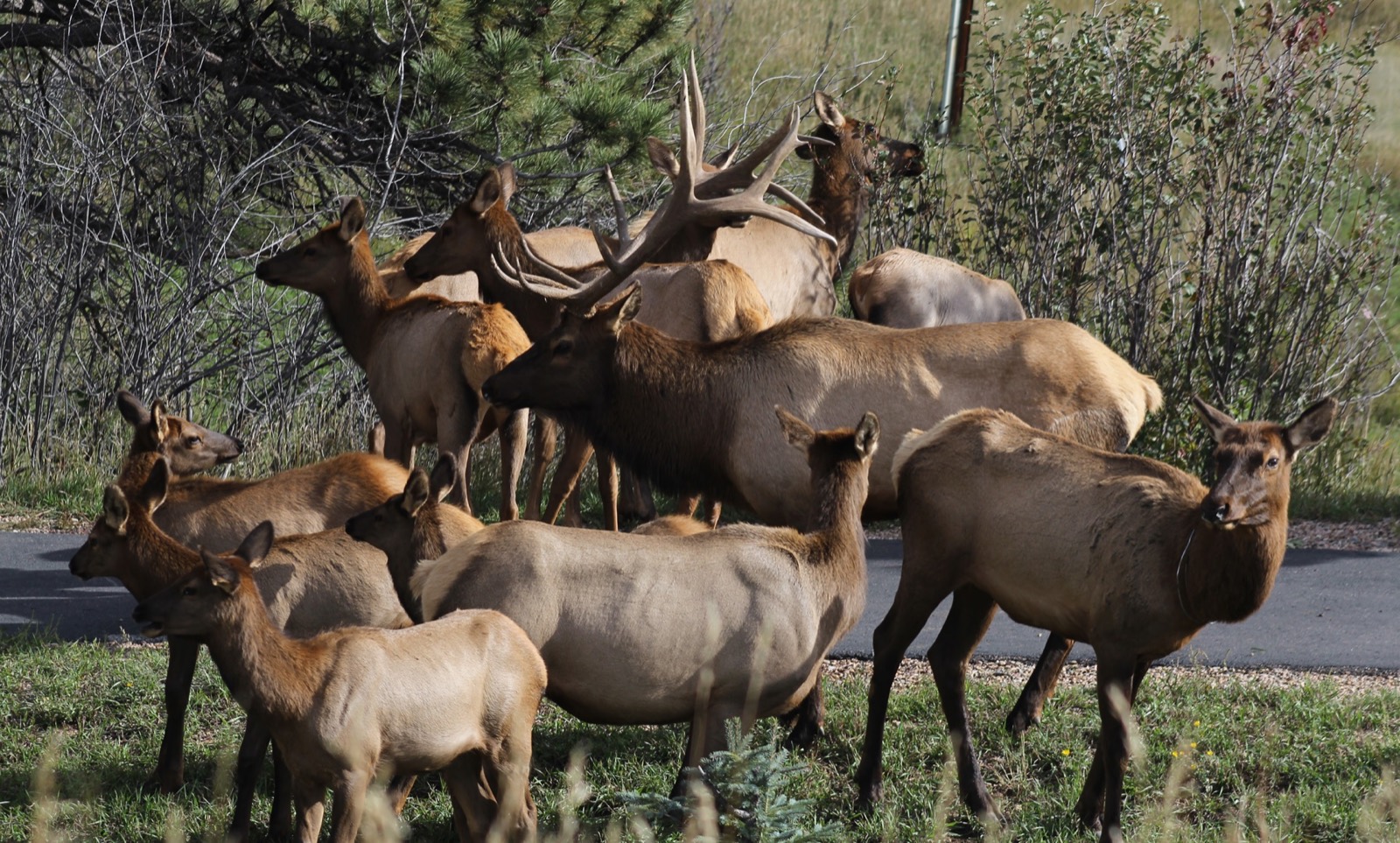
Washington
Coastal rainforest Roosevelt elk, Cascade blacktail, Columbia Basin mule deer, and Pacific Flyway duck hunting.
Native Species in Washington
Official Regulatory Authority
Washington Department of Fish and Wildlife (WDFW)
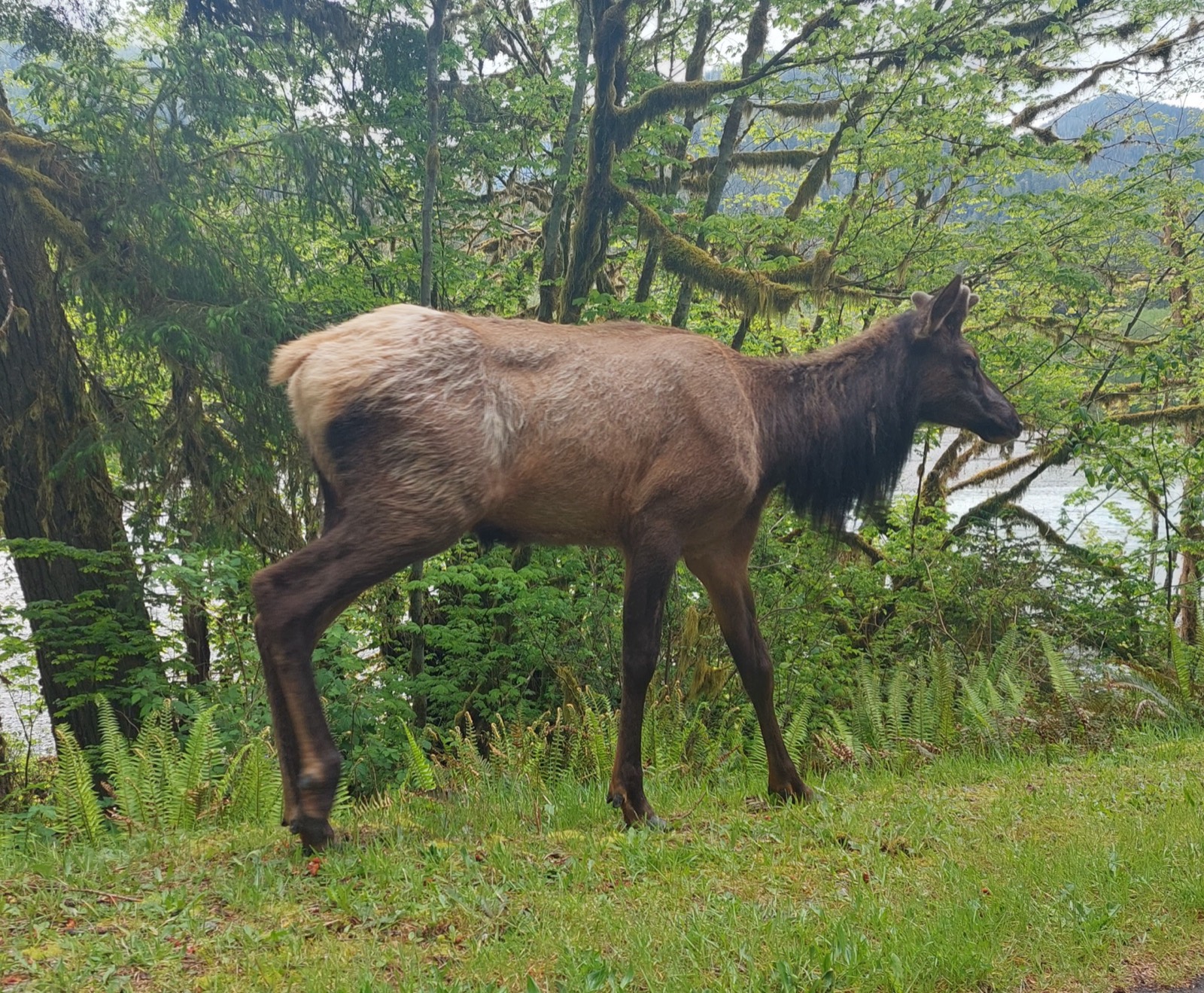
Roosevelt Elk
The largest surviving subspecies of elk in North America, with mature bulls weighing 700 to 1,100 lbs. Heavily concentrated in the dense, moss-draped temperate rainforests of the Olympic Peninsula and the western slopes of the Cascade Mountains. They feed on ferns, huckleberry, willow, and clover, utilizing old-growth timber stands for winter thermal cover.
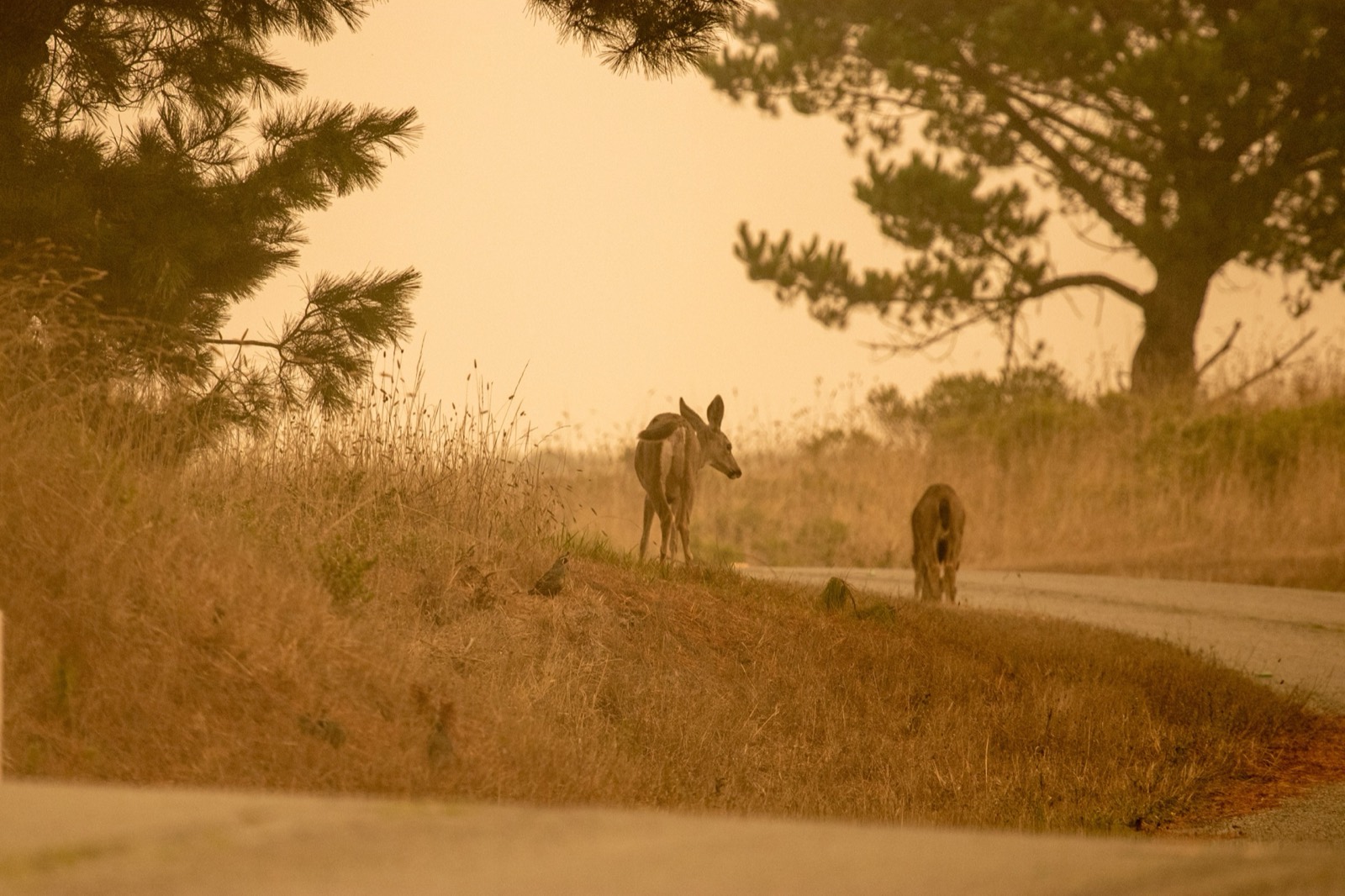
Columbian Black-Tailed Deer
Native deer of western Washington, thriving in the dense temperate forests between the Pacific coast and the Cascade crest. Adult bucks weigh 140 to 200 lbs and display compact, dark-antlered frames adapted for slipping through thick salal, sword fern, and second-growth Douglas fir reproduction.
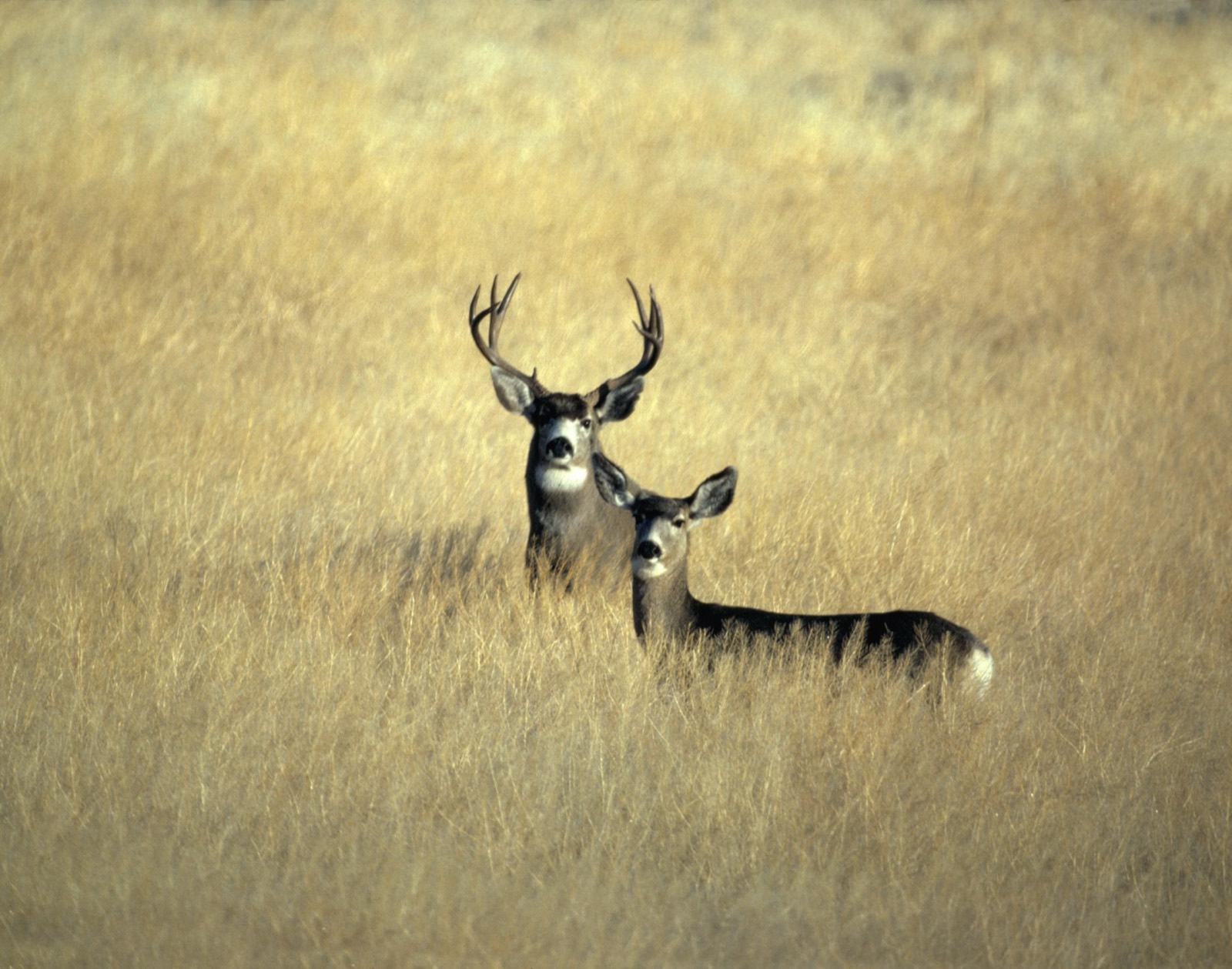
Mule Deer
Prevalent throughout the eastern slopes of the Cascade Range and the rolling coulees of the Columbia Plateau. Recognizable by large, bifurcated antlers, oversized foraging ears, and white rump patch with a black-tipped tail. They undertake extensive seasonal migrations between high alpine summer basins and low-elevation bitterbrush winter ranges.
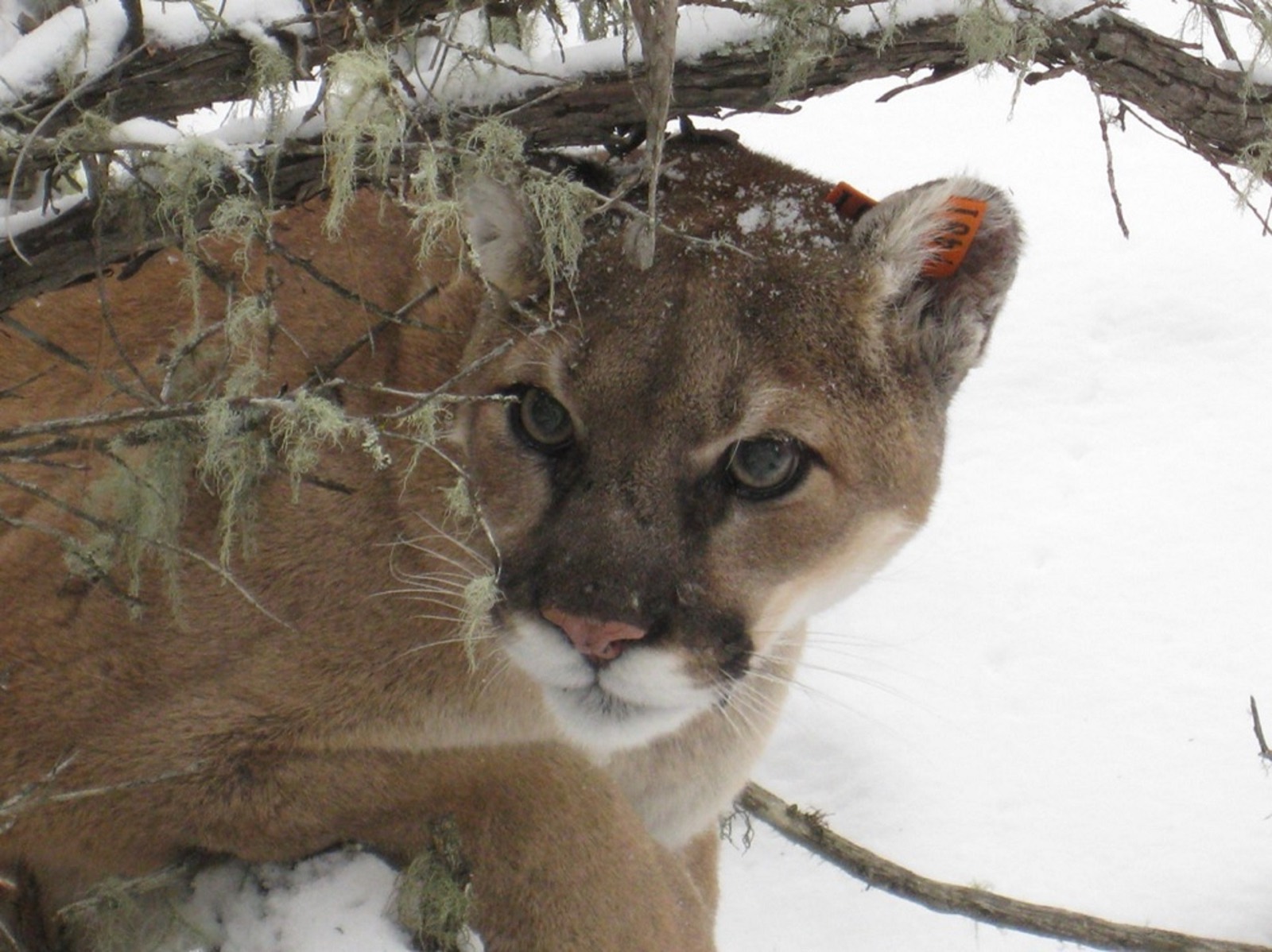
Cougar (Mountain Lion)
Washington maintains a healthy population of solitary apex cougars across rugged mountain foothills, dense timber belts, and river canyons. Adult males weigh 140 to 190 lbs. Cougars maintain large territorial home ranges, preying primarily on black-tailed deer, mule deer, and elk while remaining elusive.
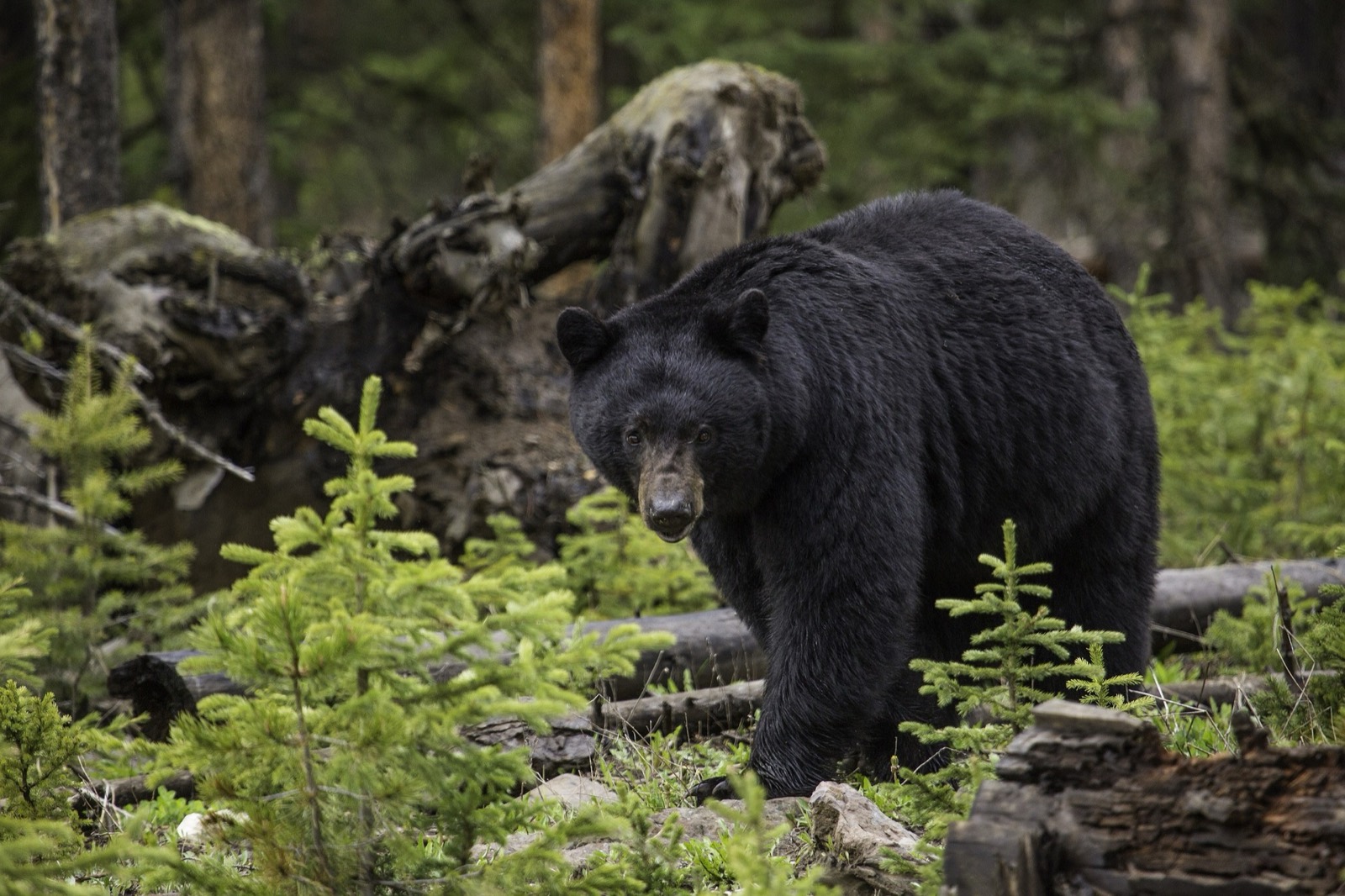
Black Bear
Widely distributed across both western rainforests and eastern mountain ranges. Washington black bears exhibit a variety of color phases, ranging from jet black in coastal river corridors to cinnamon and blonde in dry eastern timber. Adults weigh 200 to 450 lbs, feeding heavily on alpine berries, roots, and spawning salmon.
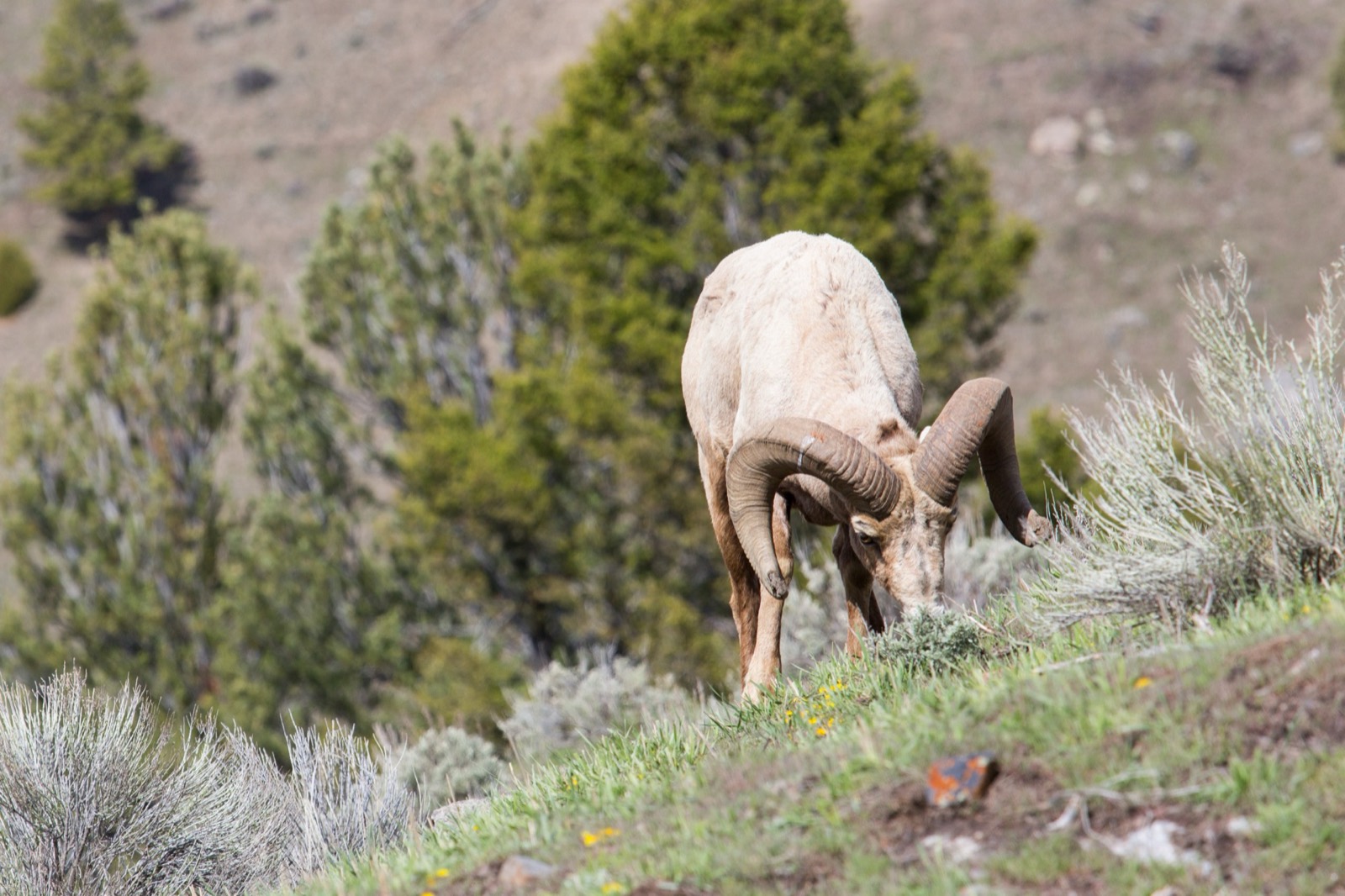
Rocky Mountain & California Bighorn Sheep
Inhabiting steep river breaks along the Yakima, Columbia, and Snake rivers, as well as high alpine peaks in the North Cascades. Both rams and ewes feature permanent horns, with mature rams growing massive curl horns. They rely on sheer rock cliffs and vertical talus slopes for escape terrain.
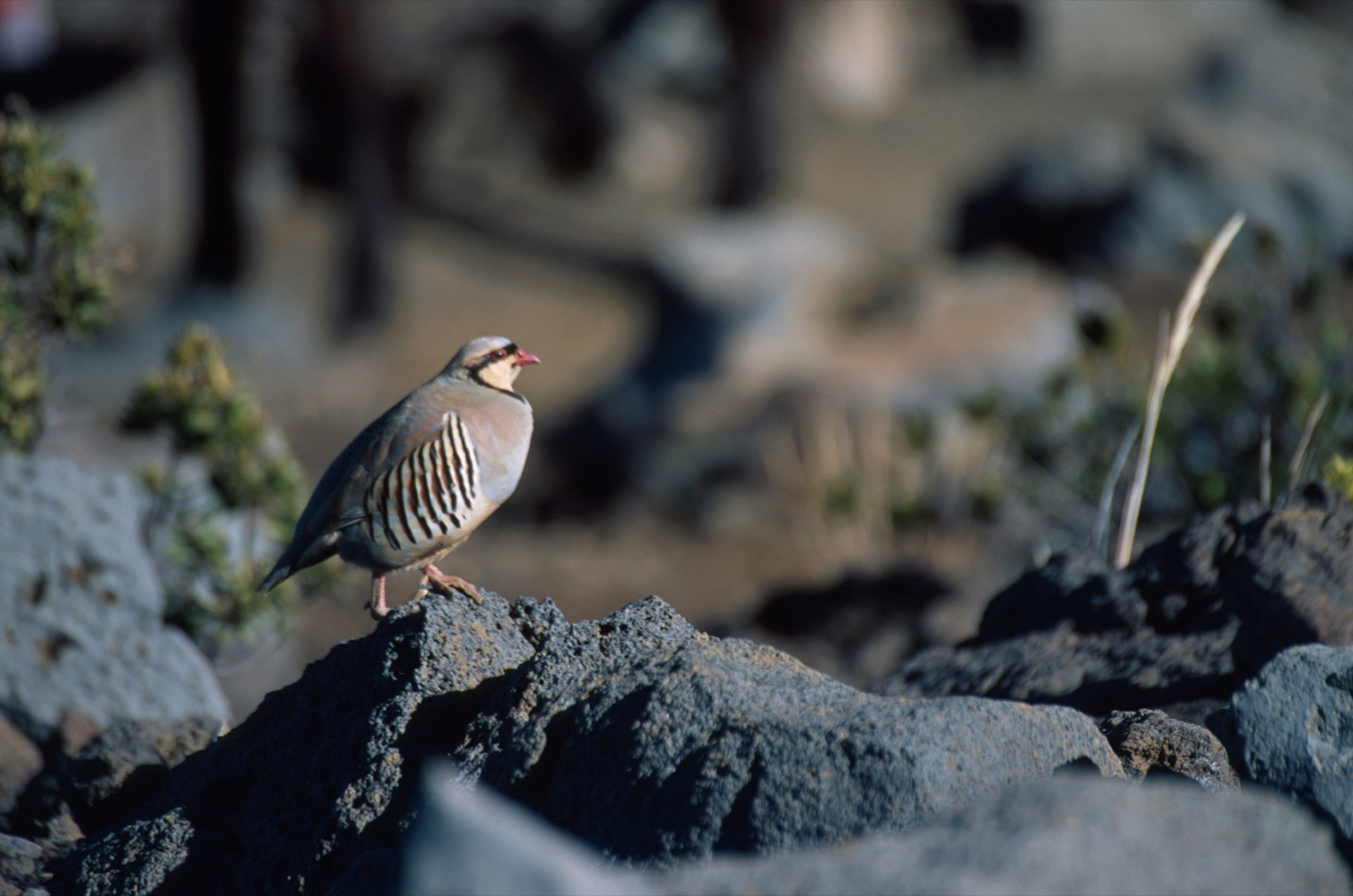
Chukar Partridge
Introduced upland game bird that has completely naturalized across the steep, arid basalt canyons and cheatgrass talus slopes of the Columbia and Snake river basins. Chukars live in coveys, relying on rugged vertical terrain, explosive flight, and keen eyesight to evade predators.