North Dakota
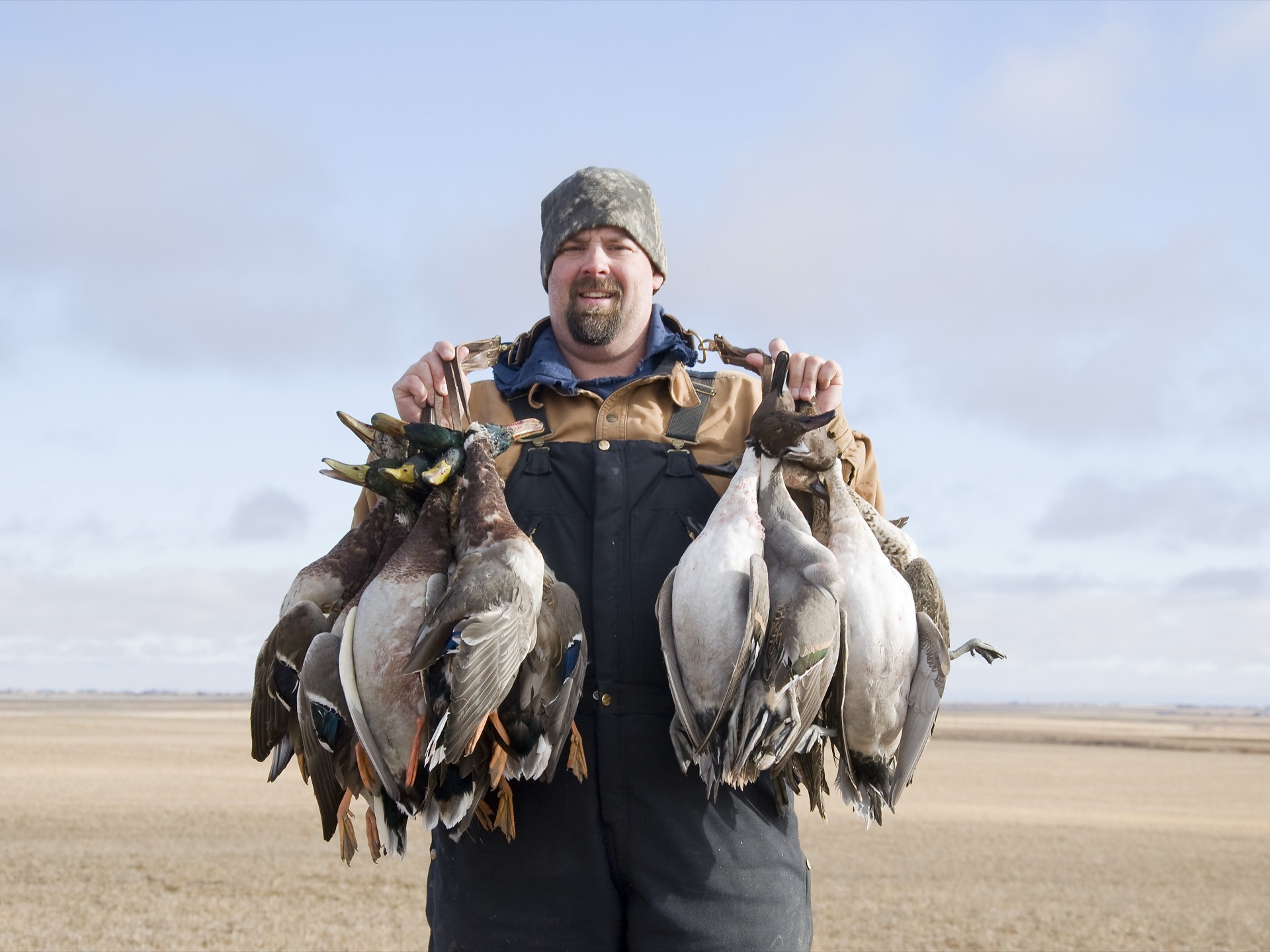
The Duck Factory. Billions of ducks in the Prairie Pothole region, Badlands mule deer, and open access PLOTS lands.
Small Game & Upland Hunting in North Dakota
Official Regulatory Authority
North Dakota Game and Fish Department (NDGF)
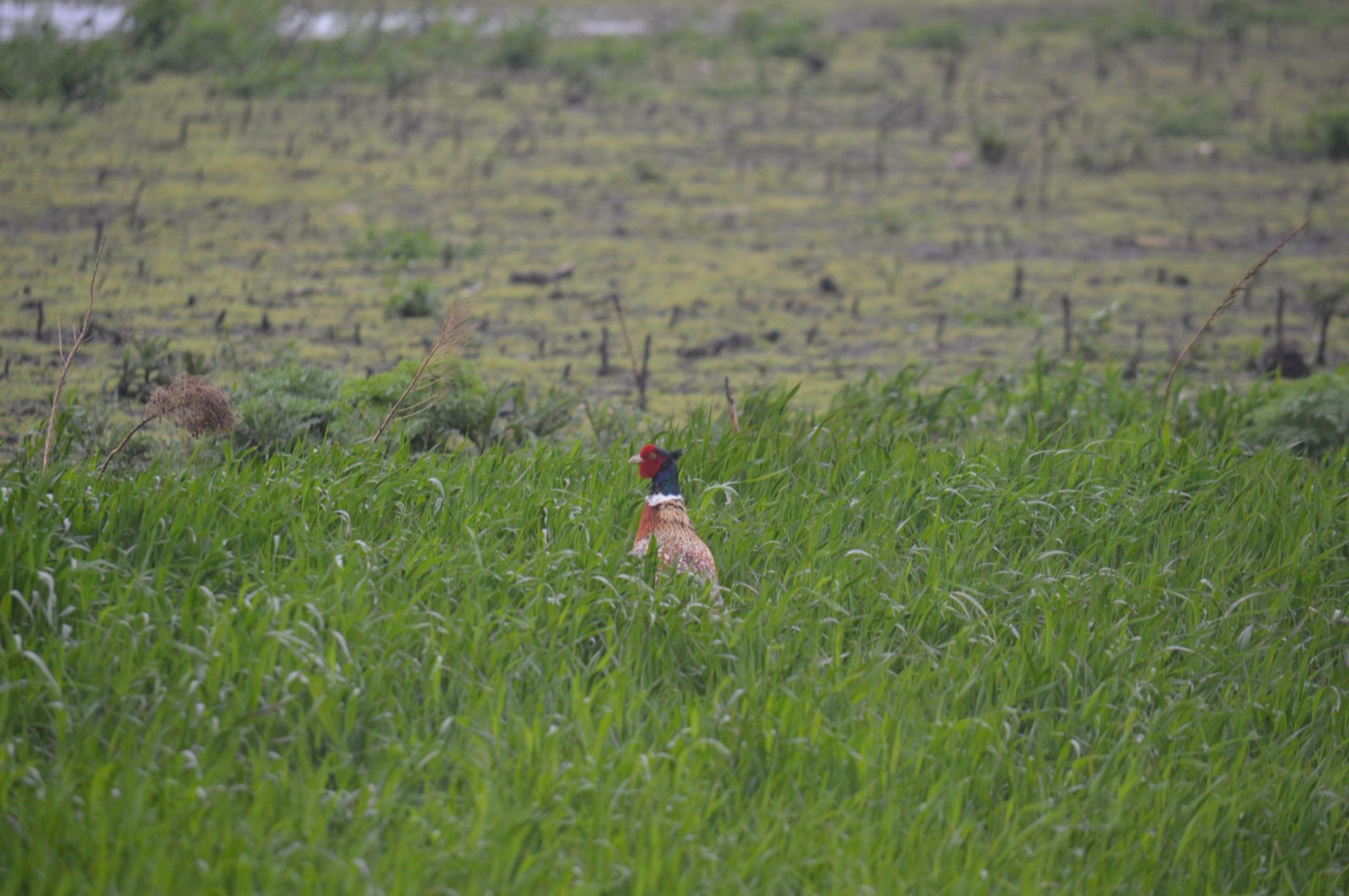
Ring-necked Pheasant
North Dakota's southwestern prairie cropland—anchored by Mott, Regent, and Dickinson—is legendary for high wild pheasant numbers.
The season opens in early October with a daily limit of 3 roosters. Public access is outstanding through North Dakota Game and Fish Department's Private Land Open To Sportsmen (PLOTS) program, providing millions of walk-in acres across CRP grasslands, sunflower edges, and shelterbelts.
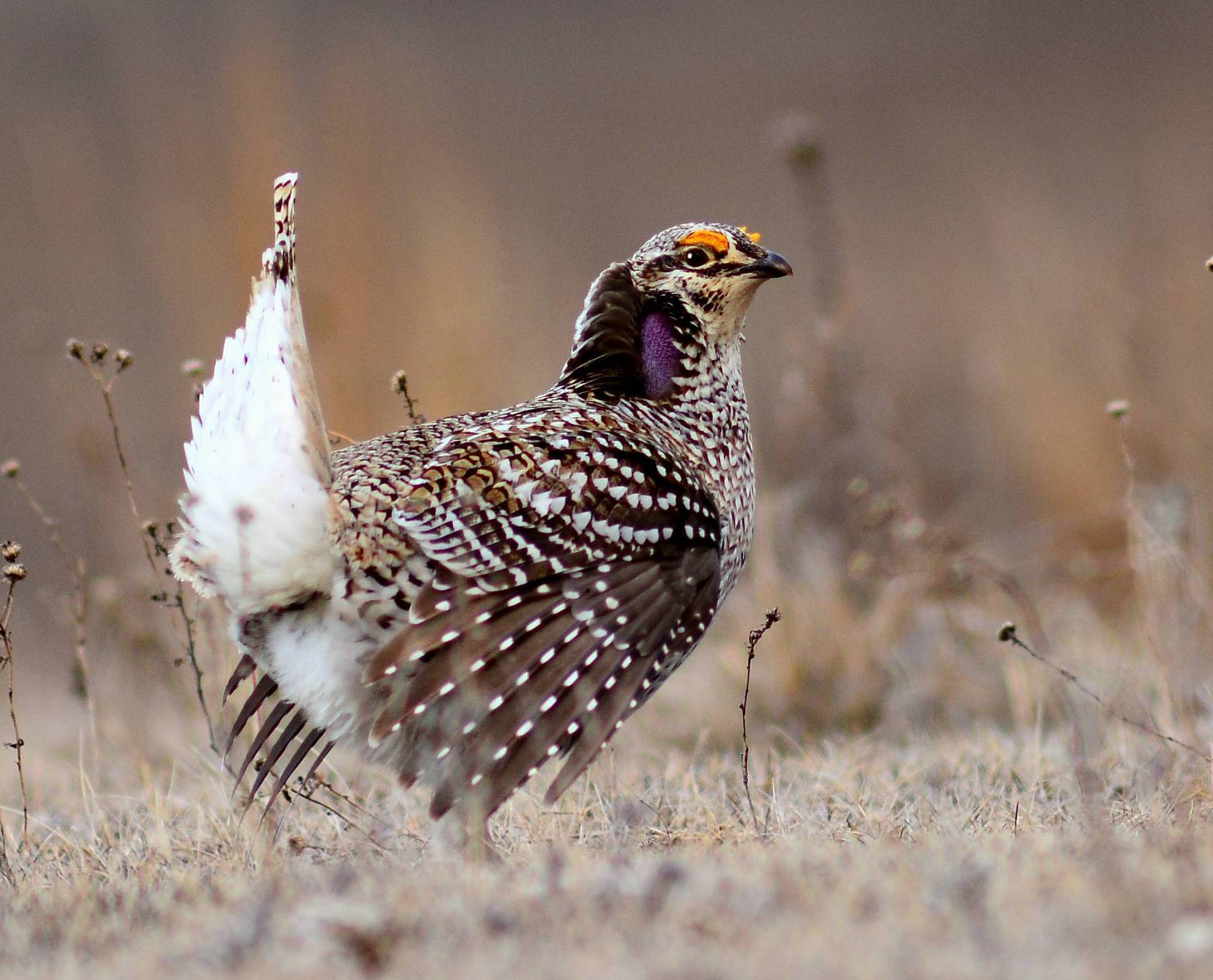
Sharp-tailed Grouse
Native sharp-tailed grouse flourish across the rolling mixed-grass prairie and rugged coulees of the Little Missouri National Grassland and central pothole country.
The season opens in mid-September with a 3-bird limit. Hunters hike prairie ridges and buffaloberry coulees, where coveys burst into flight with resonant chuckling cackles.
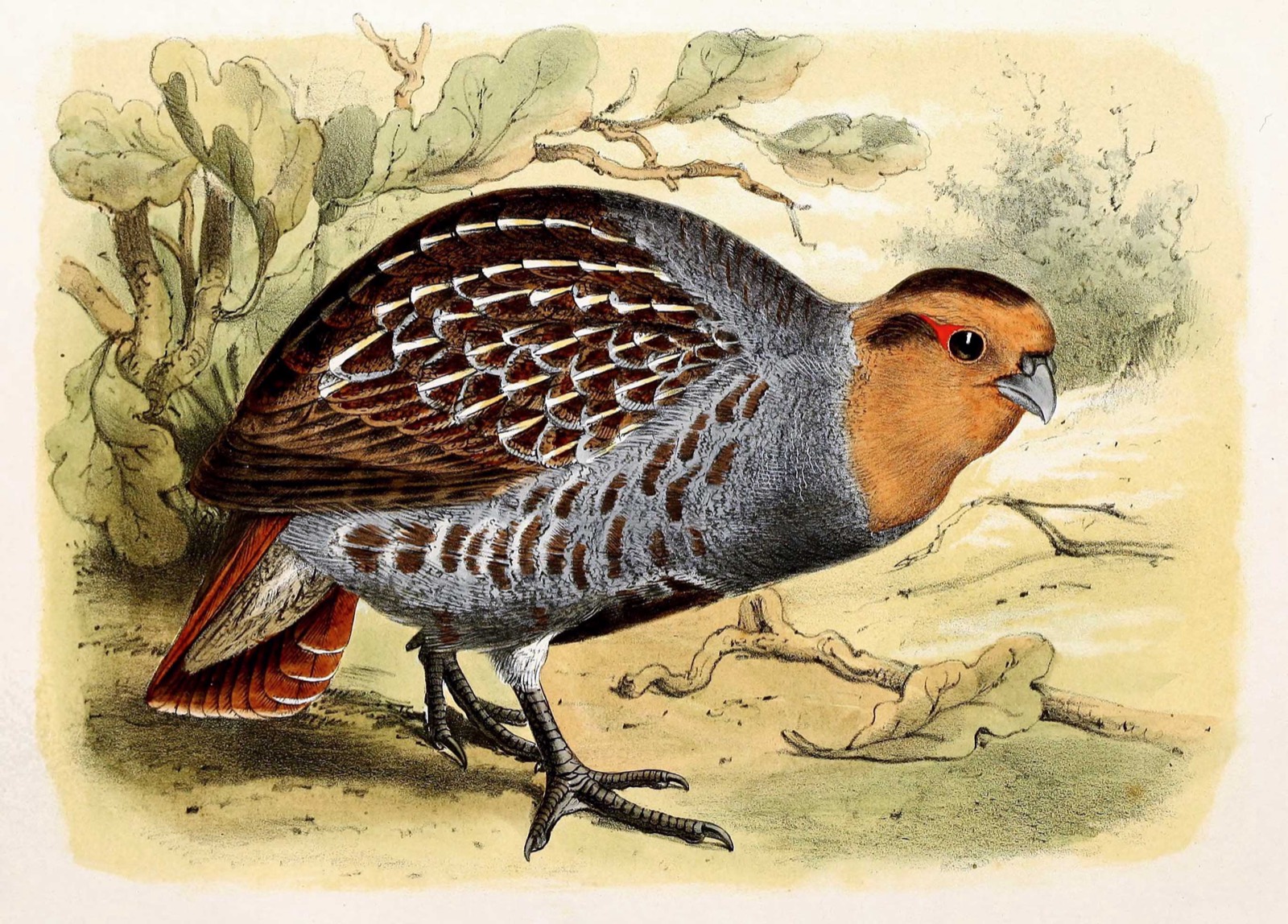
Hungarian (Grey) Partridge
Hungarian partridge inhabit the vast open grain stubble, grassy roadside ditches, and farmstead shelterbelts of northern and western North Dakota.
Fast, covey-oriented flushes challenge wingshooters using open-choked shotguns with size 6 or 7.5 shot. Huns frequently flush wild at 25 to 35 yards, requiring quick reflexes and steady pointing dog work.
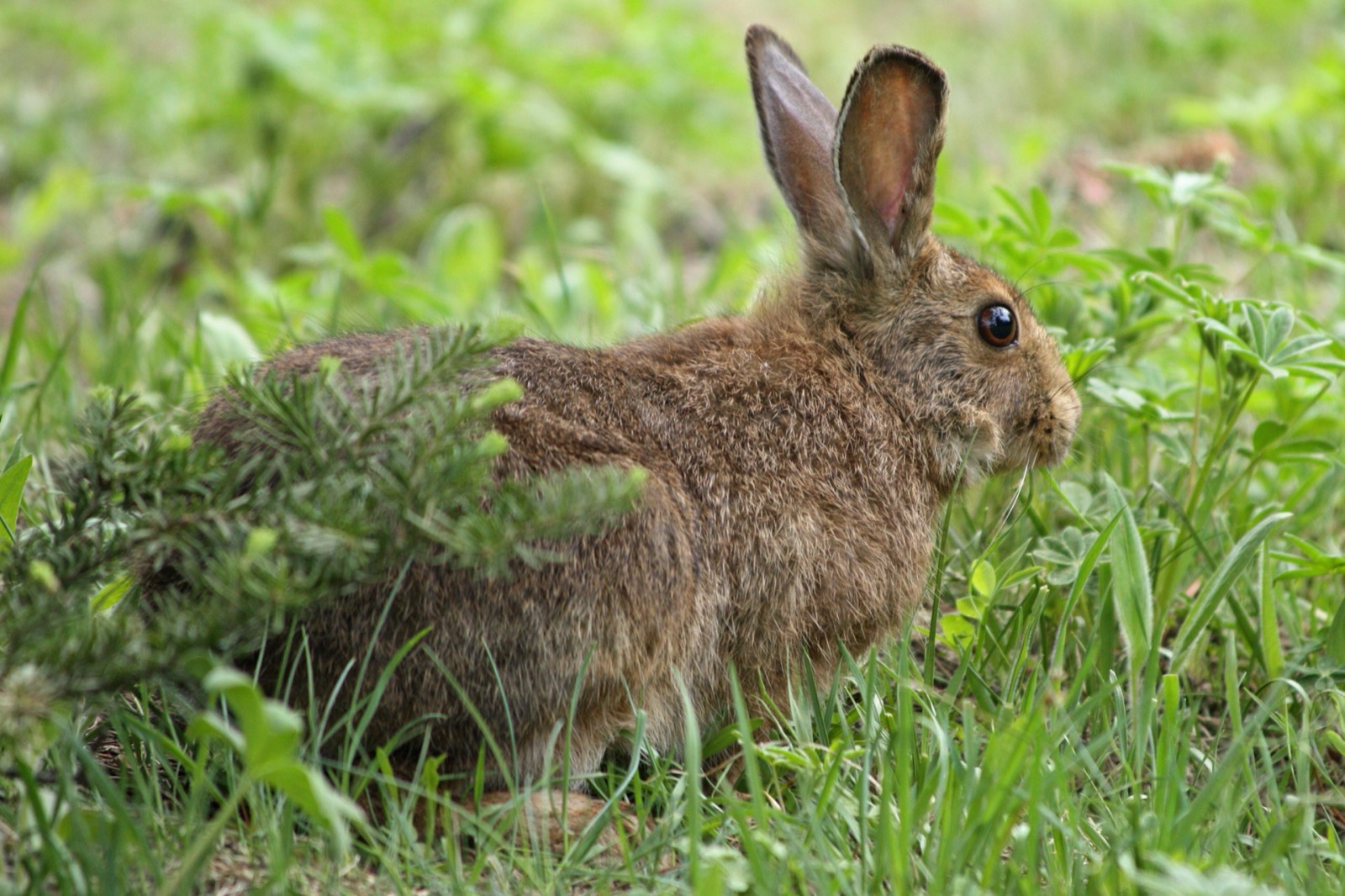
Snowshoe Hare & Cottontail
The Turtle Mountains and Pembina Gorge of northern North Dakota hold snowshoe hares in dense aspen and hazel thickets, while eastern cottontails occupy farmsteads statewide.
Both species provide long winter hunting opportunities across public wildlife management areas and state forest preserves.