North Carolina
Record-weight coastal black bears, Great Smoky mountain game lands, and expansive Pamlico Sound waterfowl.
Big Game Hunting in North Carolina
Official Regulatory Body
North Carolina Wildlife Resources Commission (NCWRC)
White-tailed Deer
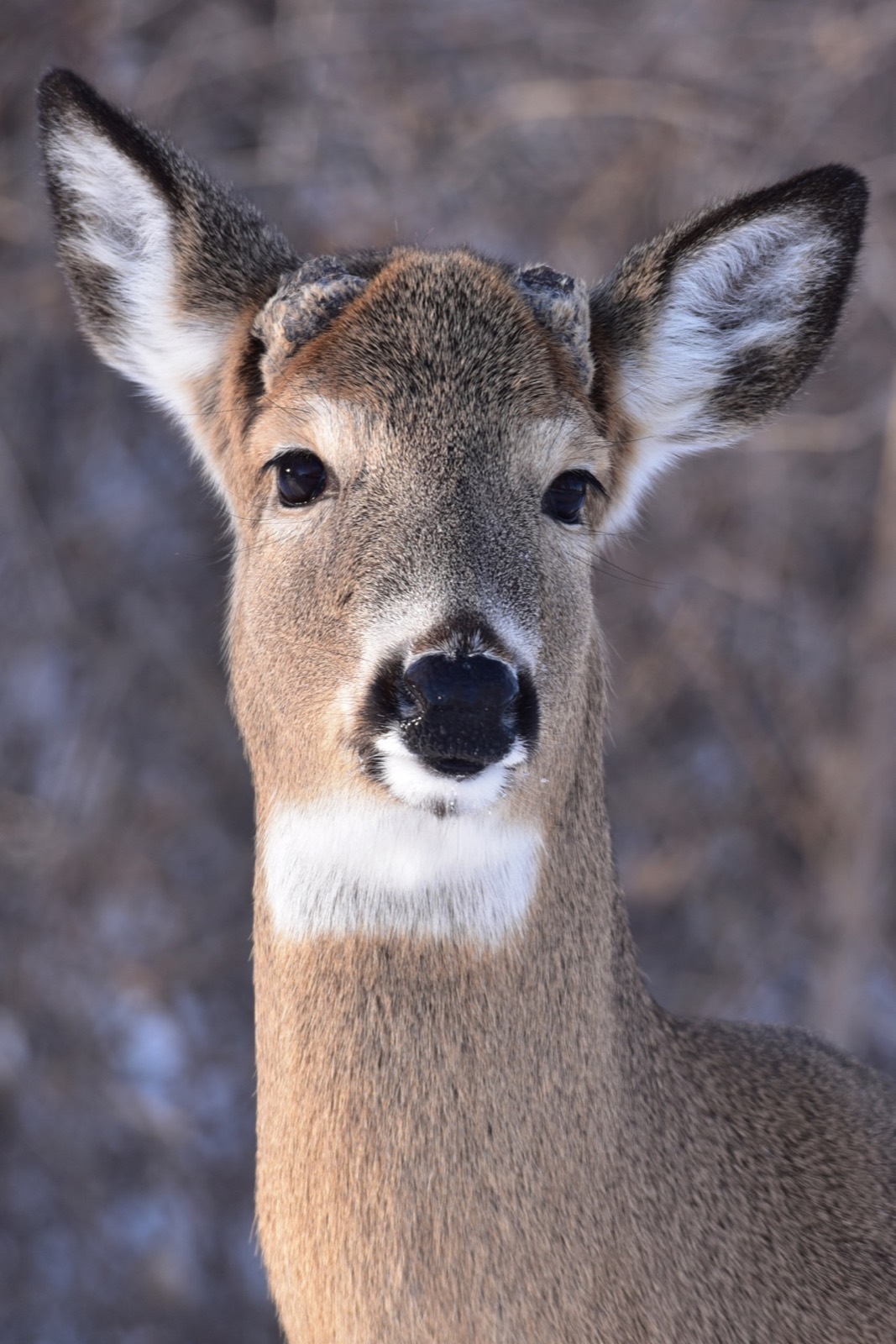
North Carolina offers immense ecological diversity for deer hunters, stretching from the coastal maritime swamps and agricultural fields of the Outer Banks region to the mile-high peaks of the Blue Ridge and Great Smoky Mountains.
North Carolina Wildlife Resources Commission (NCWRC) manages deer across Eastern, Central, Northwestern, and Western zones. The coastal plains—rich in corn, soybean, and peanut agriculture—produce heavy antler growth and high hunter success rates. The mountain region provides rugged big-woods hunting across Pisgah and Nantahala National Forests.
American Black Bear
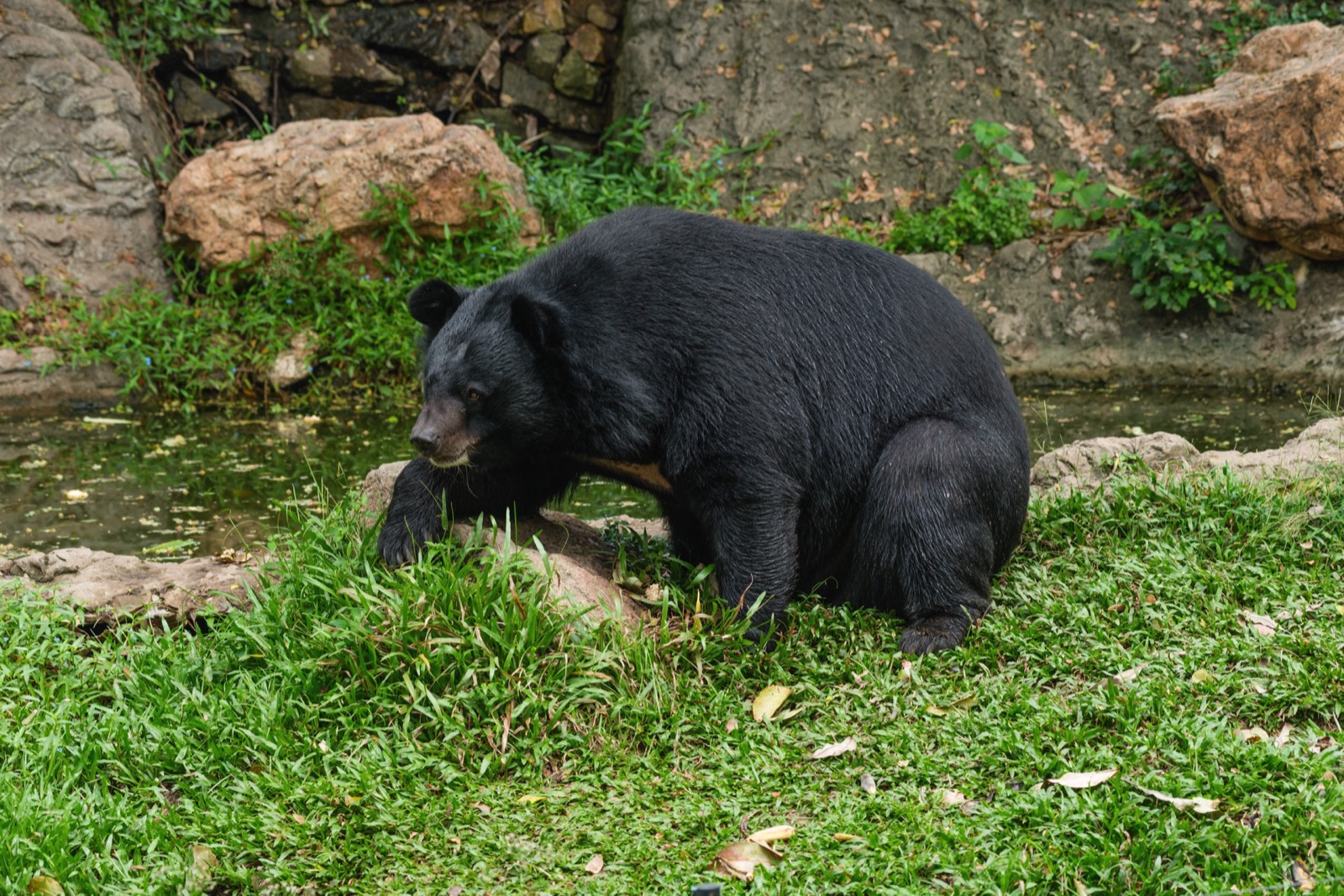
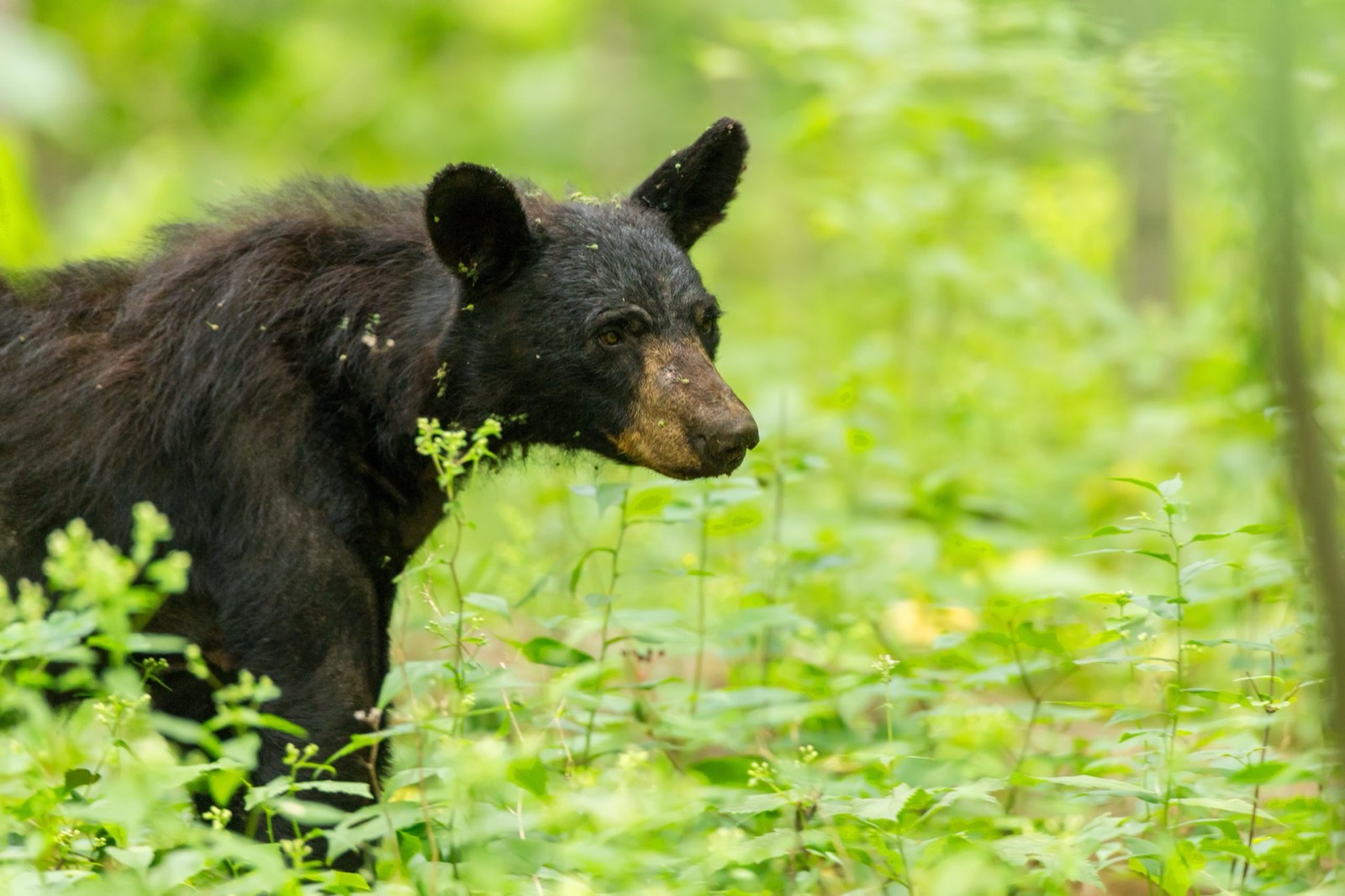
Coastal North Carolina (the Albemarle-Pamlico peninsula, including Dare, Hyde, and Tyrrell counties) is home to the largest black bears on earth, with mature boars regularly weighing between 600 and 750+ pounds.
NCWRC manages bear hunting through hound hunting and still-hunting seasons in both coastal and mountain regions. Coastal bears feed voraciously in dense pocosin swamps and agricultural fields, while mountain bears roam high hardwood ridges in western national forests.
Eastern Wild Turkey
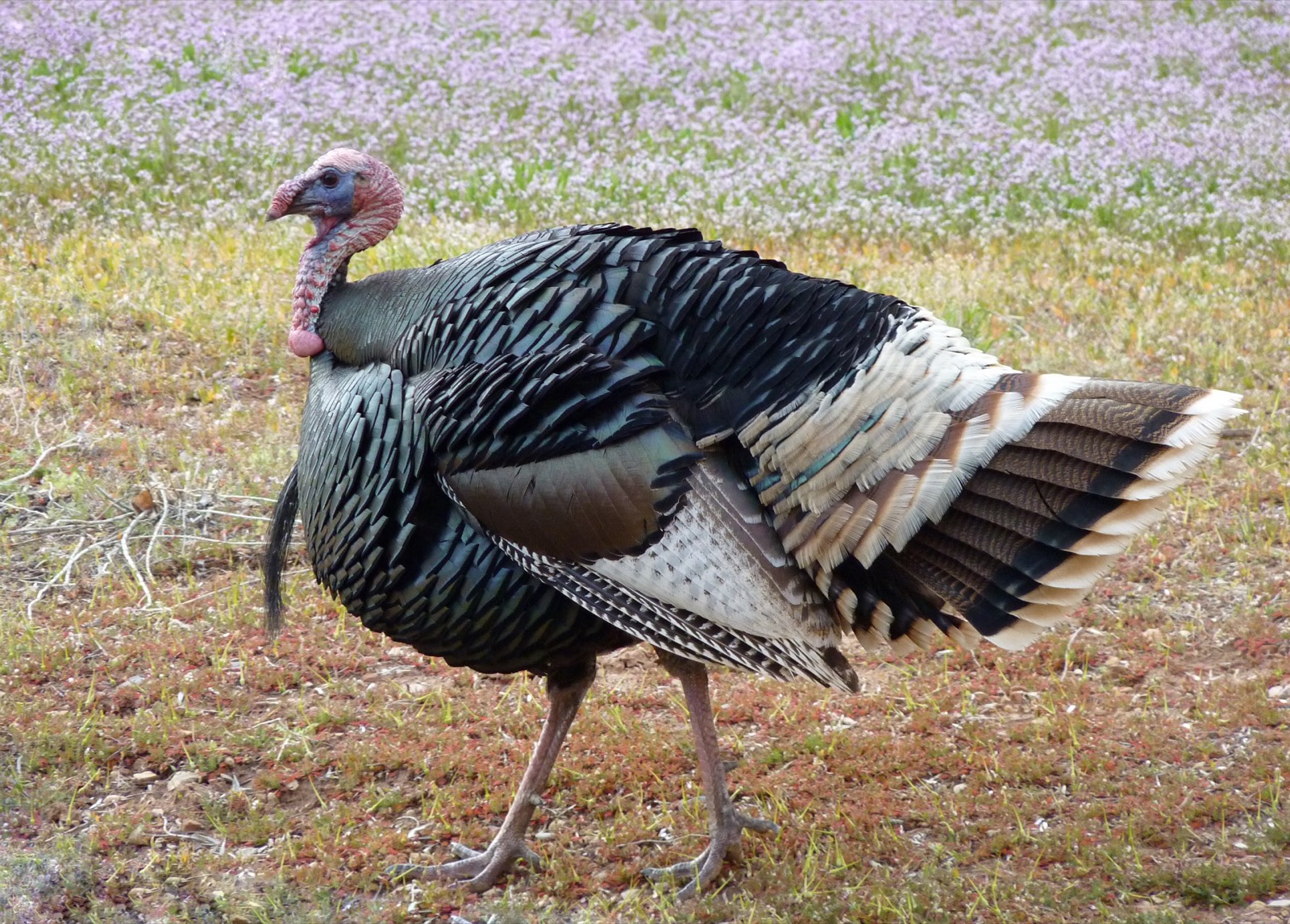
The spring wild turkey season in North Carolina is celebrated across all 100 counties, with robust flocks thriving in Piedmont woodlots and mountain timber.
NCWRC's month-long spring season opens in early April. Hunters call vocal gobblers across ridge points, logging cuts, and pasture openings with slate and diaphragm calls.
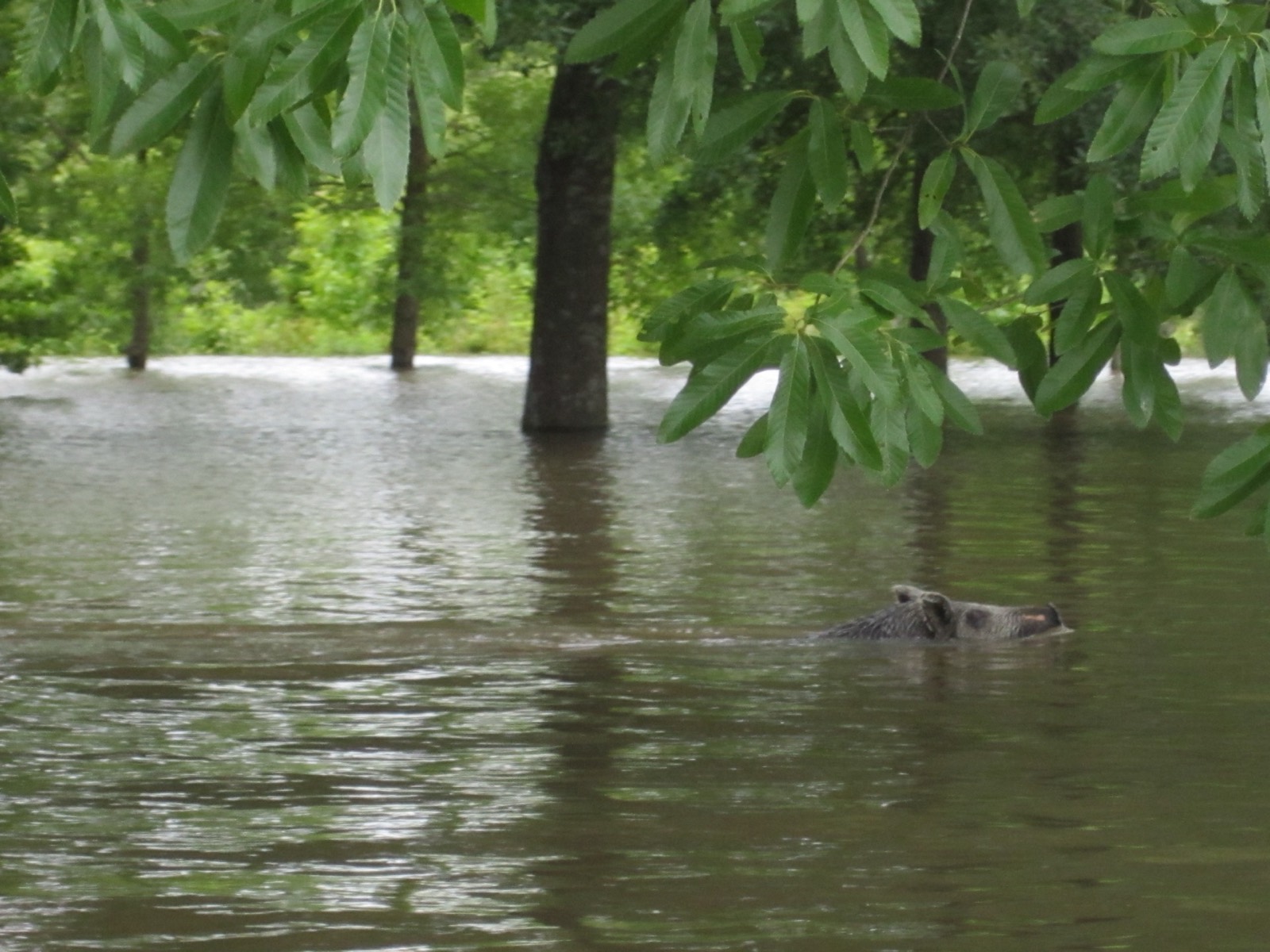
Wild Boar / Feral Hog
Feral swine are classified as non-game pests in North Carolina, with year-round open hunting on private lands. In western mountain counties, true Russian wild boar genetics persist from early 20th-century introductions in the Great Smoky Mountains.