Montana
Big Sky Country. World-record bighorn rams, vast public river breaks, and backcountry wilderness elk.
Big Game Hunting in Montana
Official Regulatory Body
Montana Fish, Wildlife & Parks (FWP)
Rocky Mountain Elk
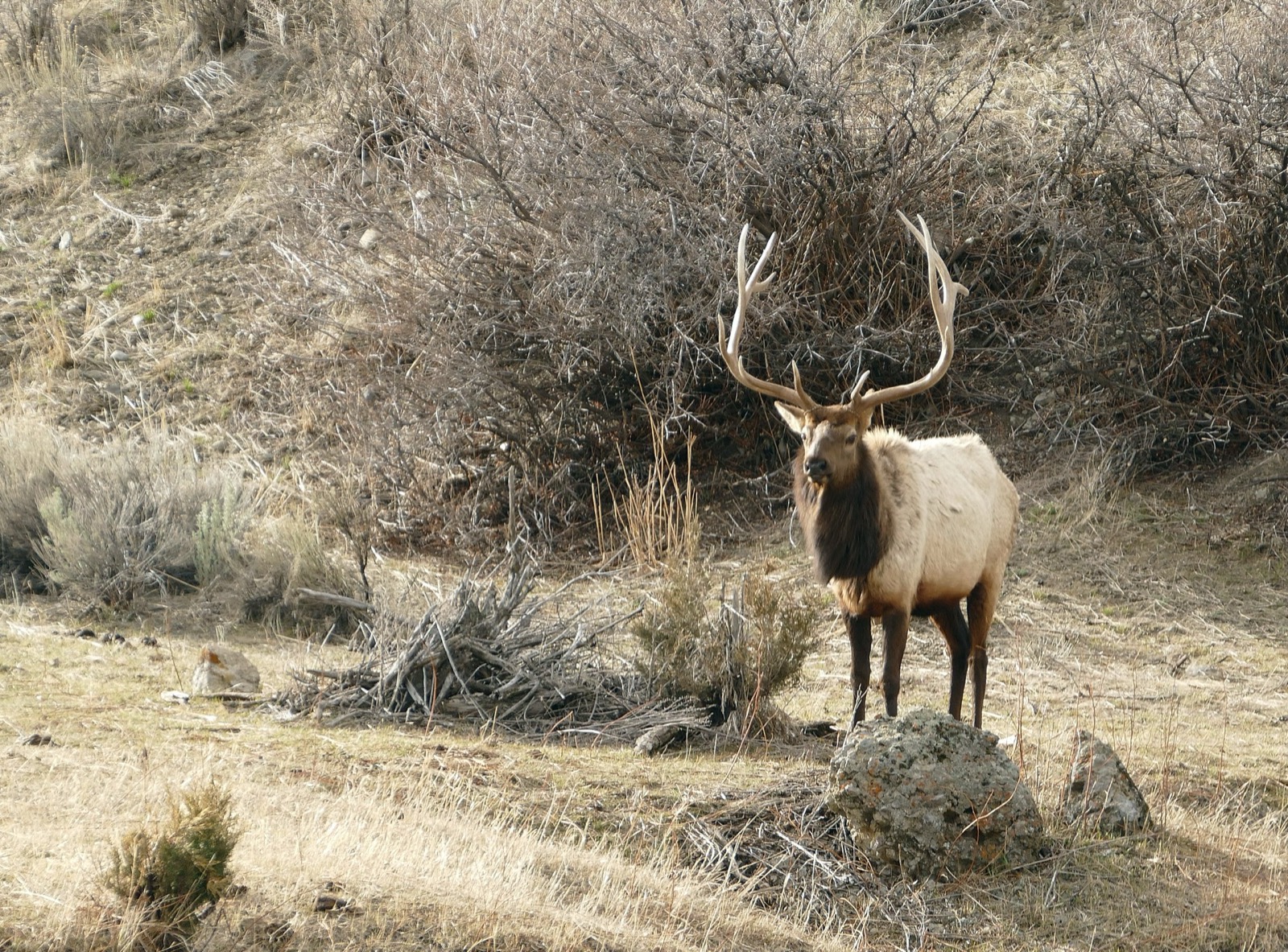
Montana delivers the quintessence of wild western elk hunting, encompassing over 140,000 wild elk across iconic wilderness complexes and rolling prairie breaks. Nonresident hunters apply for Montana Fish, Wildlife & Parks (FWP) general big game combination licenses, with special limited-entry permits for world-famous trophy districts.
Legendary regions include the Missouri River Breaks (Districts 680 and 622), the Bob Marshall Wilderness, Absaroka-Beartooth ranges, and the Sapphire Mountains. Archery season runs from early September through mid-October, featuring intense bugling encounters in dense lodgepole and alpine meadows. The general five-week rifle season extends from late October through Thanksgiving weekend, demanding rugged mountain endurance and snow tracking skills.
Mule Deer
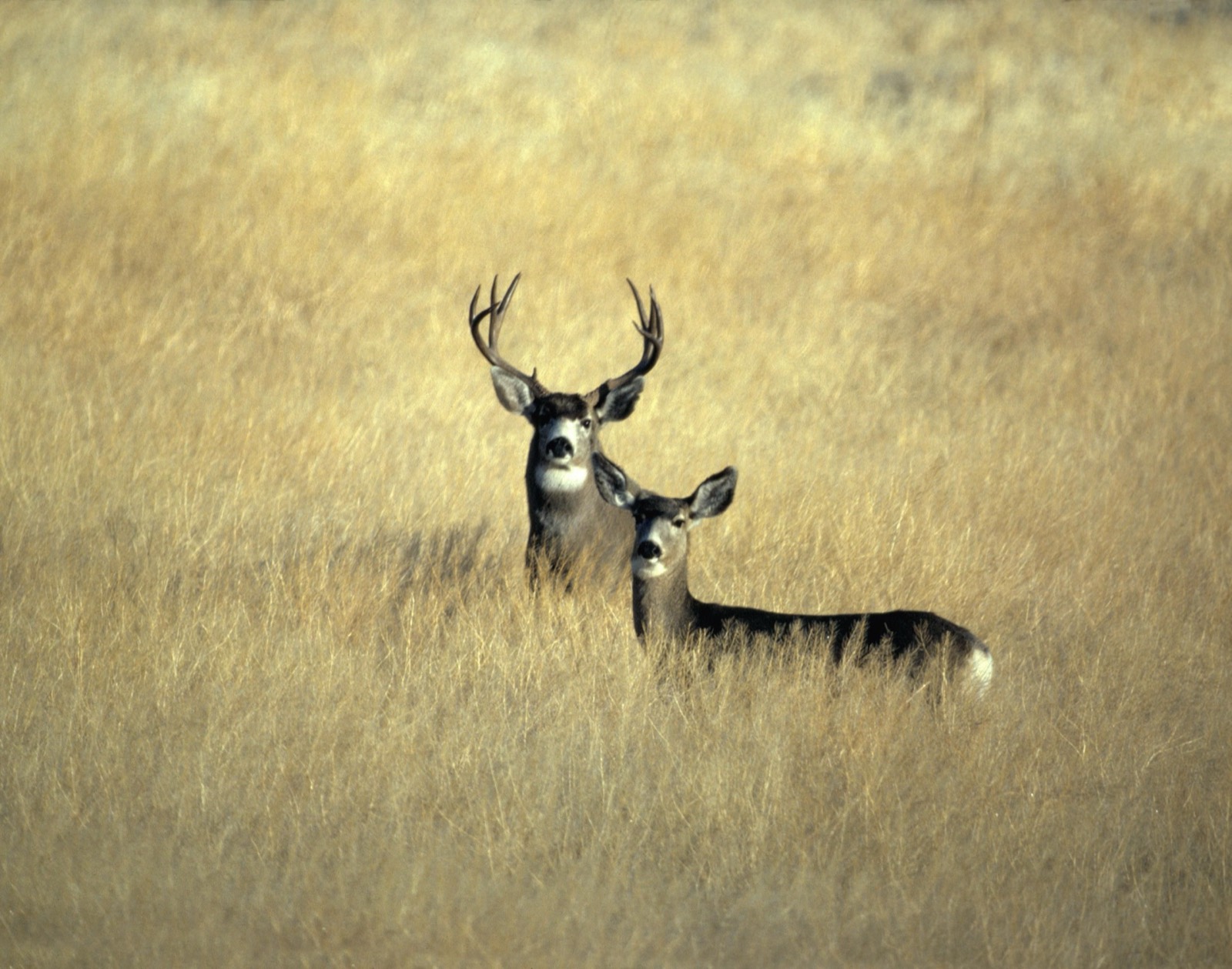
From high-alpine cirques in the western Rockies to the deeply eroded badlands and coulees of eastern Montana, the Treasure State provides premier public-land mule deer opportunities. Montana's muleys are famous for heavy antler mass, wide spreads, and hearty bodies built to survive harsh prairie winters.
Top trophy zones include the eastern river breaks, the Custer National Forest, and southwest mountain ranges surrounding Bozeman and Dillon. Early season archery focuses on bachelor herds feeding on high ridges, while the November general rifle season coincides with the heart of the mule deer rut. Hunters utilize high-vantage glassing over vast sage coulees and badland rims to locate solitary trophy bucks tending does.
White-tailed Deer
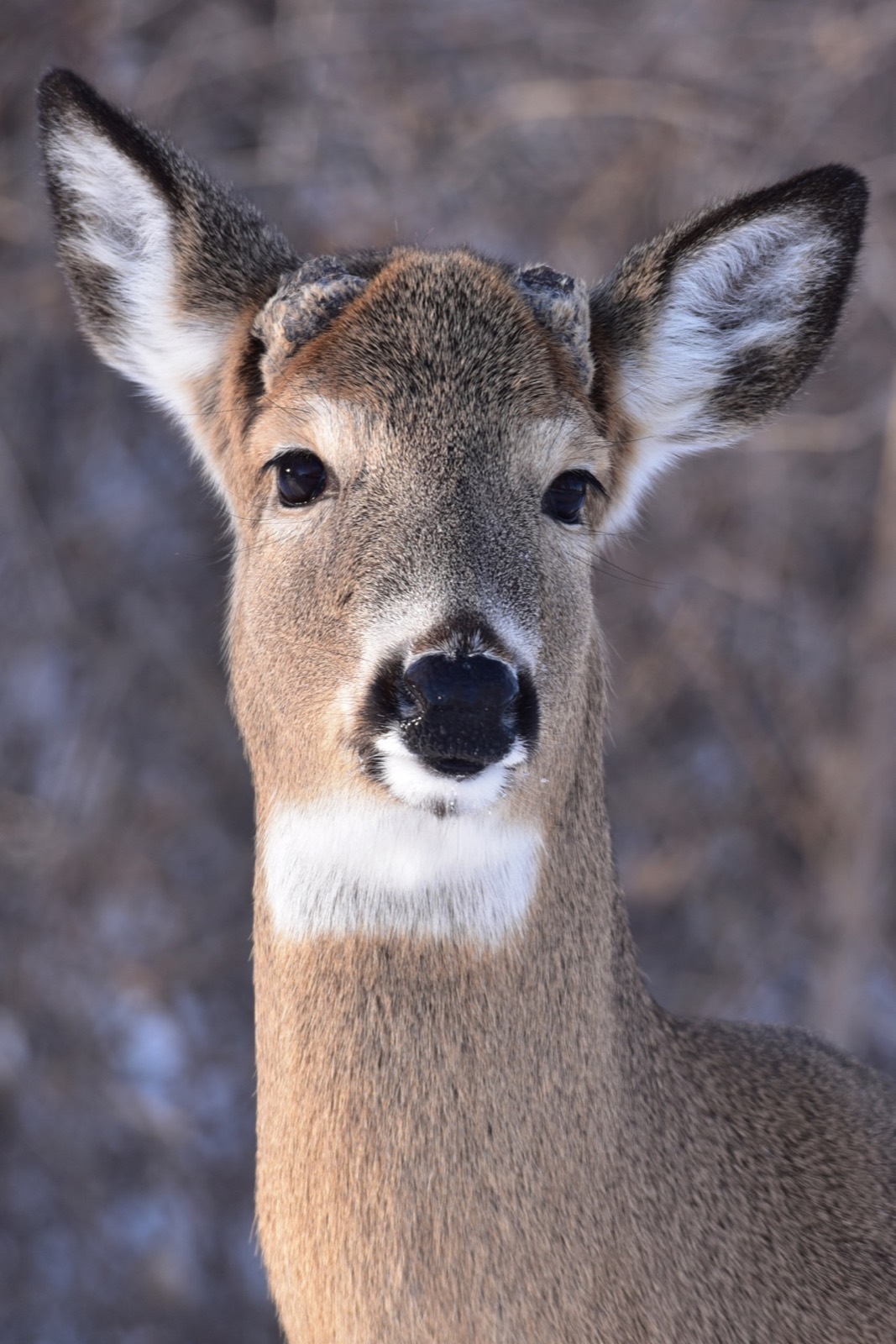
Montana's river drainages and agricultural lowlands support abundant whitetail populations, offering both high-harvest general hunting and bona fide Boone & Crockett record-class bucks. Whitetails flourish in thick cottonwood river bottoms and adjacent alfalfa pivots.
Premier whitetail corridors include the Milk River, Yellowstone River valley, Clark Fork drainage, and Flathead Valley. The late-season November rut is particularly deadly for rifle hunters, as mature bucks step out of dense riparian cover in broad daylight to scent-check doe groups. Public access is available through FWP's extensive Block Management Program (BMA), opening millions of acres of private agricultural lands to courteous sportsmen.
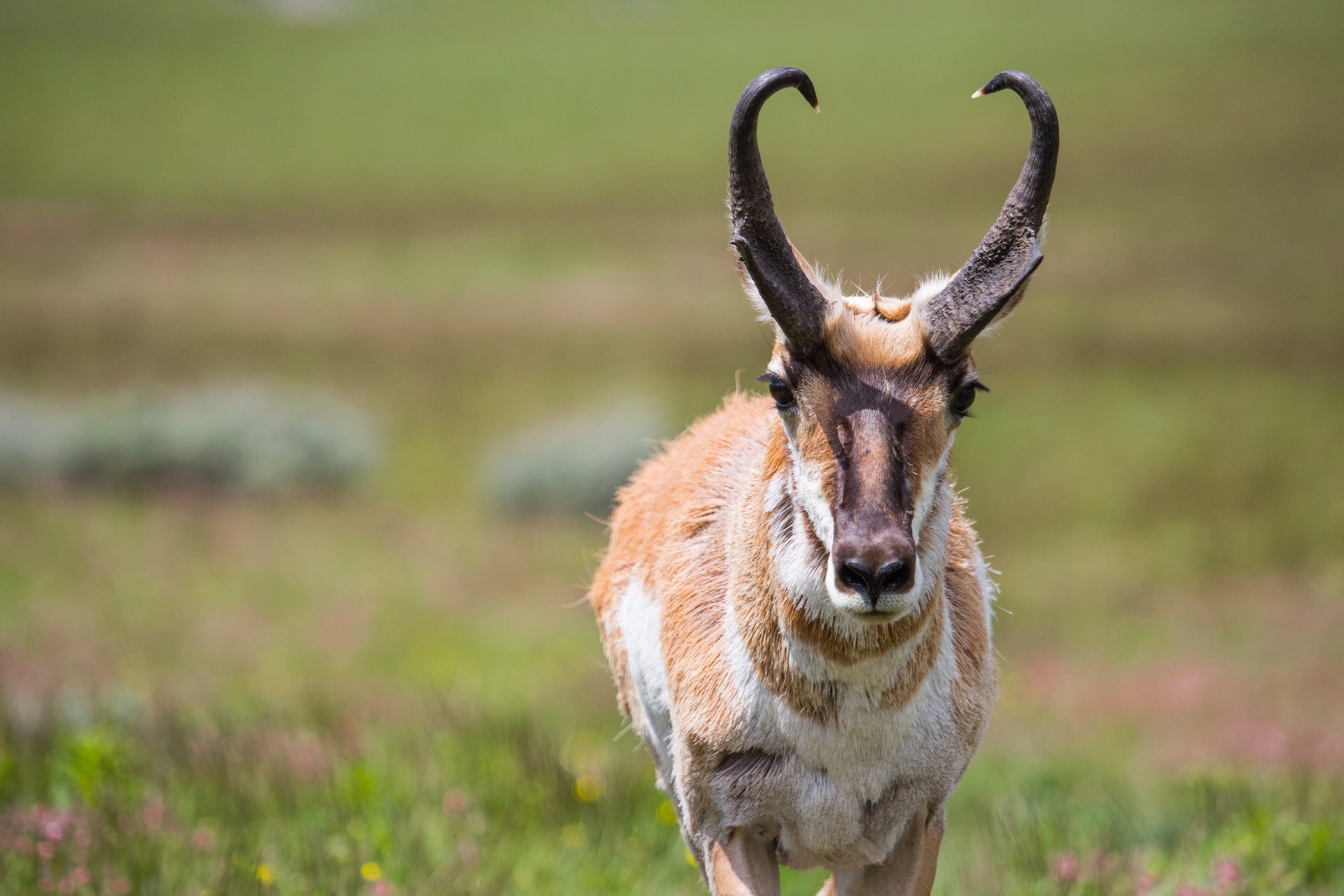
Pronghorn Antelope
The shortgrass prairies, rolling sage flats, and gumbo coulees of central and eastern Montana are home to thriving herds of pronghorn. With unmatched eyesight and sustained speeds exceeding 55 mph, Montana antelope provide an exhilarating test of marksmanship and stalking prowess.
Top districts span Region 7 (Miles City) and Region 6 (Glasgow/Malta). Archery hunters take advantage of the statewide 900-series archery permit starting in mid-August, utilizing ground blinds on stock dams or aggressive decoy stalks during the September rut. The October rifle season provides fast-action prairie spot-and-stalk hunting across Bureau of Land Management (BLM) and state trust lands.
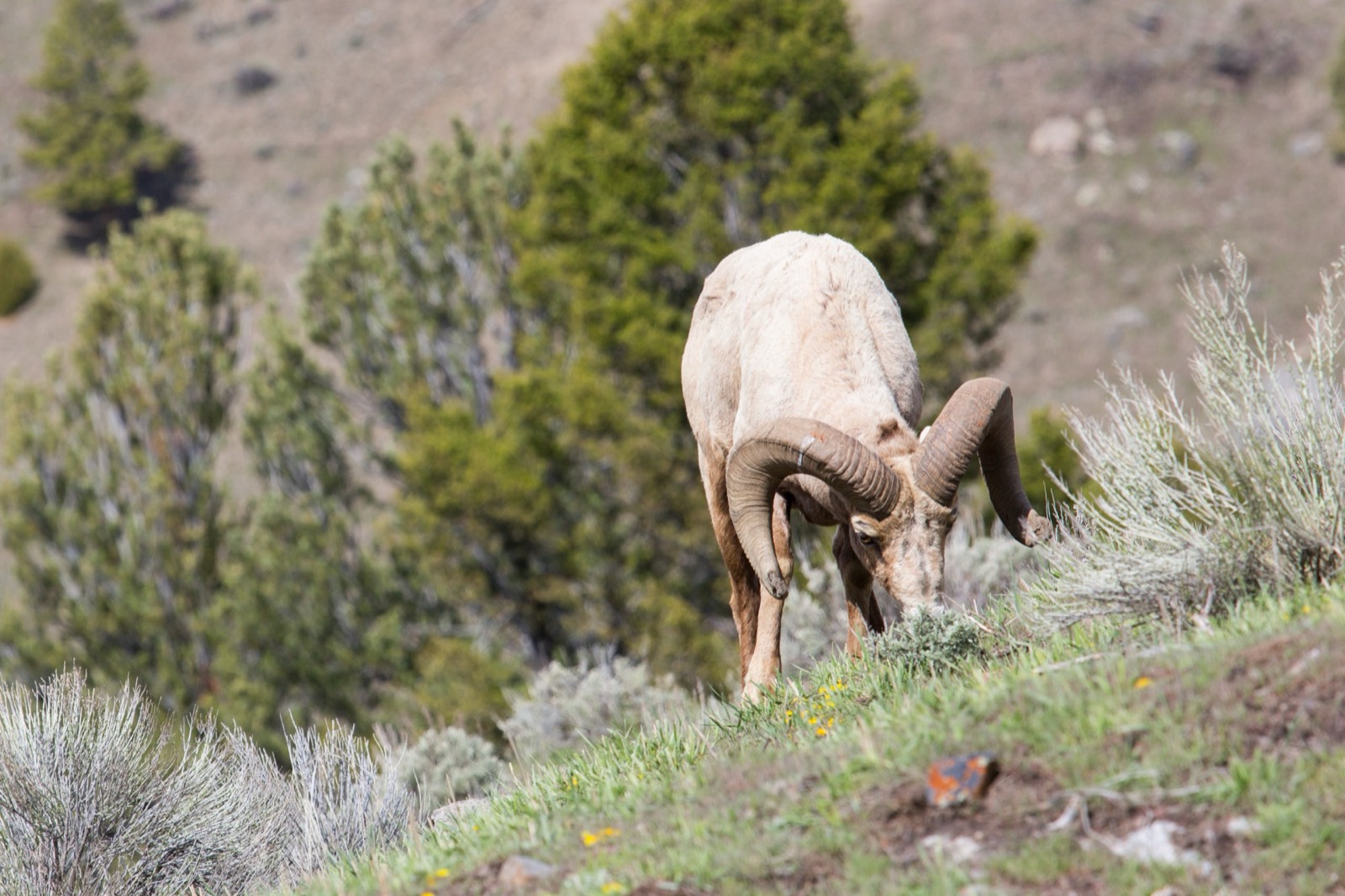
Rocky Mountain Bighorn Sheep
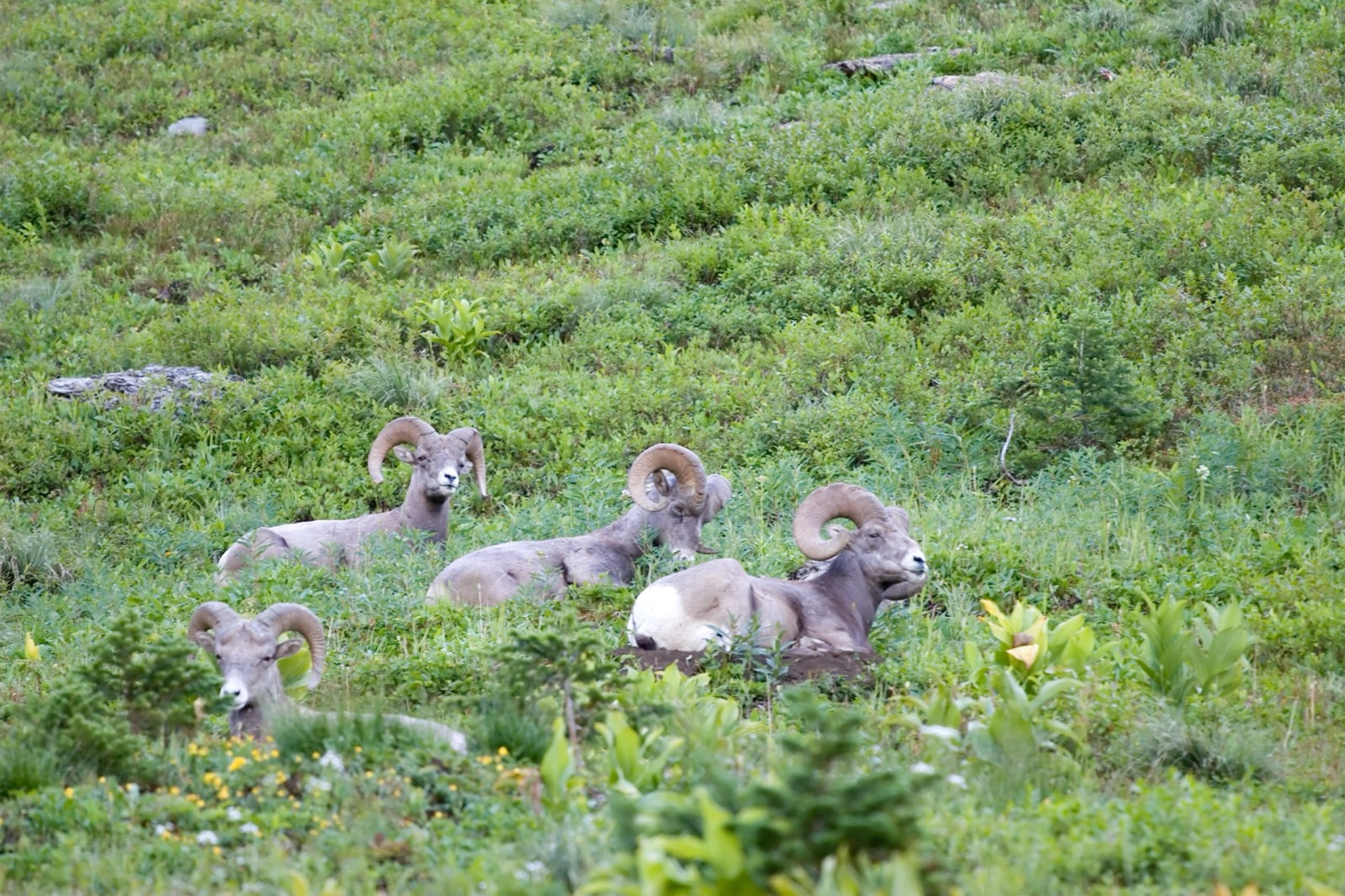
Montana holds some of the heaviest-horned bighorn rams on earth, including multiple world-record rams taken from the Missouri River Breaks. Montana offers both ultra-competitive limited-quota permits and historic "unlimited" sheep districts in rugged backcountry wilderness.
The premier limited districts (680, 482) require maximum bonus points and immense luck in the FWP draw. In contrast, the unlimited units (such as Districts 300, 500 in the Beartooth and Absaroka ranges) allow over-the-counter license purchases but enforce strict harvest quotas—closing within 48 hours of quota fulfillment. These hunts demand mountaineering fitness, pack stock, and resilience in sub-zero alpine conditions.
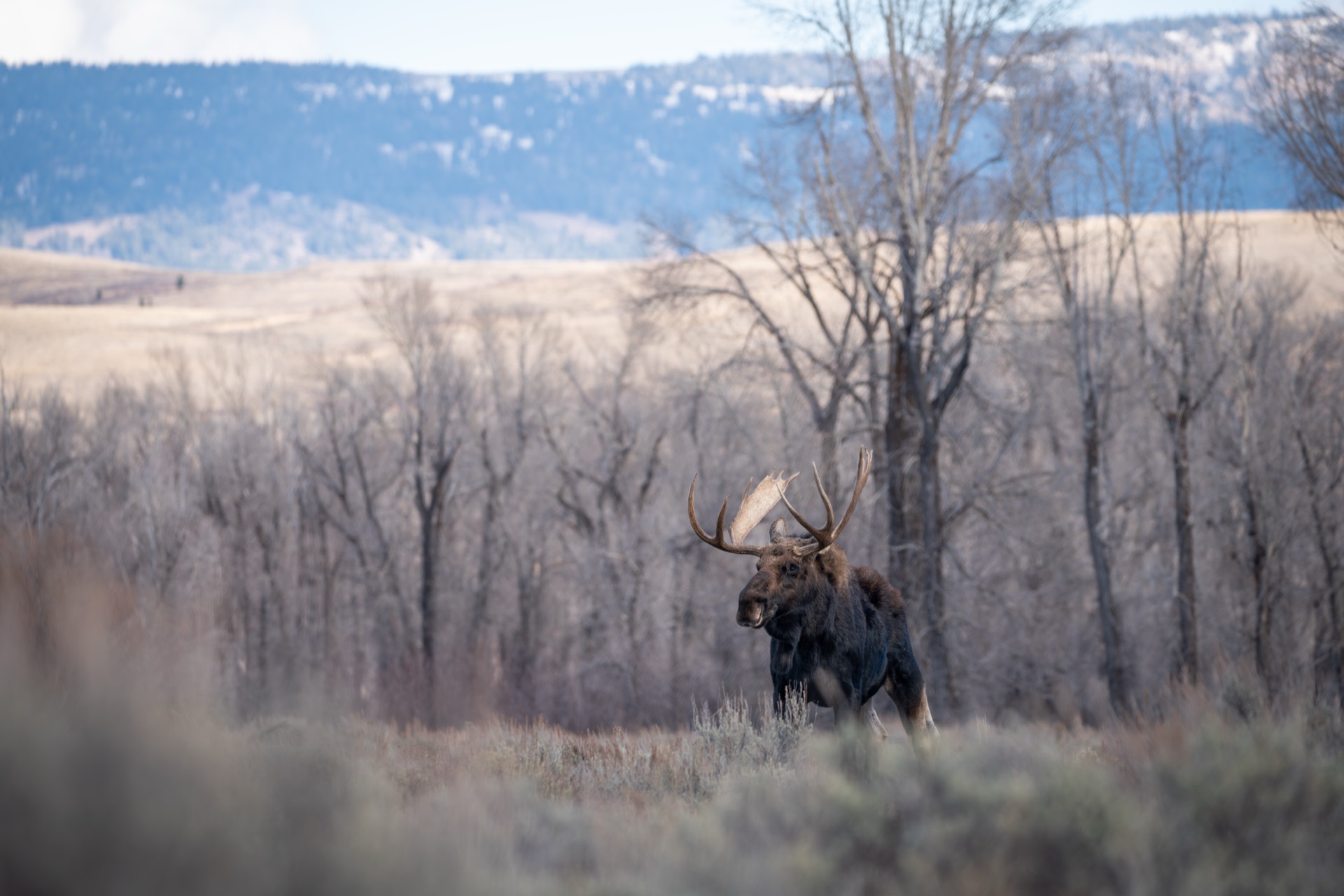
Shiras Moose
Inhabiting the heavily timbered drainages, willow bottoms, and subalpine lakes of western Montana, Shiras moose represent the largest antlered big game species in the state. Bull moose tags are strictly limited-entry draw licenses with zero point burn forgiveness.
Top moose populations reside in the Cabinet Mountains, Bitterroot National Forest, Pioneer Mountains, and Beaverhead-Deerlodge National Forest. The September and October rut offers heart-pounding close encounters as vocal bulls respond to authentic birchbark cow calls and antler scrapes. Packing out an animal that can weigh over 1,000 pounds requires substantial backcountry logistical preparation.
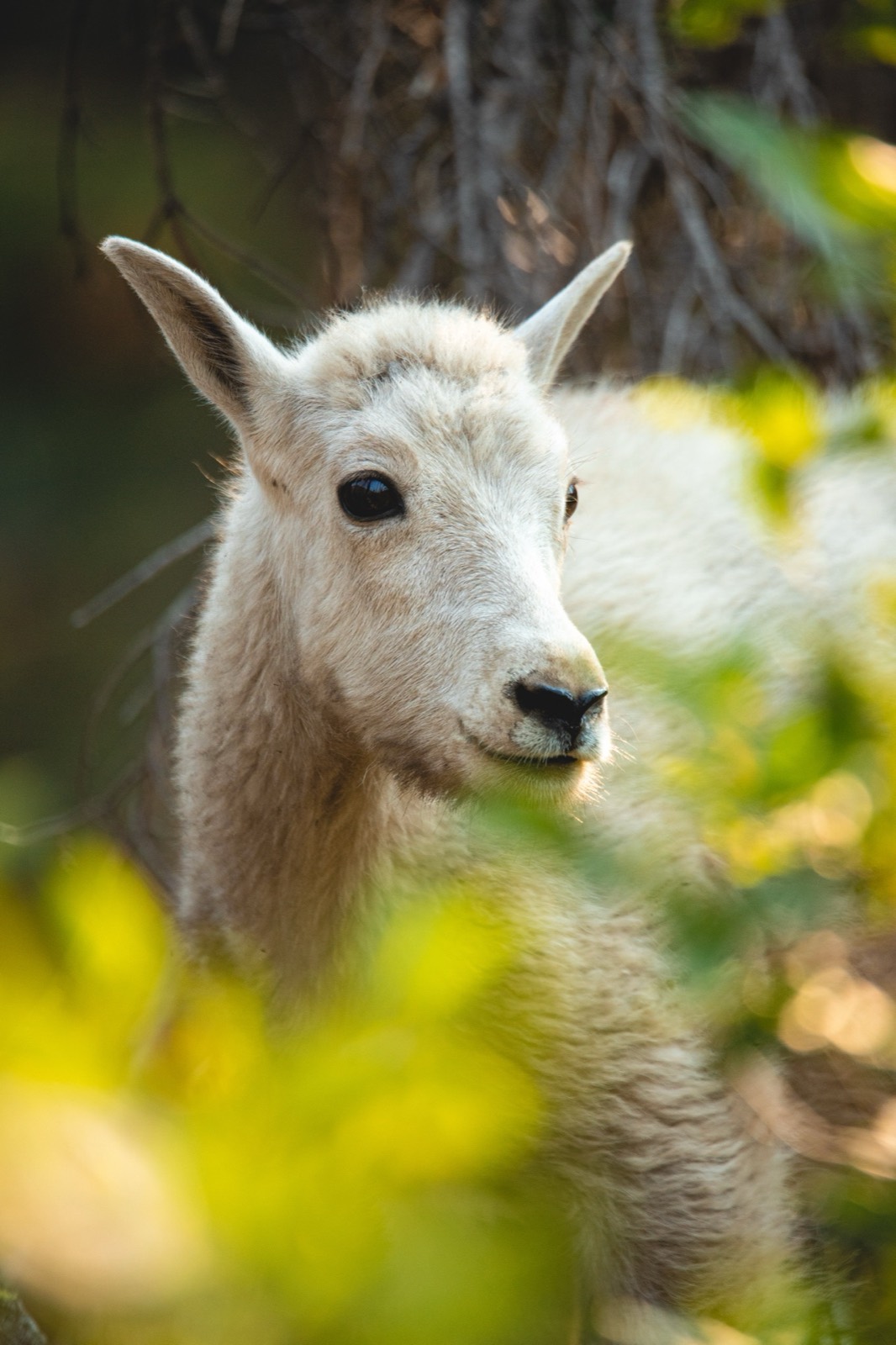
Rocky Mountain Goat
Perched along sheer granite cliffs, cirque headwalls, and glaciated ridges, Montana's mountain goats offer the ultimate high-altitude wilderness adventure. Goats wear dense, snow-white coats and razor-sharp black horns, living where few predators dare tread.
Key districts span the Pintler Wilderness, Crazy Mountains, Swan Range, and Bitterroots. Tags are awarded via FWP's annual drawing. Successful hunters must master route-finding across exposed class-3 and class-4 mountain terrain, carrying crampons, technical mountaineering ropes, and bivouac shelters to pursue billies during the late-season October and November hair prime.
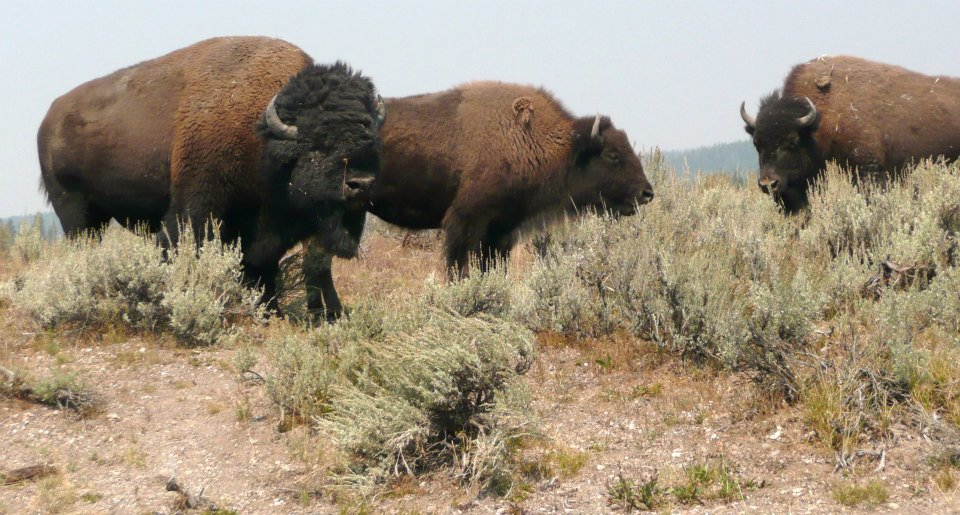
American Bison
Montana offers one of the rarest, truly wild fair-chase bison hunts in North America, centered on wild herds that migrate out of Yellowstone National Park into adjacent national forest lands during harsh winter storms.
Regulated cooperatively by FWP and Native American tribal entities, hunting takes place primarily in the Gardiner basin (Beattie Gulch) and West Yellowstone (Hebgen Lake basin). Licenses are issued via a strict state lottery draw. Hunters must brave deep snow, sub-zero wind chills, and manage immense meat salvage logistics for animals weighing up to 2,000 pounds.