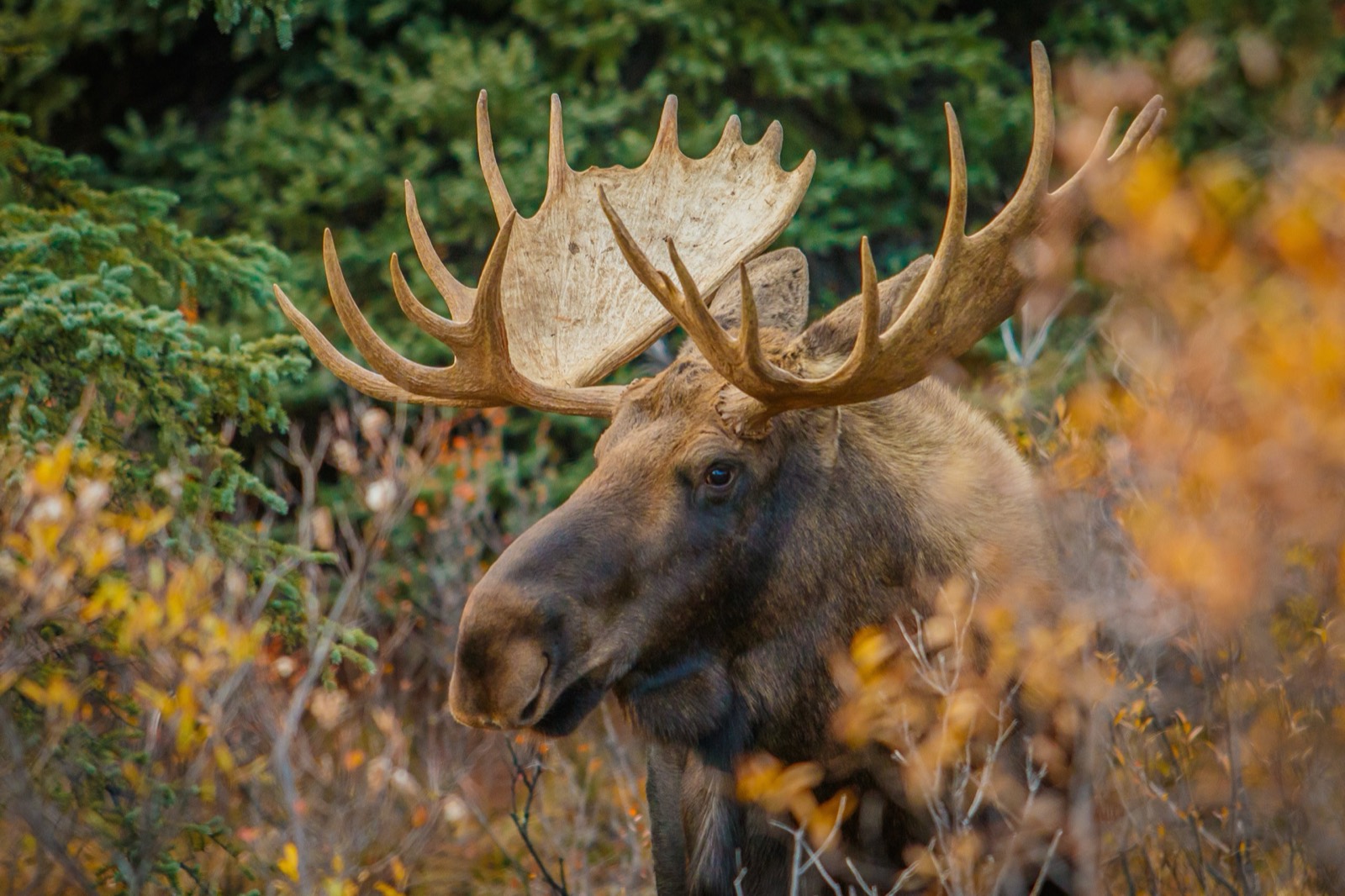
Minnesota
Boundary Waters wilderness, deep Northwoods whitetail tracking, and premier prairie ruffed grouse covers.
Native Species in Minnesota
Official Regulatory Authority
Minnesota Department of Natural Resources (MNDNR)
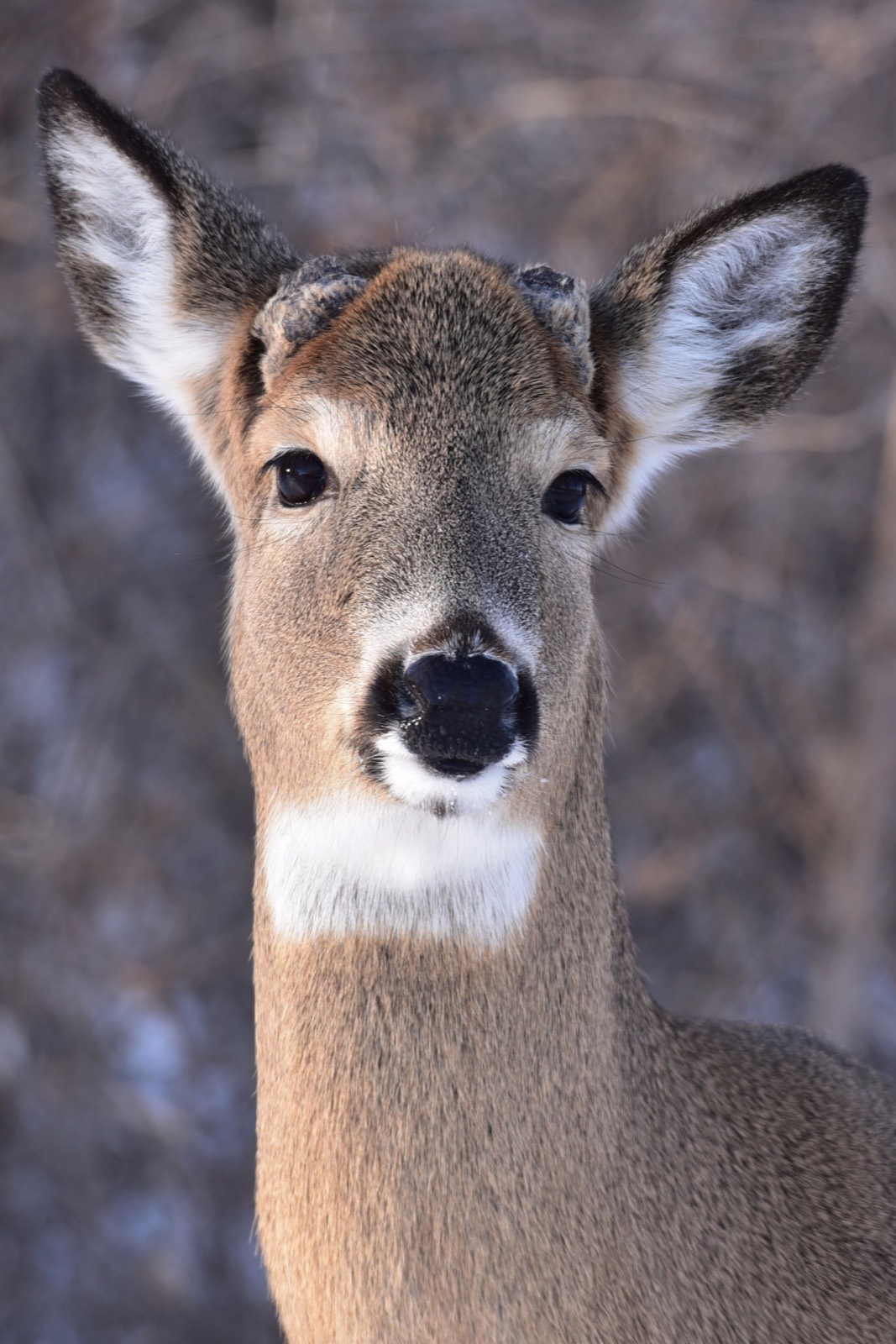
White-Tailed Deer
The premier big game animal of Minnesota. Thriving across both the dense northern boreal forests and the agricultural farmlands of the south, mature bucks develop heavy winter coats and thick antler frames feeding on acorns, agricultural grain, and woody browse.
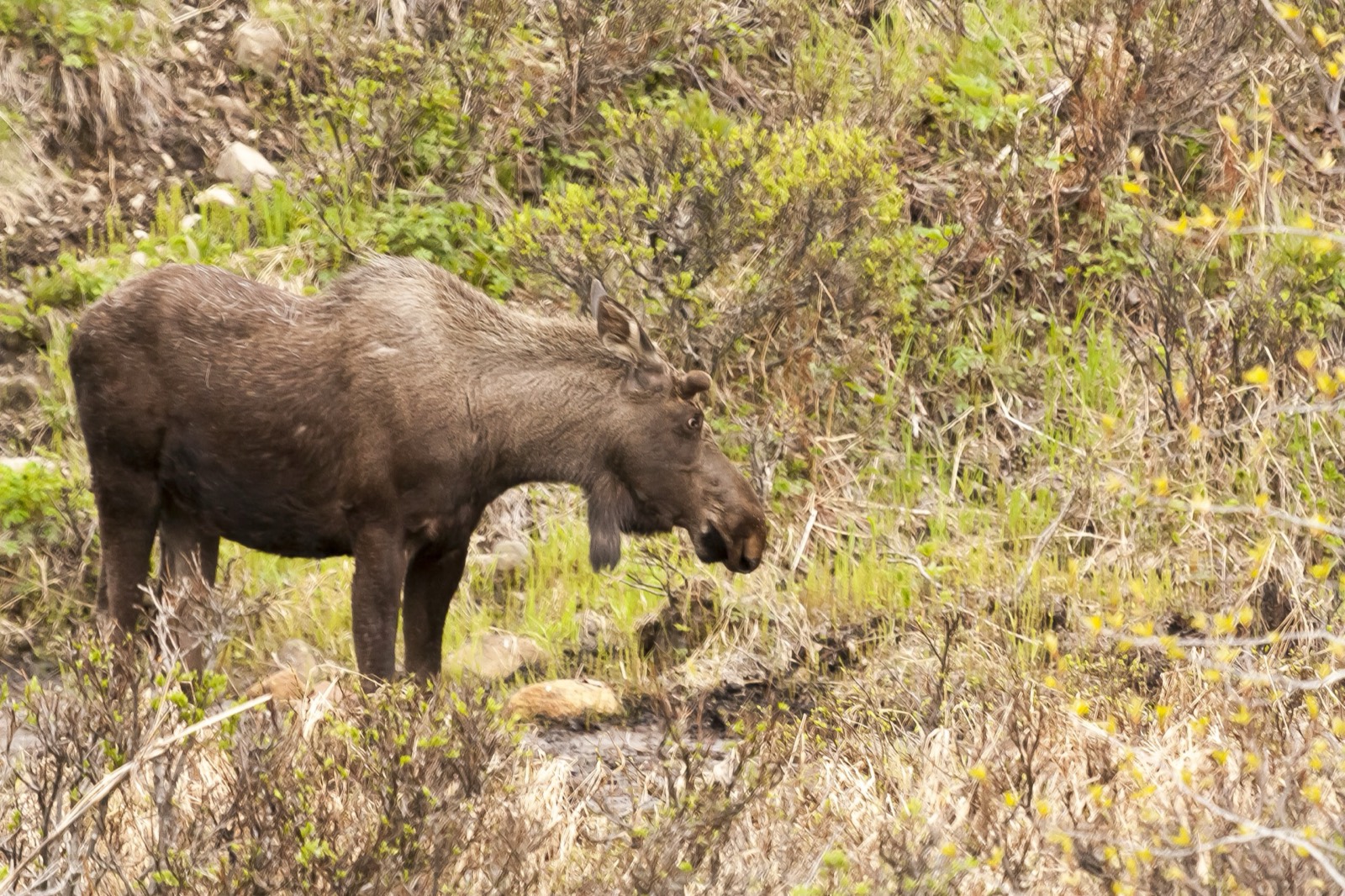
Eastern Moose
Inhabits the boreal spruce-fir forests, cedar bogs, and aquatic lake basins of northeastern Minnesota, particularly in the Superior National Forest and Boundary Waters Canoe Area Wilderness. Bulls weigh up to 1,200 lbs, browsing on aquatic plants and willow.
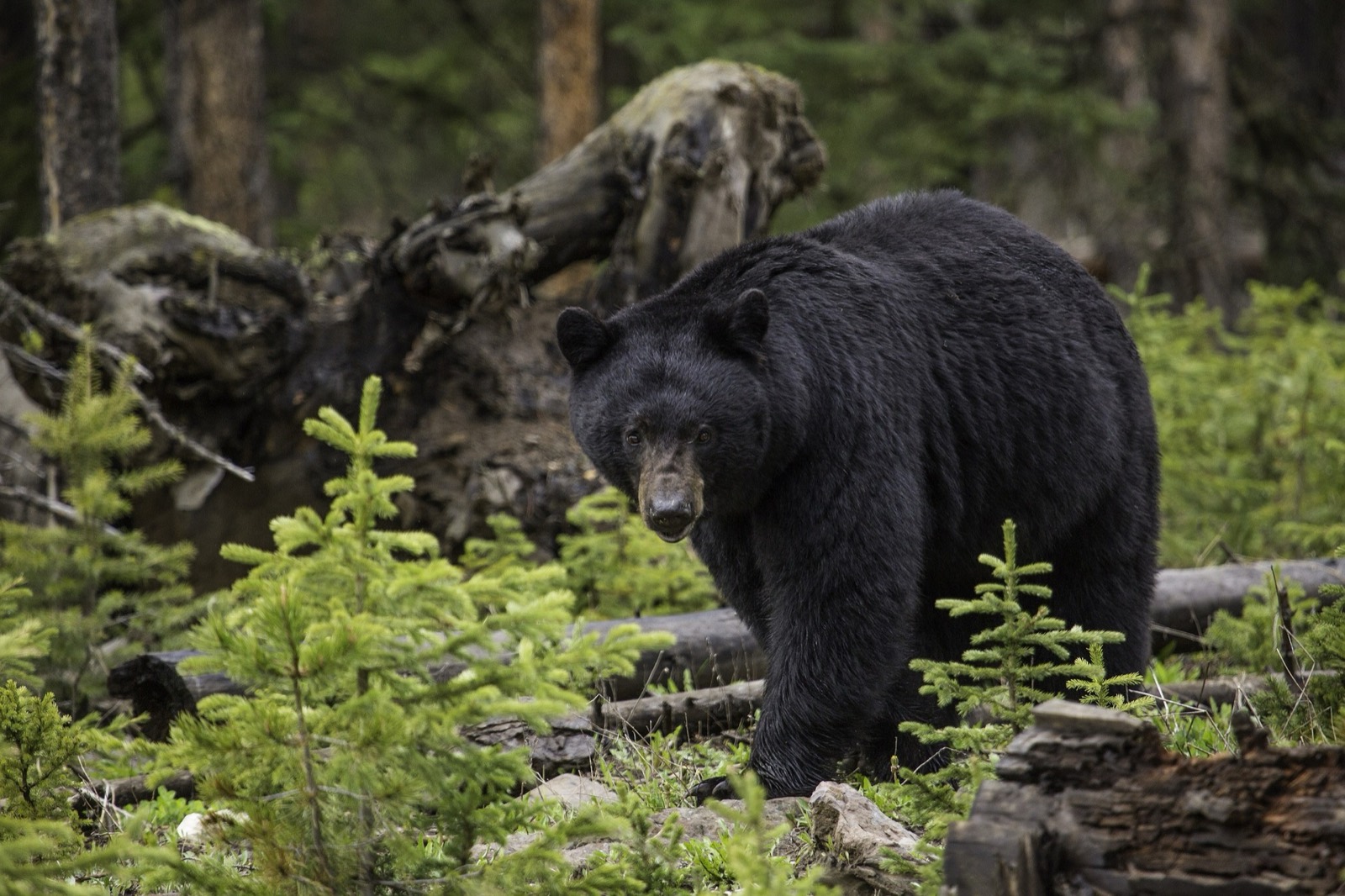
American Black Bear
Heavily concentrated in the northern two-thirds of the state. Adult boars weigh 250 to 500+ lbs, foraging on wild blueberries, chokecherries, acorns, and hazelnuts before entering winter dens in late autumn.
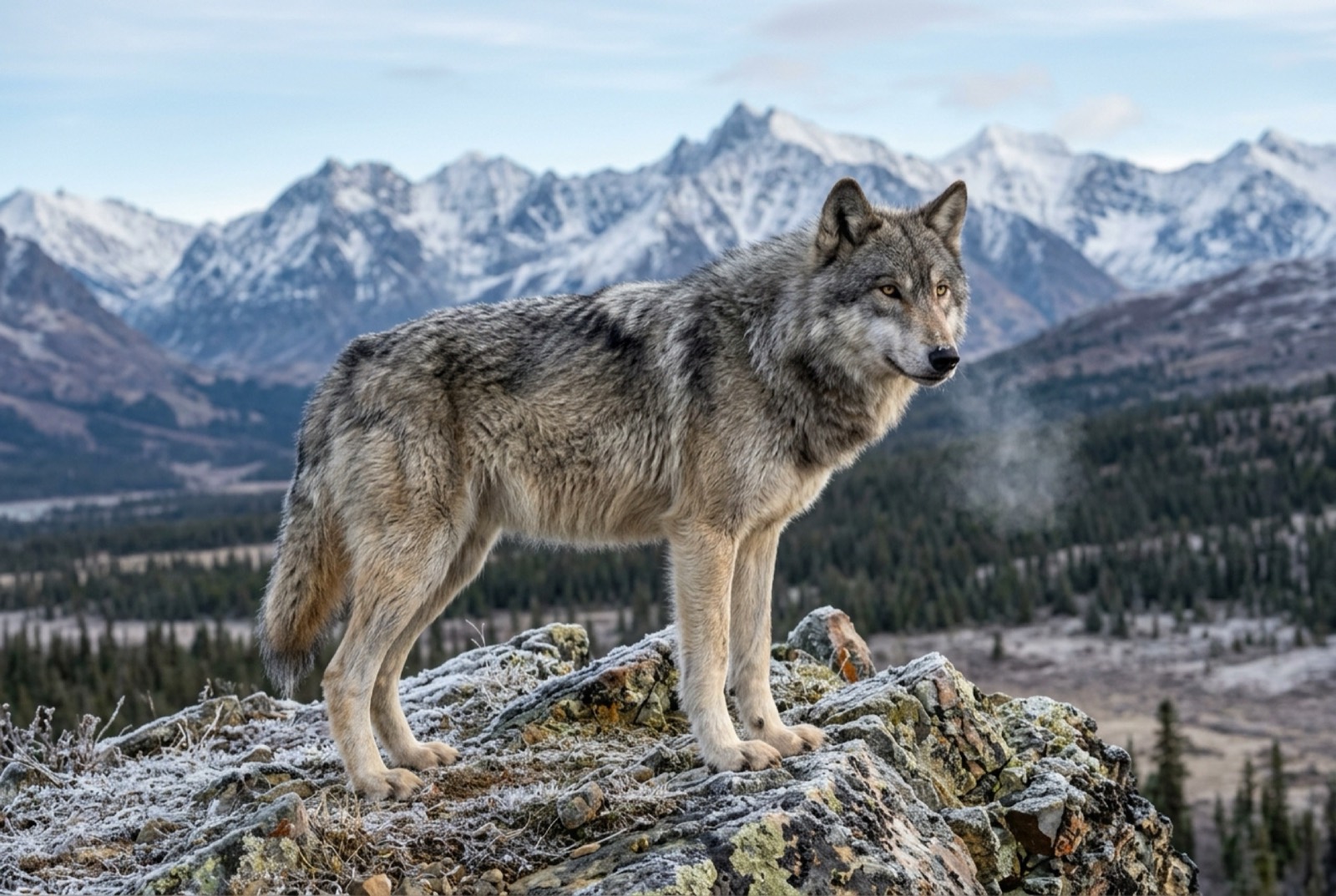
Gray (Timber) Wolf
Minnesota holds the largest and oldest continuous gray wolf population in the lower 48, with an estimated 2,700 wolves roaming the northern forested counties in established packs that prey on deer and beaver.
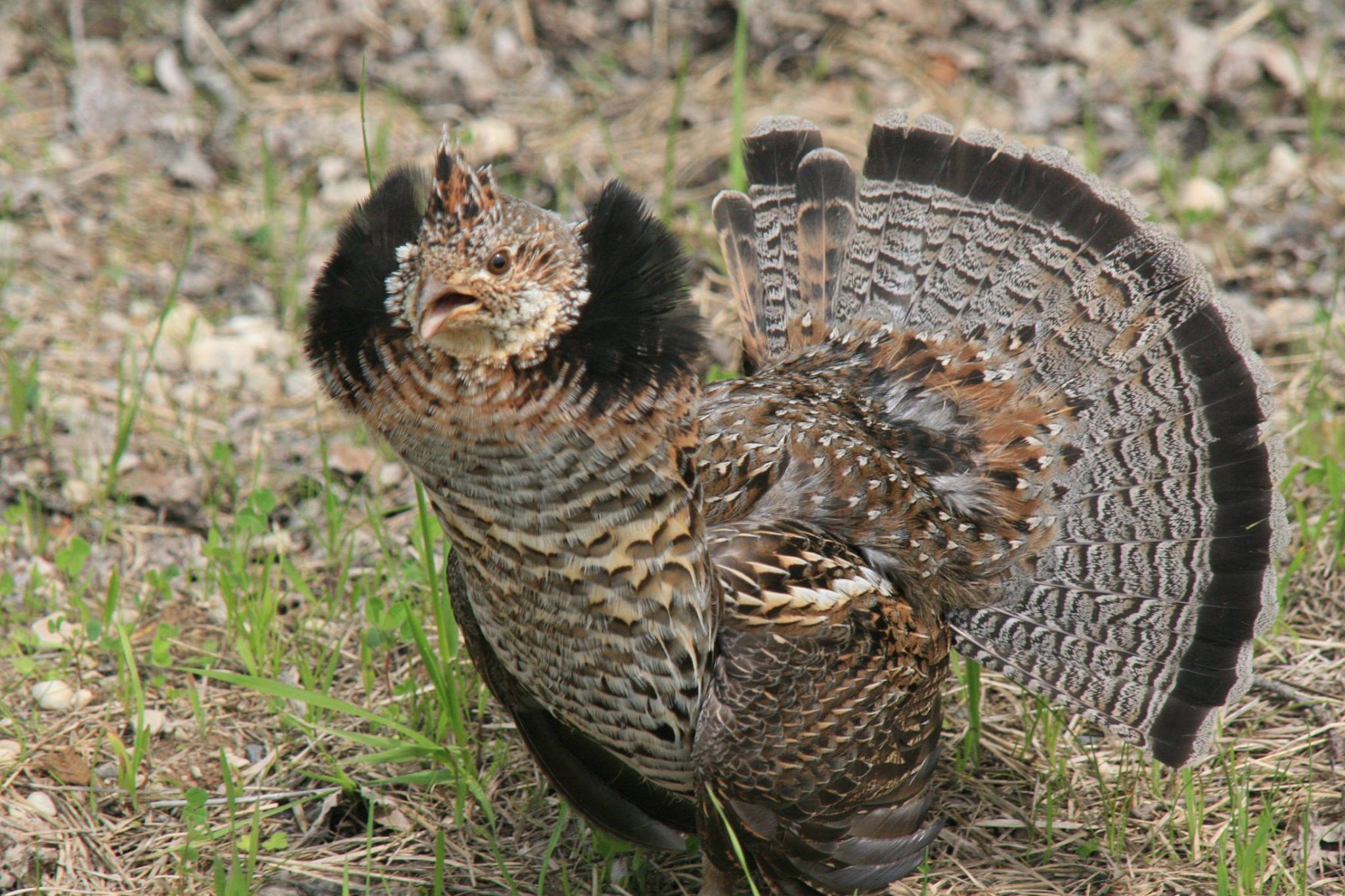
Ruffed Grouse
Minnesota consistently leads the nation in ruffed grouse harvest. Young aspen stands, alder thickets, and mixed hardwood timber in the central and northern counties provide ideal habitat and winter drumming logs.
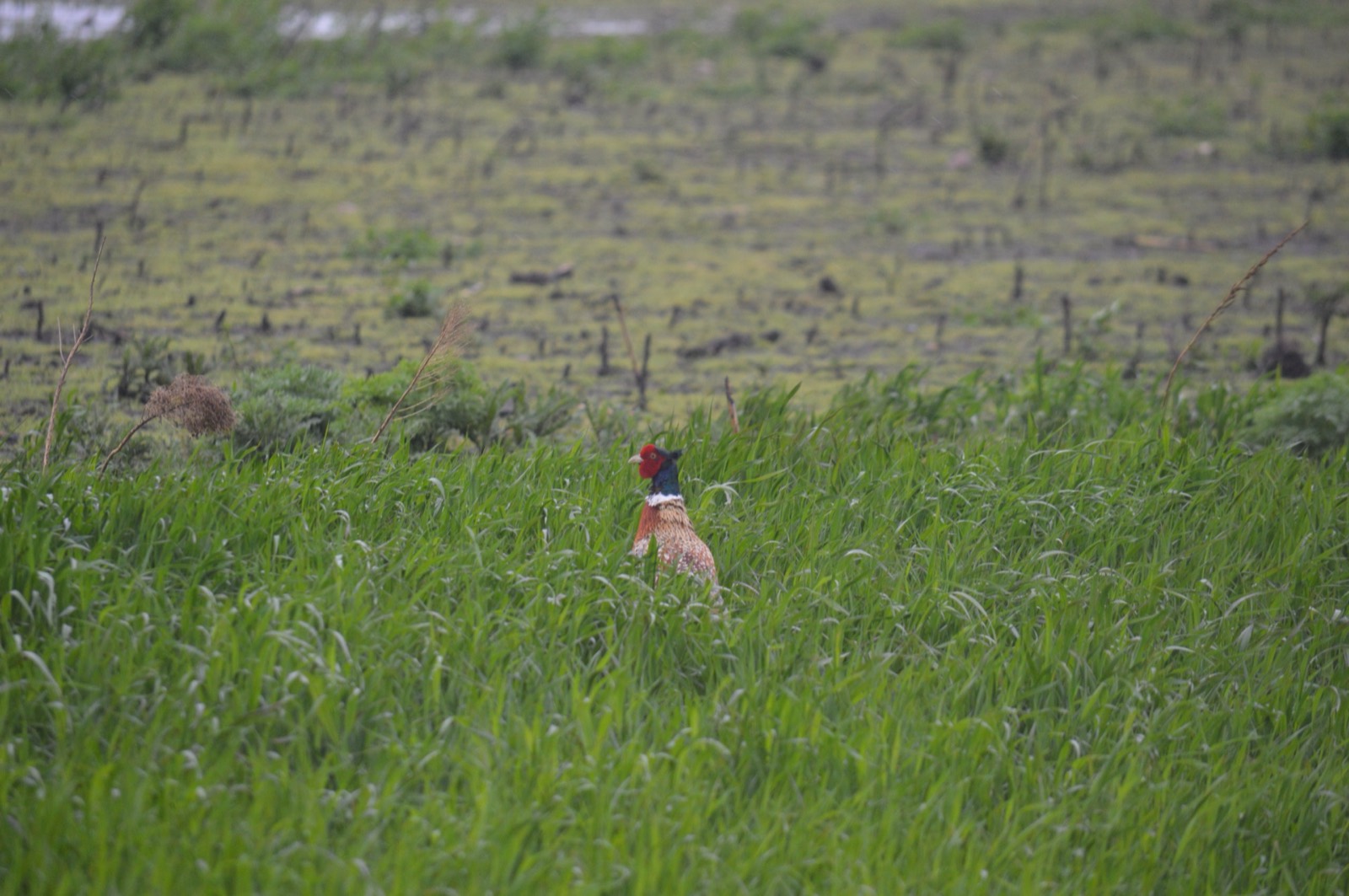
Ring-Necked Pheasant
Popular upland game bird abundant across the agricultural prairies and wetland cattail sloughs of southern and western Minnesota, feeding on waste corn and native weed seeds.
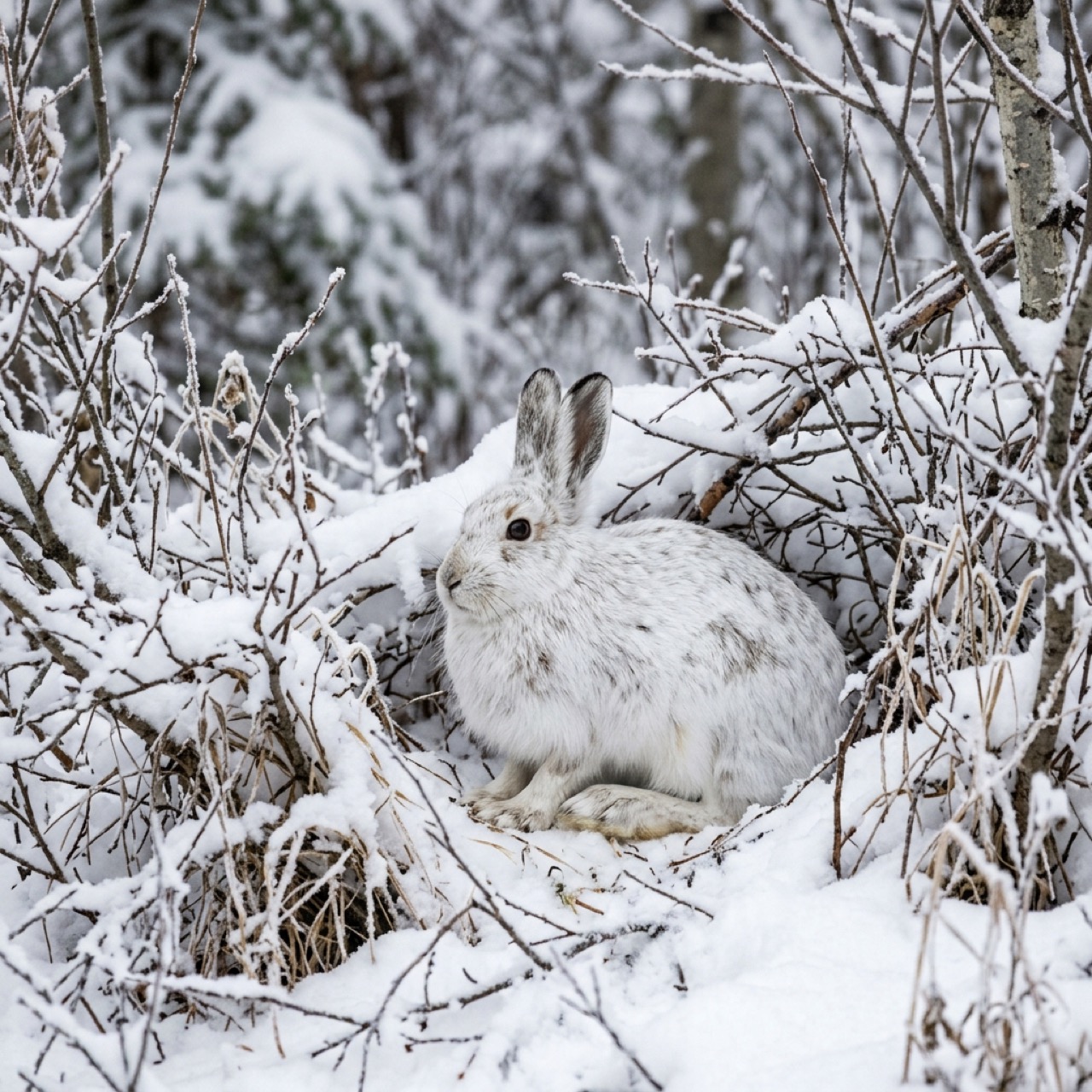
Snowshoe Hare
Native to northern coniferous forests, tamarack swamps, and alder thickets. Molts from grayish-brown in summer to pure white in winter, acting as a crucial winter prey species for bobcats and wolves.
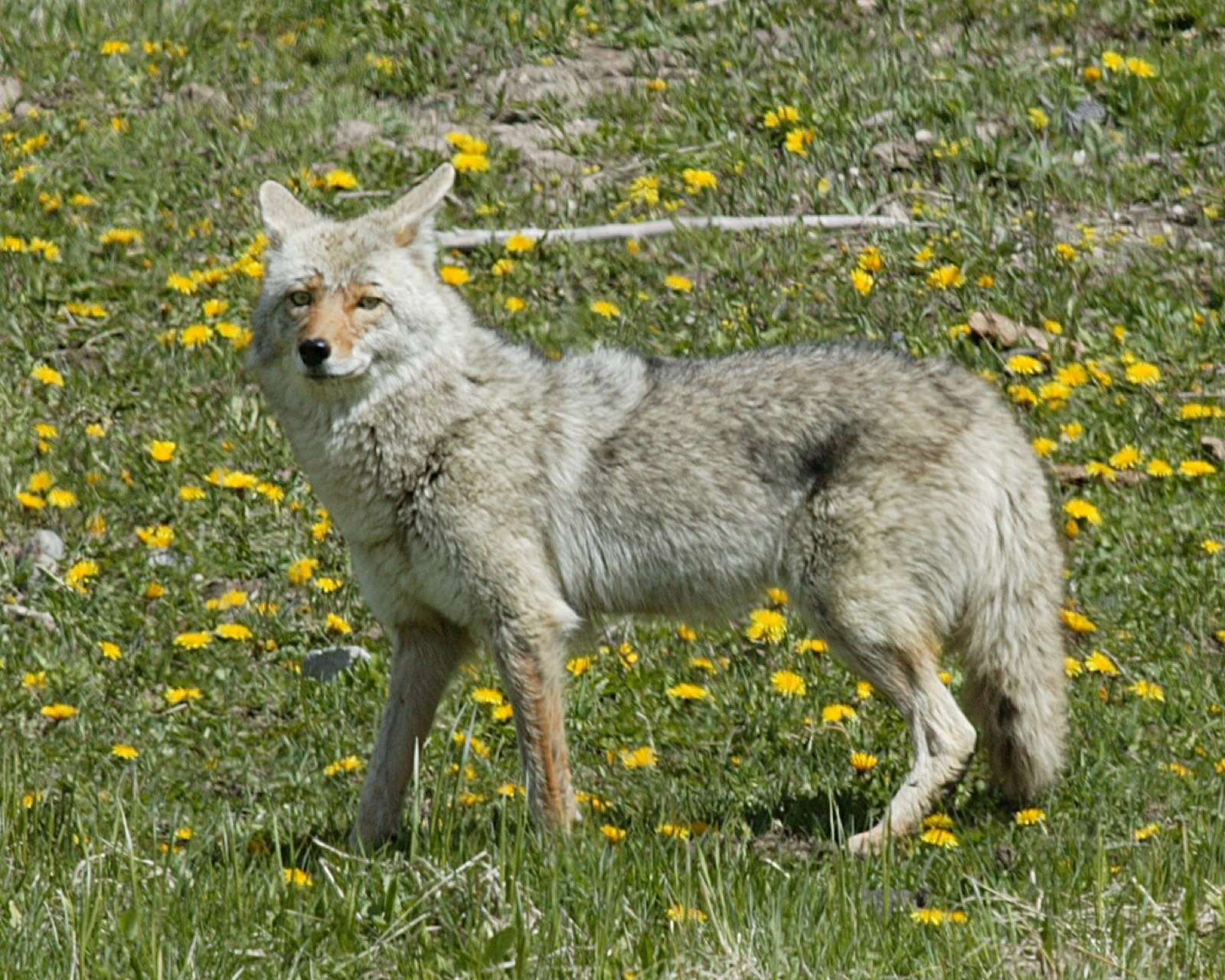
Coyote
Widespread throughout Minnesota, inhabiting farm field edges, brushy pastures, and northern forest clearcuts as an adaptable mesopredator.