Michigan
Extensive public state and national forest lands, traditional deer camps, UP black bear, and ruffed grouse.
Native Species in Michigan
Official Regulatory Authority
Michigan Department of Natural Resources (MIDNR)
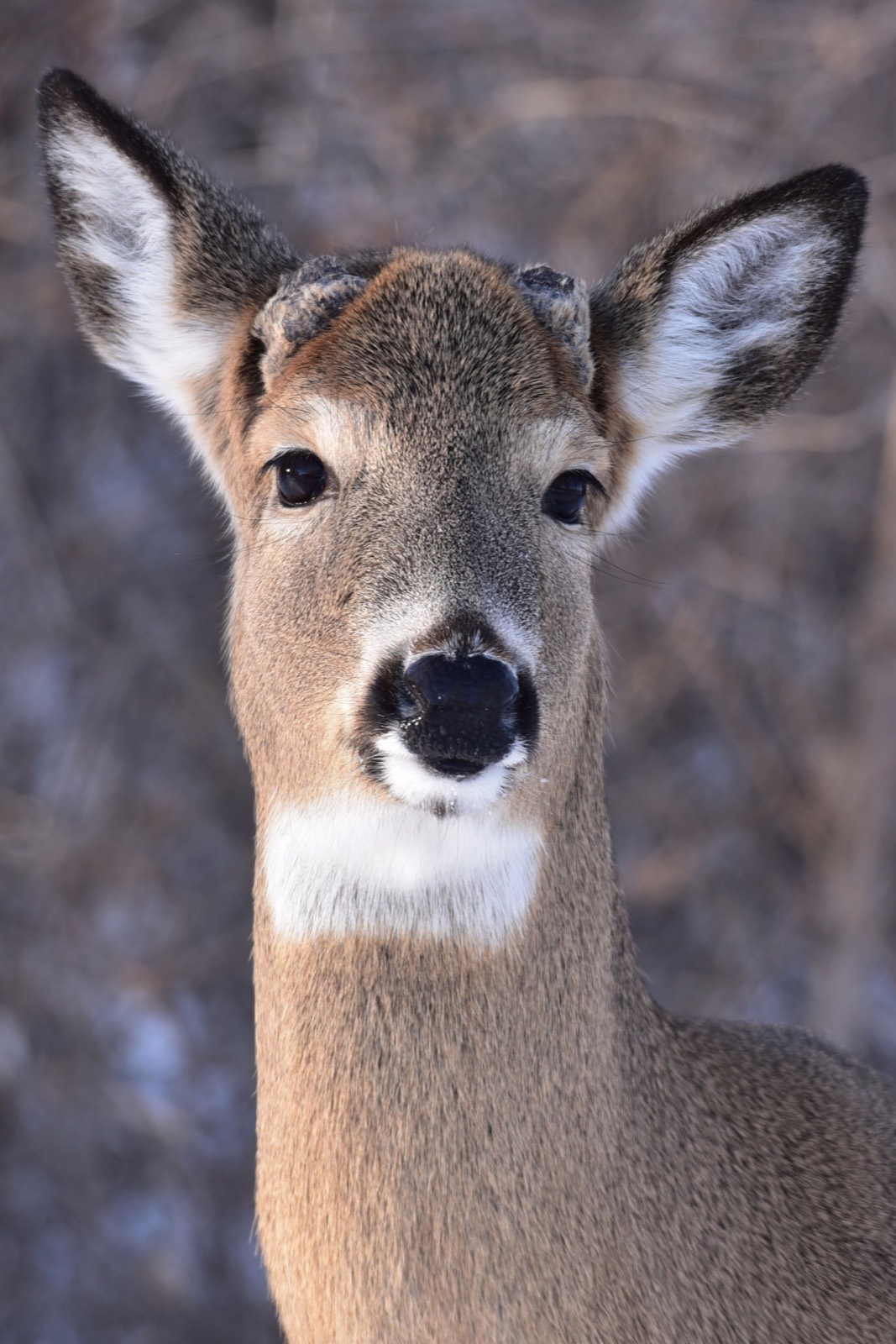
White-Tailed Deer
Hunting whitetails is a sacred cultural heritage in Michigan. Abundant statewide, from southern agricultural farm belts producing trophy bucks to the vast big-woods wilderness of the Upper Peninsula.
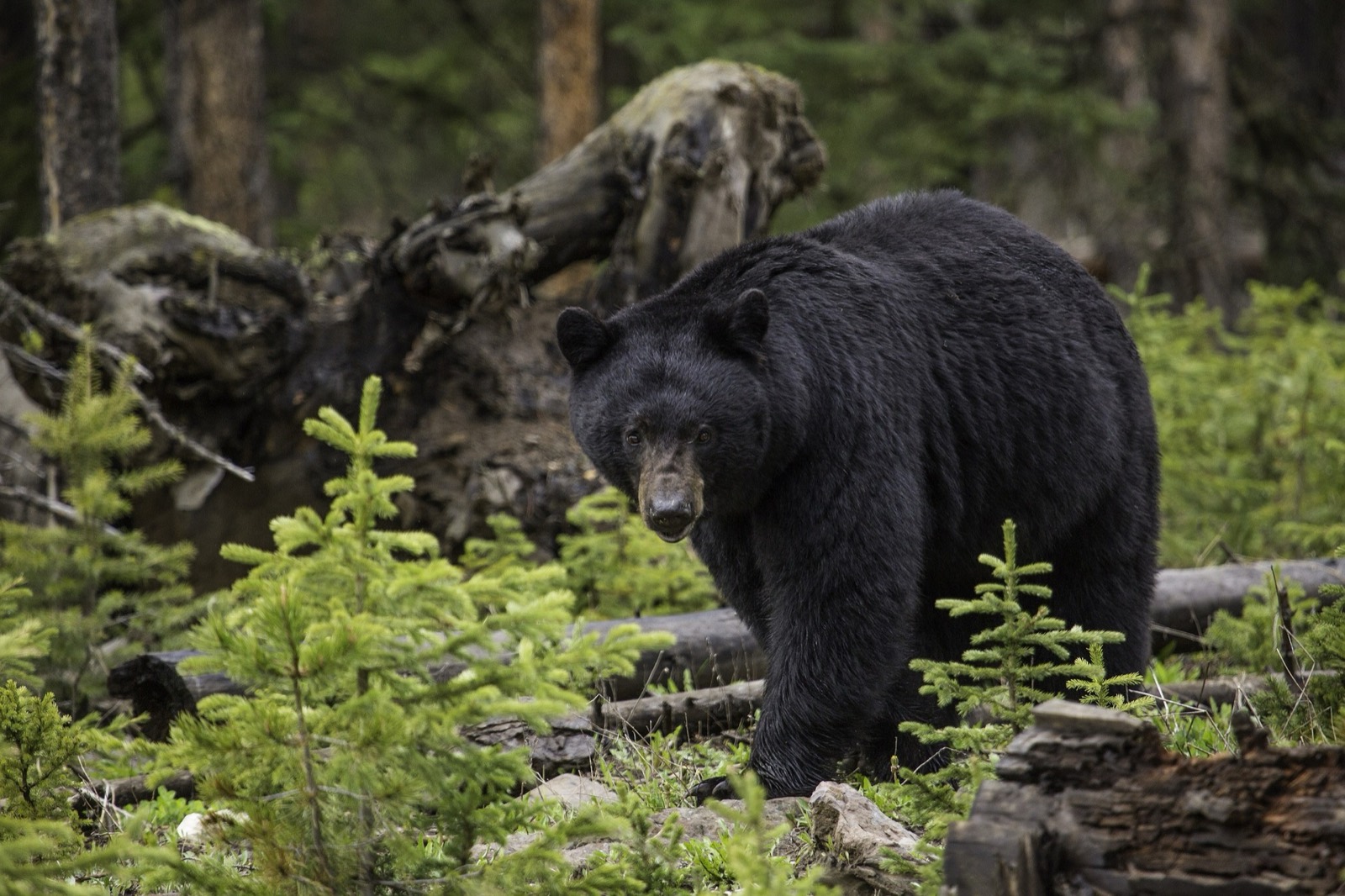
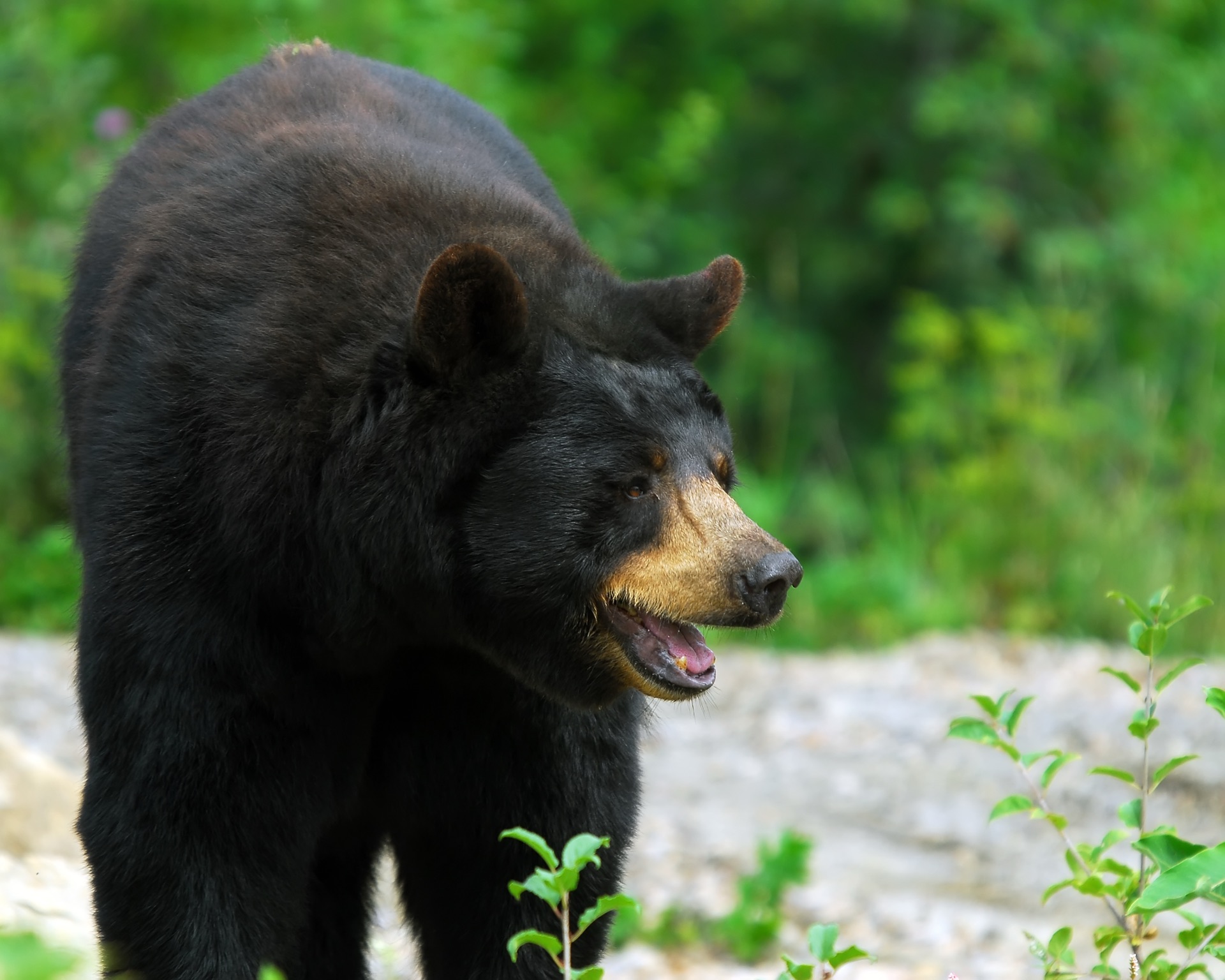
American Black Bear
The vast majority of Michigan's black bears reside in the dense northern hardwood and conifer forests of the Upper Peninsula, with growing numbers in the northern Lower Peninsula. Boars frequently exceed 400 lbs.
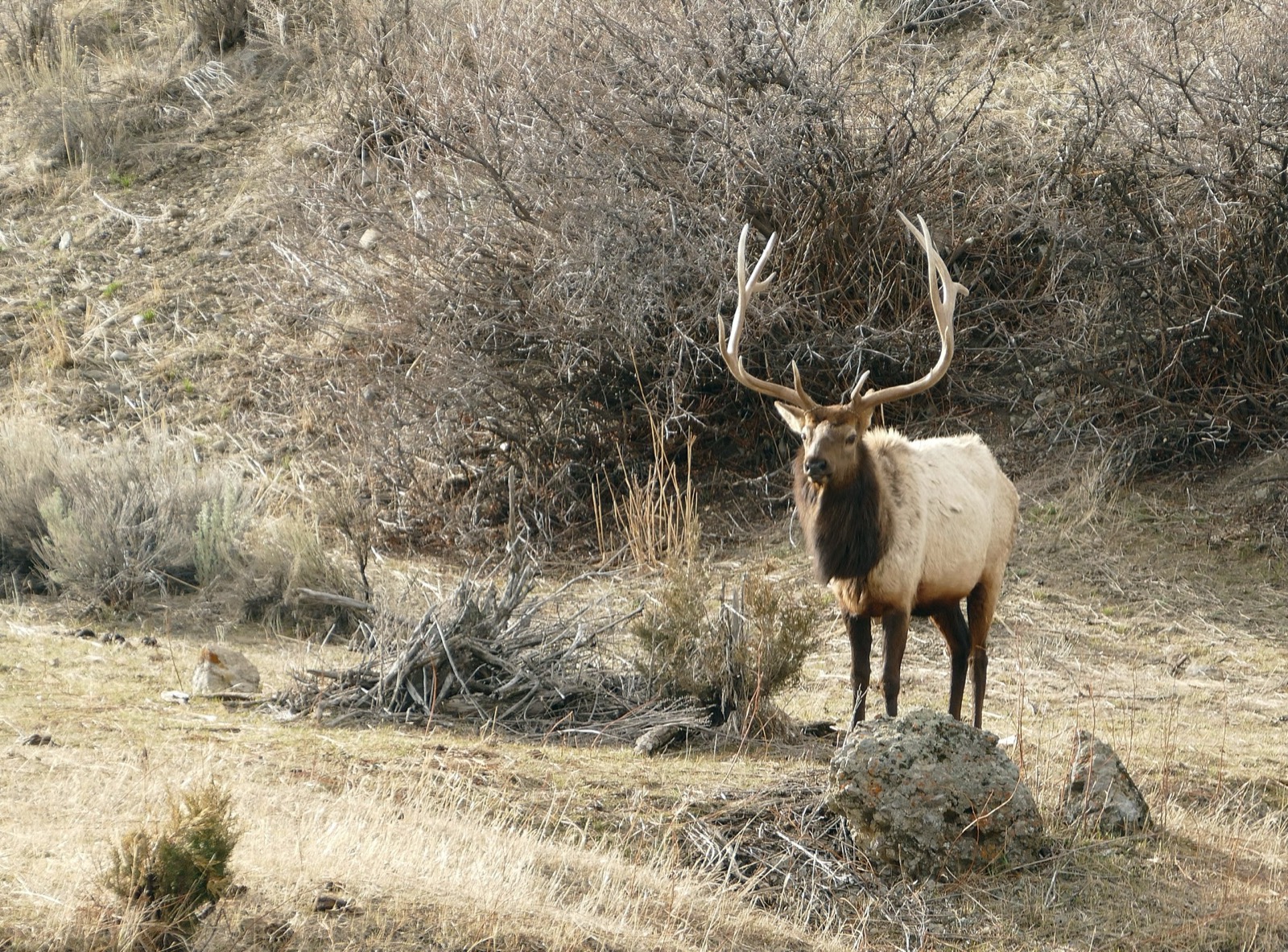
Rocky Mountain Elk
Michigan holds one of the largest wild elk herds east of the Mississippi River, centered in the Pigeon River Country State Forest in the northern Lower Peninsula. Mature bulls weigh 700 to 900 lbs.
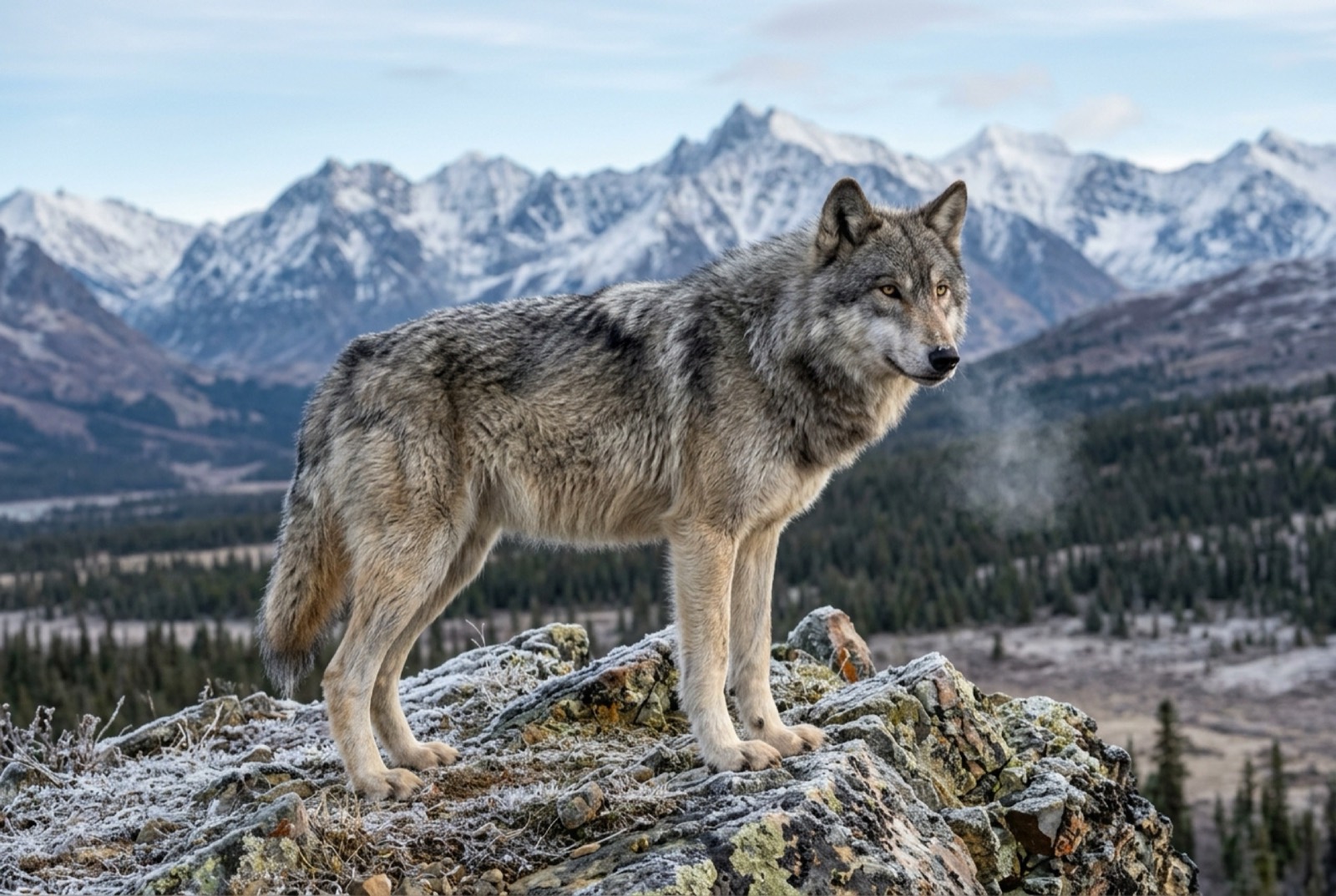
Gray Wolf
The Upper Peninsula supports a stable population of over 600 wild gray wolves living in family packs across remote wilderness timber, preying on deer and beaver.
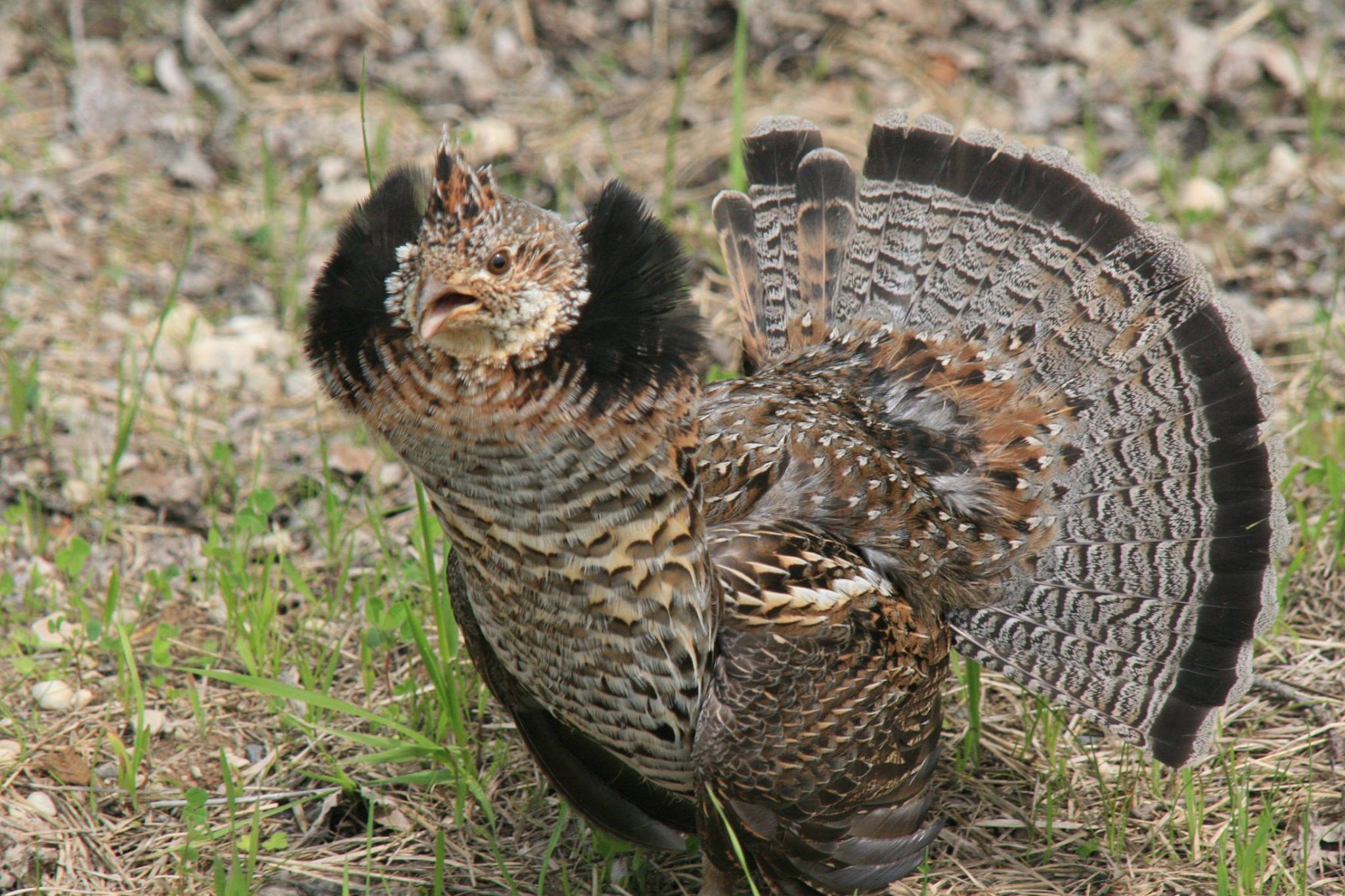
Ruffed Grouse
Michigan is universally ranked among the top ruffed grouse hunting states in the nation. Vast state forest lands managed for rotational aspen harvesting create premier drumming and brood-rearing cover.
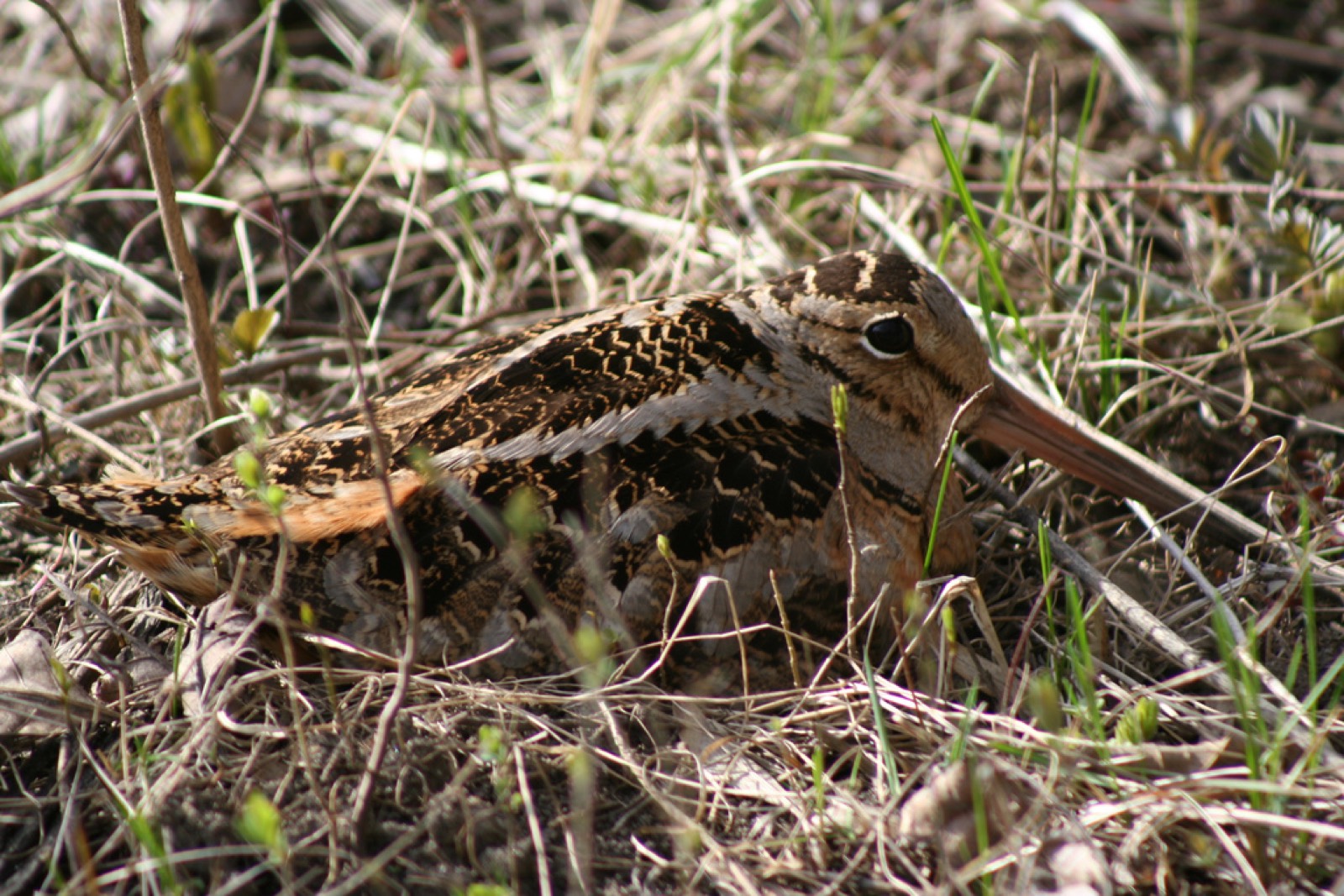
American Woodcock
Michigan is the leading production and harvest state for woodcock in the Central Flyway. These long-billed 'timberdoodles' probe damp alder runs, birch stands, and abandoned farm fields for earthworms.
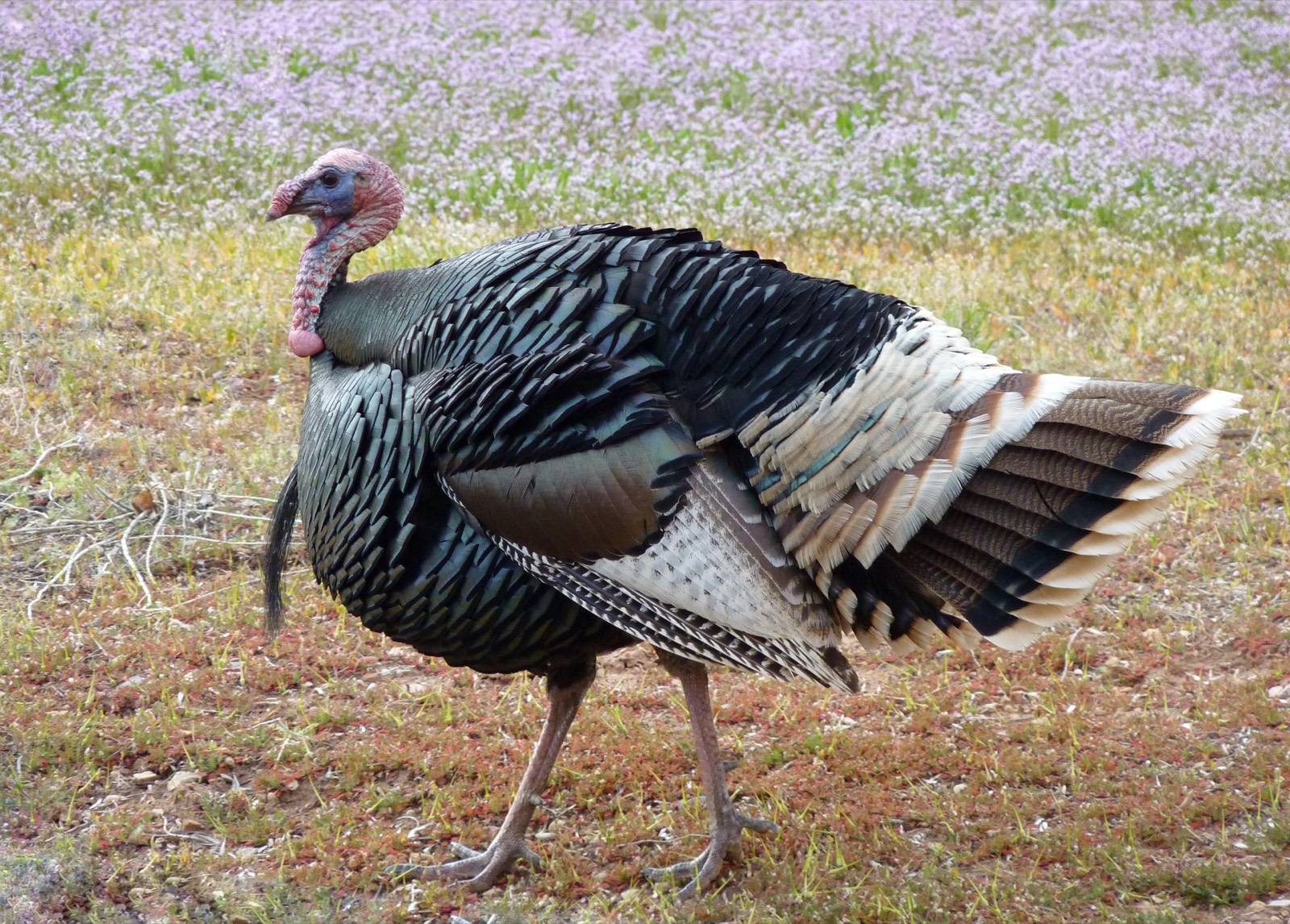
Eastern Wild Turkey
Highly successful restoration has established healthy flocks across both the Lower and Upper peninsulas, with birds roosting in towering pines and foraging on acorns and beechnuts.
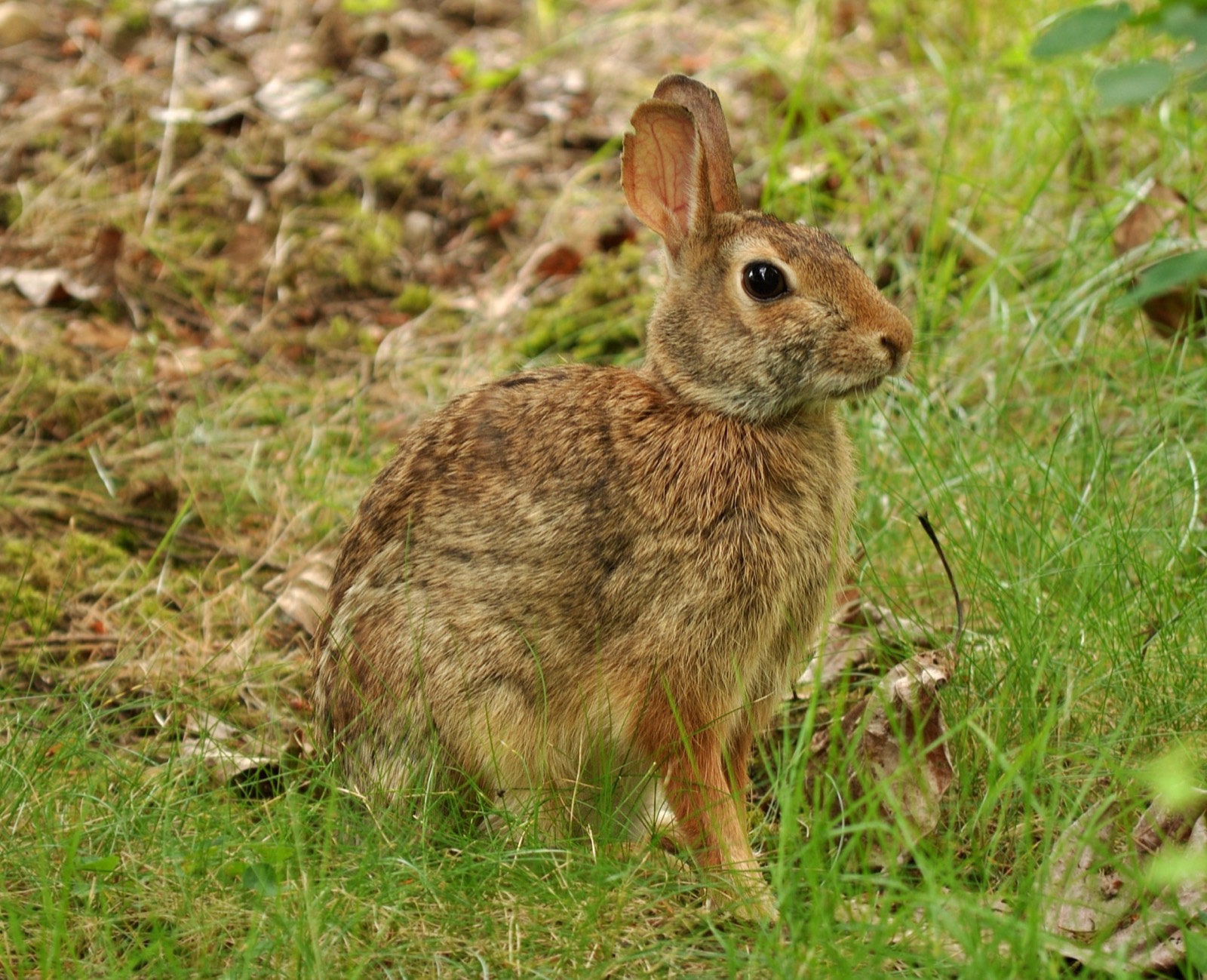
Eastern Cottontail & Snowshoe Hare
Cottontails inhabit southern agricultural counties and brushy edge habitat, while snowshoe hares occupy the northern cedar bogs and spruce forests.