Idaho
Rugged backcountry, steep river breaks, and classic over-the-counter elk and deer opportunities.
Native Species in Idaho
Official Regulatory Authority
Idaho Department of Fish and Game (IDFG)
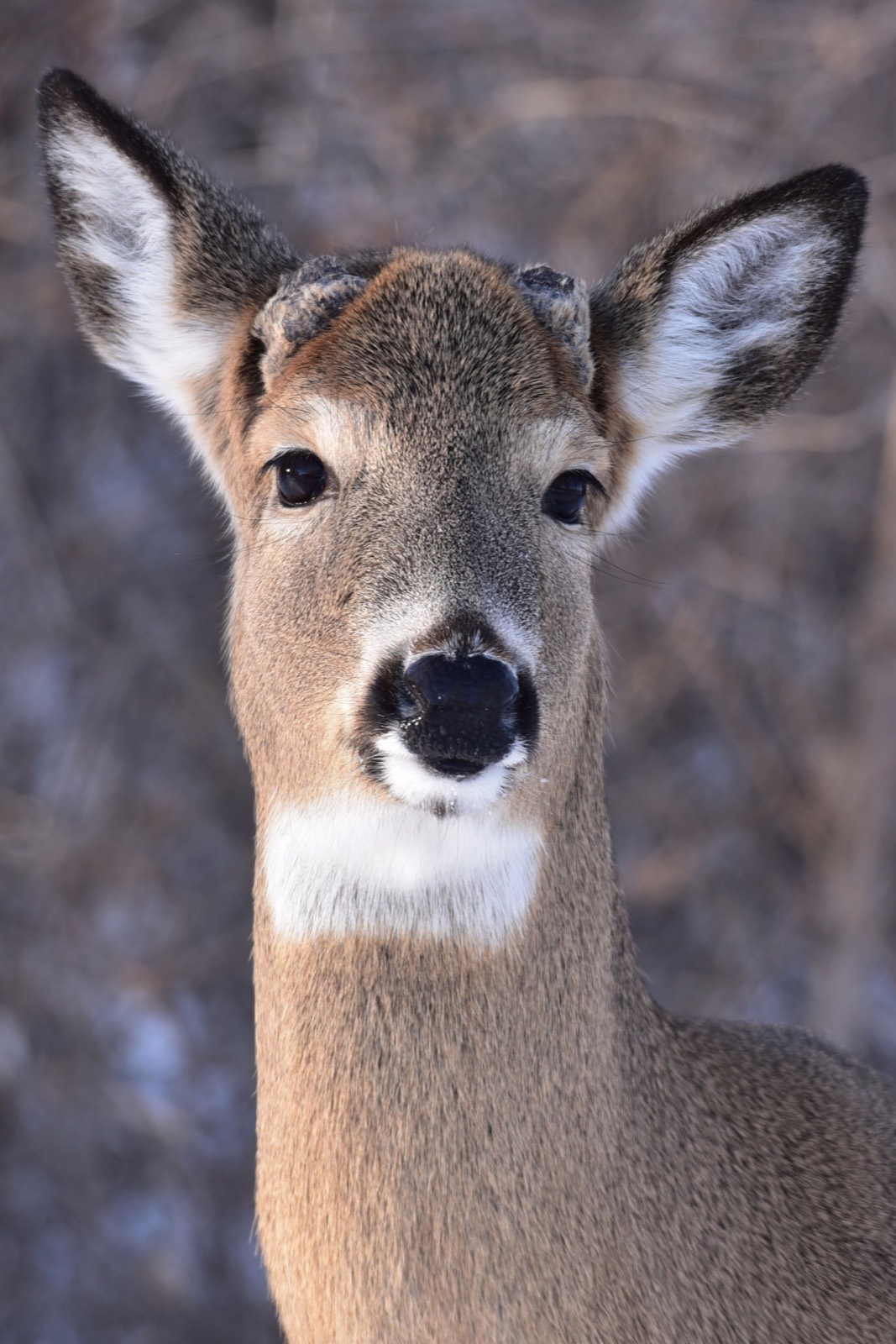
Whitetail Deer
Whitetail Deer have antlers consisting of main beams with 3 to 5 tines projecting upward. Ears are smaller in proportion to the head than a mule deer. They reach a length of up to 2.06 m and weigh up to 135 kg (300 lbs), concentrated in northern Idaho cedar timber and agricultural river valleys.
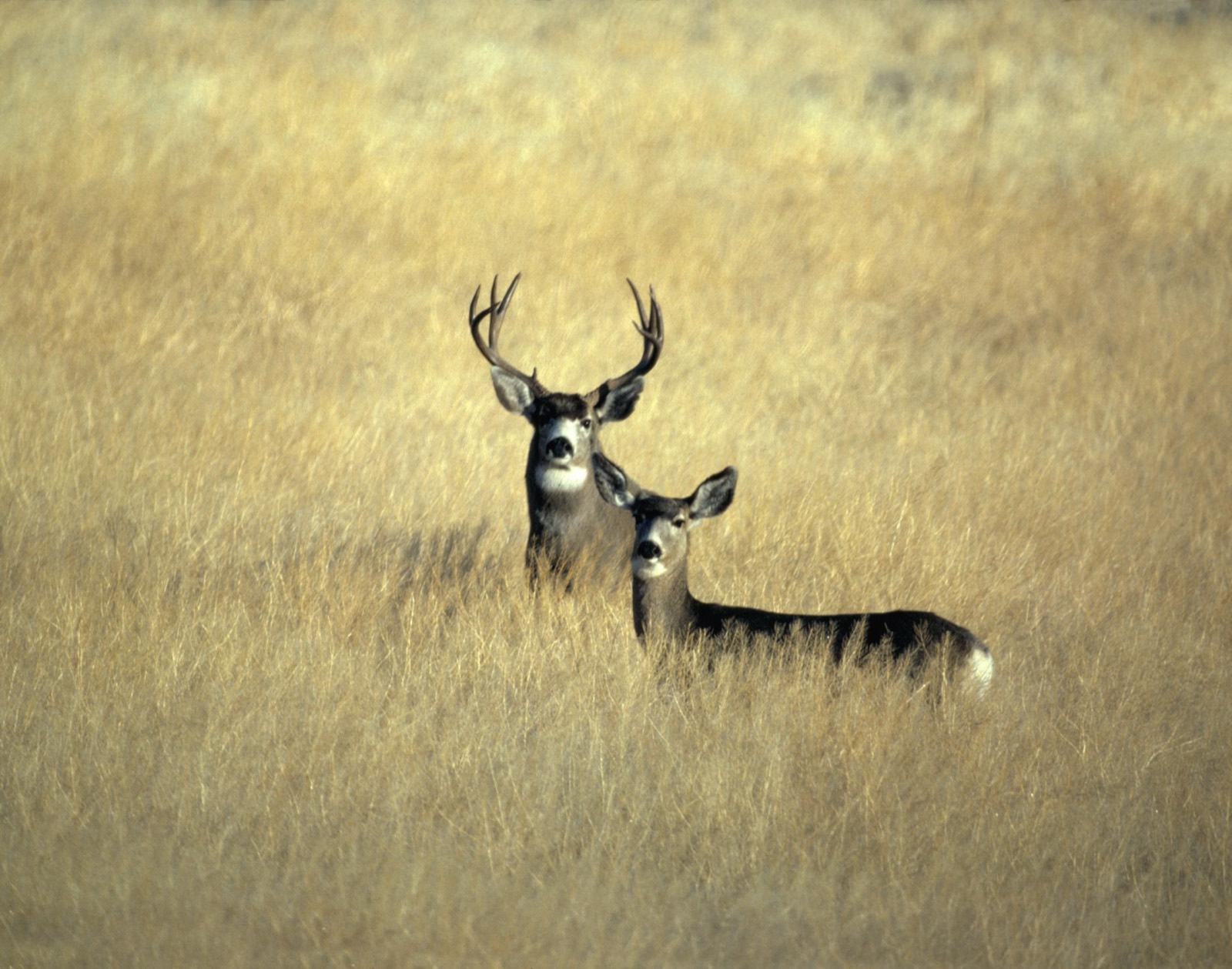
Mule Deer
The ears of mule deer are enormous compared to the rest of the head. They have a white tail with black tips reminiscent of a rope. They graze on grasses, woody plants, and mushrooms, migrating between high subalpine summer ranges and sagebrush foothills in winter.
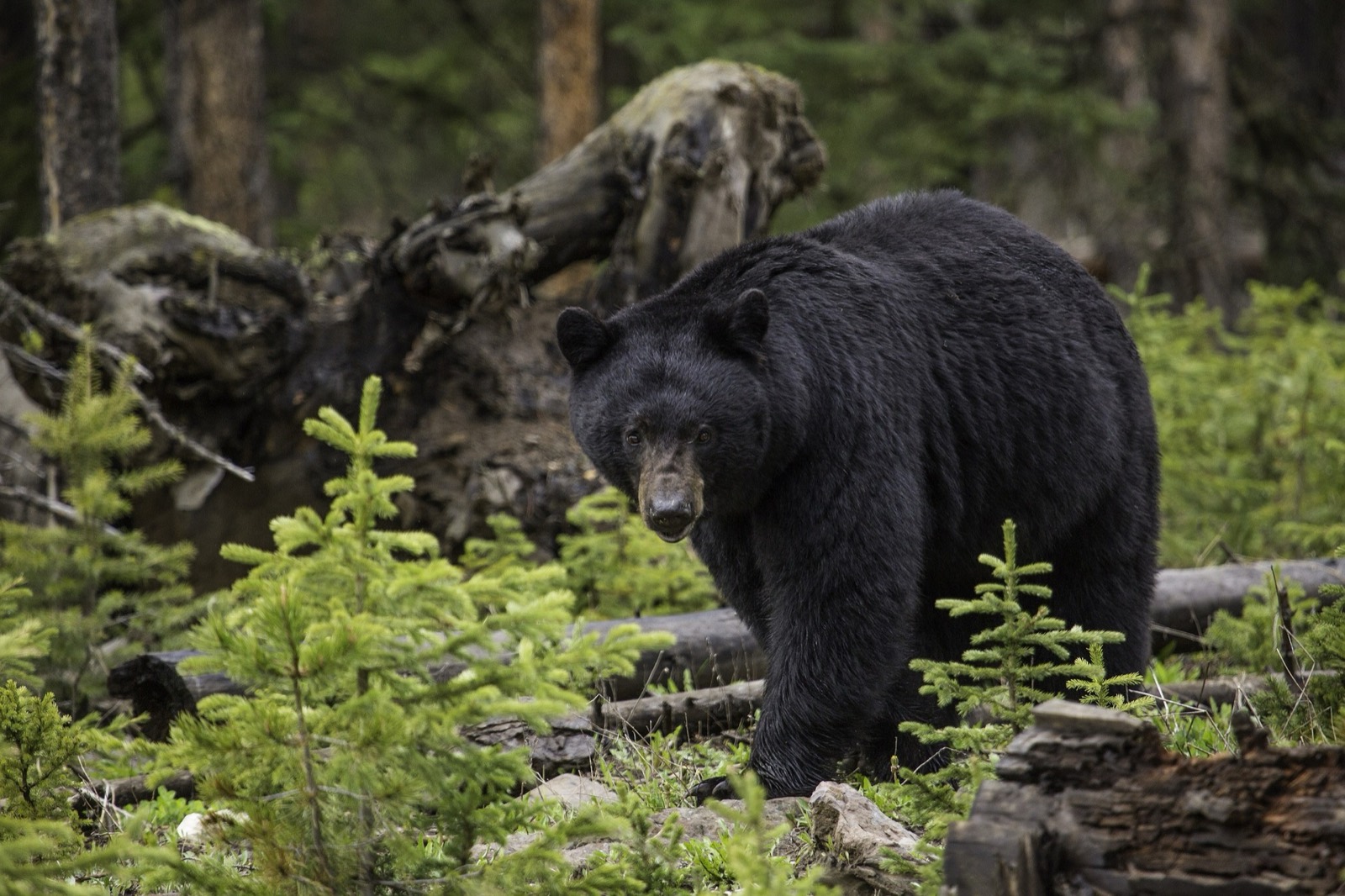
American Black Bear
American Black bears have a weight range between 150 and 200 kg (330 to 440 lbs) and can reach lengths of 1.8 m. Thriving in the Frank Church Wilderness and Selway-Bitterroot, Idaho bears display a high percentage of color phases including cinnamon and blonde.
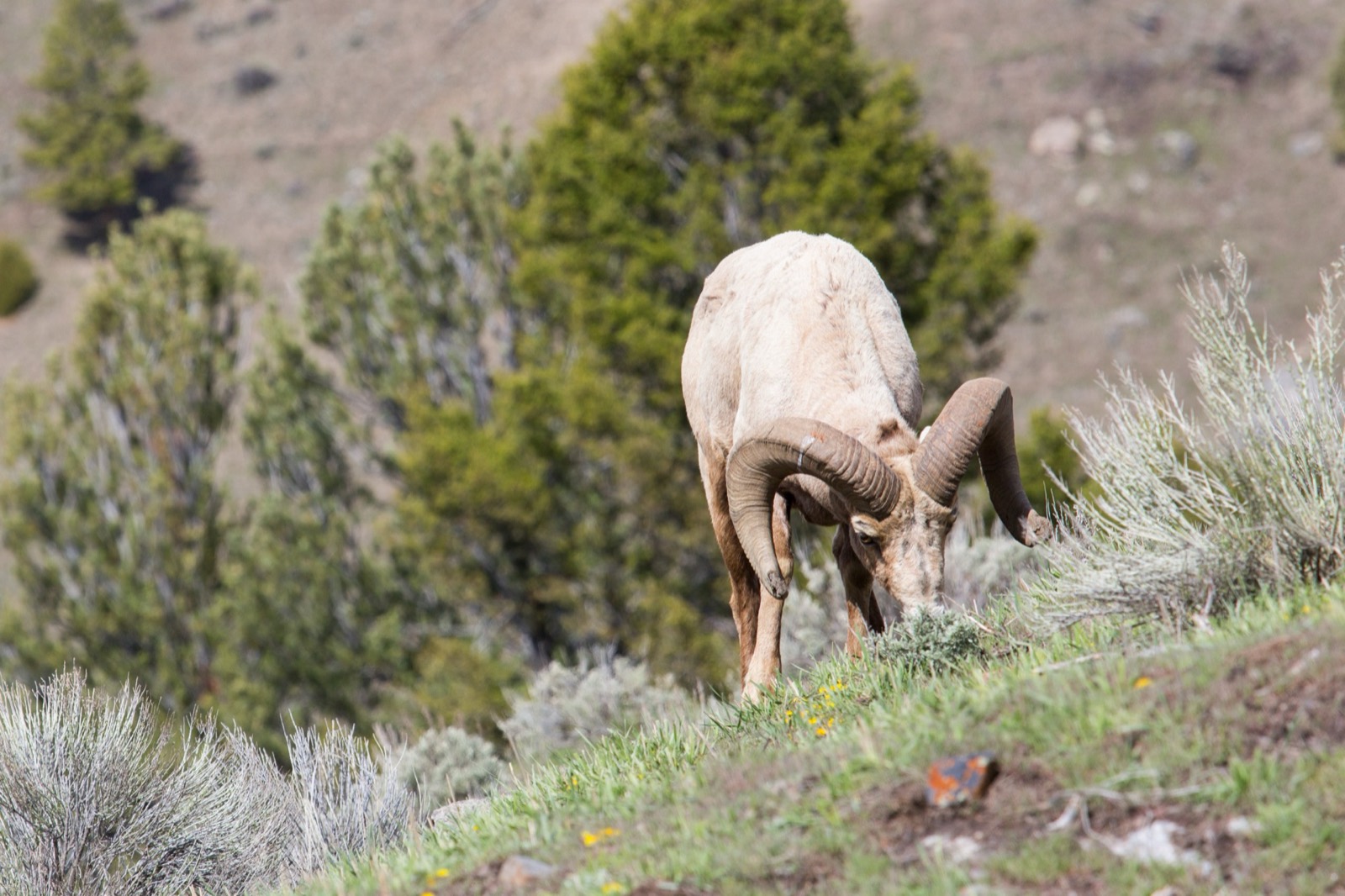
Rocky Mountain Bighorn Sheep
Bighorn sheep are primarily grass and forage feeders, but shrubs may be consumed significantly in winter. Famous for navigating the sheer vertical granite crags and canyon walls of the Salmon and Snake river drainages.
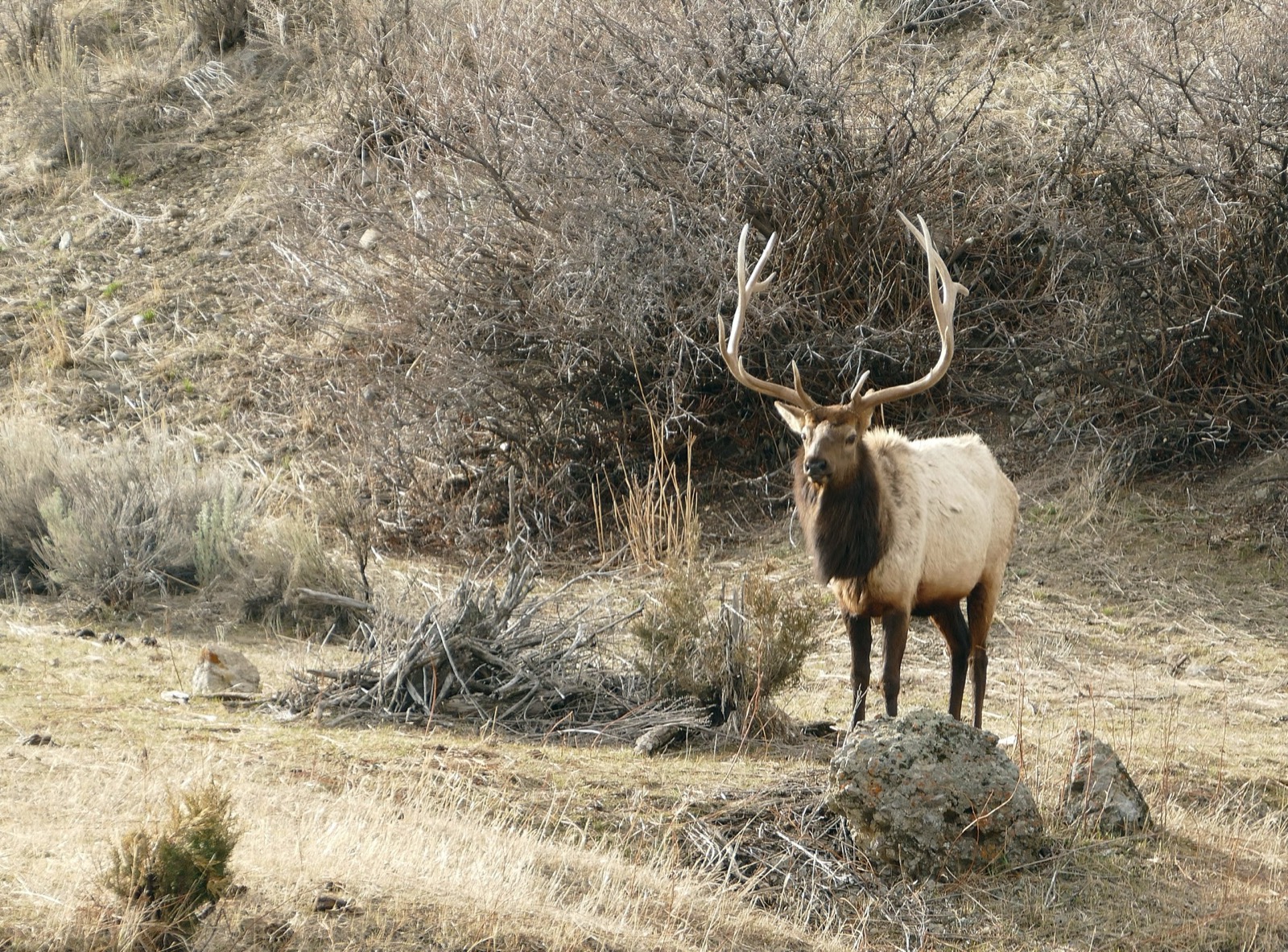
Rocky Mountain Elk
Elks are approx. 2.97 m long and weigh up to 495 kg (1,100 lbs). A grazer by nature, elk consume grasses, forbs, and deciduous shrubs, forming major migratory herds across central Idaho's massive roadless wilderness complexes.
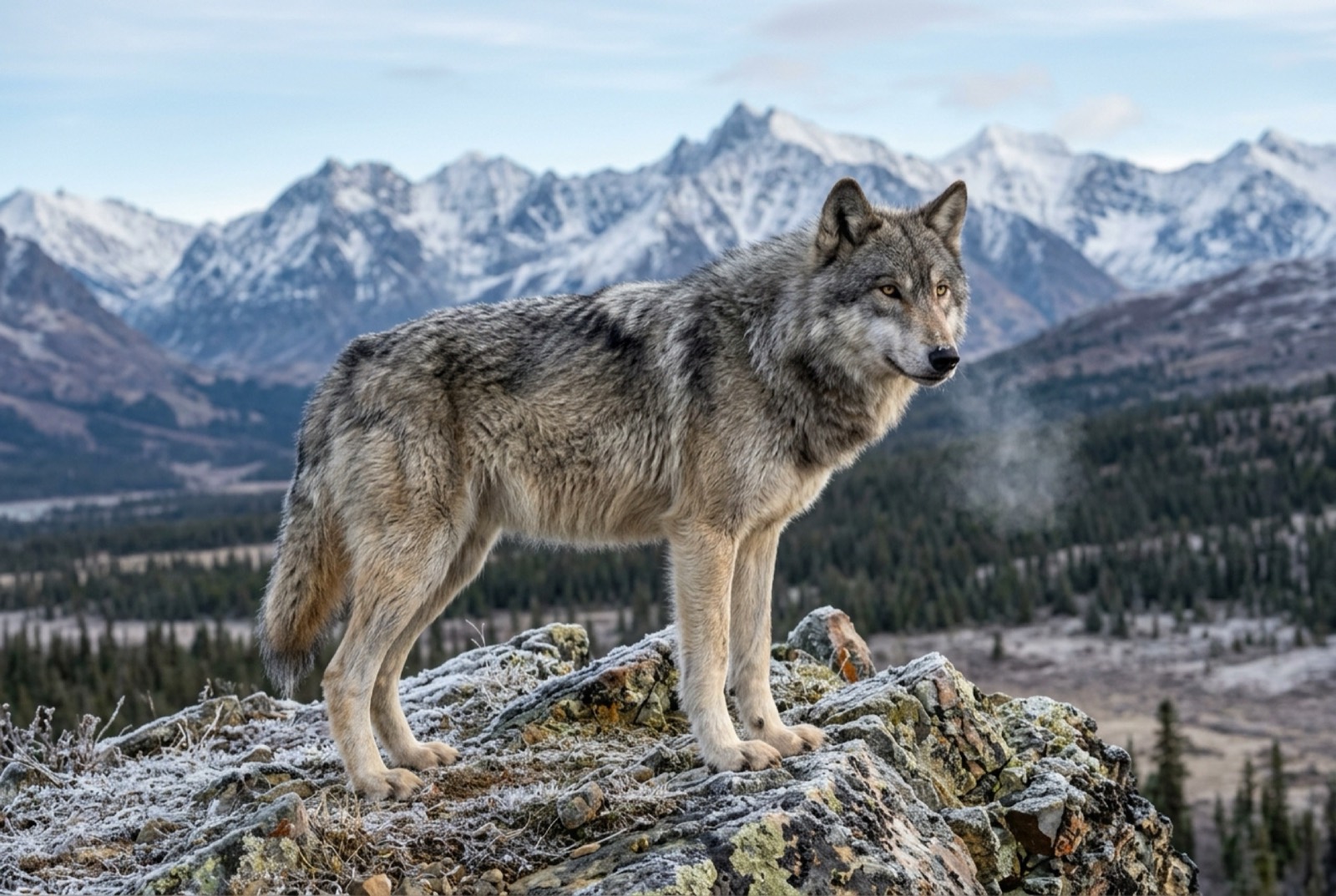
Gray Wolf
Gray wolves are carnivorous animals that hunt in packs. They can reach 2.05 m in length and weigh up to 60 kg (132 lbs). Idaho hosts one of the largest wolf populations in the contiguous United States, balancing ungulate populations across vast timberlands.
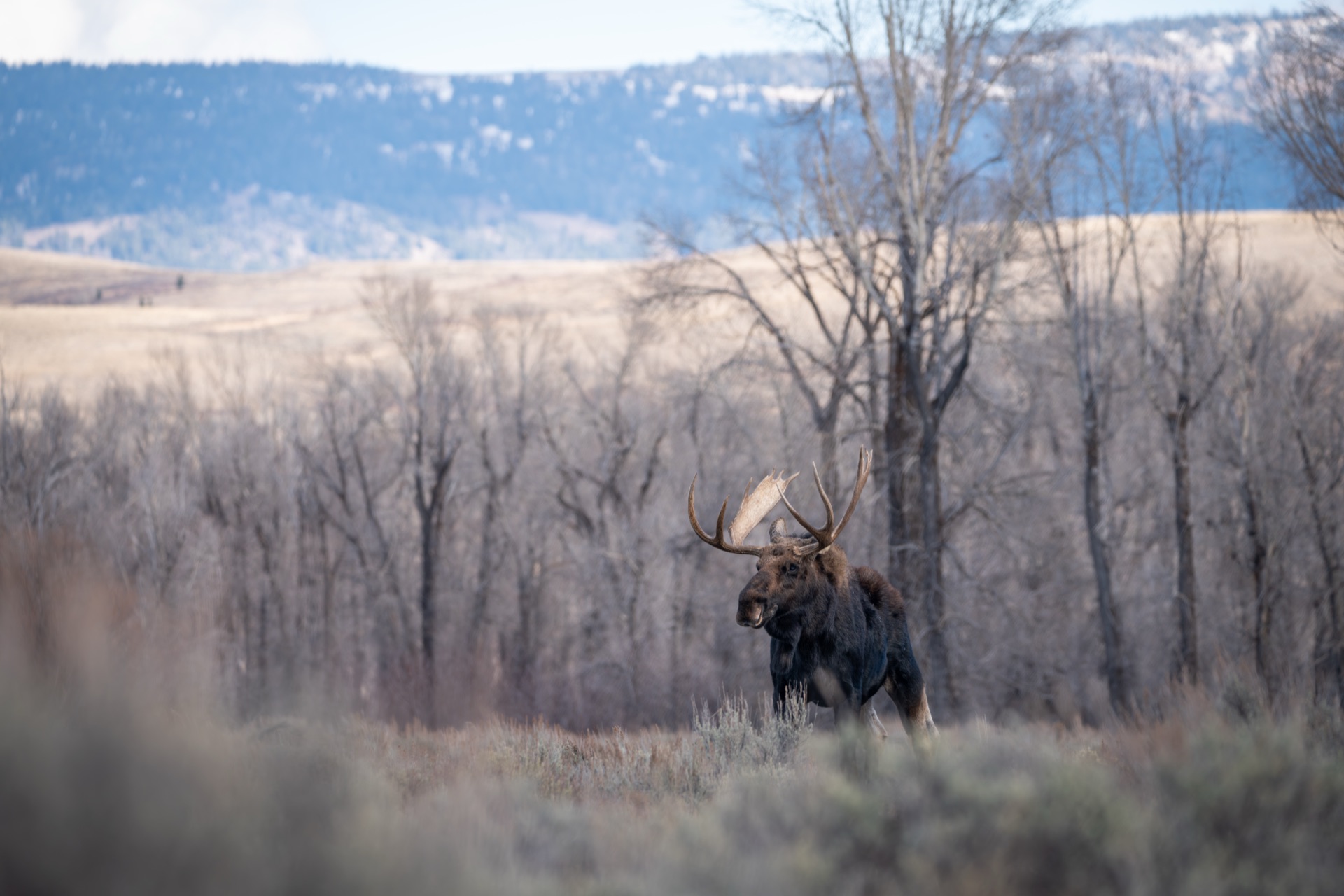
Shiras Moose
Moose are herbivorous animals that feed on trees and shrubs such as willow leaves, twigs, and bark. The Shiras subspecies is well adapted to northern Idaho's spruce-fir bogs, wet meadows, and high-mountain lake basins.
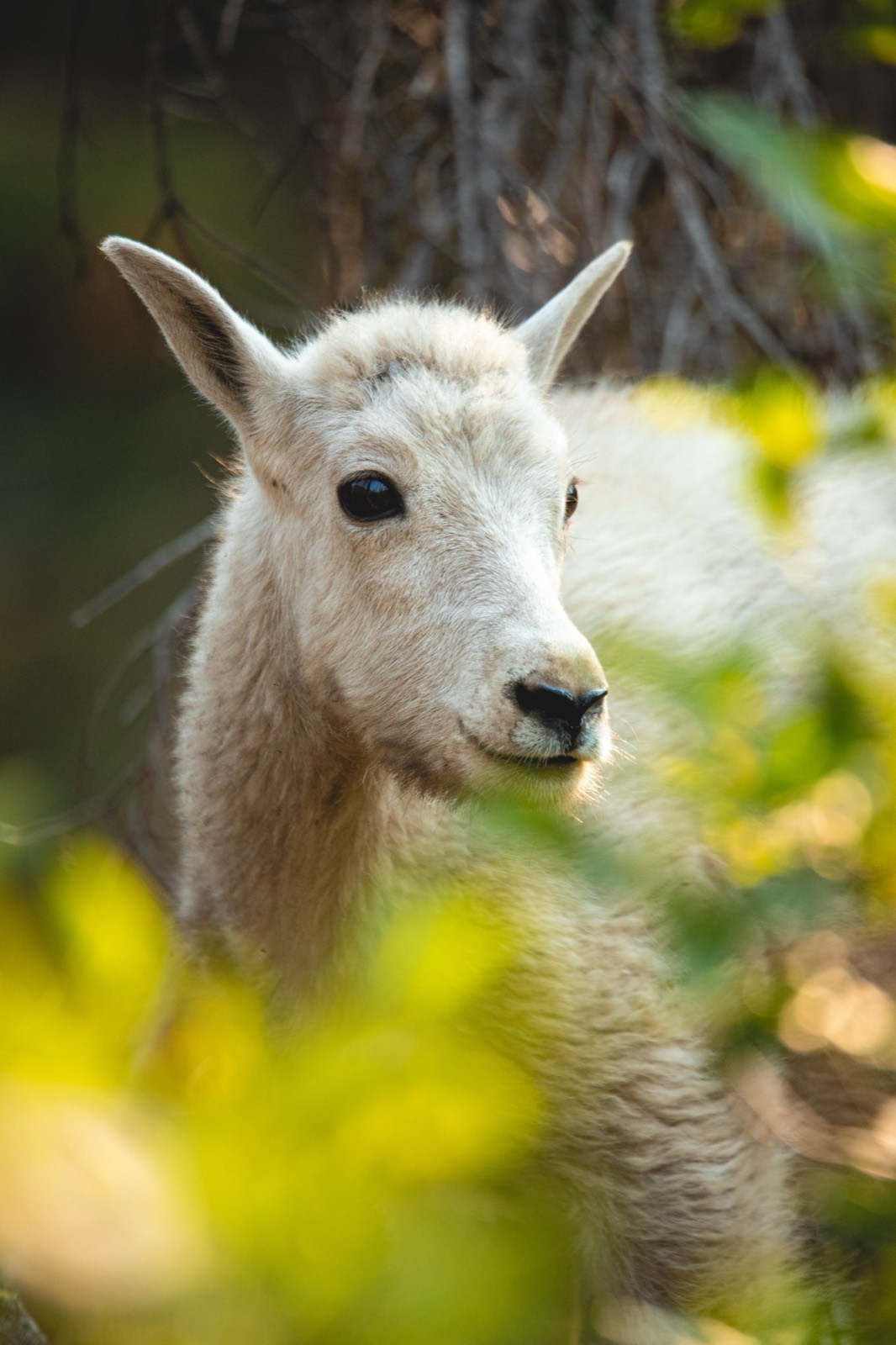
Rocky Mountain Goat
Mountain goats go up to 1.79 m in height and 136 kg (300 lbs) in weight. They graze on subalpine grasses and lichens, living year-round on the knife-edge ridges and icy cliffs of the Sawtooth and White Cloud peaks.
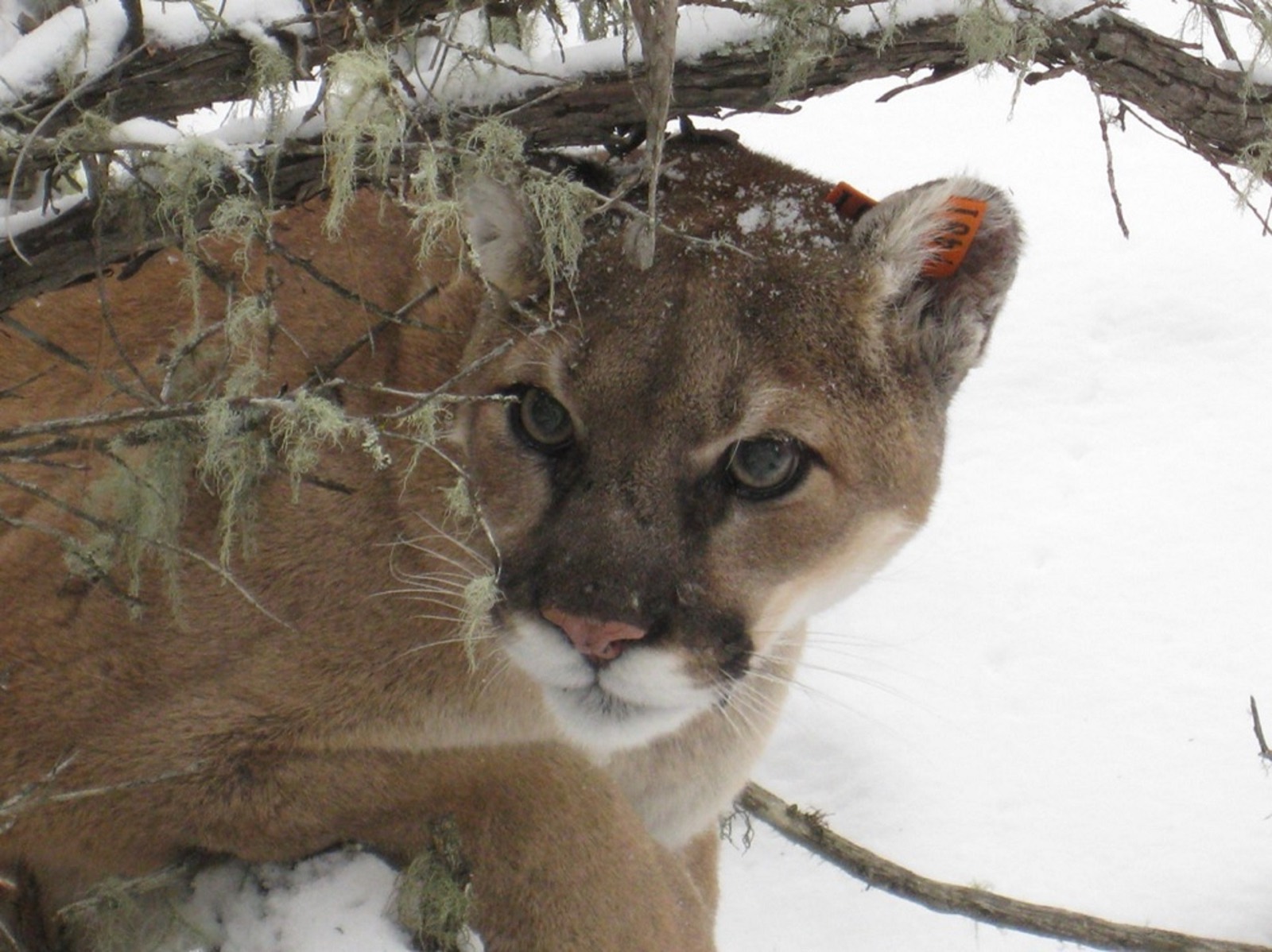
Mountain Lion (Cougar)
Mountain lions can weigh up to 120 kg (265 lbs) with a total body length of up to 2.74 m. Solitary, territorial predators, they hunt deer and elk silently throughout Idaho's broken timber country and rugged canyons.
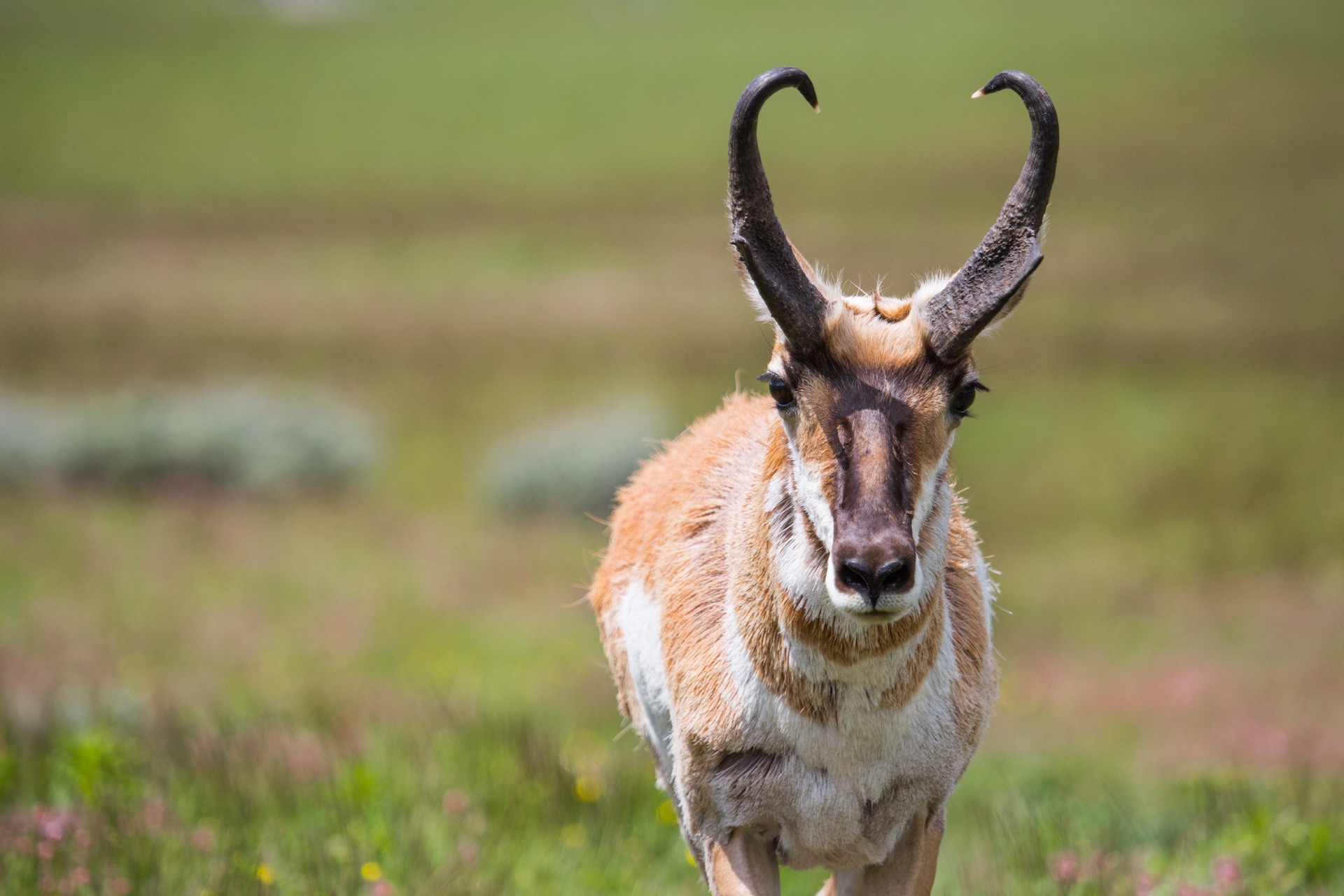
Pronghorn
With a length of up to 1.45 m and weight of up to 63 kg (140 lbs), Pronghorn are herbivores eating sagebrush and wildflowers across the wide desert plains of southern Idaho.
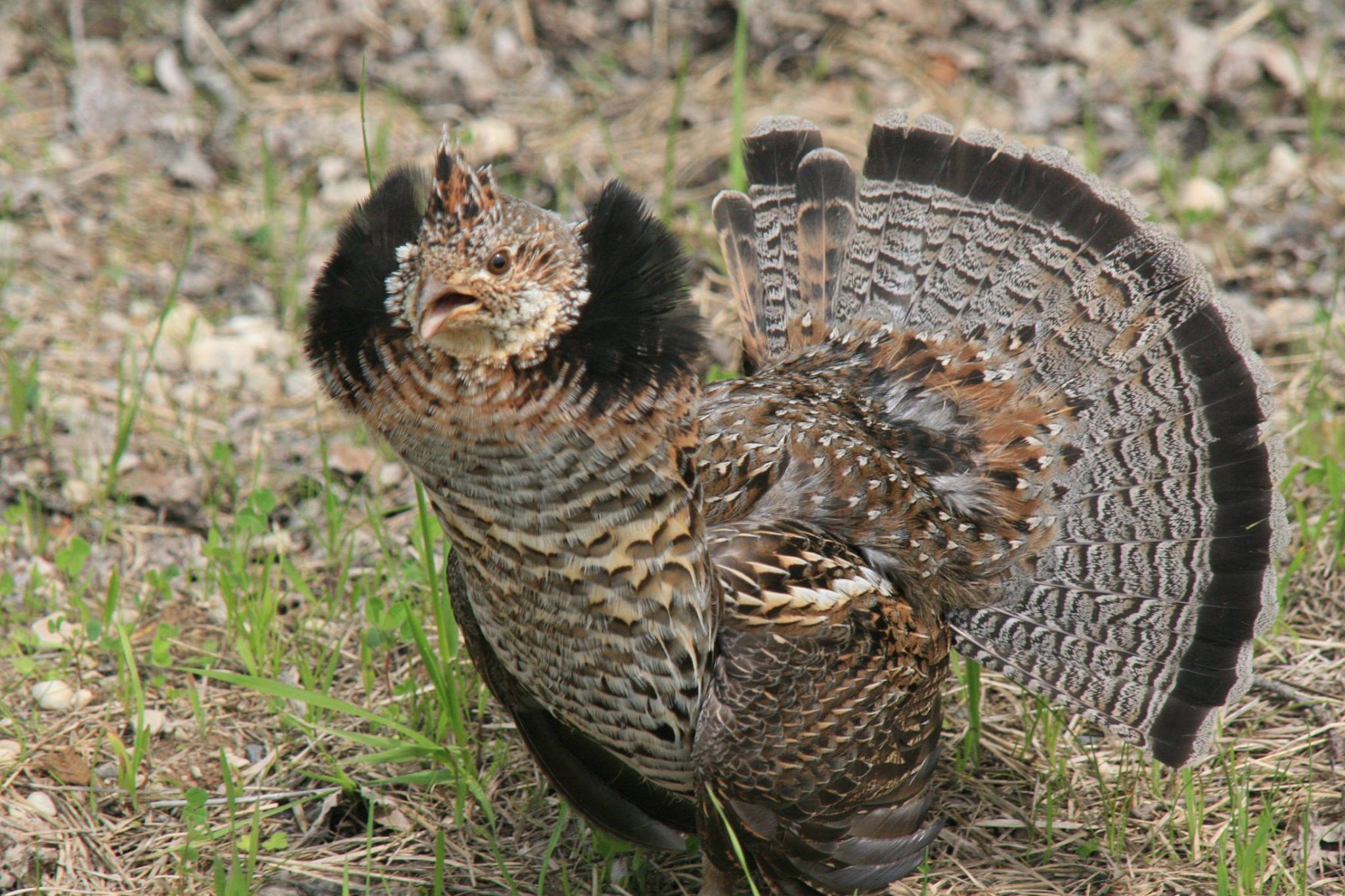
Ruffed & Dusky Grouse
Dusky Grouse measure up to 51 cm long and weigh up to 1.18 kg, while Ruffed grouse are 43 cm long and weigh 621 g. They occupy Douglas fir timber, aspen draws, and berry thickets across mountain slopes.
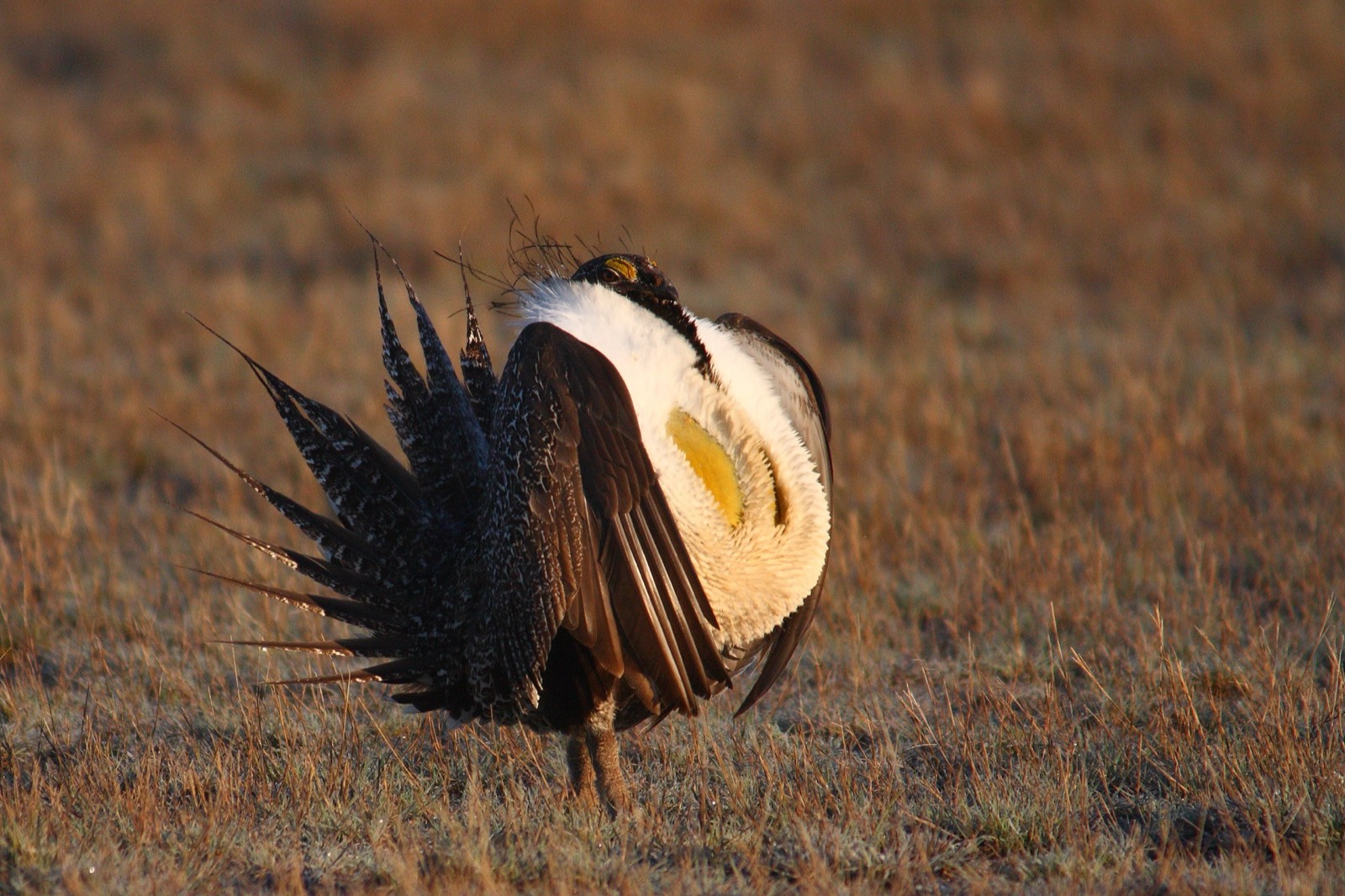
Greater Sage-Grouse
Sage Grouse weigh up to 3.19 kg (7 lbs) and reach a length of 71 cm. Highly dependent on large contiguous expanses of healthy sagebrush, males perform elaborate spring courtship dances on historic communal leks.
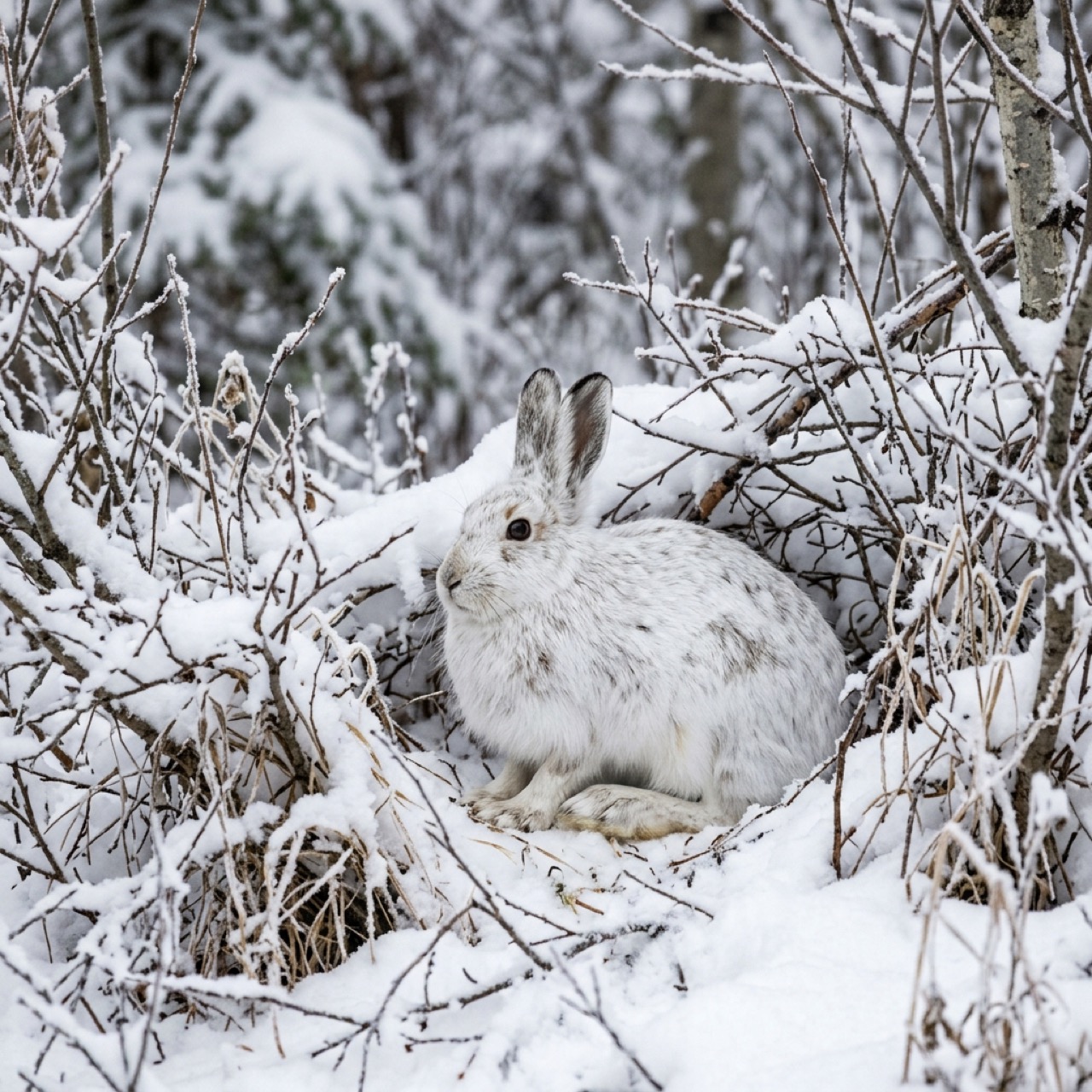
Snowshoe Hare
The Snowshoe hare measures about 52 cm in length and weighs 1.4 kg (3 lbs). Adapted with broad furry hind paws for traversing deep snow, they are a primary food source for Canada lynx and bobcats.