California
Coastal blacktail deer, black bear, tule elk, wild pig, and diverse Pacific Flyway waterfowl.
California - The Pacific Rim & Golden State Biodiversity
California a Hunters Paradise
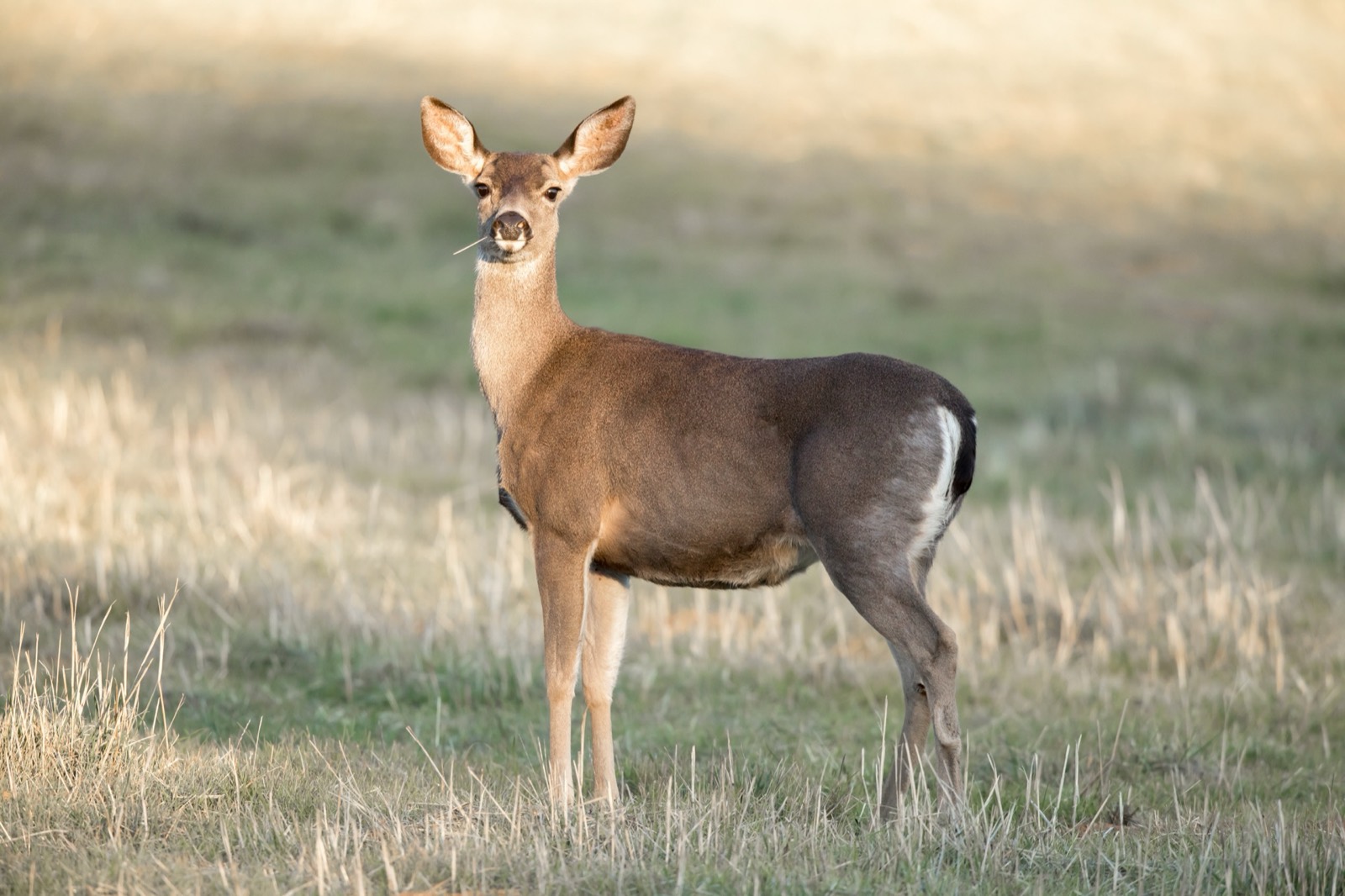
California is one of the most geographically diverse states in the U.S., covering an area of 163,696 sq mi (423,970 km2). It has forests that cover about 45 percent of its surface area, and California has more types of pine trees than any other state. In addition, the California White Mountains have some of the oldest trees in the world such as the individual bristlecone pine is over 5,000 years old.
California has the most diverse types of animals in the United States of America. In addition, California has the most remarkable diversity in geology climates and terrain, which leads to different kinds of animal habitats. California has six life zones which are the upper Sonoran (coastal lands and foothill areas), lower Sonoran (desert) transition (moist northeastern counties and coastal regions), and the Hudsonian, Canadian, and Arctic zones, consisting of California’s highest elevations.
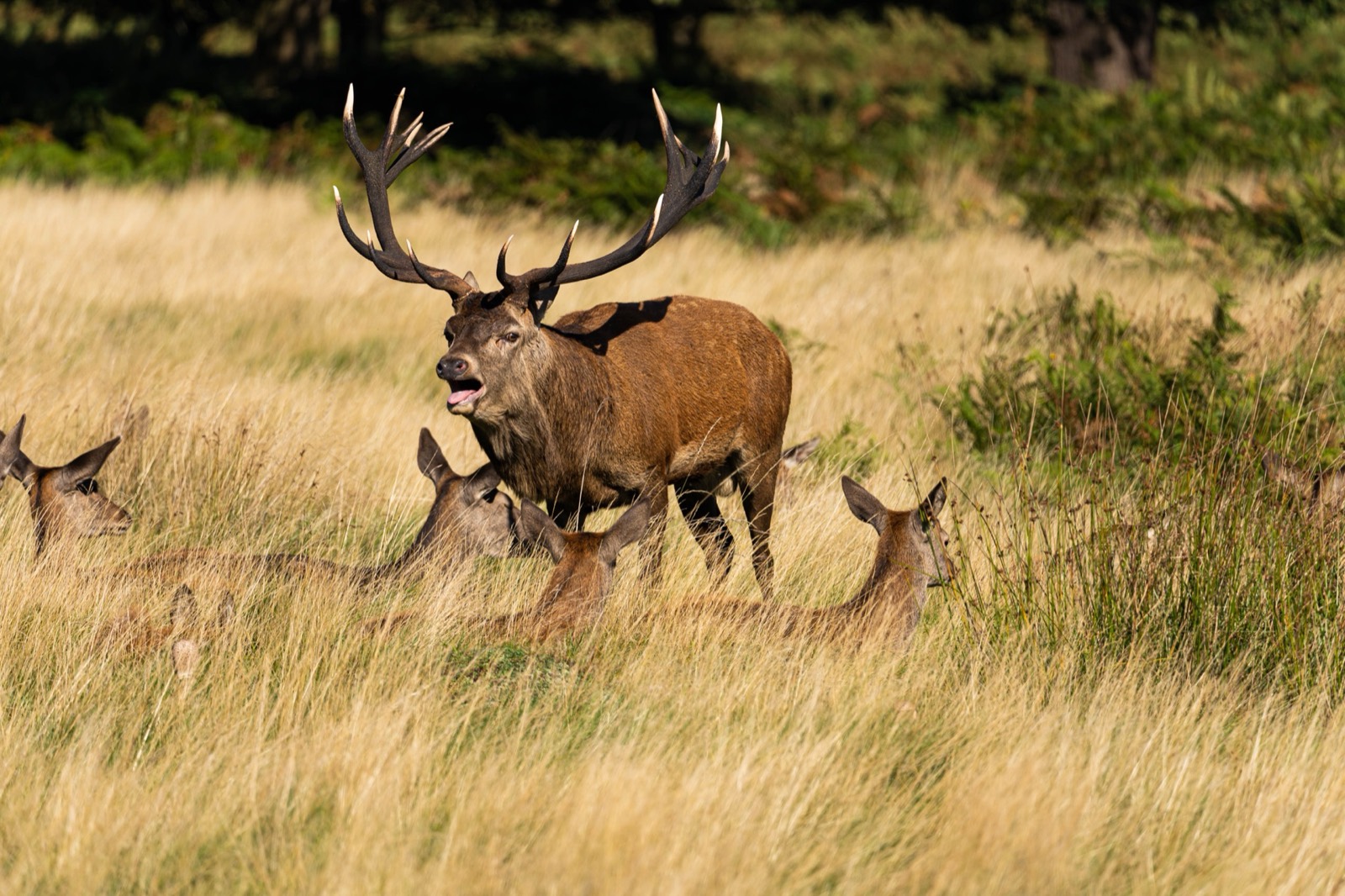
California is a vast state, the 3rd largest in the U.S. The State has many different ecosystems, each with its own plants and animals that are native to that area. For example, the forests in the northern part of California have a lot of animals, like the black-tailed deer, black bear, gray fox, North American cougar, bobcat, and Roosevelt elk.
Southern California is a diverse place with many different types of landscapes. Some of these landscapes include the Pacific Channel Islands, the shorelines and beaches, the Transverse and Peninsular Ranges, and the deserts.
There are many animals that are found throughout the State. These include black bears, deer, squirrels, rabbits, Bighorn Sheep, etc. The California quail is the state bird of California that resides in shrubby areas and open woodlands. Another bird that visits California during the winter is the American white pelican, a large seabird with a wingspan of up to 280 cm.
Top Hunting Attractions in California
Discover the premier wildlife management areas, big game habitats, and renowned wingshooting regions across California.
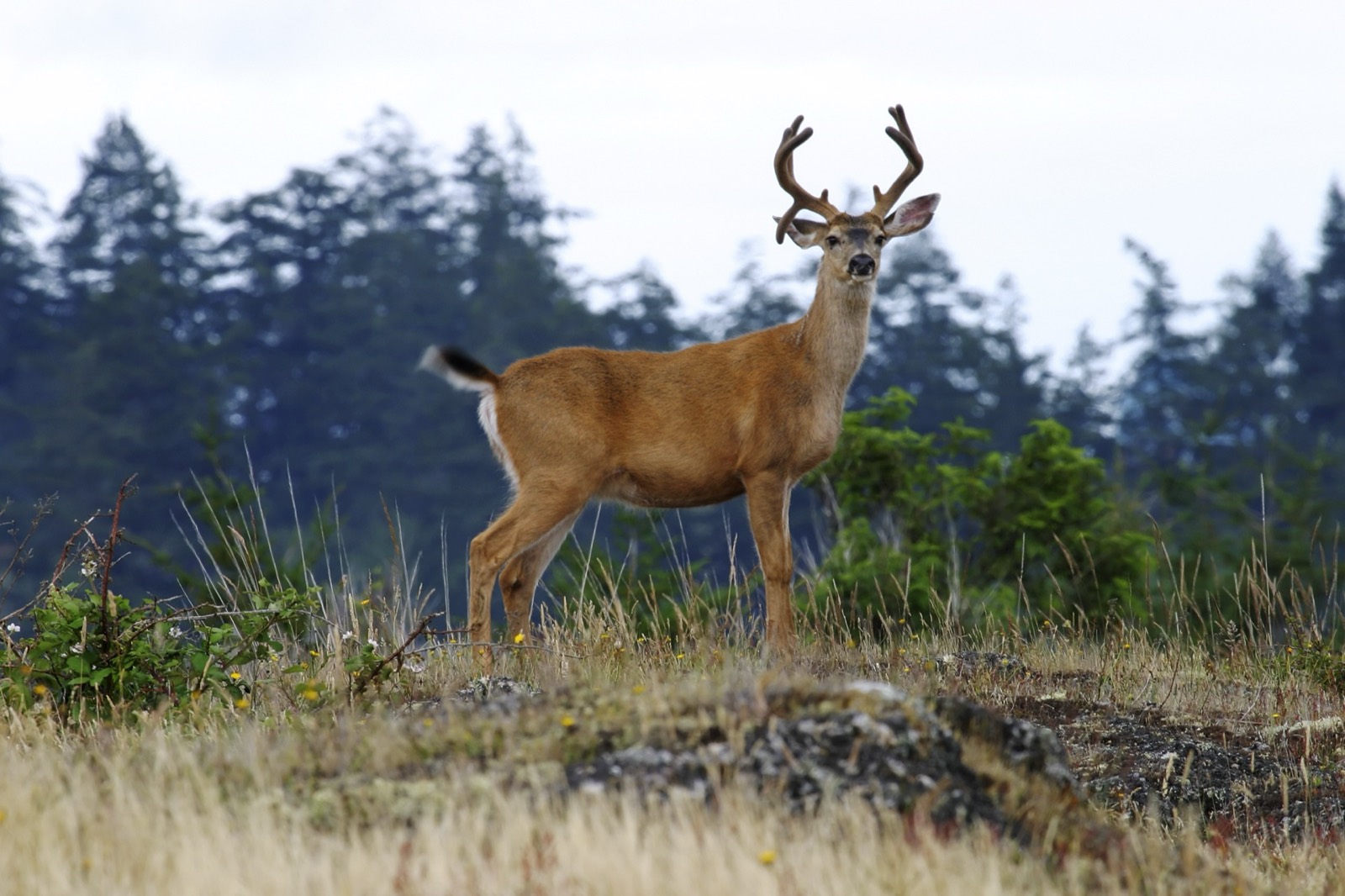
Northern Coast Range Columbian Blacktail
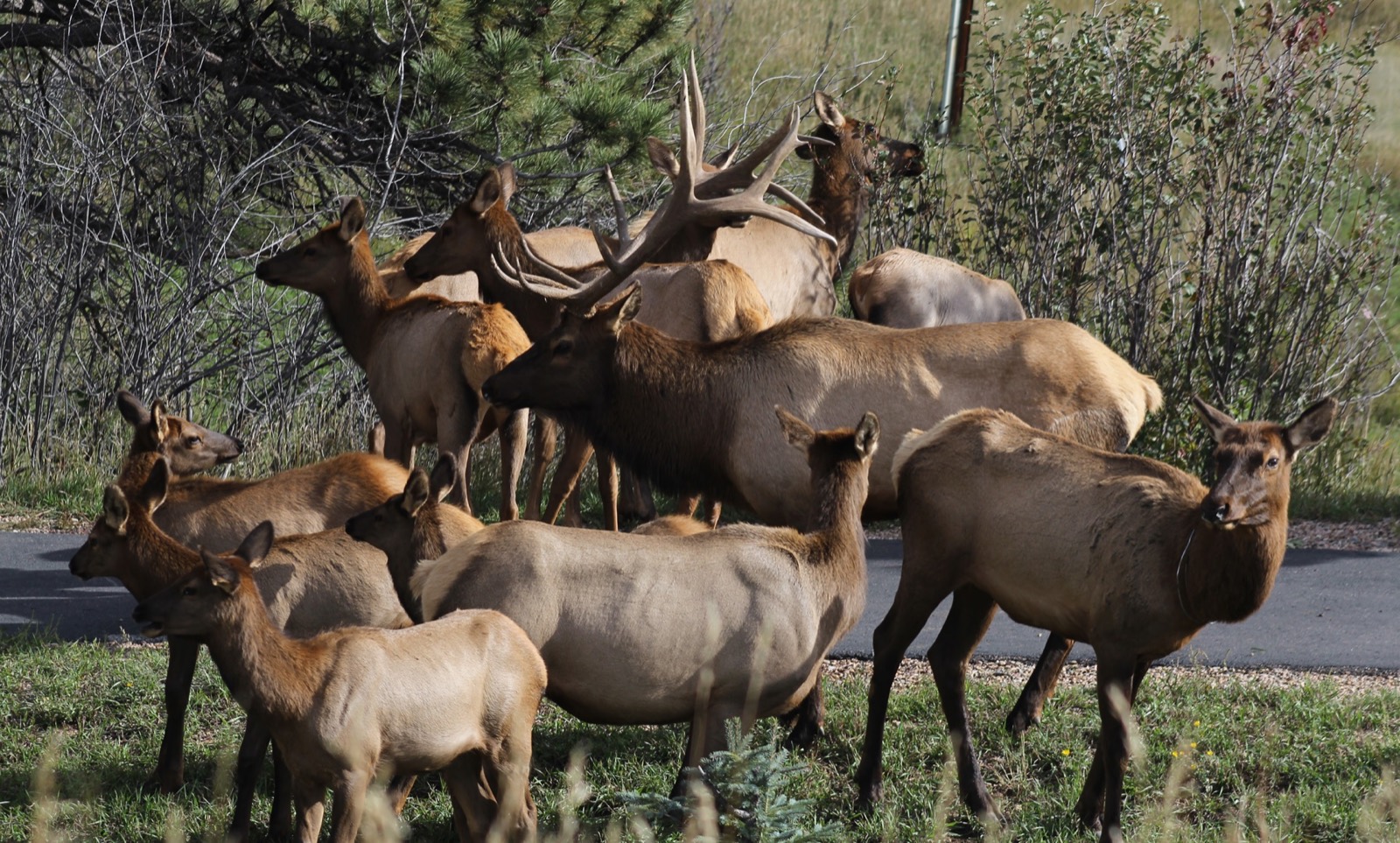
Tule Elk & Roosevelt Elk Trophy Lotteries
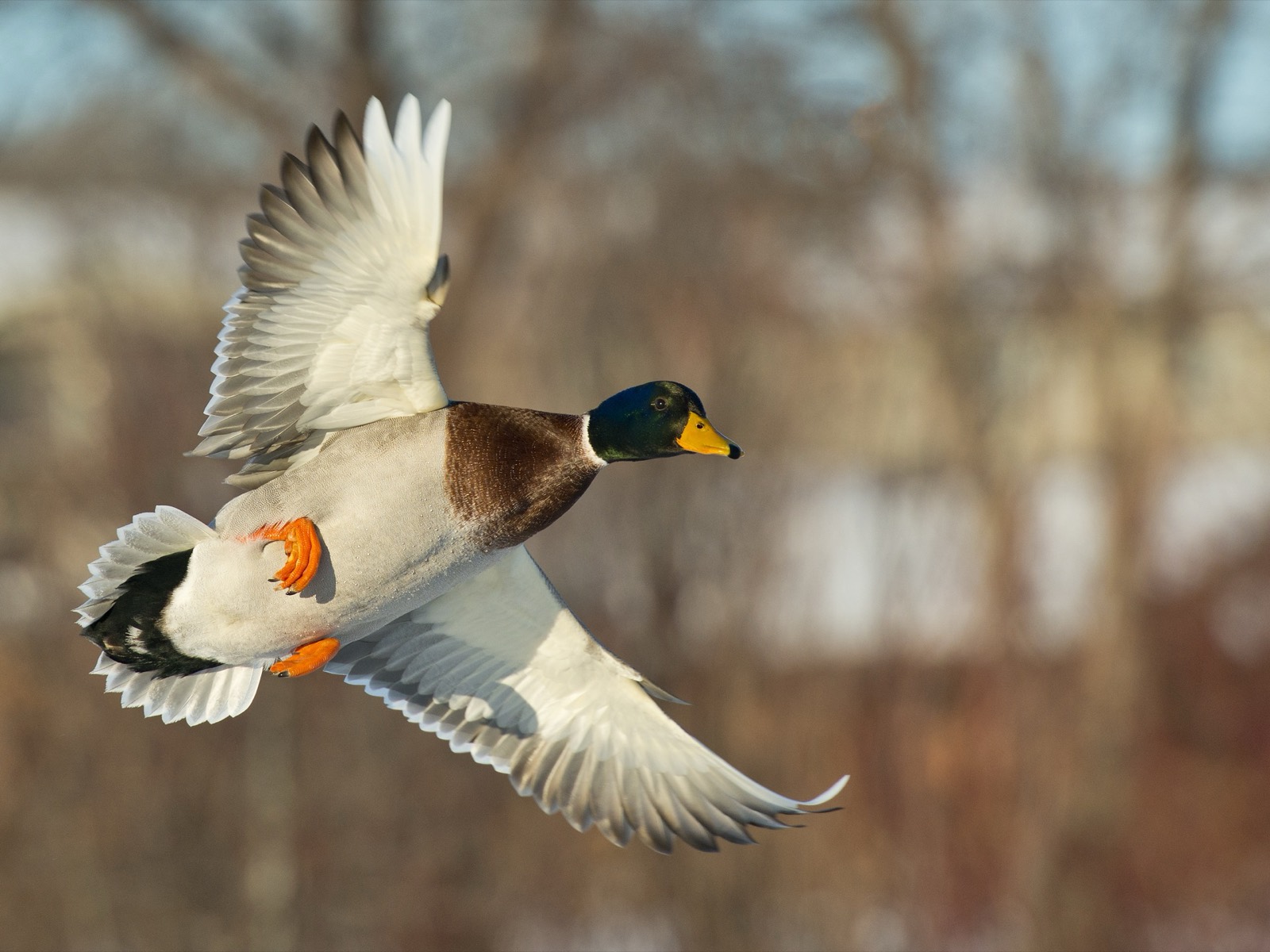
Sacramento Valley Pacific Flyway Waterfowl
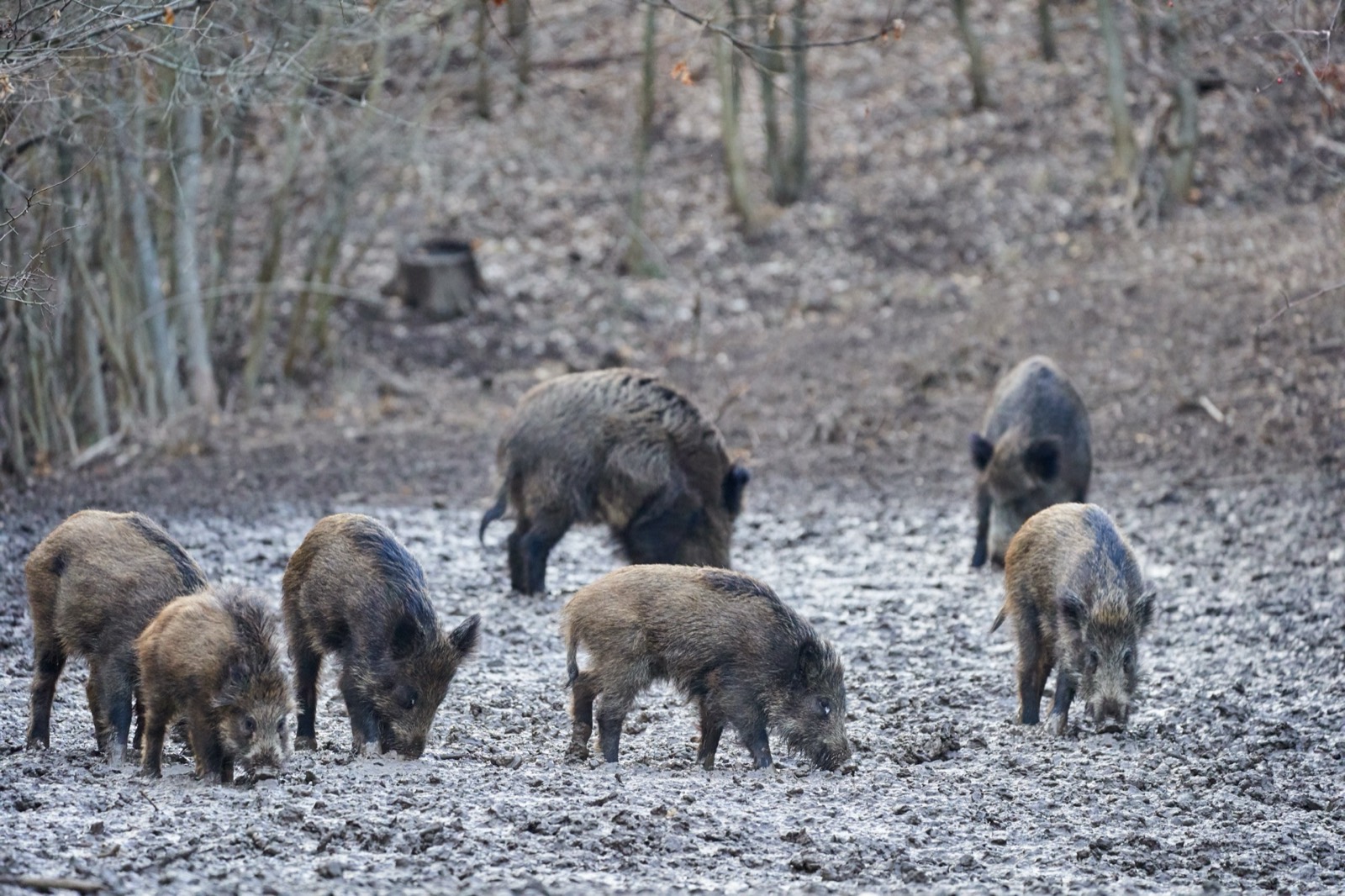
Central Coast Wild Boar & Desert Quail
Hunting Benefits
Hunter's Bottom Line
California's hunting landscape is one of the most ecologically diverse in North America, spanning coastal blacktail mountains, Sierra Nevada mule deer crests, Tule elk savannahs, and the Pacific Flyway's greatest waterfowl wintering grounds.
Big game hunters must use certified non-lead ammunition statewide for all hunting activities. Plan ammunition sourcing well in advance of the season, as high-performance copper projectiles can see high demand ahead of late summer openers.
The California Department of Fish and Wildlife (CDFW) operates the Big Game Draw in June using a modified preference point system. Premier X-Zones for mule deer and elk/bighorn lotteries require accumulated points, while general archery and rifle tags (A, B, and select D zones) offer dependable over-the-counter access.
The A-Zone general rifle deer season opens remarkably early in the second week of July, making it the earliest big game rifle season in the continental United States. Hunters must adapt to intense summer heat by hunting the first and last hours of light and packing ample ice for rapid meat care.