Arkansas
The Natural State. World-class flooded timber duck hunting, Ozark deer, and over 100 public WMAs.
Arkansas - The Natural State & Flooded Timber Capital
Arkansas has Everything for Your Hunting Adventure

Arkansas has a total area of 53179 sq. miles. Of this area, 804+ sq miles is water.
The northern half of Arkansas is characterized by having the highest elevations in the south and has some of the most rugged terrains in the country, while southern Arkansas typically consists of flatter land that shows signs of past flooding from the Mississippi River.
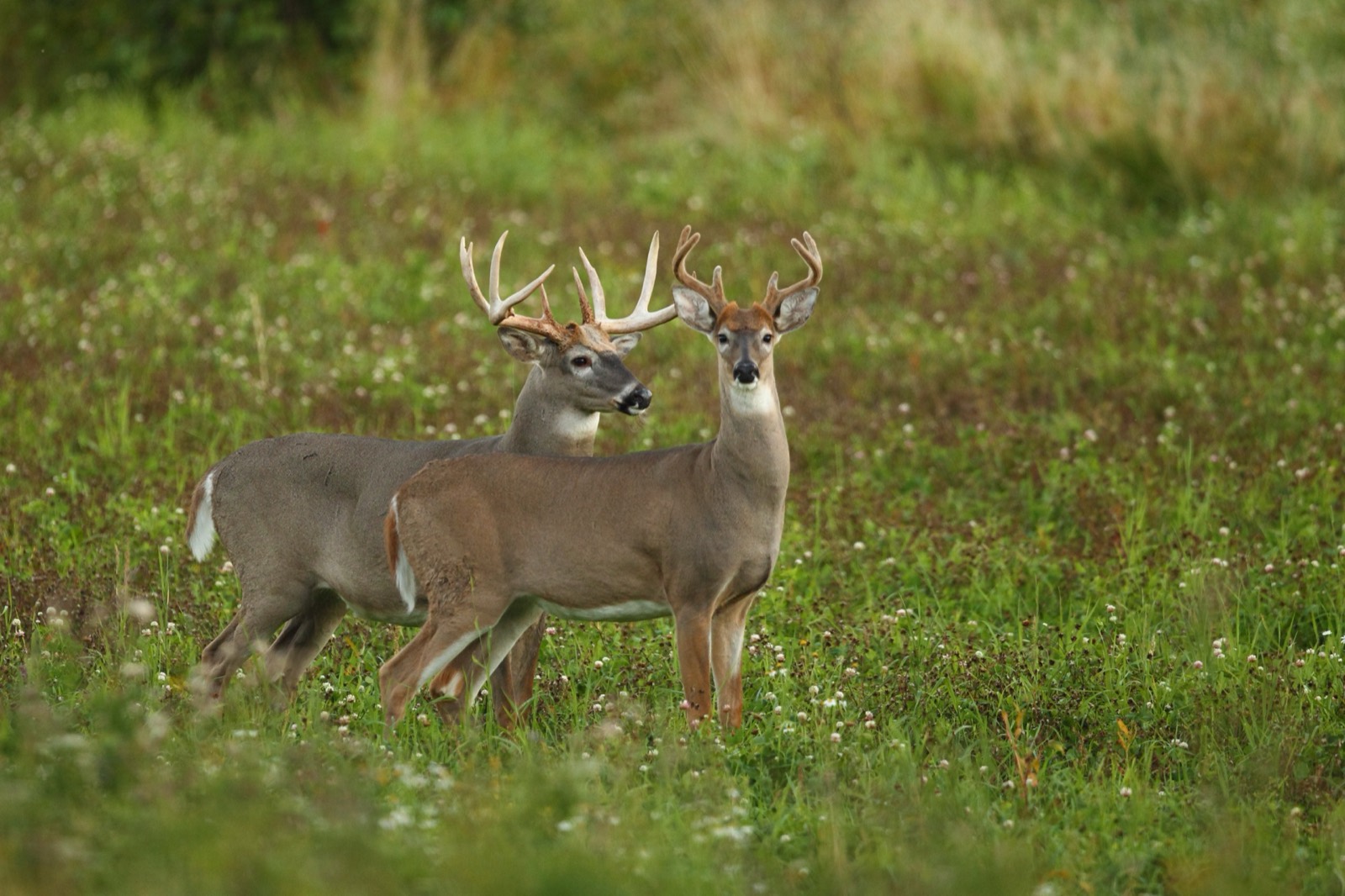
Arkansas’s topography and terrain consist of forested hills, meadows, and some prairie. The majority of the state is covered in forest with oak-hickory trees north of Interstate 40 and pine trees in the south.
The Ouachita Mountains dominate central Arkansas, while the Ozarks occupy most of northwest Arkansas, around the Fayetteville area. South of the Ozarks is the younger Salem Plateau, a mixture of flatter land with many small hills and some large mountains.
Arkansas also contains many caves and hot springs.
Arkansas also has many beautiful physical features and natural habitats. The highest point is Mount Magazine is of the US interior highlands.
The rivers, lakes, and other water sources are an essential part of Arkansas’s hunting opportunities. In addition, hunting in vast open grasslands, forests, hills, and many other places is available to visitors and residents.
The White River also offers good opportunities for hunters across Arkansas. Elk, deer, and more can be found in these areas. In addition, the Buffalo National River provides a hunting area that is both scenic and productive, and many public and commercial lands offer excellent hunting.
The Ouachita National Forest, Ozark National Forest, and many state forests are good locations to find deer, turkey, squirrels, rabbits, raccoons, and more. Hunting opportunities are available for both big game hunters and more casual sportsmen.
Arkansas hunting also includes some of the nation’s best bird hunting. A wide range of migratory birds is available to hunters in the state – waterfowl, doves, quail, crow, and geese.
Arkansas has about 100 wildlife management areas that offer public hunting opportunities on more than one million acres of land throughout the state.
The hunting lands are open to the public for big and small games.
Top Hunting Attractions in Arkansas
Discover the premier wildlife management areas, big game habitats, and renowned wingshooting regions across Arkansas.
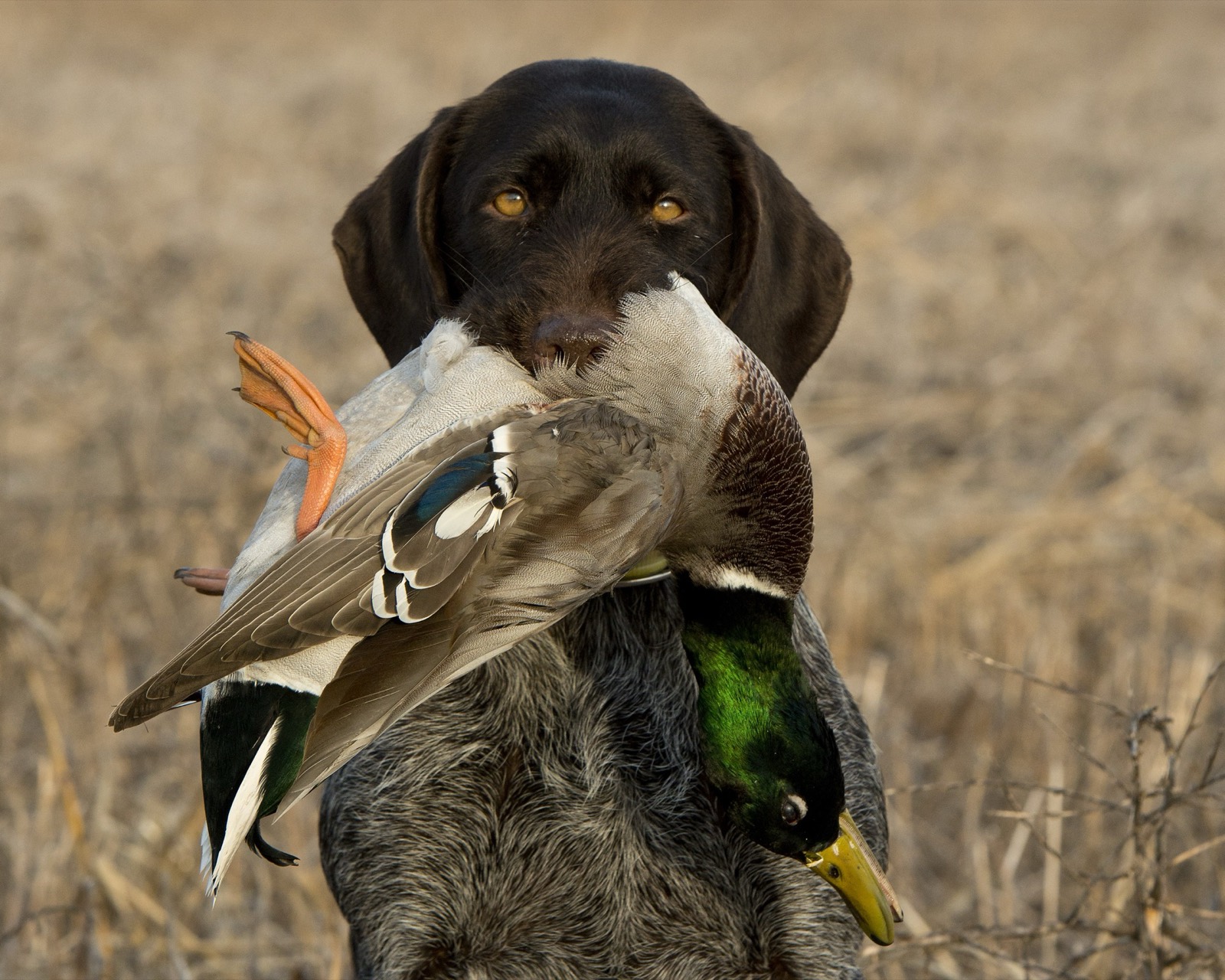
Bayou Meto & Stuttgart Greenhead Capital
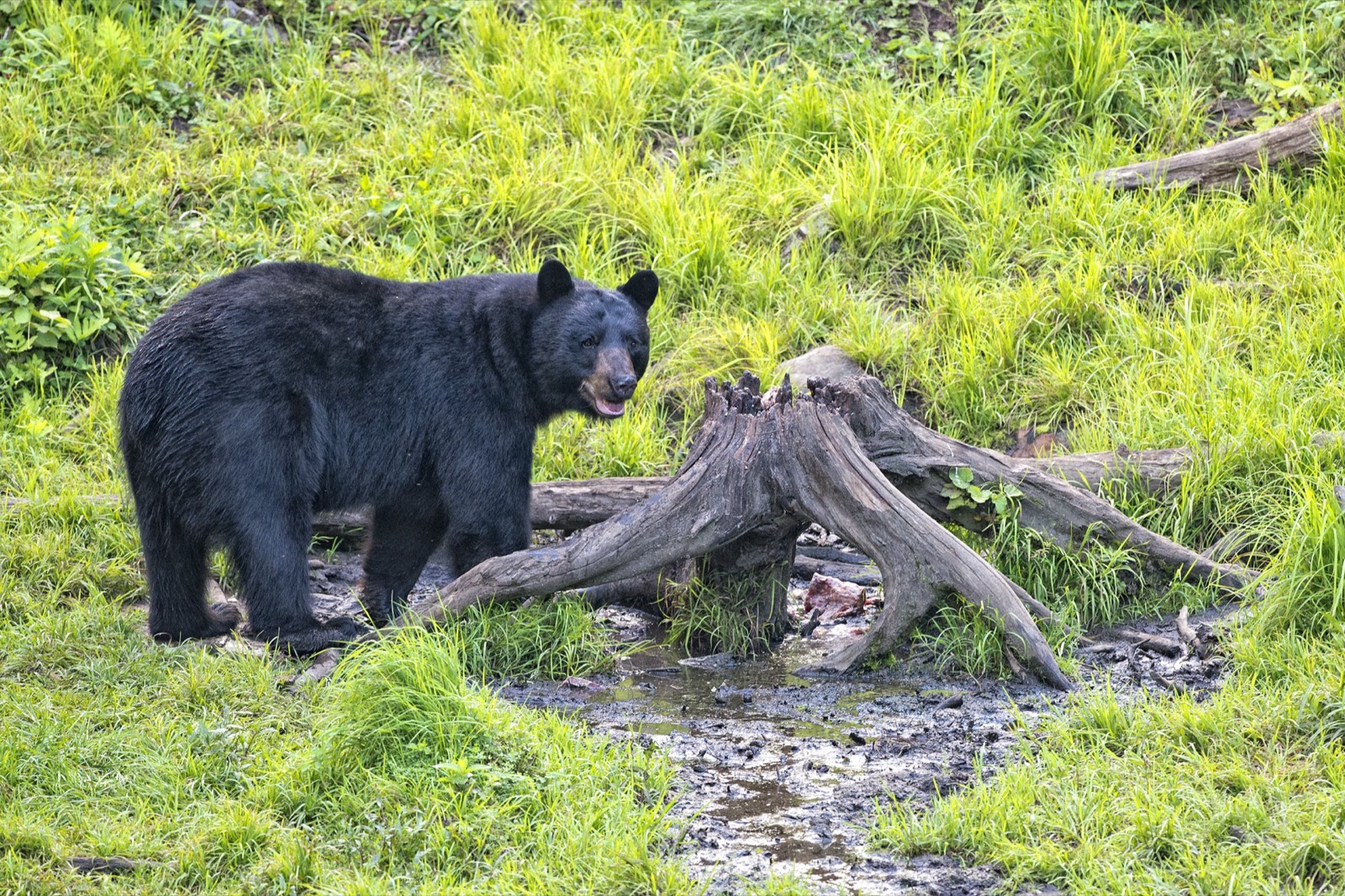
Ozark & Ouachita National Forests
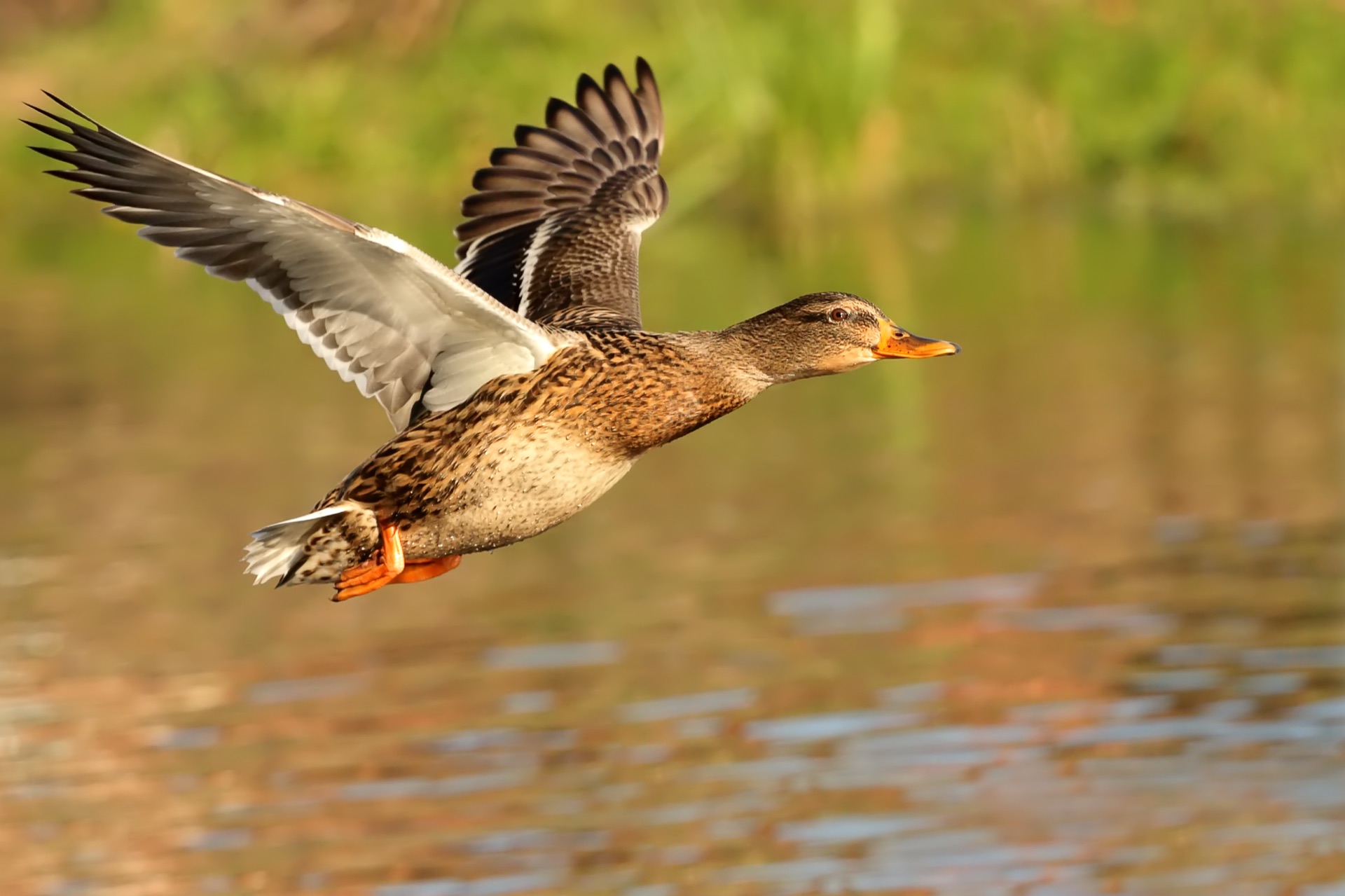
Cache River & White River National Wildlife Refuges
Felsenthal & Dave Donaldson Black River WMAs
Hunting Benefits
Hunter's Bottom Line
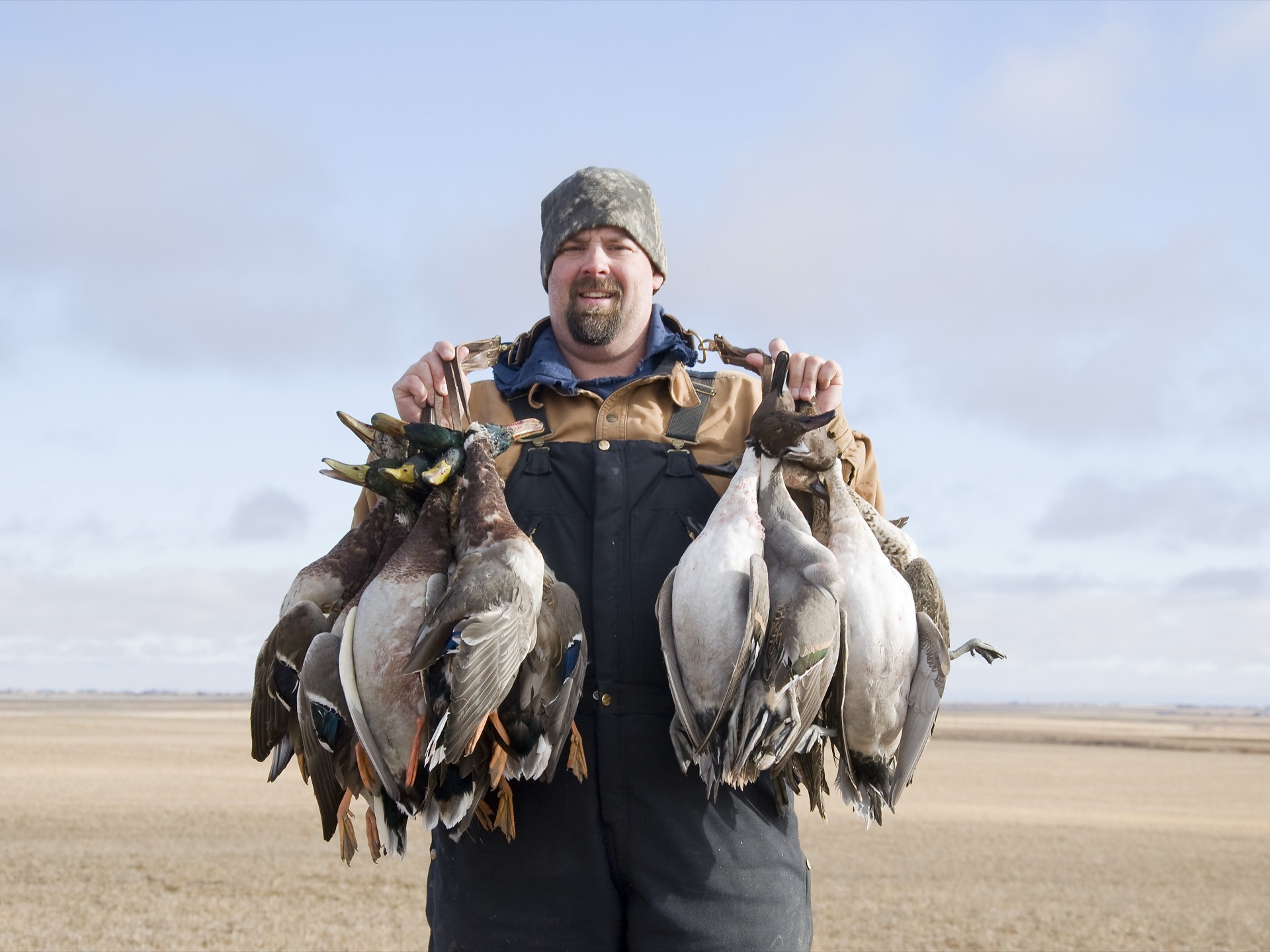
Arkansas is synonymous with flooded timber waterfowl hunting. The Grand Prairie region around Stuttgart and public greentree reservoirs like Bayou Meto represent the sacred cathedral of North American greenhead mallard hunting.
Waterfowl hunters on Arkansas Game and Fish Commission (AGFC) WMAs must adhere to strict regulations including non-resident WMA permit requirements, boat motor horsepower limits, and designated shooting hours that end at noon on public parcels to provide unmolested feeding and resting areas for waterfowl.
Beyond ducks, Arkansas boasts a booming black bear population in the Ozarks and Ouachitas with over-the-counter archery and quota-governed firearm tags, alongside a revitalized elk herd in the Buffalo National River watershed accessible via limited annual public draw.
Whitetail hunting is accessible statewide with generous statewide bag limits and the 3-point antler rule on one side, which has steadily increased mature buck age structure and antler mass across bottomland and mountain zones alike.