Arizona
Desert elk, trophy Coues deer, desert bighorn lottery, and prime late-season archery opportunities.
Big Game Hunting in Arizona
Official Regulatory Body
Arizona Game and Fish Department (AZGFD)
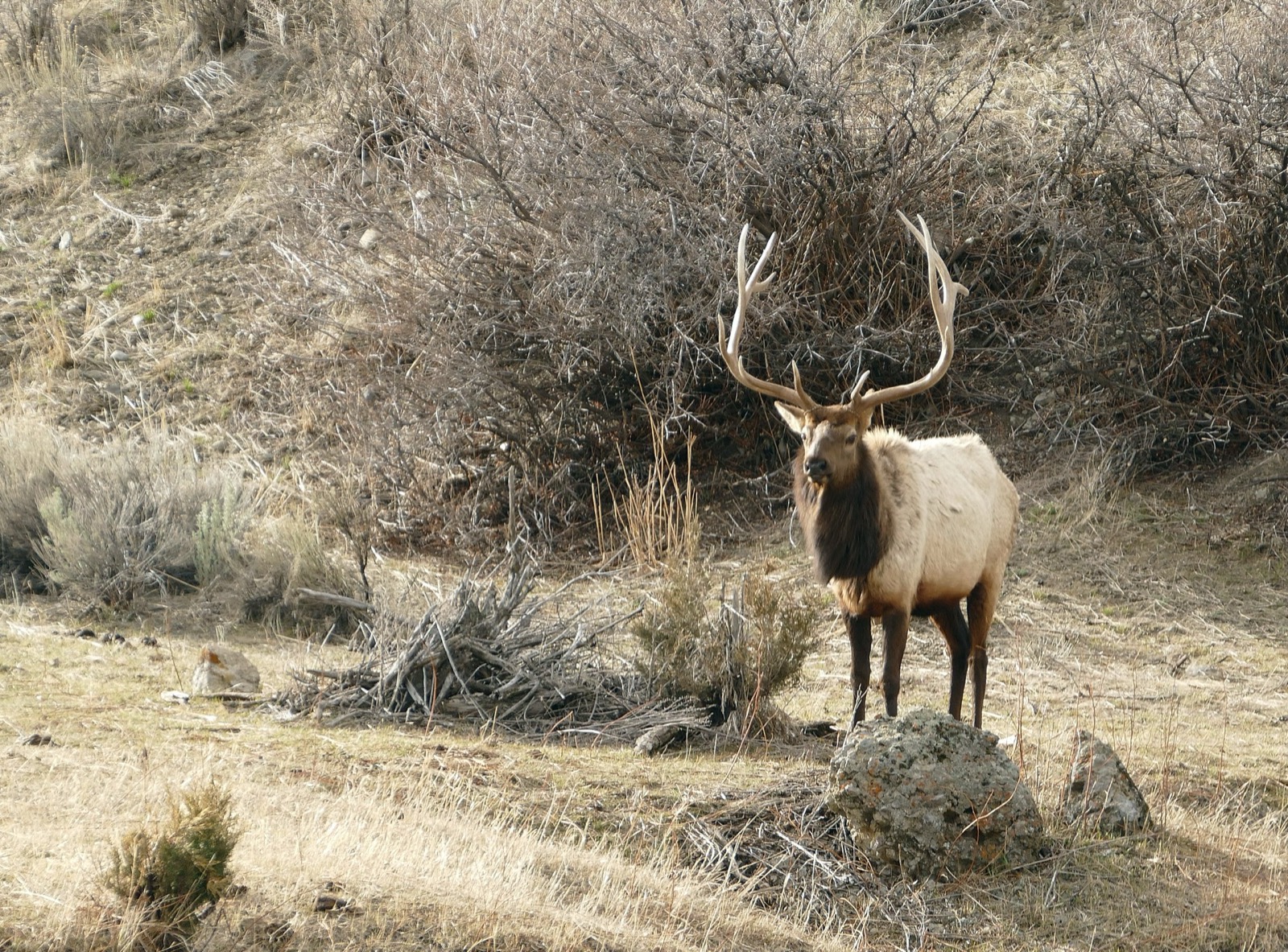
Rocky Mountain Elk
Arizona is widely recognized as the pinnacle trophy elk hunting destination in the world. Units 9, 10, 23, and 27 on the Coconino and Apache-Sitgreaves National Forests consistently produce giant 380-to-420-inch bulls with massive frames, heavy beams, and sky-scraping tines.
Arizona Game and Fish Department (AZGFD) distributes all elk tags via its spring bonus point draw. The September archery season during the peak rut is the ultimate elk hunting experience: screaming bulls charge into calling setups across piñon-juniper canyons and ponderosa pine savannas. Late-season rifle hunts in November and December require glassing high volcanic ridges and sage parks at first light.
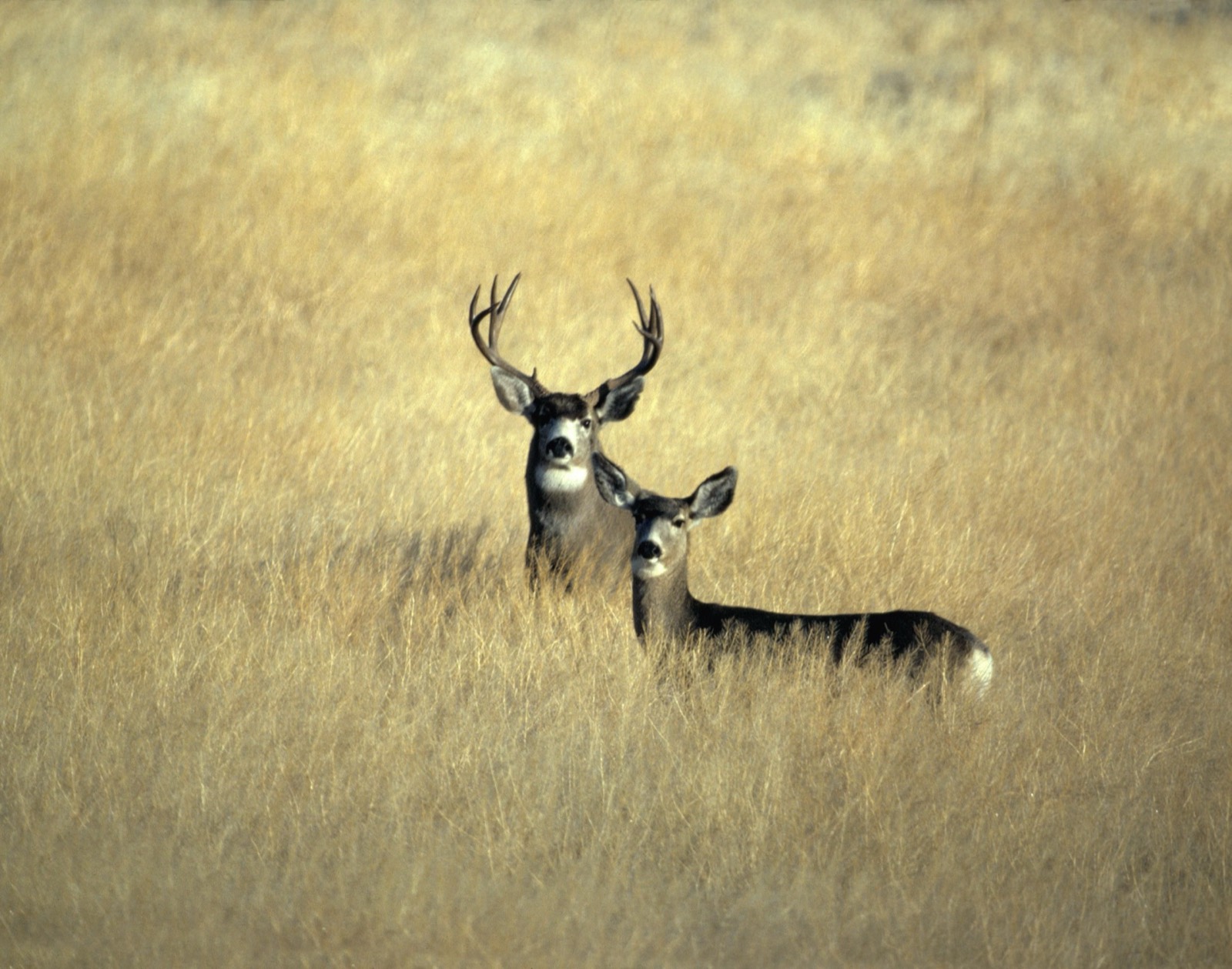
Mule Deer
The northern rim of the Grand Canyon and the high desert of northwestern Arizona hold the holy grail of mule deer hunting: the Kaibab Plateau (Units 12A, 12B) and the legendary Arizona Strip (Units 13A, 13B). These world-renowned units produce giant bucks with spreads exceeding 30 inches and unmatched Boone & Crockett mass.
Tags for the Strip and Kaibab require years of dedicated bonus point accumulation in the AZGFD draw. In addition to these premier draw hunts, Arizona offers over-the-counter non-permit archery tags in August and January across southern and central desert units, providing accessible opportunities to stalk giant bucks in open cactus flats during the winter rut.
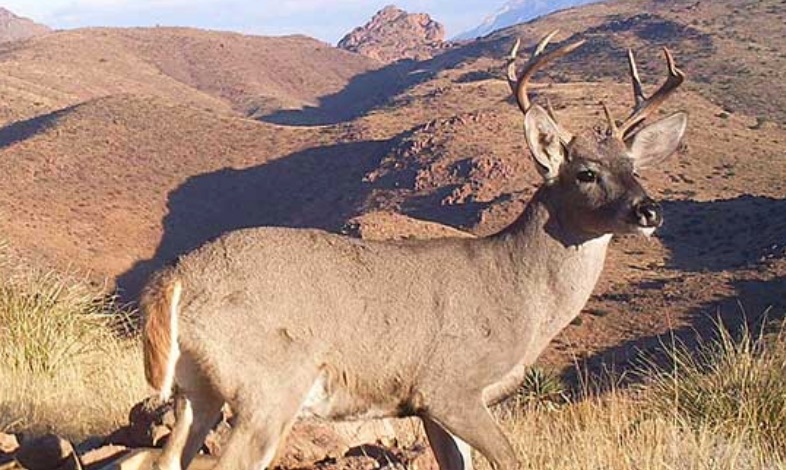
Coues Whitetail Deer
Arizona is the world epicenter of Coues whitetail deer hunting. These skittish, grey-coated deer occupy the Madrean sky island mountain ranges of southern Arizona, including the Santa Ritas, Huachucas, Chiricahuas, and Galiuros.
AZGFD offers October, November, and coveted late December rifle seasons, as well as over-the-counter archery tags in August and January. Hunting Coues deer in Arizona is an art form: hunters sit on high glassing knolls for hours with high-end tripod-mounted binoculars (15x56 or twin spotting scopes), scanning scrub oak and manzanita slopes for the twitch of an ear or the white flash of a tail.
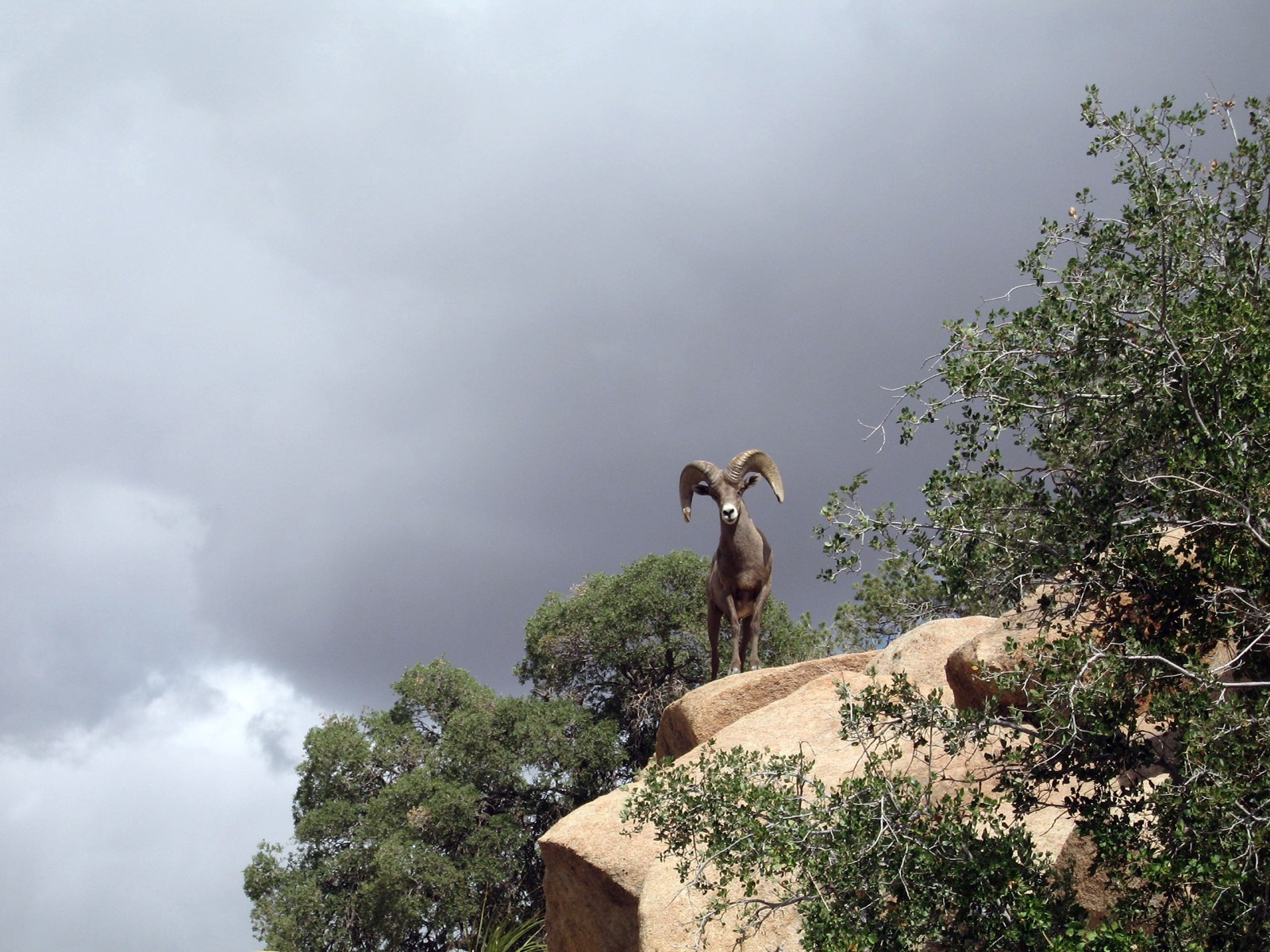
Desert Bighorn Sheep
Arizona's Sonoran and Mojave desert mountain ranges harbor prestigious herds of Desert Bighorn Sheep. Rams navigate razor-sharp basalt ridges, saguaro-studded canyon walls, and rugged desert peaks overlooking the Colorado River and Grand Canyon.
Premier units include the Kofa National Wildlife Refuge, Black Mountains, and the canyon rims of Units 15D and 22. All sheep licenses are issued via the highly competitive AZGFD bonus point draw. Successful applicants embark on extensive multi-week scouting expeditions, setting up mobile base camps and glassing sheer desert peaks from sunrise to sunset.
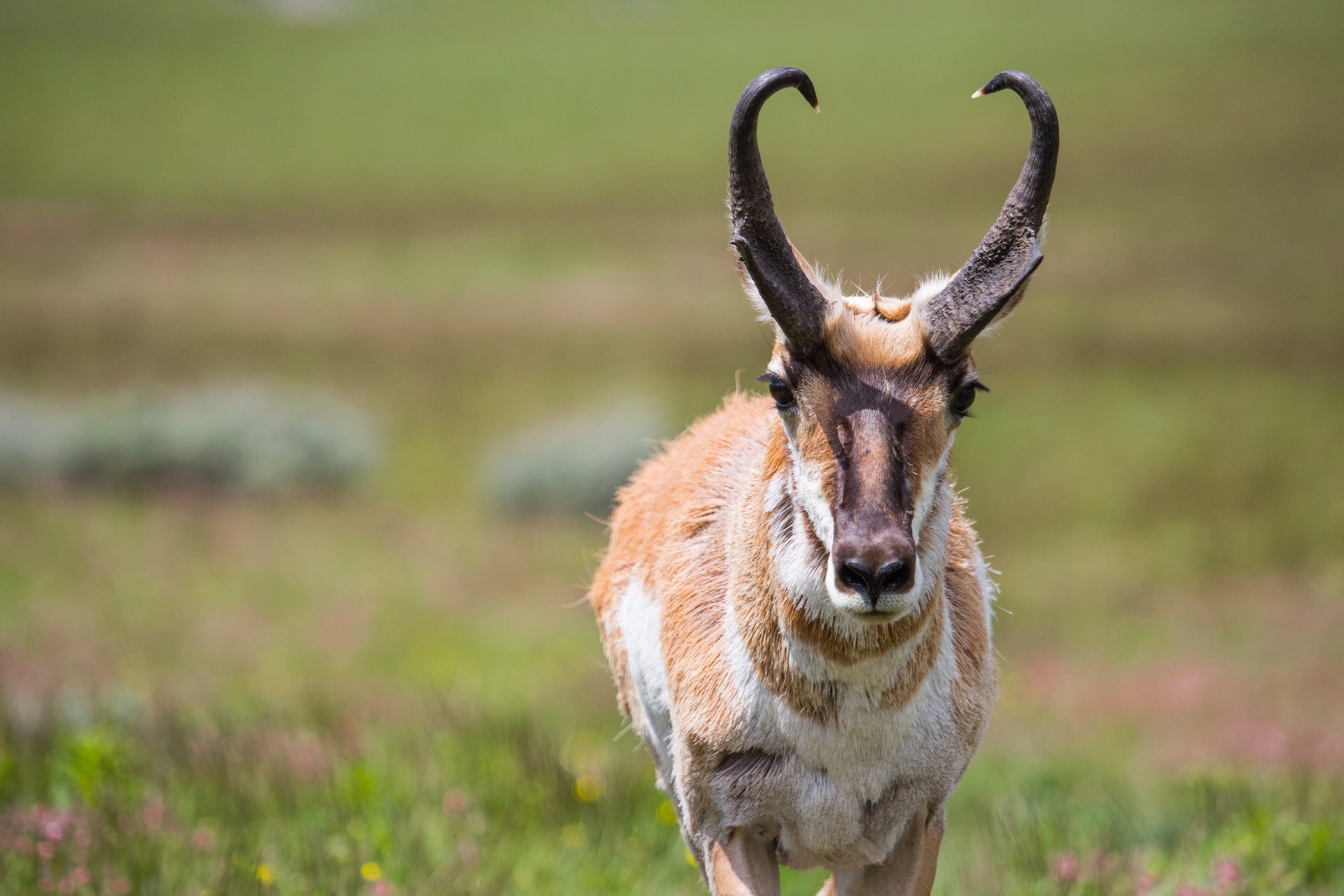
Pronghorn Antelope
Arizona boasts the highest average horn length and mass of any pronghorn state in North America, holding multiple Boone & Crockett world-record entries. Arizona bucks develop towering horns with massive prongs and heavy bases exceeding 7 to 8 inches in circumference.
Top trophy units include the grasslands of Unit 10, the Garland Prairie, and the Sonoita grasslands of the south. AZGFD distributes very few tags per unit to protect mature age-class structure and maximize horn growth. With low tag numbers and expansive public terrain, hunters enjoy pristine, low-pressure spot-and-stalk hunting across northern pinon grasslands.
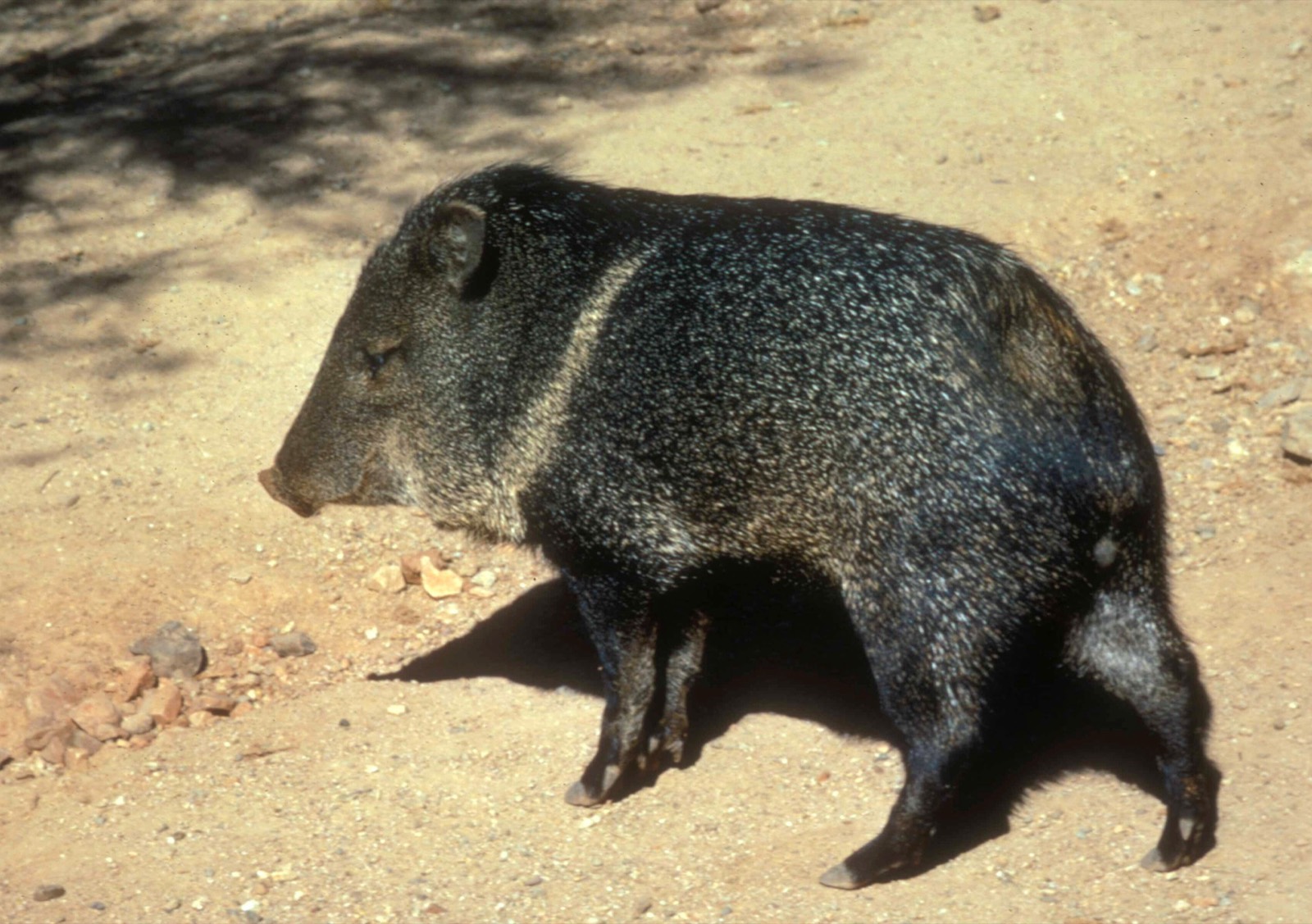
Javelina (Collared Peccary)
The collared peccary—or javelina—is a quintessential southwestern big game species roaming the desert washes, prickly pear flats, and rocky foothills of southern and central Arizona. Traveling in tight family groups called squadrons, javelina provide fast-paced, high-action hunting.
AZGFD hosts dedicated seasons including January archery, February handgun/archery/muzzleloader (HAM), and late February general rifle seasons. Javelina possess poor eyesight but keen sense of smell. Spotting a squadron feeding on prickly pear cactus pads and executing a downwind stalk with bow or revolver is one of the most exciting winter hunts in the United States.
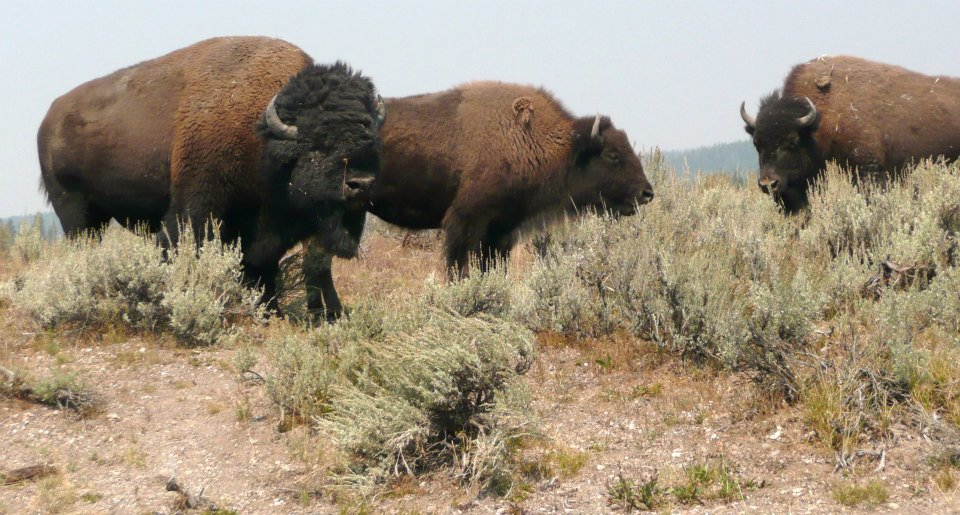
American Bison
Arizona offers rare wild bison draw hunts on public wildlife areas managed cooperatively by AZGFD. The state maintains two prominent herds: the House Rock Valley herd on the Kaibab Plateau and the Raymond Wildlife Area herd near Flagstaff.
Licenses are allocated via the state draw and require careful logistical planning. Hunters pursue free-ranging bison across desert scrub, sage basins, and pinion-juniper foothills. Heavy calibers, heavy bonded bullets, and field butchering teams are mandatory to process and pack out these massive animals.
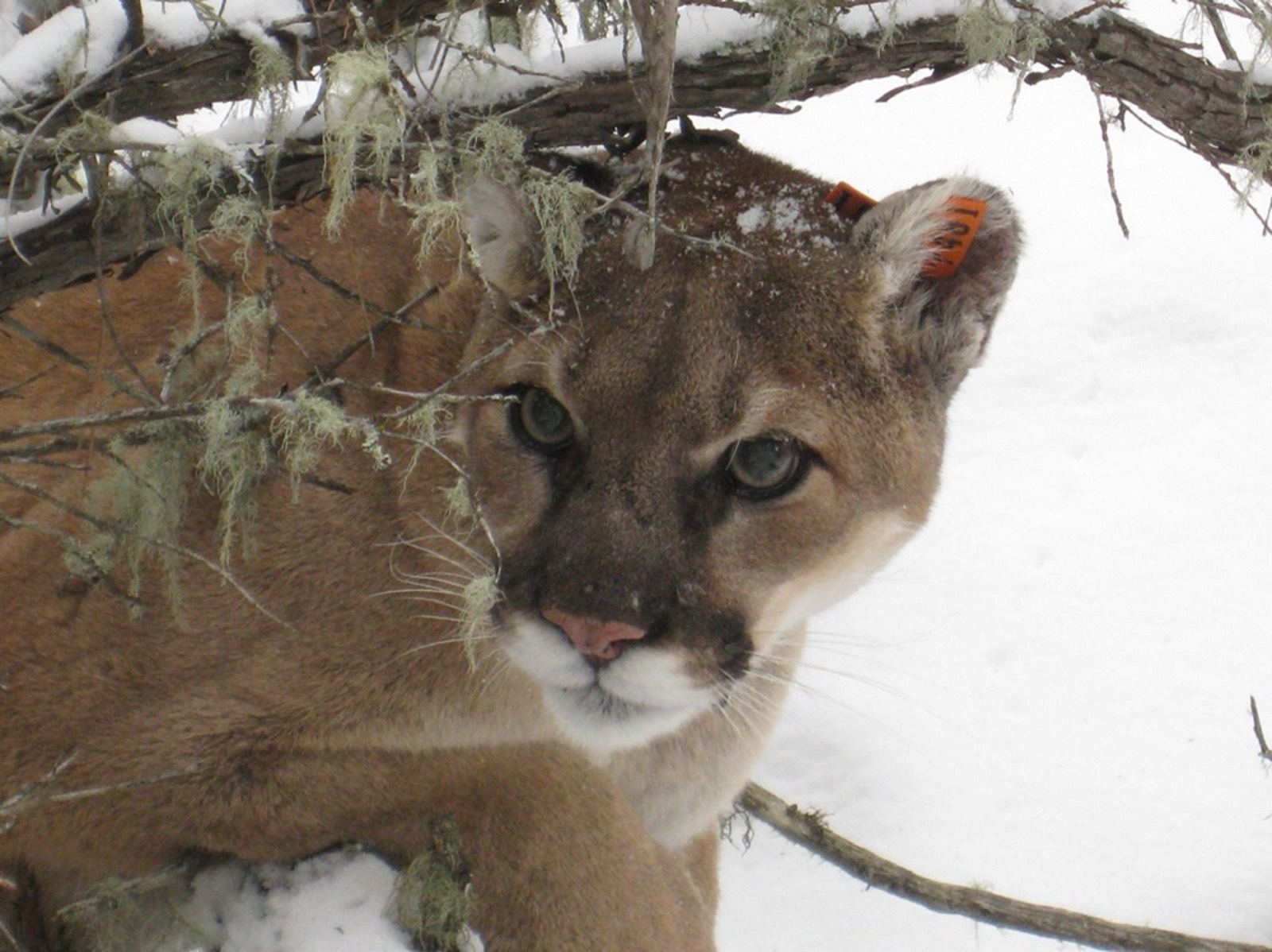
Mountain Lion
Arizona supports an abundant mountain lion population across its rugged canyonlands, Mogollon Rim, and desert mountain ranges. AZGFD manages lions through over-the-counter tags regulated by zone harvest thresholds.
Hunting with experienced houndsmen is the primary method, trailing lions across rocky desert mesas, red rock canyons, and snow-covered high country. Spot-and-stalk and predator calling opportunities also exist during predator calling contests and winter seasons.