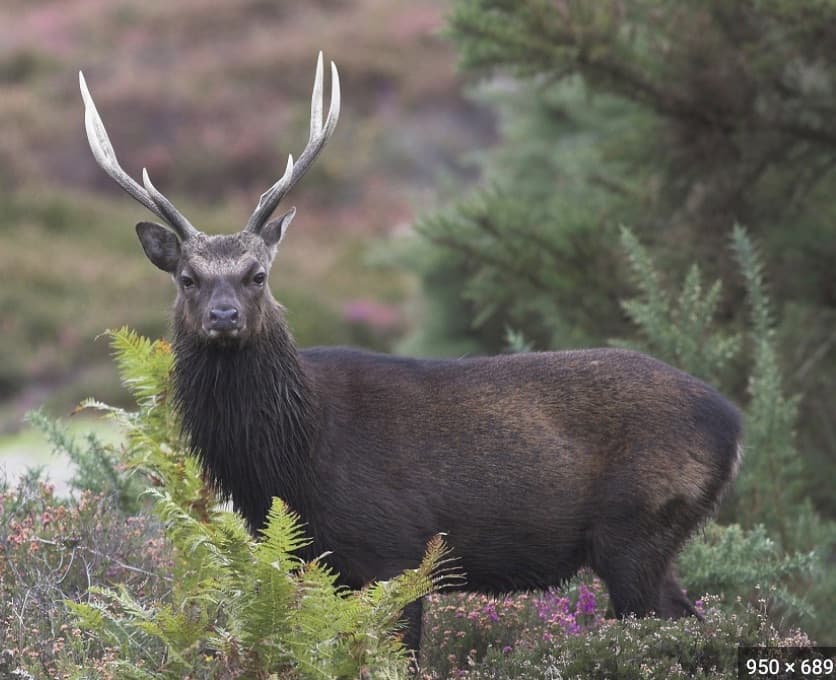
Sika Deer
Definitive Hunting Guide, Seasonal Habitat & Field Tactics
Overview & Habitat
Originally native to East Asia, free-ranging sika deer thrive in the tidal phragmites marshes, loblolly pine islands, and brackish wetlands of Maryland's Dorchester County (Blackwater and Fishing Bay WMAs), Virginia's Chincoteague Island, and Texas.
Across prime North American management units—including key public land corridors in Maryland, Virginia, Texas—Sika Deer populations respond directly to seasonal forage shifts, barometric pressure transitions, and hunting pressure around trailhead access points. Early-season hunters typically encounter Sika Deer near high-protein green forage, water sources, and shaded thermal cover, while mid-to-late autumn weather pushes animals toward transition corridors, security benches, and high-calorie winter range.
Context & Tactics
Primary Hunting Strategy
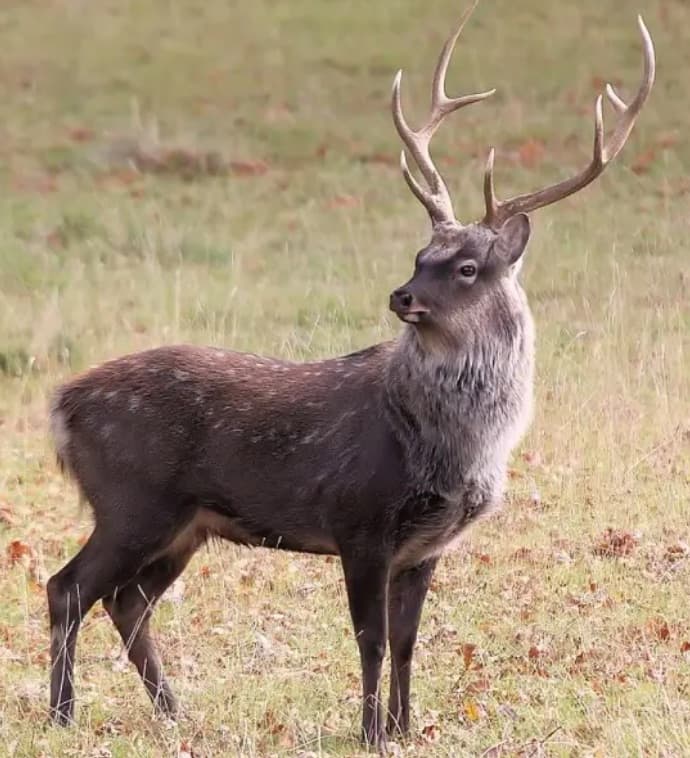
Hunt elevated tripod or tree stands along marsh-to-pine travel corridors during the October bugling rut, using high-pitched two- and three-note sika bugles and doe mews to draw dark-coated stags through chest-high marsh grass.
Pre-season digital scouting with topographic overlays, burn-scar maps, and water-source layers allows hunters to mark primary glassing knobs and ambush funnels before stepping into the unit. Once in the field, let morning thermals stabilize before dropping into bedding basins, and focus evening sits along downwind staging transitions where Sika Deer move during the final 45 minutes of shooting light.
Optics, Weapons & Setup
Pair HD 10x42 or 12x50 binoculars on a lightweight carbon tripod with a reliable laser rangefinder compensated for steep angle shots. Verify weapon zero and ballistic drop tables at field elevation and ambient temperature prior to opening morning, selecting controlled-expansion projectiles or razor-sharp fixed-blade broadheads suited for Sika Deer anatomy.
Tag Draws, Regulations & Field Care
Always verify current state wildlife agency season dates, legal weapon restrictions, mandatory hunter orange rules, and harvest reporting requirements before hunting Sika Deer. Carry breathable game bags, a replaceable-blade caping knife, and paracord to cool quarters rapidly in the shade and preserve cape and table quality immediately after recovery.
Seasonal Windows, Weather Fronts & Calling Discipline
Successful Sika Deer hunters adapt their daily cadence to temperature swings, moon phase, and vocalization cycles across Maryland, Virginia, and Texas. During warm early-season openers, prioritize first-light glassing of north-facing timber edges and midday water or shaded bedding sanctuaries. When cold fronts drop overnight lows by 15 degrees or more, extend midday glassing and stand sessions along leeward ridges, saddles, and high-calorie feeding corridors where Sika Deer feed actively ahead of incoming precipitation. Whether hunting DIY public Wildlife Management Areas or booking a vetted backcountry guide, disciplined scent control, quiet boot approaches, and patient tripod glassing consistently separate filled tags from unpunched licenses.
Before departing for your unit, download offline topographic, public-private boundary, and historical wildfire burn layers to identify secondary escape basins if primary trailheads experience weekend pressure. Pack a dedicated kill kit with breathable cotton or synthetic game bags, nitrile gloves, flagging tape, a backup headlamp, and an emergency satellite communicator so you can bone out or quarter your Sika Deer harvest efficiently and pack meat to camp in a single well-balanced load.
Sika Deer Hunting FAQ
What are the best states to hunt Sika Deer?
Prime North American destinations with established populations and managed hunting opportunities for Sika Deer include Maryland, Virginia, and Texas. Always verify unit-specific season dates, draw deadlines, and Over-The-Counter (OTC) license rules with the state wildlife agency.
What field tactics work best for hunting Sika Deer?
Hunt elevated tripod or tree stands along marsh-to-pine travel corridors during the October bugling rut, using high-pitched two- and three-note sika bugles and doe mews to draw dark-coated stags through chest-high marsh grass. Combine pre-season topographic scouting with disciplined wind management and glassing of dawn and dusk feeding transitions.