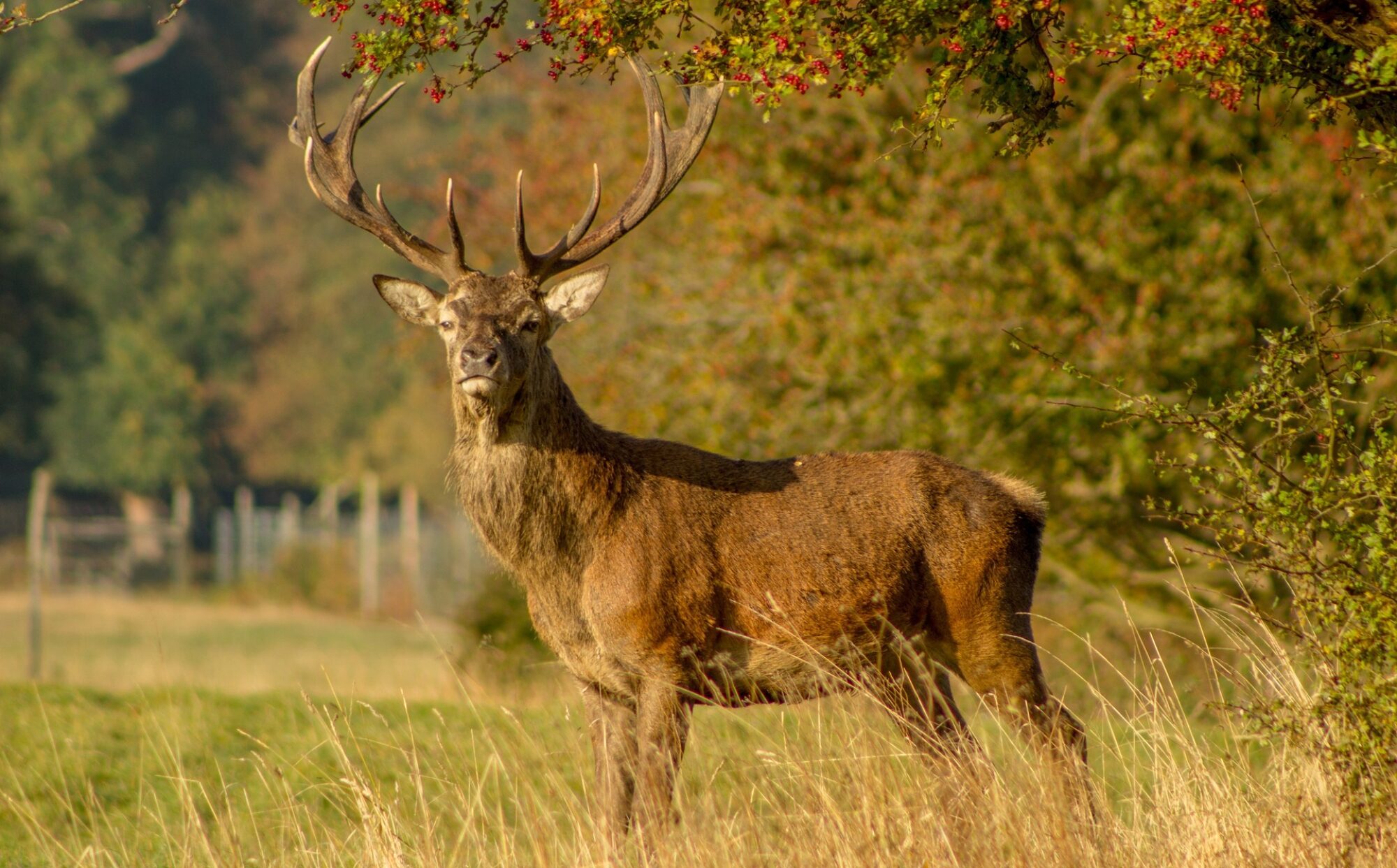
Arizona Offers Everything for the Hunter
The geography of Arizona is diverse, encompassing several different regions. Arizona’s landforms and climate are most similar to the Deep South of the United States, excluding Arizona’s signature western desert. The state has a diverse landscape, including mountain ranges like the Santa Catalina Mountains and high mesas like the Sonoran Desert and Colorado Plateau regions. Arizona is a land of rugged and incredible terrain.
The topography of Arizona state can be split into two distinct parts: the Colorado Plateau and the Basin and Range Province. The Colorado Plateau refers to that part of Arizona state within the high desert and mountain regions and has a general elevation that exceeds 3,000 feet. It is characterized by the many river canyons that it contains. The Basin and Range Province refers to that part of Arizona state, which lies in the low desert and woodlands regions and is characterized by its high surface water.
Arizona is a land of opportunity for hunters and outdoor enthusiasts. There are numerous opportunities for hunting, fishing, camping, and other activities in Arizona. White-tailed deer have been overpopulating in the state recently, so there are opportunities for those interested in hunting them as well. Cougars can be hunted throughout the year by those with a license. Small games such as rabbits and squirrels also abound if you are looking for something a little easier to hunt. The Catalina Mountains offer abundant small game such as rabbits and quail, while the White Mountains also provide good deer hunting opportunities. The main game animals in the state are deer, turkey, bear, and javelina. The state also offers excellent big game hunting opportunities throughout the year, including an outstanding elk hunt. In addition, the desert lands of Arizona provide good hunting opportunities for varmint games such as coyotes and badgers, where there are also excellent small game hunting opportunities.
Big Game Hunting
Arizona has an excellent big game population. Elk are abundant in the White Mountains region of eastern Arizona. Coues deer can be found in southeast Arizona’s mountain regions and Sonora Desert uplands between Casa Grande Valley in the south to Glen Canyon in the north. A black bear is common in Arizona’s bay area. Desert Bighorn sheep is another animal that can be found throughout the state. However, they have been traditionally more abundant on the mountain ranges from Prescott to Flagstaff and on the Sierra Ancha Mountain range. Arizona also has two subspecies of deer, the white-tailed deer, and the Mule Deer.
The Arizona Game and Fish Department (AZGFD) set forth the Arizona hunting rules and regulations. In addition, the AZGFD has created different big game permits for hunters who want to harvest specific species.
Suppose you consider hunting a bear, mountain lion or turkey, or any other big game, you must possess a valid hunting or combination license and the particular big game tag. In addition, to hunt big game in any season, you must apply for and obtain a hunt permit tag through the draw.
In addition to big game permits, hunters must have a weapon appropriate for the animal being hunted. A rifle is typically used when hunting deer and javelina in Arizona. A hunter may utilize a bow and arrow with a valid Bow Hunting License for hunting bears, mountain lions, or turkeys.
The state is home to some truly unique games, including the elusive mountain lion. Hunting for this big game requires a special license and big game hunting weapons that meet regulations for greater safety.
Hunters must meet certain eligibility requirements to even apply for these licenses.
No one under the age of 14 may hunt big games without completing a Hunter Education Course. No one under age ten can hunt big game in Arizona. To hunt big game, anyone 10 to 13 years of age must possess a valid combination hunt and fish license, a valid Hunter Education Course completion card, plus any required permit tags or non-permit tags
Big Game Hunting Weapons
Hunting weapons allow a skilled hunter with the proper training to successfully bring down big game like bear, deer, and elk. When using these types of firearms, the goal is to hit the target directly and quickly so that it does not have time to run away, which can be especially difficult in the case of animals like elk, who may be up to 500 pounds.
The following are legal hunting weapons in Arizona.
- Centerfire rifles;
- Muzzleloading rifles;
- All other rifles using black powder or synthetic black powder;
- Centerfire handguns;
- Muzzleloading handguns;
- Shotguns shooting slugs or shot;
- Pre-charged pneumatic weapons .35 caliber or larger;
- Pre-charged pneumatic weapons using arrows or bolts with broadheads no less than 7/8 inch in width with metal, ceramic-coated metal, or ceramic cutting edges and capable of firing a minimum of 250 feet per second;
- Bows with a standard pull of 30 or more pounds, using arrows with broadheads no less than 7/8 inch in width with metal, ceramic-coated metal, or ceramic cutting edges;
- Crossbows with a minimum draw weight of 125 pounds, using bolts with a minimum length of 16 inches and broadheads no less than 7/8 inch in width with metal, ceramic-coated metal, or ceramic cutting edges or bows.
Small Game Hunting
Small Game Hunting in Arizona is a unique and exciting aspect of Arizona wildlife to appreciate and enjoy by outdoor enthusiasts. If you want to see some of Arizona’s most beautiful and remote landscapes, you should go hunting for small game. There are many different opportunities to do this, so you can find the best way to enjoy the experience.
For small game hunting, hunters under age ten must either have a valid hunting or combination license or be accompanied by an adult who possesses a valid hunting or combination license. For hunters ten years and older, any valid hunting or combination license. To hunt in a Falconry-Only season, a Sport Falconry License is required.
All hunters are encouraged to wear blaze orange in all hunting situations except spring turkey season.
Also, to remember Arizona’s safe hunter’s slogan: Tab plus one (T.A.B. +1):
T – Treat every gun as if it is loaded
A- Always keep your muzzle pointed in a safe direction
B- Be sure of your target and beyond;
+1 – Keep your finger outside the trigger guard until ready to shoot.
Small game includes band-tailed pigeon, dusky grouse, cottontail rabbit, dove, pheasant, quail, sandhill crane, tree squirrel, chukar.
Rabbits also have three species that are considered small game in Arizona: the desert cottontail, eastern cottontail ,and the mountain rabbit. The former lives all over Arizona, while the latter is found in higher elevations, such as mountainous regions or canyons. They are found in elevations above 7000 feet.
Quails are small to medium-sized birds that include several species of doves. Despite this, they are hunted similarly to rabbits. The Gambel’s quail lives throughout the state, while the scaled quail are found in southern Arizona.
Small Game Hunting Weapons
Hunters cannot use Centerfire Rifle, Centerfire Handgun, Muzzleloading Rifle, other Rifle shooting Black Powder or Synthetic Black Powder, Black Powder Handgun, Shotgun shooting Slugs, 5 millimeter or .22 Magnum Rimfire and .17 Magnum and .22 Rimfire to take Blue Grouse, Chukar Partridge, pheasant and quail because they are very powerful and can cause much more damage to the target animal.
The following legal weapons to hunt small game animals in Arizona
- Firearms
- Bow and arrow
- Crossbow
- Pneumatic weapons
- Slingshots
- Hand-held projectiles
- Falconry
Native Species
Arizona is home to a number of native game species that are protected by both federal and state law.
- Pronghorn found primarily in the Northern Plains inhabit high elevation meadows between forested areas, semidesert grasslands. Scattered herds are also found in southeastern Arizona’s grasslands.
The endangered Sonoran pronghorn is located in Mexico and southwestern Arizona. Adult male pronghorn weigh between 90 to 120 lbs, and Females are about 20 lbs.
- Bighorn sheep are found in the desert mountain ledges and grassy basins of the desert ranges of southern and western Arizona.
- Bison are found on the Raymond and House Rock Wildlife Areas and the North Kaibab Plateau, the habitat grasslands of northern Arizona.
- Black bear is found in moist woodland habitats, including pinyon-juniper, oak woodland, coniferous forest, and chaparral.
- Elk are found in Northern Arizona.
- Javelina inhabits the desert, chaparral, and oak grasslands south of Mogollon Rim. Adult javelina generally weighs 35 to 60 lbs, the male being slightly heavier than the
female.
- Mountain Lion is found throughout Arizona. Their habitat includes desert and forested mountains with broken terrain and steep slopes.
- Deer are the most numerous, widespread, and famous of Arizona’s big-game animals. The state has two distinct species, the mule deer and the white-tailed deer.
The most abundant deer in Arizona is the Rocky Mountain mule deer having an average weight of 125 pounds with males weighing more than females. Mule deer are not limited to any terrain, being found from sparse, low deserts to high forested mountains.
- Coues Deer is a subspecies of the white-tailed deer commonly found in Arizona’s southeastern mountains but ranges up to the Mogollon Rim and the White Mountains.
They prefer woodlands of chaparral, oak, and pine. The average male weighs about 125lbs, and the female weighs about 80 lbs.
- Turkey is abundant in Arizona where there are three subspecies of: Gould’s, Merriams, and the Rio Grande.
Wild turkeys are found in ponderosa pine forest and other vegetation types in elevations ranging from 3,500 to 10,000 feet. However, the best populations of Merriam’s occur in the ponderosa pine forests north of the Gila River. In addition, the Goulds occupy the sky island habitats in southeastern Arizona.
- Band-tailed pigeons being migratory birds, are only present in Arizona from late March through mid-October. They nest in mixed conifer forests, ponderosa pine forests, mixed coniferous forests, or in dense stands of evergreen oaks and pines between 4,500- and 9,100-feet elevation.
- Dusky grouse, named after the male’s bluish-gray appearance, is found in the mixed conifer and aspen forests above 8,500 feet. Consequently, these birds are only found in the White, Blue, Escudilla, Chuska, and Buckskin (North Kaibab) mountains.
- Cottontail rabbit, Three species inhabit Arizona: the mountain cottontail, eastern cottontail, and desert cottontail.
Short-eared Mountain cottontail is primarily restricted to elevations above 7,500 feet from the Mogollon Rim northward.
The eastern cottontail (28-52 ounces) is found in the southeastern and central Arizona mountains. However, the most abundant and important rabbit by far is the desert cottontail weighing 26.5-44 ounces.
They are found in every county in the state up to elevations exceeding 7,000 feet.
- Pheasants are primarily confined to agricultural areas with relatively high humidity like citrus orchards in the Yuma and Mesa areas or high enough elevation to escape the desiccating heat of Sonoran Desert summers like the Virgin River and Verde River valleys.
- The Gambel’s quail is found throughout the Sonoran, and Mojave deserts upward in elevation through semi desert grassland and chaparral to the edges of pinyon-juniper woodland and pine forest.
The Scaled quail is found in semi desert grasslands and the Chihuahuan desert, preferring open plains and foothills.
The Mearns’ quail prefers oak woodlands and oak savannas in the south-eastern portions of the state.
Public Lands
Wildlife Areas are land with unique topographic and vegetative characteristics that contribute to wildlife.
Wildlife Areas are established to:
- Provide protective measures for wildlife, habitat, or both
- Allow for hunting, fishing, and other recreational activities compatible with wildlife habitat conservation and education.
- Enhance wildlife and habitat conservation.
The Arizona Game and Fish Department hold the right to restrict public access to and public use of wildlife areas and the resources of wildlife areas for up to 90 days if and when necessary to protect property, ensure public safety, or ensure maximum benefits to wildlife.
- Allen Severson Wildlife Area is located 4.5 miles north of Show Low in Navajo County. It offers recreational opportunities like hunting and wildlife viewing and promotes environmental education.
Big Game found in the area include elk, mule deer, and pronghorn. The uplands are primarily composed of pinyon-juniper woodland and paper-spined cactus.
Many species of waterfowl are found, with several hundred seen in the area during the spring migration period.
- Bog Hole Wildlife Area is a popular site for many outdoor activities like hunting, bird watching, hiking, photography, sightseeing, and picnicking.
About half of the area’s visitors come to hunt, while the rest enjoy other activities.
The lush wetland plants and trees offer a fantastic place to relax in the open grasslands in the surrounding area.
The Wildlife area provides excellent habitat for waterfowl and other nesting residents, migrating birds, and a variety of game and nongame wildlife species. White-tailed deer, great blue heron, bobcat, and Sonoran tiger salamander are some of the animals observed in and around the wildlife area.
Hunters have to abide by certain rules
- No open fires
- No firewood cutting or gathering
- No Overnight public camping
- Motorized vehicle travel permitted on designated roads, on designated trails, or in designated areas
- The Area is open to hunting in season.
- Chevelon Canyon Wildlife Area consists of five units totaling 157.95 acres and is located 25-50 miles south of Winslow, in Sitgreaves National Forest, Coconino County. The area provides foraging areas for mule deer, elk, turkey, roosting, loafing, brood habitat for turkey, and calving and fawning areas for elk and mule deer, offering hunting opportunities. In addition, Abert’s squirrel and numerous other small game and nongame species inhabit the area.
- Cluff Ranch Wildlife Area is 788 acres wide, consisting of a ten-acre fishing pond, riparian stream, agricultural fields managed for wildlife, and desert scrub community.
Plentiful big and small game species are found like whitetail and mule deer, javelina, coati, badger, jackrabbit, skunk, fox, bobcats, coyote, and raccoon.
- The Quigley-Achee Wildlife Area, also known as Quigley Ponds or Tacna Marsh, is a vital wetland along the Gila River.
The wildlife area provides wildlife viewing and wildlife education opportunities. It offers decent small game hunting and migratory bird hunting opportunities.
- Sunflower Flat Wildlife Area is 160 acres of land with approximately 120 acres within an ephemeral wetland in an ancient lake bed.
The wildlife area is located on the Kaibab National Forest, about 15 miles southeast of Williams, Arizona. Ponderosa pines cover the area up-slope and provide wildlife habitat for Elk, mule deer, black bear, pronghorn antelope, Abert’s squirrel, coyote, grey fox, bobcat, skunk, and raccoon.
- The Powers Butte Wildlife Area encompasses 1120 acres in Maricopa County. It lies along the east side of the Gila River, about 20 miles north of Gila Bend.
If you are looking for bird-watching with family or dove hunting with friends, Powers Butte Wildlife Area is the place to go.
This wildlife area offers recreational activities for the outdoor enthusiast, including hiking, bird-watching, hunting, and fishing. In addition, the wildlife attracted to these habitats provides excellent hunting on Gambel’s quail and cottontail rabbits.
- Robbins Butte Wildlife Area is 1681 acres managed by the Arizona Game and Fish Department.
It is enclosed on the north and south of the remnants of the Gila River. The area is open to all hunting in season.
The discharge of centerfire rifled firearms is prohibited. Robbins Butte offers many hunting opportunities, including javelina, mule deer, dove, rabbit, and quail.
The largest youth opportunity that provides a mentored experience for youth hunters.
Regulatory Agency
The Arizona Game and Fish Department is a state agency headquartered in Phoenix that protects and manages Arizona’s diverse wildlife resources and habitats through conservation, enhancement, and restoration programs.
Arizona Game and Fish Department Arizona Game and Fish Department is a state agency that manages wildlife, state lands, and state parks for the State of Arizona.
They work to ensure lands are clean and safe by protecting native plants and animals from invasive species, maintaining healthy wildlife populations that support sustainable hunting opportunities, combating aquatic invaders through outreach education to boaters, anglers, hunters, and the general public.
The Department does not receive tax funding. Instead, the revenue is generated by issuing licenses, tags, and stamps to hunters and anglers.
These hunters and anglers also pay excise taxes on hunting and fishing gear, which goes towards conserving wildlife. This benefits both game and nongame species, as well as their habitats.
Arizona Game and Fish Department also manage thousands of hunters each year with hunter licenses, stamp enrolment, various programs for youth, incentives for sportsmen, conservation partnerships through hunting license fees, federal excise taxes on fishing rods, gunpowder, sunglasses, etc., which are used to acquire wildlife habitats in order to provide the best quality hunting opportunities.
The State of Arizona provides various forms of wildlife that can be hunted, including big games like elk or deer, small games like rabbits or quail, and birds like pheasant.
The North American Model of Wildlife Conservation is the foundation for wildlife conservation in Arizona and throughout the country. Hunters and anglers are its backbone.
The Arizona Game and Fish Department’s core concepts of the North American Model are:
- Wildlife is held in the public trust.
- Science is the basis for wildlife policy.
- Wildlife is an international resource.
Benefits of Coming to Hunt in Arizona
Arizona is located in a very diverse area, so many different kinds of animals are hunted here. Some people come from all over the world just to hunt in Arizona because it offers some big game hunting like nowhere else.
Arizona is one of the best states to visit if you are looking for great hunting opportunities that will provide you with many memories.
- One of the best reasons to come here is because most species can be hunted year-round. This provides hunters with unlimited access to the field, which allows them to hunt whenever they want or need to.
If you are looking to take a trip and relax while hunting, this is definitely one of the best places to go.
- Arizona has the perfect weather conditions for year-round hunts.
Hunters enjoy that the climate allows for successful hunts regardless of the season.
The mild weather and cold seasons are not as harsh as they are up north, so there is no need for hunters to put their trips on hold until things warm up as they do back home.
- If you want to take a trip and look for deer, elk, javelina, bear, or any other big game animal, this is definitely the place to do it. If you are looking for strictly small game like rabbits, coyotes, and bobcats, the State also has those.
- If you want to come and hunt, Arizona has hundreds of outfitters who are ready to take hunters into the field.
These guides have been trained and know exactly where to go in order to find the animals. In most cases, they will provide you with a comfortable, safe hunt that is as exciting as possible.
- The outfitter’s hunting philosophy is individual attention and ethical management of game animals, resulting in healthy herds that hunters enjoy seeing on their hunts.
- Arizona is known for producing trophy-class animals. Come see why groups like Safari Club International (SCI) rate Arizona as one of the top states in North America for quality trophy hunts.
- A variety of terrain types throughout Arizona gives hunters variety and opportunity. The semi-arid desert regions of the State allow for success, and the higher elevation forests contribute to better hunting as well.
Bottom Line
Arizona is also recognized for its quality big game hunting opportunities and abundant small game species.
Although other regions in America may have different topography, offerings such as wetlands and mountains, Arizona has its own unique features that attract a variety of animals, and hunters will not be disappointed with what they find.
Arizona hunting opportunities are plentiful throughout the state. There is certainly something here for everyone from small game to big game.
From deer hunting in the mountains to dove hunting on the desert floor, affordable guided hunts can be found state-wide. So whether you are looking for waterfowl, upland game birds, or deer hunting, Arizona has what you are looking for.
Arizona is an outdoor sportsman’s paradise, with a landscape that provides excellent opportunities to pursue a variety of different types of prey.
From the high desert plateau in the north down to the mountains and forested areas near Flagstaff, there is no shortage of great hunting locations in the state.
So, if you are looking for a good time in the great outdoors, then Arizona is definitely worth considering.
Arizona has a lot to offer for hunters, from bird hunting to big game.
If you are looking for high-quality hunts with plenty of animals and animal diversity, then the Grand Canyon State is one of the best places in America to go. If you are looking to go on a bear hunt, then the Prescott National Forest is home to black bears that can provide excellent sport.
Phoenix provides plenty of opportunities to find one’s next trophy cat or bobcat.
Finally, Arizona is also home to many upland birds, such as quail and doves, which can provide harvesting opportunities for hunters who enjoy spending time in the field.
Do not forget that waterfowl hunting is becoming more popular in Arizona every year, so keep an eye out for when this season begins.
The state has a long tradition as a great place to hunt, and it is no wonder Arizona has an outstanding game, top-notch outfitters, and great hunting seasons. Plus, the state’s diversity of game will keep hunters coming back for years to come.